





Brown Oak Potboard Dresser
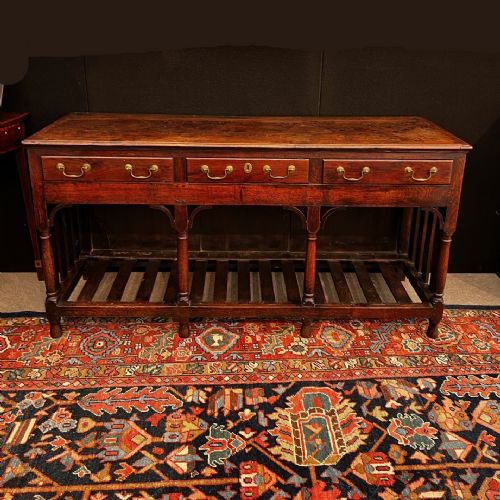
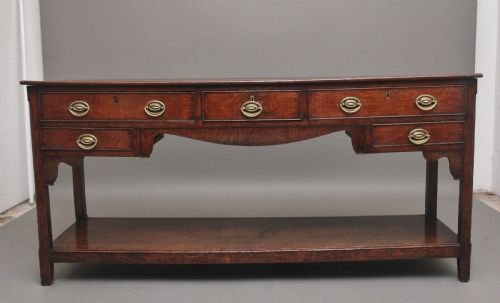
A brown oak potboard dresser brings sturdy utility and rich regional character into a room, offering generous storage and a low display shelf.
Brown Oak Potboard Dresser
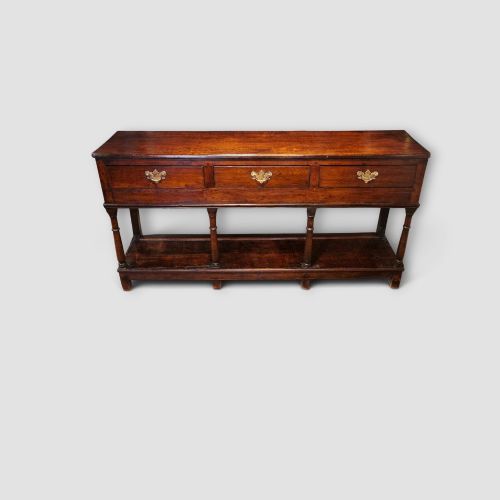
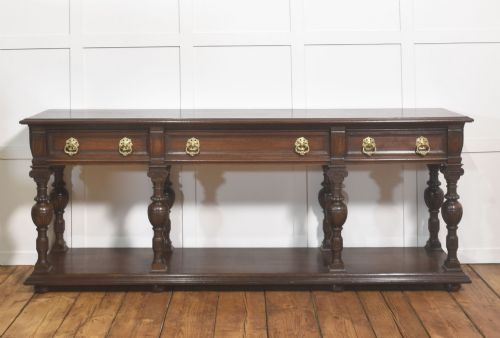
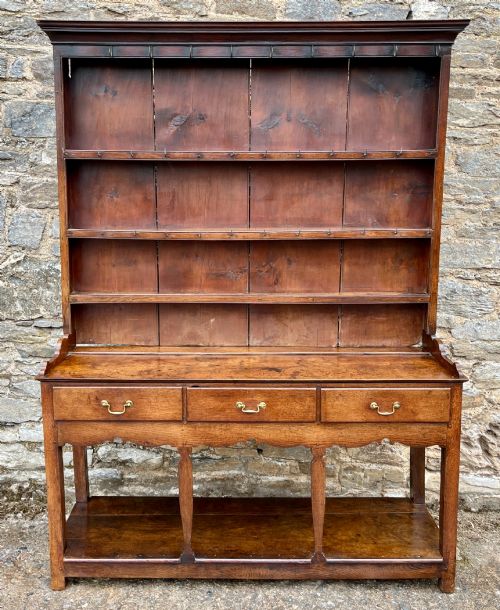
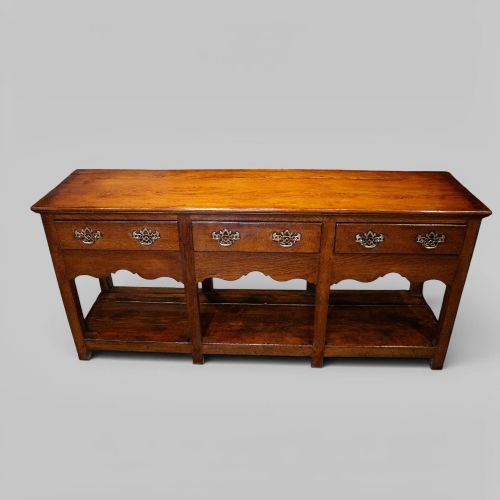
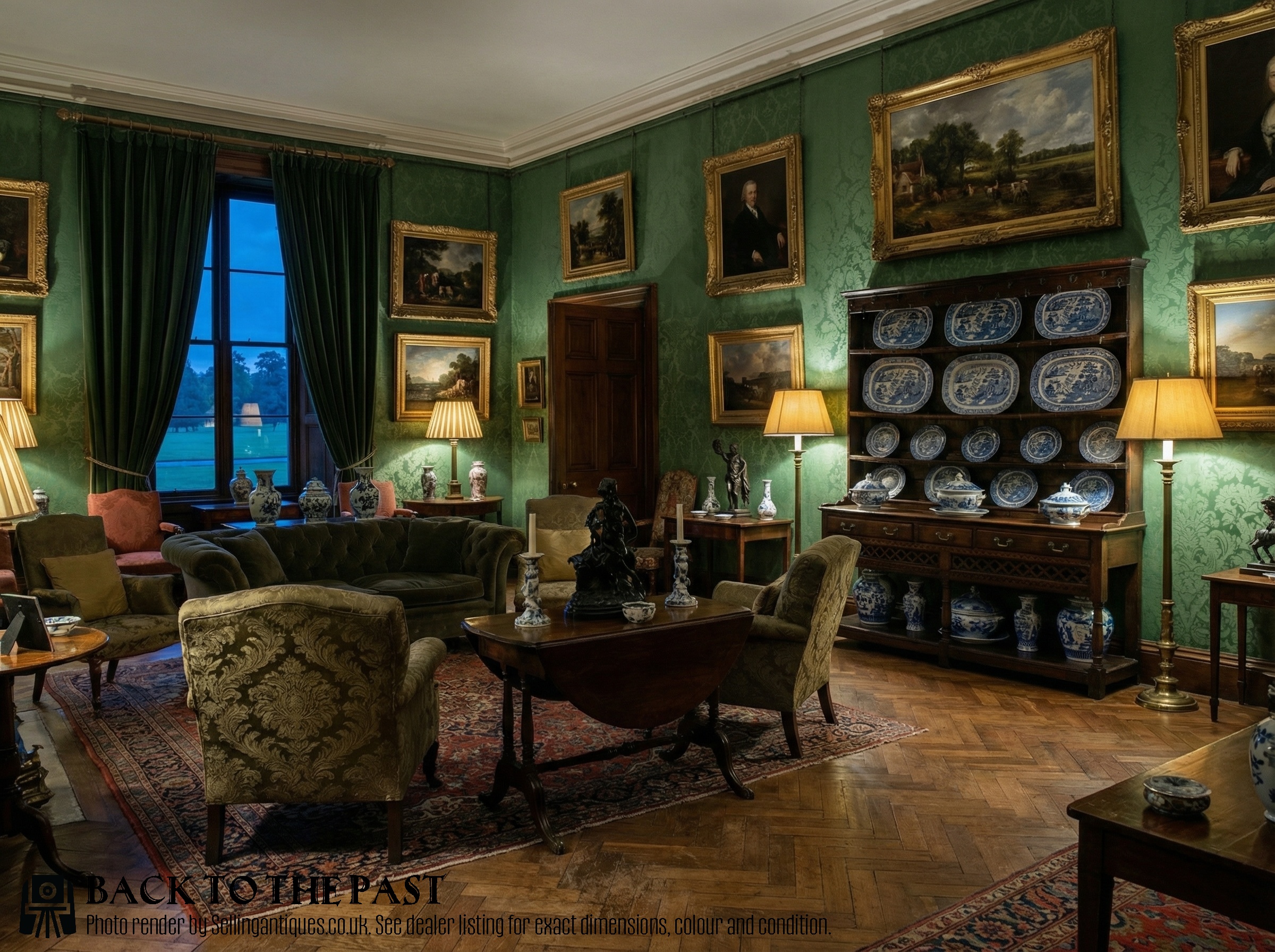
A brown oak potboard dresser is a substantial storage piece featuring a long open shelf beneath the main base, historically used for storing pots and pans in a kitchen or scullery. When searching for a brown oak potboard dresser, buyers frequently encounter heavy timber bases fitted with drawers, sometimes accompanied by upper plate racks.
The pieces listed here span the eighteenth and nineteenth centuries, alongside revival interpretations from the early twentieth century. Regional variations appear distinctly, particularly Welsh examples originating from areas such as Snowdonia and Glamorgan.
Forms vary between standalone dresser bases and complete two-part items incorporating plate racks. Timber choices predominantly centre on native oak, occasionally supplemented with elm for secondary elements.
Assessing quality and proportion
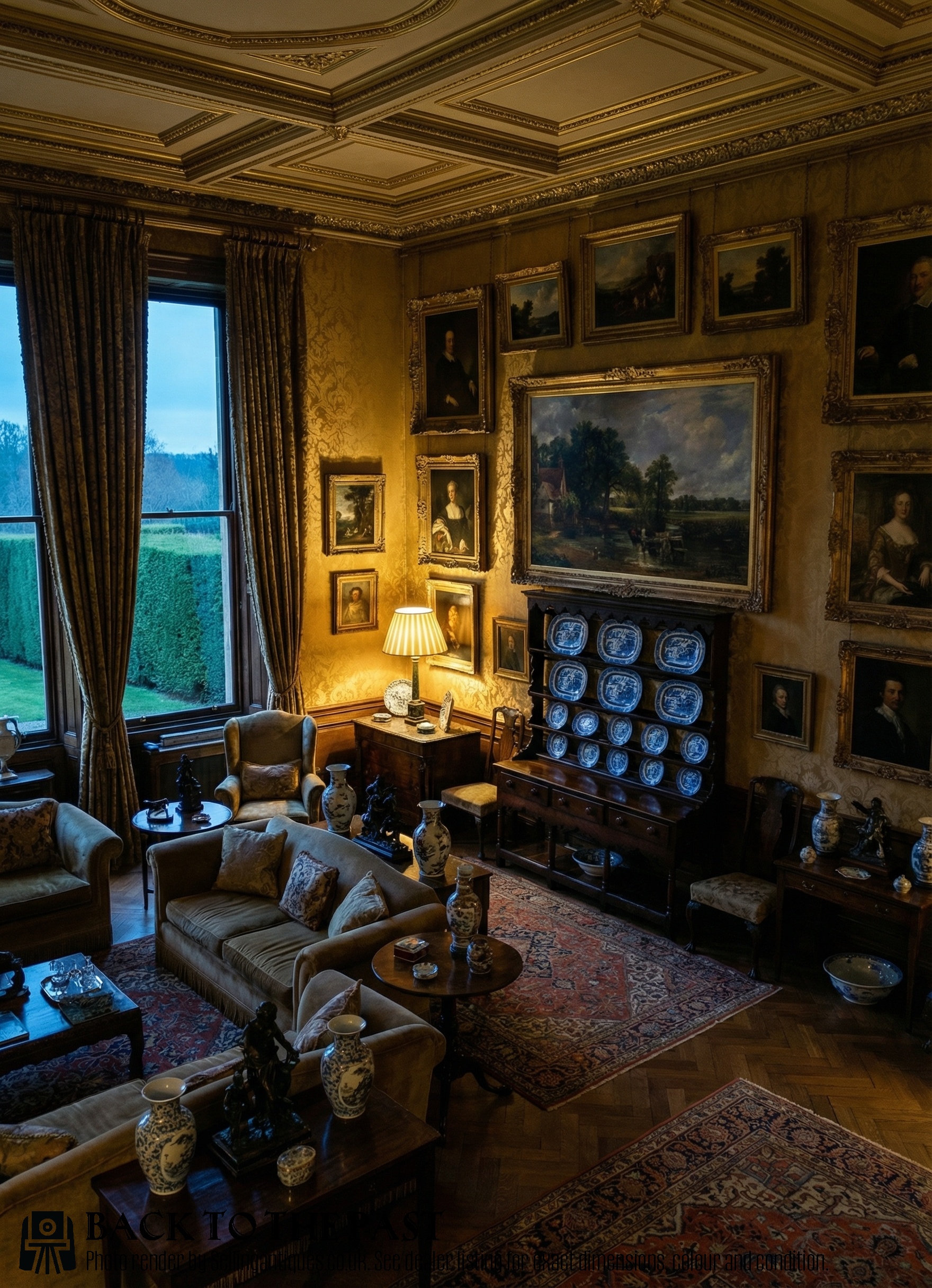
Proportion and scale dictate the distinction between standard regional furniture and exceptional examples, with smaller proportions often commanding greater interest among collectors. The presence of an original upper rack attached to the lower base significantly elevates the integrity of the piece.
Surface depth and colour intensity in the timber reveal the age and handling history of the wood. The retention of original brass or iron fittings and untouched timber patination separates superior survivals from heavily restored examples.
Early potboard surfaces often bear the deep circular scars of heavy iron cauldrons left by generations of busy cooks.
The Brown Oak Potboard Dresser Glossary
- Potboard
- The lower open shelf fixed between the legs of a dresser base, traditionally designed for storing heavy pots and earthenware. This foundational shelf distinguishes a potboard dresser from a standard sideboard.
- Dresser base
- The lower section of a Welsh dresser, comprising a flat top surface and a combination of drawers and cupboards above the potboard. Many examples survive independently without their original upper plate racks.
- Plate rack
- The upper shelving unit designed to display ceramic plates and platters, attached to the back of the dresser. These racks often feature grooved shelves to hold plates upright.
- Vernacular furniture
- Domestic furniture made by local regional craftsmen using native timbers rather than following strict metropolitan fashion. These pieces reflect distinct geographical traditions, particularly in Welsh workshops.
Brown Oak Potboard Dresser: Frequently Asked Questions
Where were these dressers used?
These dressers served as the primary storage and preparation furniture in domestic kitchens, dairies, and large farmhouse sculleries. Families utilised the deep drawers and open potboards to keep daily utensils and heavy cookware close at hand.
Over time, as household layouts changed, these substantial pieces moved into dining rooms and living spaces where their display shelves and cupboards became decorative rather than strictly functional.
How do I spot a marriage?
A marriage occurs when an upper plate rack is later paired with a lower dresser base that was originally made separately. Discrepancies in timber colour, grain direction, and wear patterns between the top and bottom sections often reveal this combination.
Checking the fixing points and historical mounting marks on the backboards helps determine whether the upper rack has belonged to the base since its manufacture.
Why do some have plate racks?
Plate racks allowed households to store ceramic plates upright where they could dry after washing and remain visible for everyday dining. These upper sections turned the functional dresser into a display unit for the best tableware.
Many surviving pieces lost their upper racks over the centuries because lower bases fitted better into smaller modern room heights or served alternative uses as sideboards.
How do I care for old oak?
Old oak timber responds best to stable indoor humidity and protection from direct heat sources that can dry out and split the wood. Feeding the surface occasionally with traditional beeswax helps maintain the natural sheen and protects the grain.
Avoiding harsh chemical cleaners ensures the historic patination developed over centuries remains intact and protected against wear.