
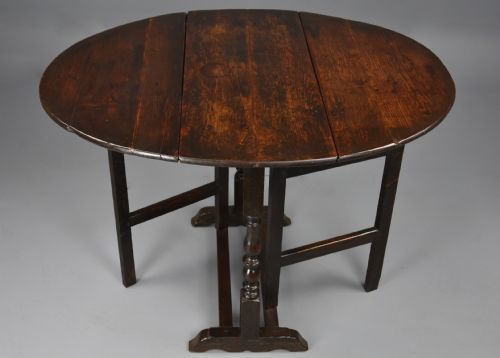
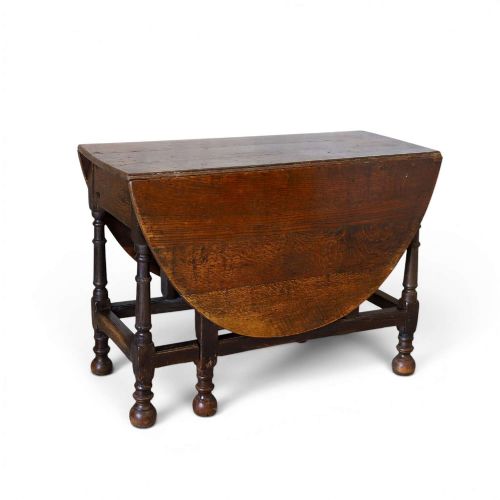


Brown Oak Flap Table
A brown oak flap table brings sturdy timber and clever folding leaves together, making it a practical choice for everyday dining or occasional spaces.
Brown Oak Flap Table
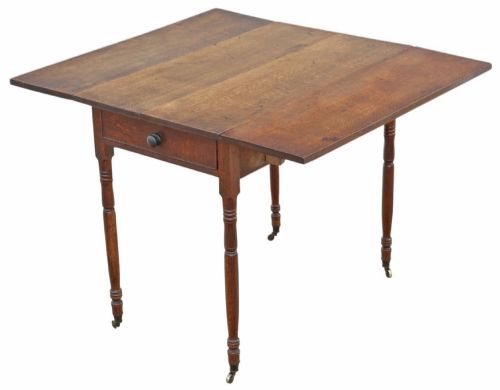
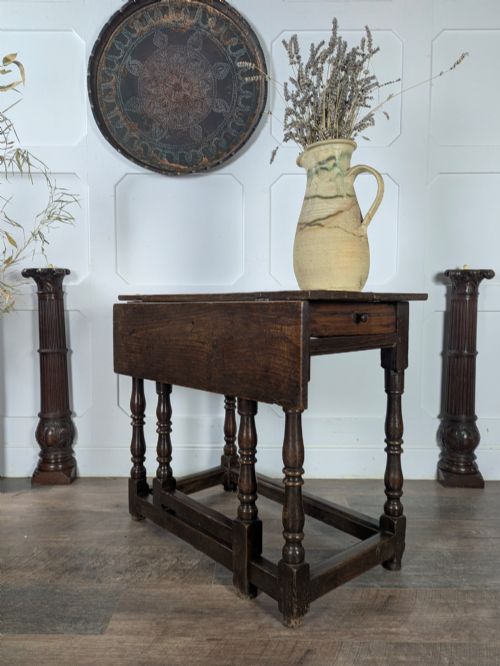
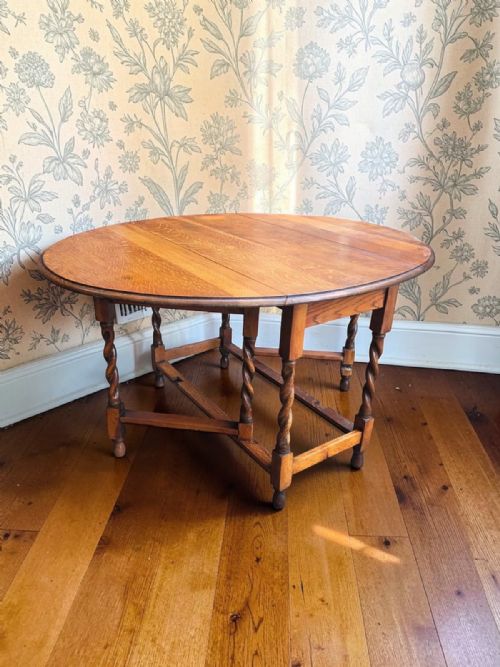
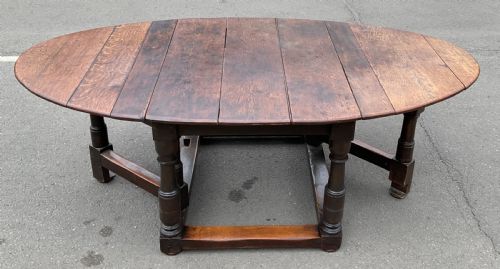
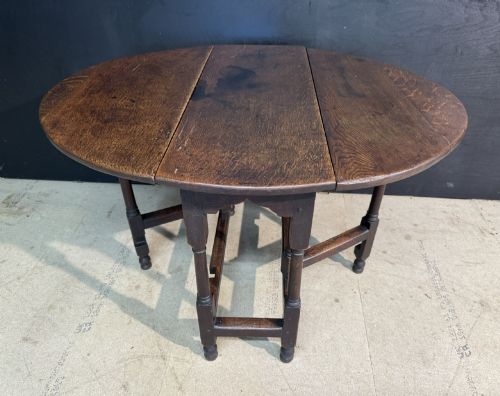
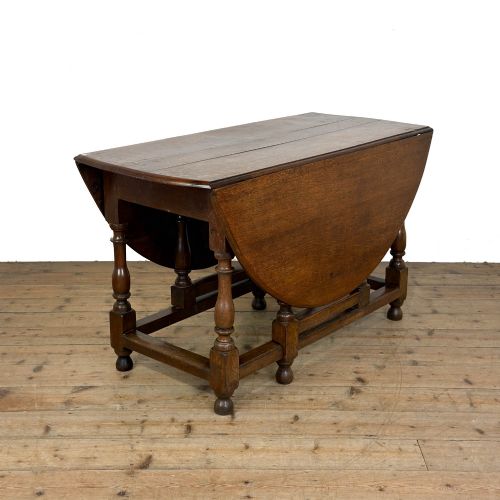
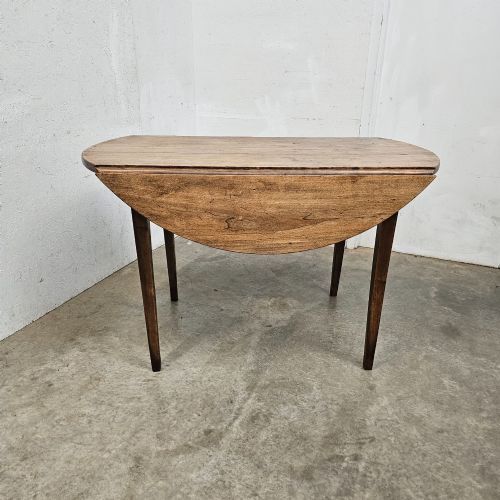
A brown oak flap table primarily appears in the form of gateleg dining tables, drop-leaf tables, and occasional coffee tables spanning from the seventeenth century through the early twentieth century. When searching for a brown oak flap table, buyers encounter sturdy pieces designed with hinged leaves that fold down to save space or lift up to accommodate guests.
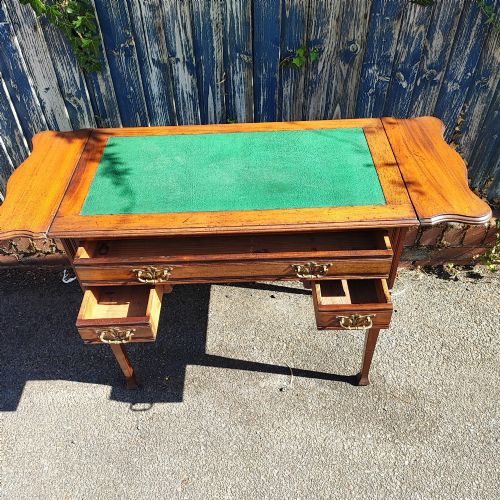
The selection here draws heavily from seventeenth and eighteenth-century origins, alongside Georgian examples and later revivals from the Edwardian period and the 1930s. Gateleg tables dominate the offerings, supported by smaller coffee tables, side tables, and writing desks with drop sides.
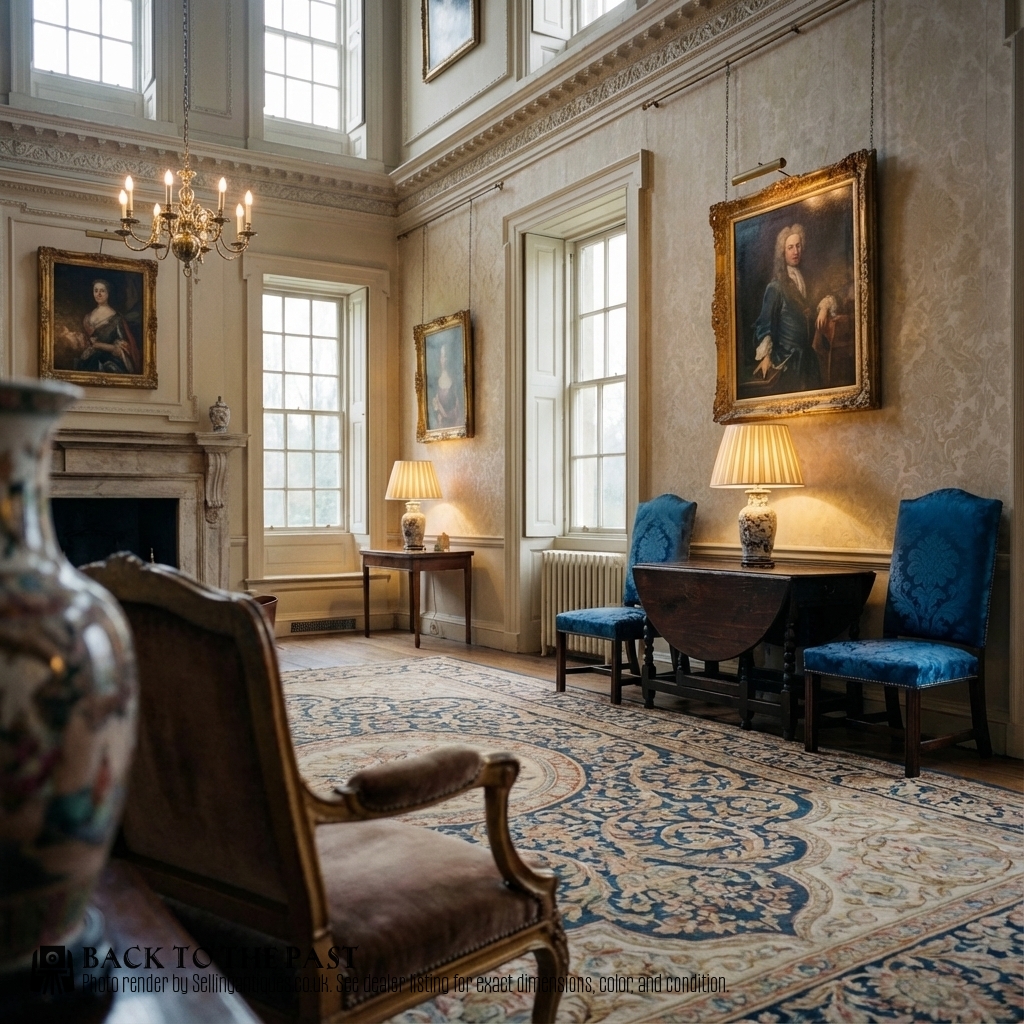
Country house and provincial English pieces are common, featuring substantial oak timbers shaped into dining and occasional formats. These tables offer functional adaptability through their pivoting legs and folding flaps, suiting both period interiors and modern rooms needing flexible surface area.
Materials and construction methods
Makers relied primarily on solid oak, often complemented by secondary woods like fruitwood or mahogany, alongside structural iron and brass for hinges and fittings. Timber selection emphasised dense grain and warm natural tones, sometimes utilising pollard oak for decorative occasional tables.
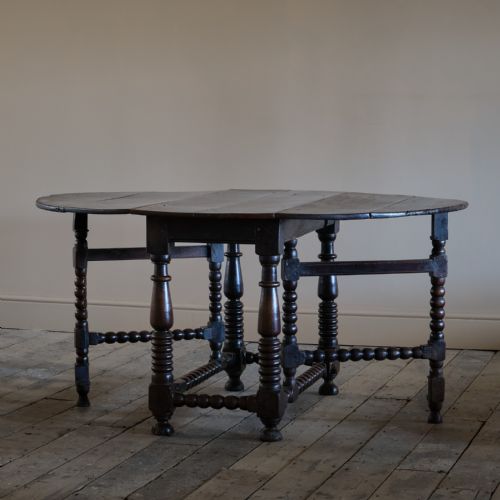
Joinery techniques focus on sturdy frames capable of supporting hinged flaps through swinging gatelegs, bobbin turnings, barley twists, or baluster posts. Original iron or brass hinges secure the drop leaves, allowing the hinged legs to pivot smoothly and support the extended top.
Some seventeenth-century gatelegs survived centuries of family suppers simply because their sturdy oak frames made them too heavy to throw out.
Assessing quality in folding tables
Quality rests upon the integrity of the original timber, the crispness of turned supports such as barley twists or bobbin legs, and the survival of original hinges. Tables retaining a warm, untouched surface patina command greater interest than those with heavily stripped or over-polished finishes.
The mechanical action of the gateleg movement defines structural merit, ensuring the pivoting leg swings true and holds the drop leaf level without excessive play. Proportion also matters, distinguishing smaller, well-balanced occasional pieces and diminutive gatelegs from larger, utilitarian dining formats.
The Brown Oak Flap Table Glossary
- Gateleg table
- A table with hinged leaves supported by one or more legs that swing out like a gate. This design provides robust support for drop flaps when fully extended.
- Drop-leaf
- A table top configuration featuring a fixed centre section and movable flaps hinged on either side. These flaps drop down vertically when not in use to reduce the table footprint.
- Barley twist
- A type of woodturning shaped like a spiral helix resembling twisted barley sugar. It appears frequently on the legs of seventeenth-century and later revival tables.
- Patina
- The surface sheen and colour developed by wood over centuries through handling, wax, and ageing. Original surface wear contributes significantly to the character of antique oak.
- Pembroke table
- A small rectangular table featuring two short drop leaves on opposite sides and usually a drawer. It developed during the eighteenth century as a versatile household piece.
Brown Oak Flap Table: Frequently Asked Questions
What is a brown oak flap table?
A brown oak flap table is a wooden table featuring hinged drop leaves supported by folding legs or brackets. These pieces range from seventeenth-century dining formats to compact twentieth-century coffee tables.
They combine rich oak timber with practical folding mechanisms designed to save space when the leaves are dropped.
How do gateleg tables work?
Gateleg tables use hinged legs attached to a pivoting frame that swings outward like a gate. When extended, this leg locks beneath the drop leaf to provide sturdy weight-bearing support.
Folding the leg back allows the leaf to drop down flat against the main table structure.
How do I care for antique oak furniture?
Antique oak benefits from regular dusting with a soft, dry cloth and occasional feeding with quality beeswax to preserve the finish. Avoiding direct sunlight and sudden temperature shifts prevents the timber from drying out or splitting.
Keeping humidity stable protects both the solid oak top and the historic hinge mechanisms.
How can I tell an older oak table from a later revival?
Earlier tables from the seventeenth and eighteenth centuries show hand-tooled joinery marks, peg construction, and wear patterns consistent with age. Revival pieces from the Edwardian era or the 1930s often feature machine-cut elements and standardised fixings.
Examining the hinges, timber grain, and underlying construction reveals the true period of manufacture.