





Brown Oak Carved Figure
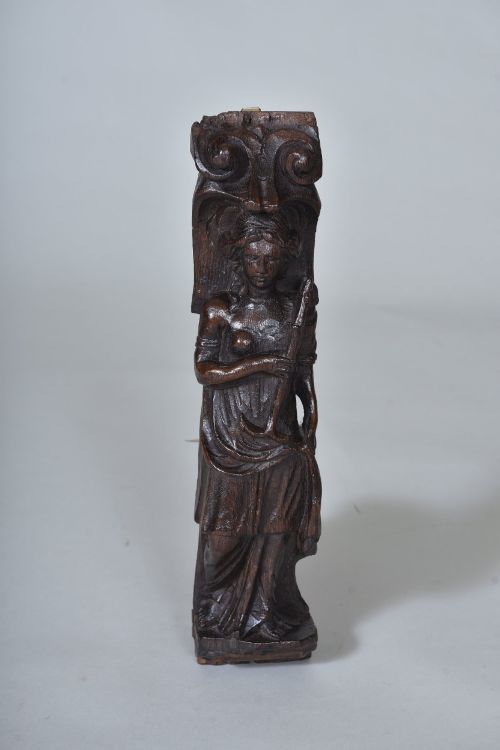
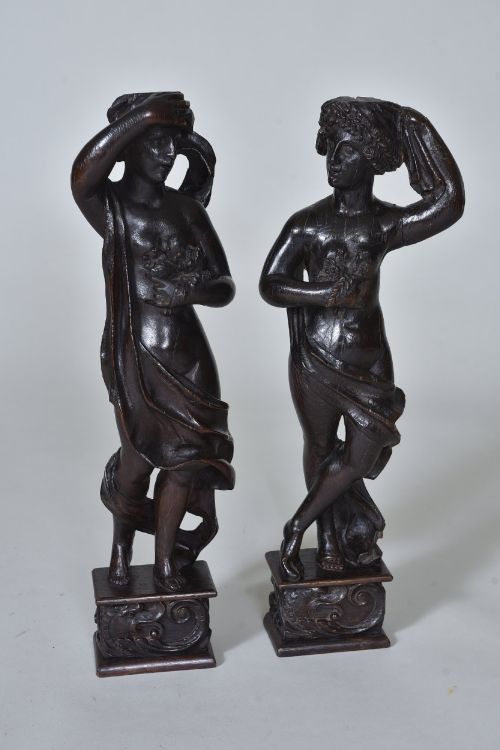
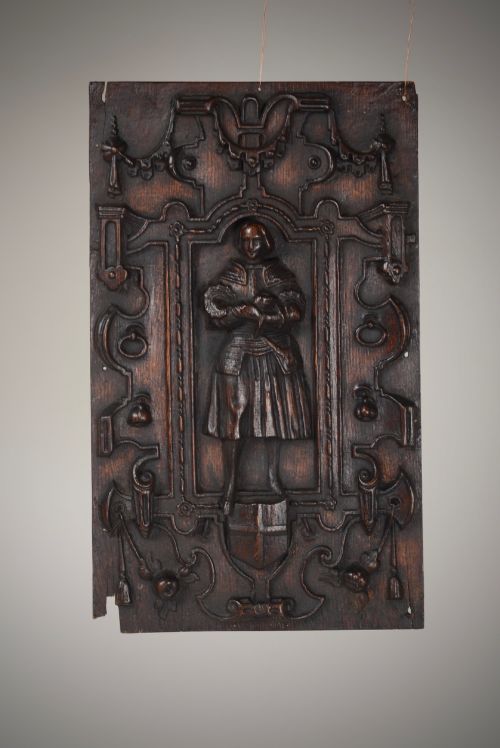
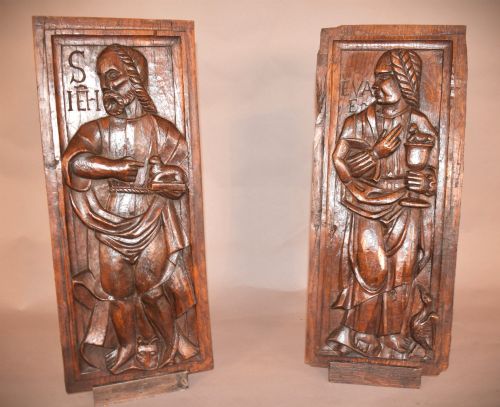
A brown oak carved figure brings centuries of hand-carved history into a room, spanning medieval saints, classical animals, and detailed architectural elements.
Brown Oak Carved Figure
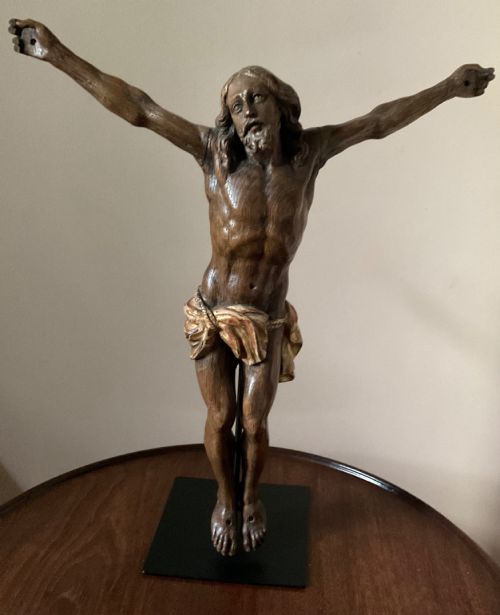
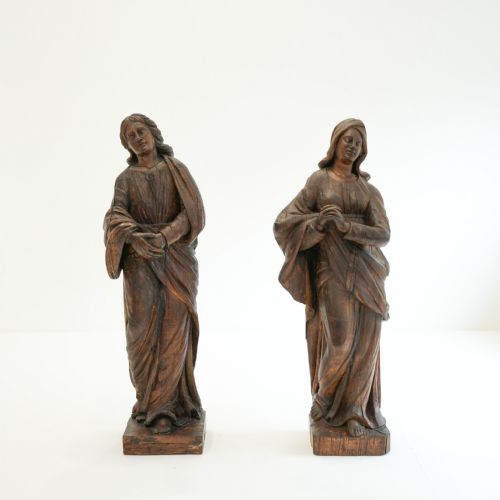
A brown oak carved figure encompasses a diverse range of sculptural works, from religious statues and architectural salvage to animal figures and classical panels. When exploring this selection, a buyer encounters everything from late medieval religious depictions to nineteenth-century interpretations of historical figures.
The objects take many forms, including freestanding statues, architectural caryatids, building brackets, and decorative plaques. Pieces originating from seventeenth-century workshops appear alongside nineteenth-century revivals and twentieth-century works.
Religious subjects dominate the earlier periods, depicting saints, madonnas, and biblical scenes, while later eras introduce mythological creatures, lions, and secular portraits. These variations reflect the changing sculptural commissions of different centuries across European and British workshops.
What varies in quality
The distinction between ordinary and exceptional carving lies in the confidence of the tool work and the anatomical understanding of the carver. Superior pieces display fluid drapery, lifelike facial expressions, and crisp definition in hair and hands, whereas lesser examples appear stiff or heavy-handed in execution.
Proportion and depth of relief also separate regional vernacular pieces from master workshop outputs. Depth creates natural shadows and three-dimensional presence, transforming a flat panel into a dynamic sculptural form.
A pair of carved Black Forest cows stands ready to bring a touch of alpine dairy charm to any nineteenth-century interior.
Boothroyd Sons And Rimmer·Franz Keller
The Brown Oak Carved Figure Glossary
- Caryatid
- A carved architectural figure serving as a support pillar in place of a column or pilaster. These often depict draped human figures supporting cornices or mantelpieces.
- Corpus Christi
- A representation of the body of Jesus Christ on the cross. These sculptures focus anatomical detail on the torso and expression.
- Gothic Revival
- An architectural and artistic style beginning in the late eighteenth century and flourishing through the nineteenth century, emulating medieval forms. Pieces in this style imitate fifteenth-century religious and architectural motifs.
- Folk Art
- Objects created by self-taught or traditional artisans outside academic traditions. These items emphasise local materials and straightforward decorative expression over formal proportion.
Brown Oak Carved Figure: Frequently Asked Questions
How do I date an oak carving?
Dating relies on tool marks, stylistic conventions, and the natural ageing of the timber. Examination of the back and mounting points often reveals the construction methods typical of specific centuries.
Early pieces display adze or hand-chisel marks consistent with pre-industrial joinery, while nineteenth-century revivals incorporate later hardware and consistent patination.
Where were these figures originally displayed?
Many religious figures stood within churches, altarpieces, or private domestic chapels. Secular carvings often functioned as architectural salvage from important buildings, furniture supports, or wall panels.
Animals and classical figures frequently adorned libraries, entrance halls, or grand gardens during the nineteenth-century Grand Tour period.
How should I care for brown oak carvings?
Maintaining carved wood requires stable indoor humidity away from direct heat sources and sunlight. Occasional application of a suitable microcrystalline wax helps protect the dry timber surface without building up thick residues.
Avoid using wet cloths or standard polish, dusting gently with a soft, dry brush to preserve fine crevices.
Are these carvings solid wood?
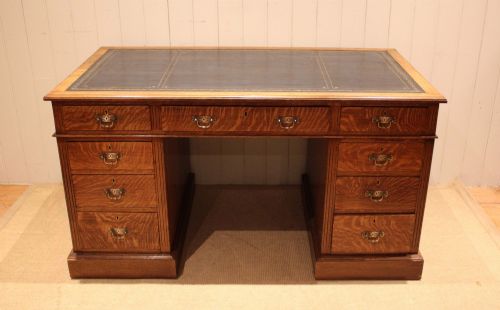
Most antique carvings are fashioned from solid blocks of hardwood or built up from thick oak planks joined together. Larger architectural elements like hall stands or desks utilise solid framing around sturdy structural cores.
Checking the underside or reverse reveals the natural grain structure and confirms the solid nature of the timber.