



Brown Marble Sculpture
A brown marble sculpture brings weight and earthy tone to a room, grounding figures cast in bronze or carved from stone.
Brown Marble Sculpture
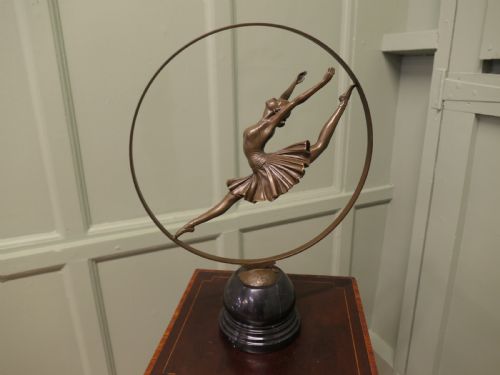
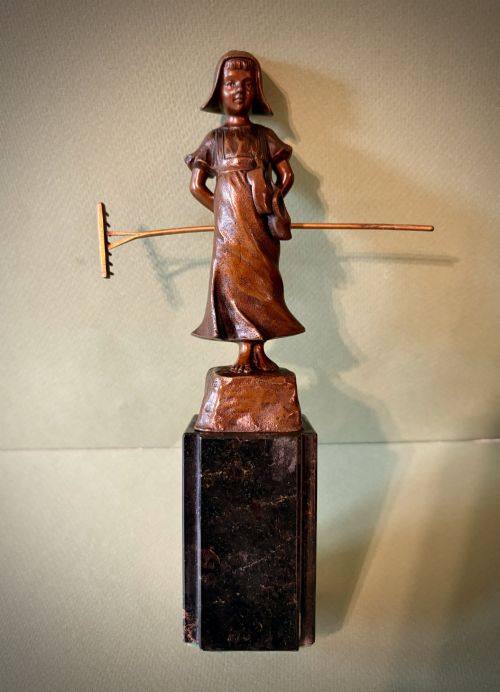
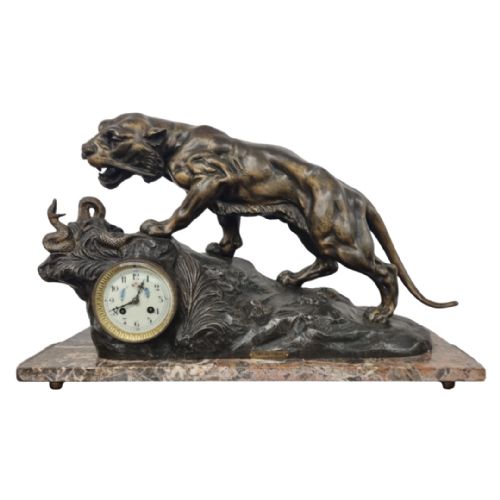
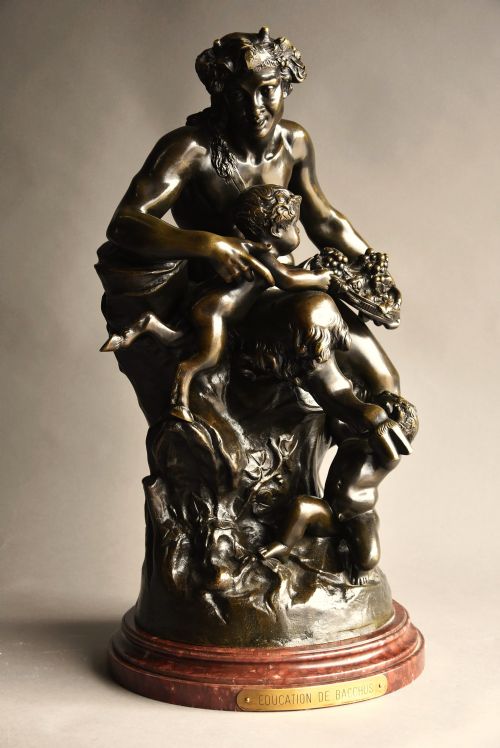
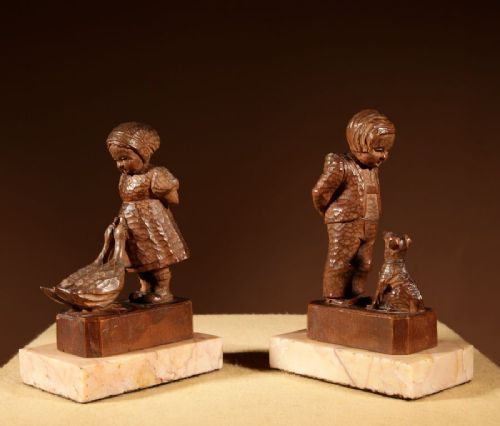
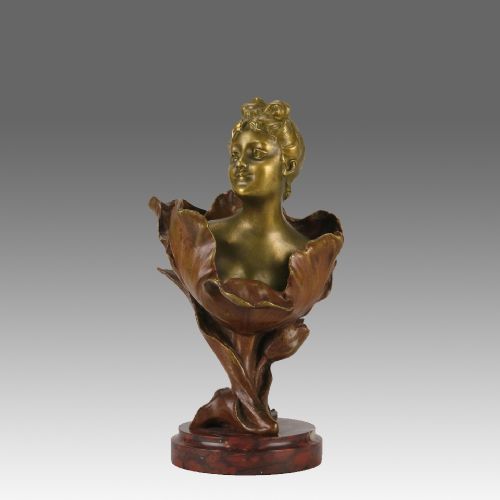
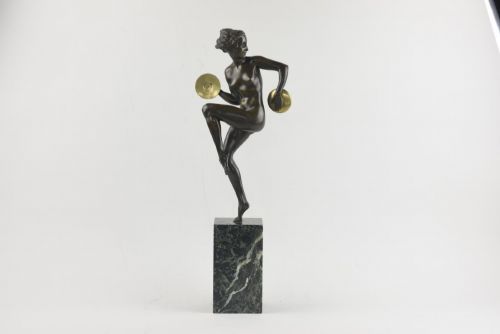
When you search for brown marble sculpture, you encounter figural studies, animalier groups, and portrait busts set upon stone plinths or bases. The pieces reflect periods from the nineteenth century through the art deco era, combining mineral bases with patinated metal or carved stone figures.
The selections on this page pair the veining of natural marble with subjects ranging from classical figures to athletic animals. These works originate primarily from nineteenth and early twentieth-century European workshops, utilising stone to anchor heavier cast metal compositions.
Materials and Construction
Sculptors combined natural marble for bases and columns with bronze, spelter, or carved wood for the primary figures. Metal components were cast using the lost-wax method or sand-casting techniques before receiving patination.
Stones were selected for their natural grain and colour variation, then turned, sliced, and polished by hand to provide stable platforms for the figures mounted upon them.
Listings incorporate nineteenth-century Victorian works alongside 1930s art deco pieces, utilising bronze, spelter, and carved marble.
Assessing Quality
The fineness of the chisel work on carved stone and the crispness of the chasing on cast metal separate superior examples from standard production. The depth of the marble's polish and the harmony between the figure and its geological base dictate the visual impact of the piece.
Signatures inscribed by recognised modellers or founders indicate higher atelier standards, while the density and natural patterning of the marble contribute to the desirability of the base.
R Varnier·Claude Michel Clodian·Henri Godet·Aurore Onu Cymbal·Franz Bergman·Eugene Barillot·Rousseau·Eugene Emile Borga·Maurice Guiraud Riviere·Clovis Masson·Carl Kauba·Alajos Strobl·Louis Auguste Moreau·Alexandre Kelety·Xavier Raphanel·Emmanuel Villanis·Andrey·Pierre le Faguays·I Rochard·Eutrope Bouret
The Brown Marble Sculpture Glossary
- Animalier
- A nineteenth-century artistic style focusing on realistic depictions of animals, particularly predators and game in motion. This movement produced many bronze figures mounted on stone bases.
- Patination
- The surface coloration and finish applied to metal sculpture through chemical means or natural ageing. It alters the raw metal tone to shades of brown, green, or black.
- Spelter
- A zinc alloy commonly utilised as a less costly alternative to bronze for figural casting during the art deco period. Figures in this material were frequently painted or patinated to resemble bronze.
- Grand Tour
- The nineteenth-century practice where travellers collected classical antiquities and smaller bronze reproductions across Europe. These souvenirs often utilised regional marbles for their plinths.
- Specimen marble
- A decorative technique employing multiple coloured marbles arranged in geometric patterns or geological displays. It appears frequently in nineteenth-century Italian architectural and sculptural works.
Brown Marble Sculpture: Frequently Asked Questions
What periods do these sculptures date from?
The listings span the nineteenth century through the early twentieth century, encompassing Victorian creations and art deco designs.
Specific dates within the titles point to decades such as the 1880s, 1900s, and 1930s, reflecting European foundry and carving traditions.
How should I display a marble base sculpture?
These works require sturdy surfaces such as side tables, pedestals, or console tables capable of supporting significant weight.
Positioning them away from high-traffic edges protects the projecting metal elements and polished stone corners from accidental impacts.
What is the difference between bronze and spelter?
Bronze is a durable copper alloy that accepts detailed chasing and holds deep patination over centuries of handling.
Spelter is a softer zinc alloy utilised widely in art deco figures, offering a lighter alternative that required applied surface finishes.
Are the marble bases original to the pieces?
In many nineteenth and twentieth-century animalier and figural works, the stone plinth or base was selected specifically to complement the cast metal subject.
Natural variations in the marble grain and the fit of the mounting pins indicate whether the components were joined during the original manufacture.