
Brown Mahogany Vanity Desk
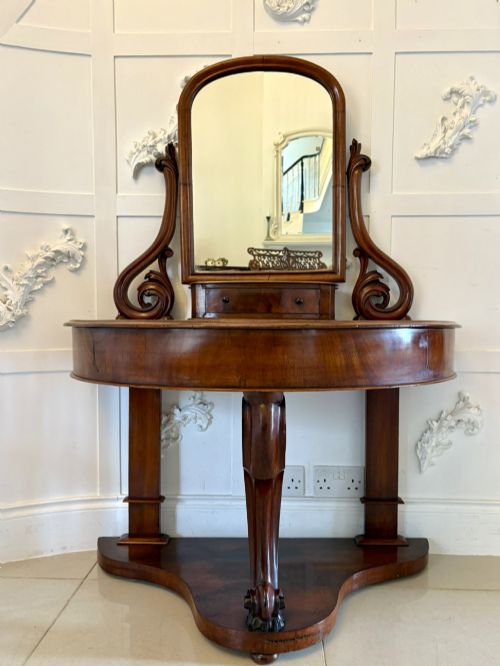
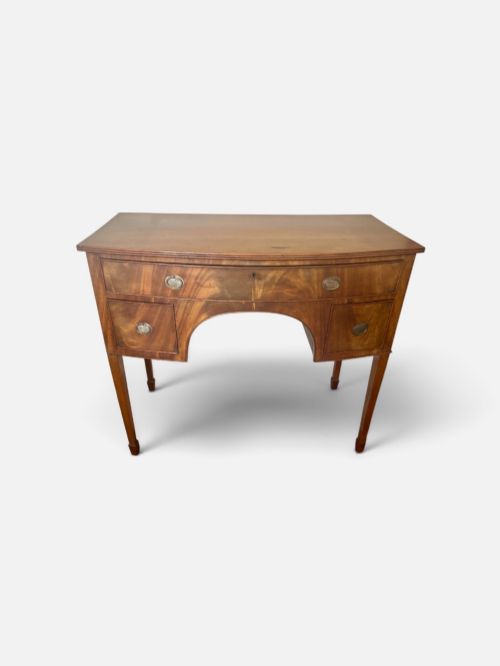
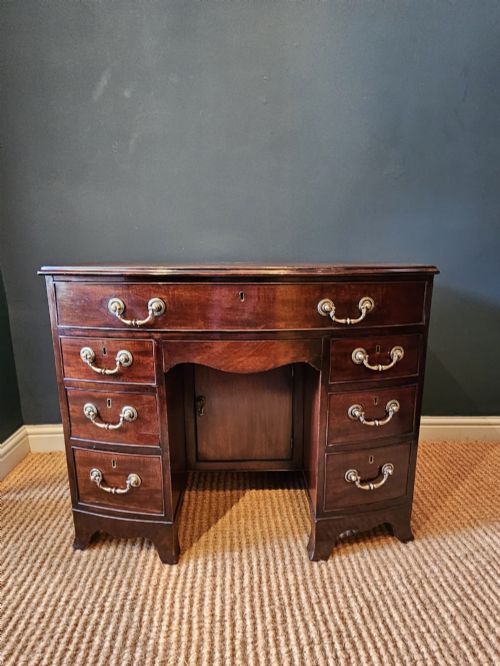
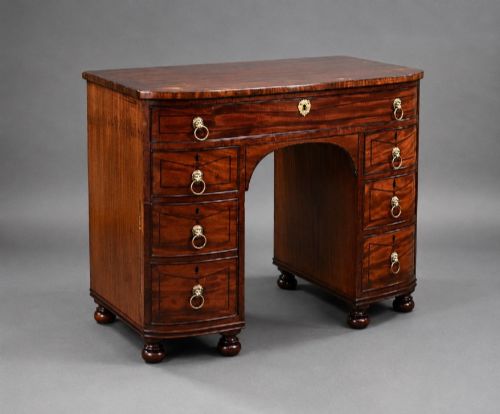
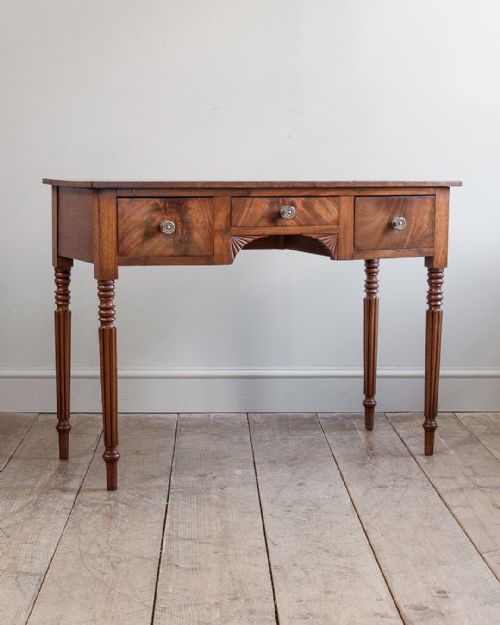
A brown mahogany vanity desk brings tactile warmth and refined utility to a room, combining the deep tones of traditional timber with dedicated compartments for personal care or correspondence.
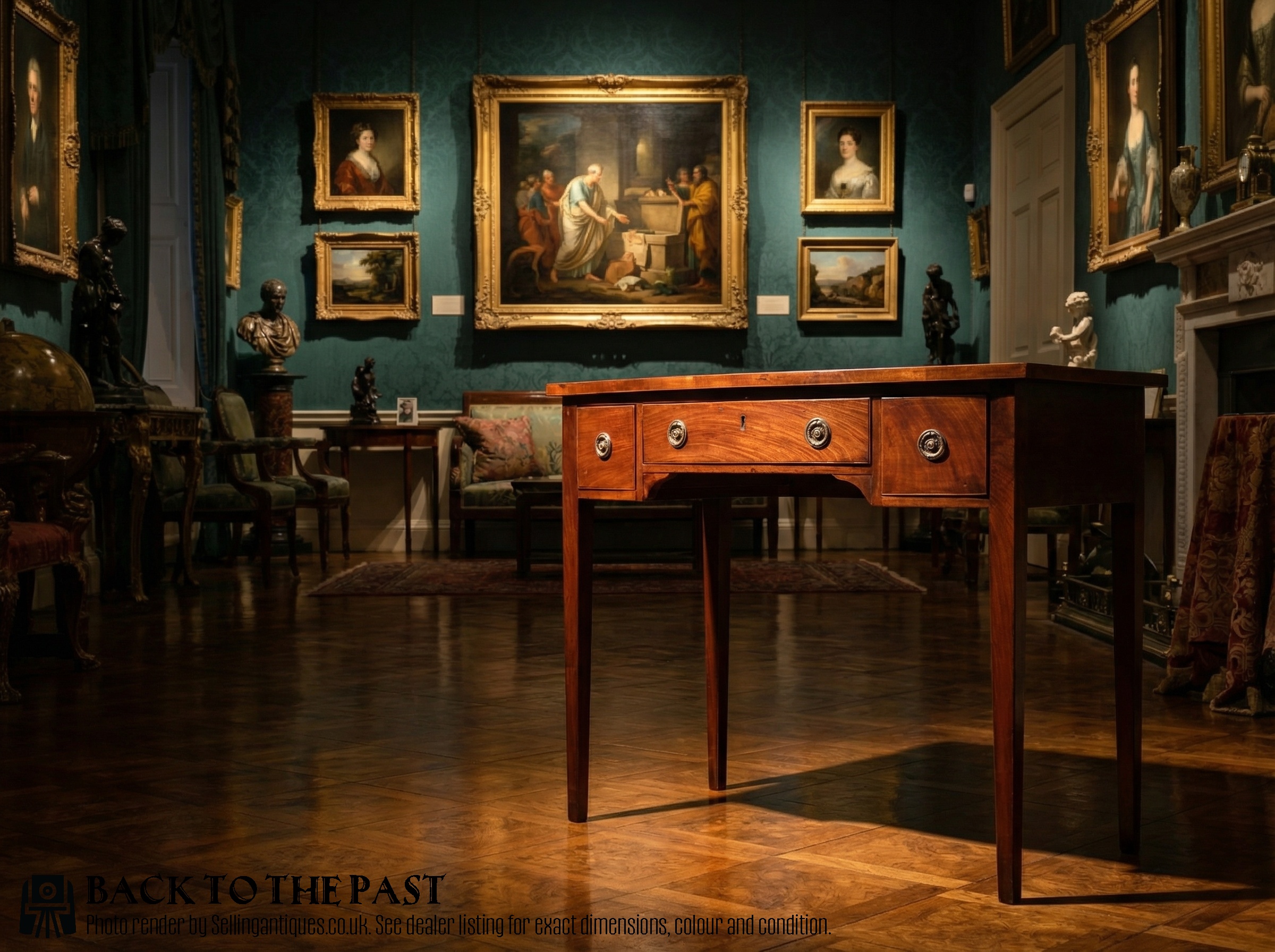
Brown Mahogany Vanity Desk
When searching for a brown mahogany vanity desk, buyers encounter a diverse selection of antique furniture pieces designed primarily for grooming, writing, and personal storage. These items span multiple historical periods, including the Georgian, Regency, Victorian, and Edwardian eras, reflecting evolving tastes in domestic interior design.
Origins vary from provincial workshops to refined London cabinet makers, with designs ranging from austere Georgian lines to elaborate Edwardian and Sheraton Revival interpretations.
How they were made
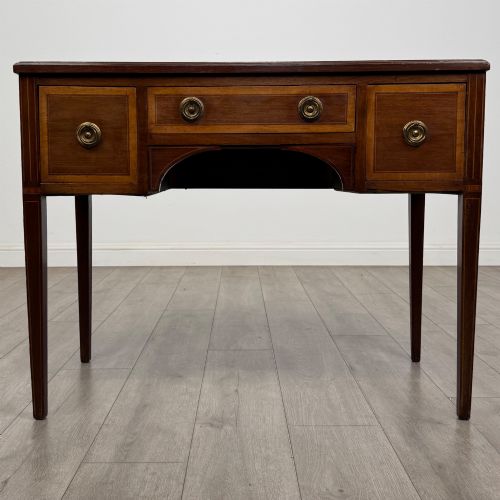
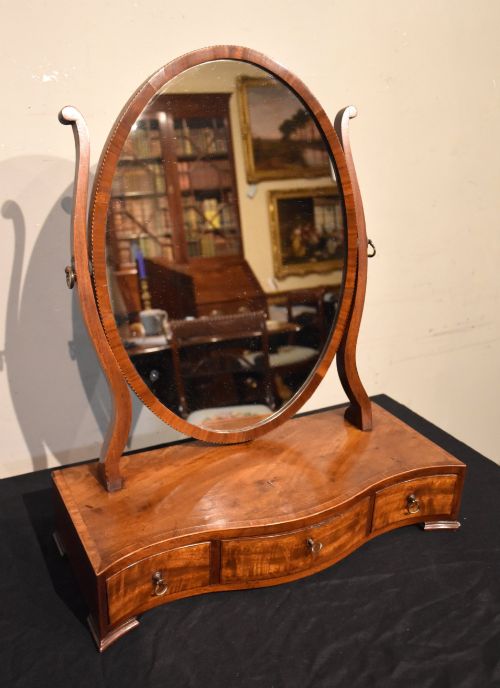
Makers utilised solid mahogany and flame mahogany veneer applied over secondary timbers, often accentuating the primary wood with contrasting satinwood inlay. Structural integrity relied on traditional joinery techniques combined with brass hardware for handles, escutcheons, and adjustable mirror fittings.
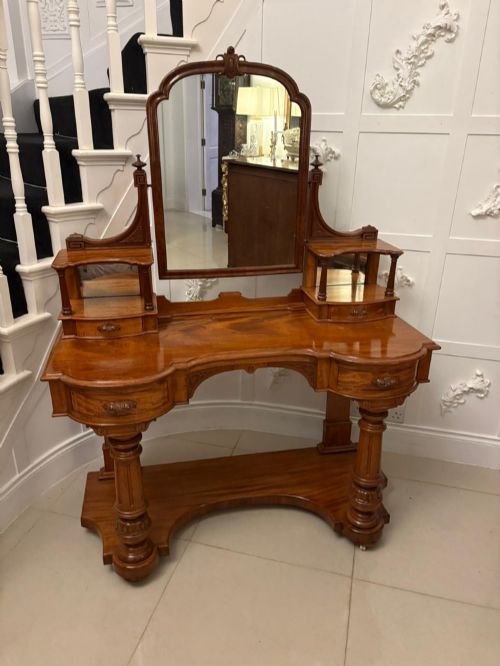
Surface finishes were meticulously rubbed down and polished to highlight the natural grain patterns and deep colour of the mahogany. Glass featured prominently in the adjustable dressing mirrors associated with these tables, while leather inserts occasionally provided a durable writing surface.
Listings feature mahogany, satinwood, brass, glass, and leather across pieces originating from the Georgian, Victorian, and Edwardian periods.
What varies in quality
The degree of refinement in timber selection dictates much of the visual distinction across these pieces, with figured flame mahogany veneer representing a more costly choice than plain stock. Carving depth, the crispness of satinwood inlay, and the retention of original brass fittings also signal higher workshop standards.
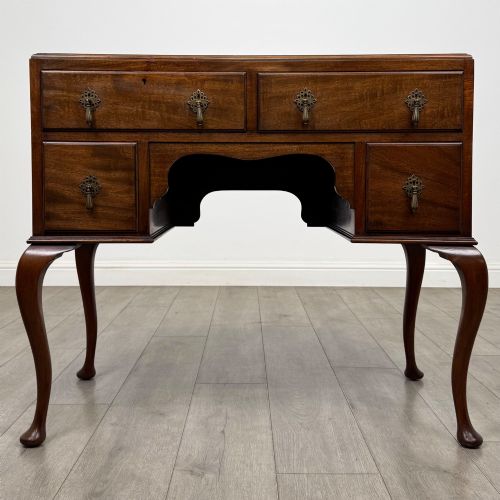
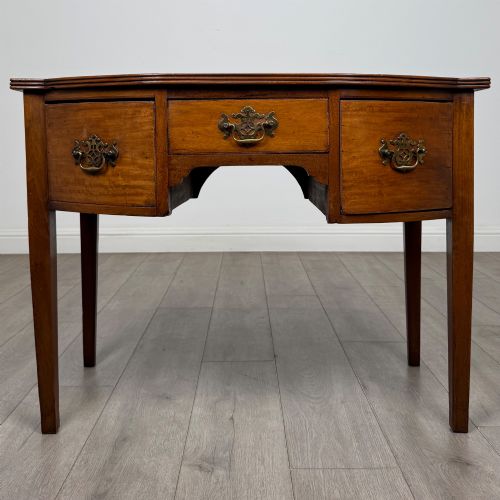
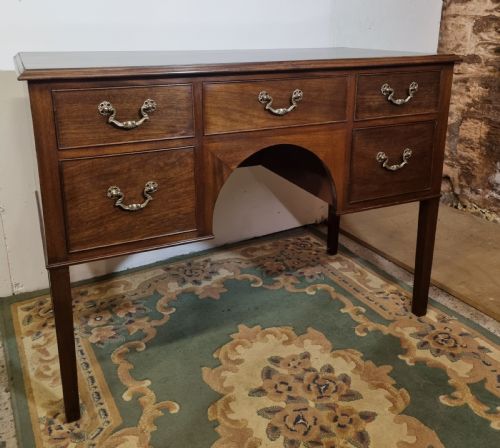
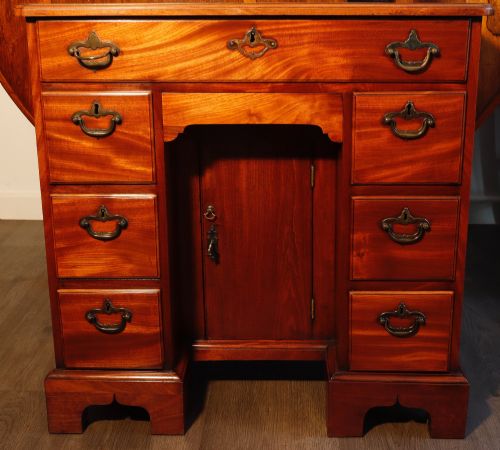
Structural complexity, such as serpentine fronts, kneehole configurations, and integrated compartments, demonstrates the maker's skill and ambition. Pieces that maintain their original mirrors, internal drawer layouts, and harmonious proportions command greater appreciation.
Thomas Rubergall·Edwards & Roberts
The Brown Mahogany Vanity Desk Glossary
- Kneehole desk
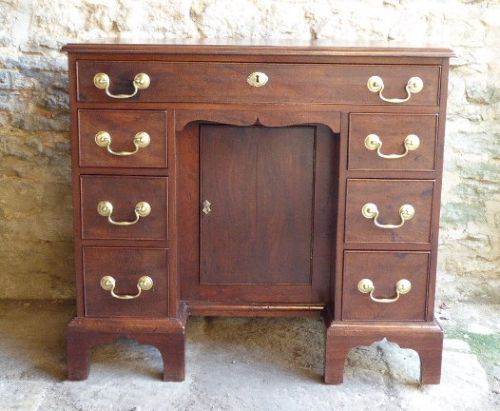
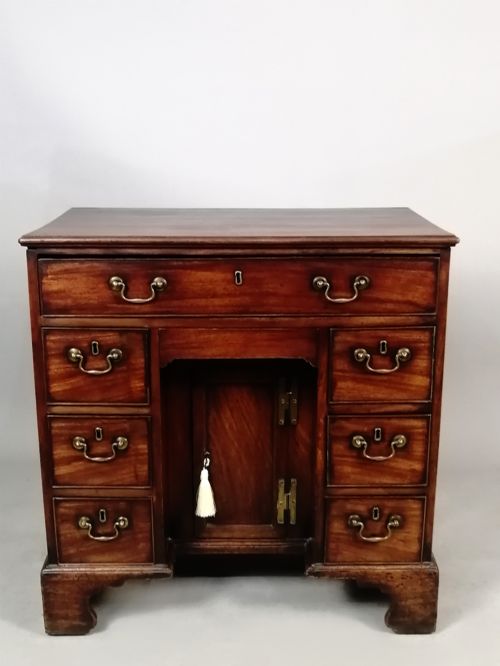
- A compact desk or dressing table featuring a central recess for the user's legs, flanked by pedestals of small drawers. This form became popular during the Georgian period.
- Flame mahogany veneer
- A thin slice of wood cut from the fork of a mahogany tree to produce a distinctive, flickering flame pattern. Cabinet makers applied it to drawer fronts and tabletops for decorative impact.
- Lowboy
- A small low table with drawers, typically resting on four legs, used in the 18th century for dressing or writing. They frequently display fine Georgian proportions and understated cabriole or straight legs.
- Bonheur du jour
- A light lady's writing desk featuring a small cabinet or set of drawers on the upper surface. This elegant form gained favour during the Sheraton Revival and Edwardian periods.
- Satinwood inlay
- Contrasting light-coloured exotic wood inserted into the mahogany surface in geometric or floral motifs. It defines the decorative vocabulary of late 18th and Edwardian revival furniture.
Brown Mahogany Vanity Desk: Frequently Asked Questions
What is a brown mahogany vanity desk?
A brown mahogany vanity desk is an antique furnishing designed for grooming or writing, constructed from rich timber and incorporating drawers, compartments, or mirrors.
These pieces range from Georgian kneehole desks to Edwardian dressing tables, serving both functional and decorative roles in traditional interiors.
How were these desks used?
Historically, these items served dual purposes for personal grooming and private correspondence. Users stored cosmetics, brushes, or writing materials within the fitted drawers.
Adjustable mirrors allowed for morning preparation, while the writing surfaces accommodated letters and ledgers.
How do I date a mahogany vanity desk?
Dating relies on observing structural forms, hardware styles, and decorative techniques characteristic of specific periods like Georgian, Victorian, or Edwardian. For instance, serpentine fronts and certain inlay patterns often point to the 18th century or later revivals.
Secondary woods and drawer construction methods further clarify the approximate decade of manufacture.
How do I care for antique mahogany?
Maintaining antique mahogany involves keeping the furniture away from direct sunlight and rapid temperature fluctuations to prevent timber movement. Regular dusting with a soft cloth preserves the polish without building up heavy wax residues.
Occasional gentle feeding with appropriate furniture wax maintains the moisture and lustre of the wood.