
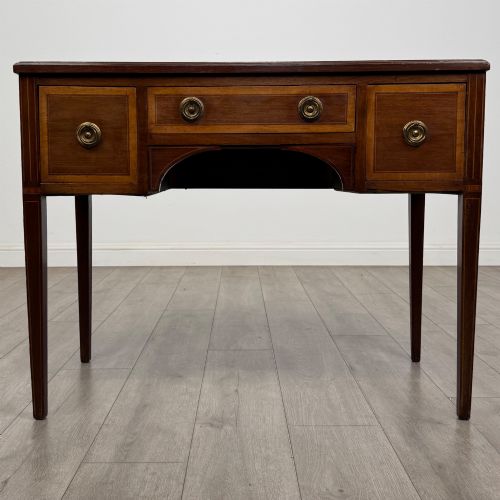
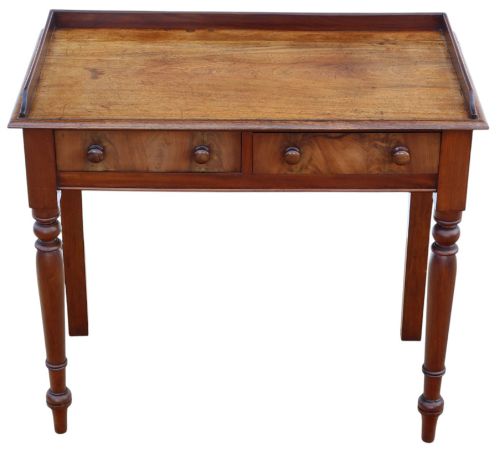
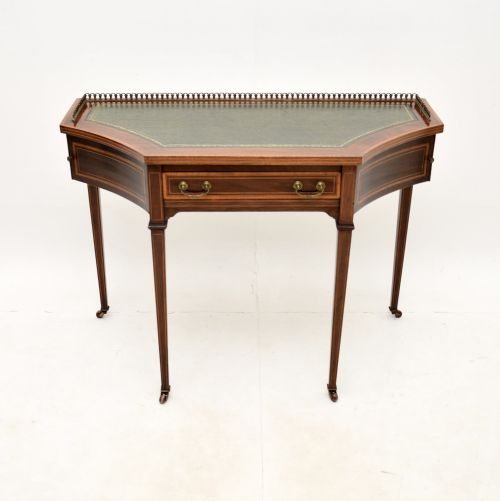
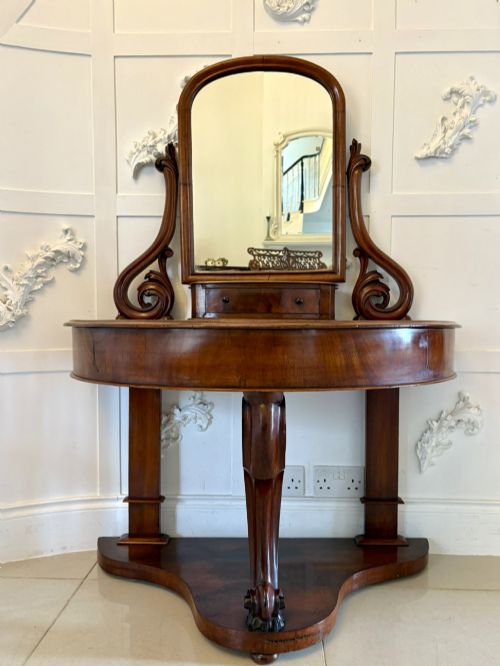
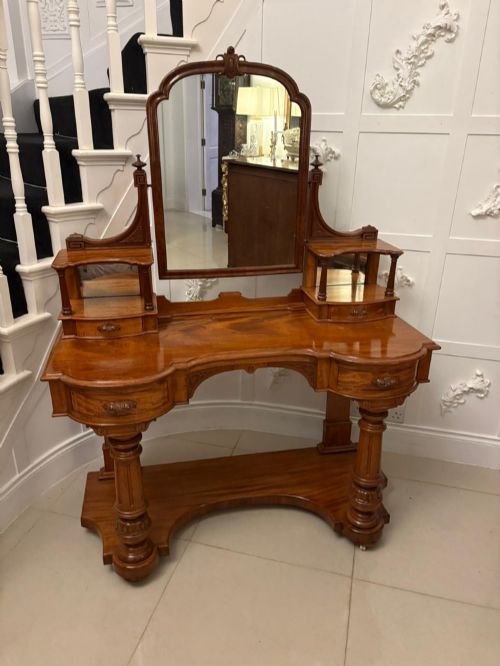
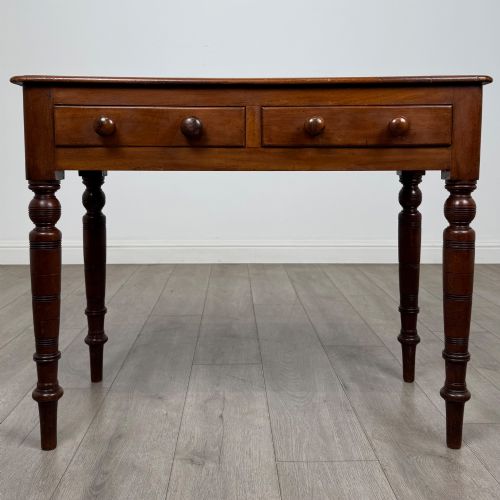
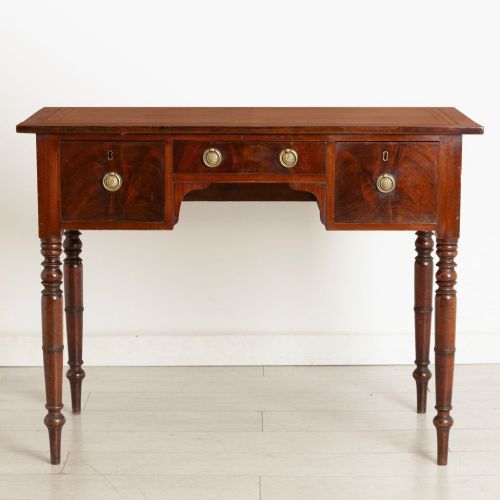
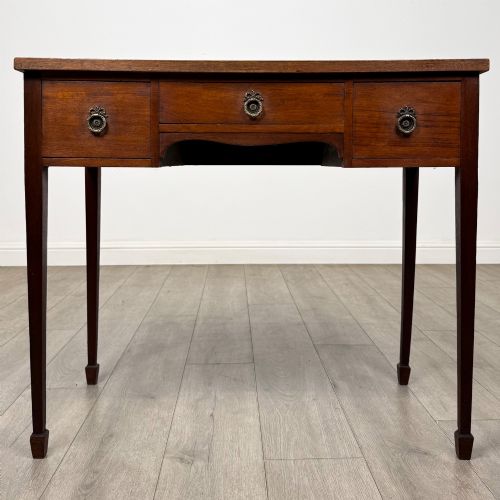
Brown Mahogany Dressing Table
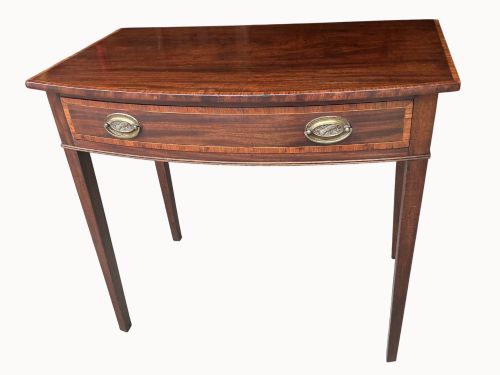
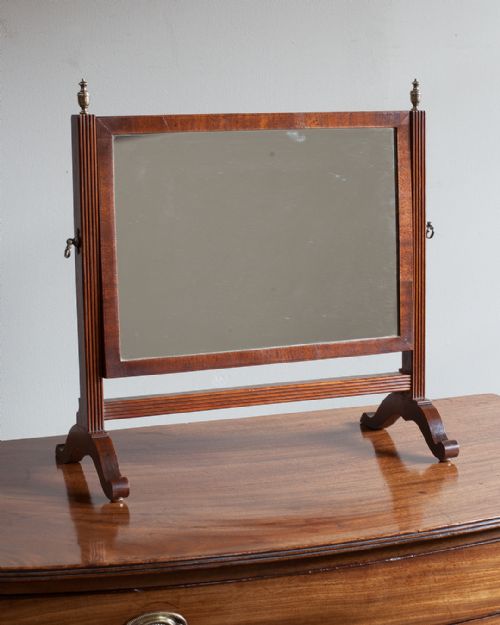
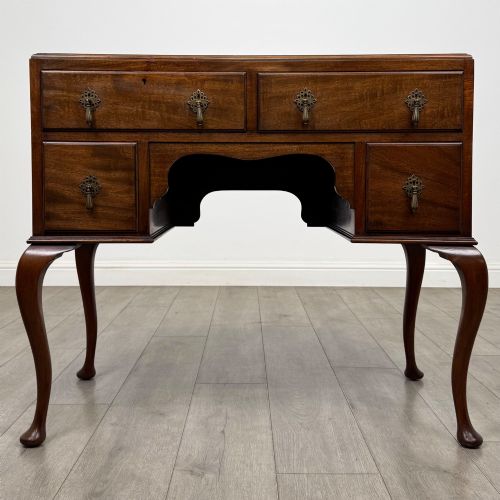
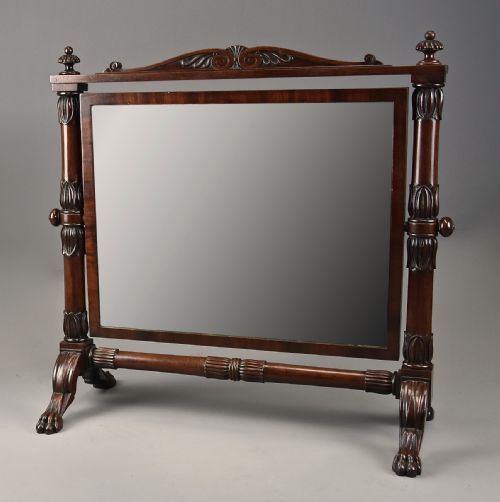
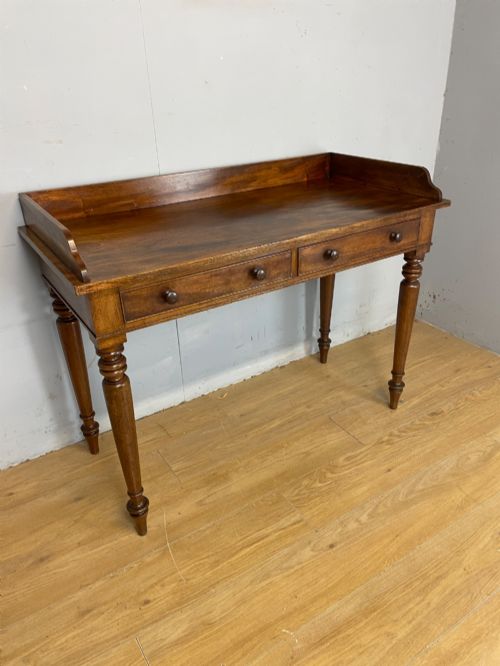
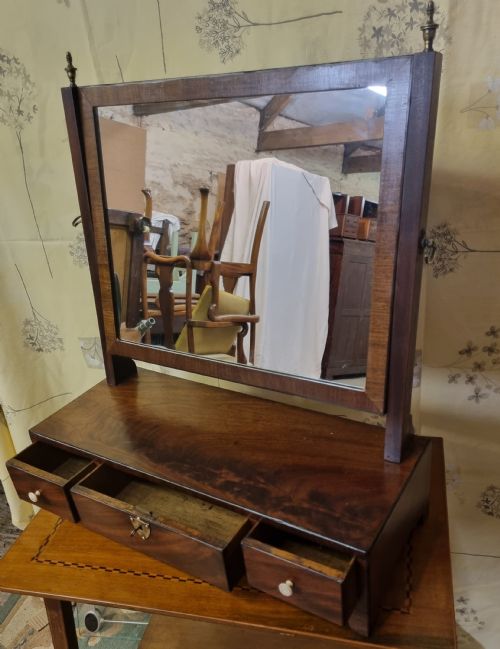
A brown mahogany dressing table brings refined timber grain and practical surface space to a bedroom, offering a distinct Georgian or Edwardian presence.
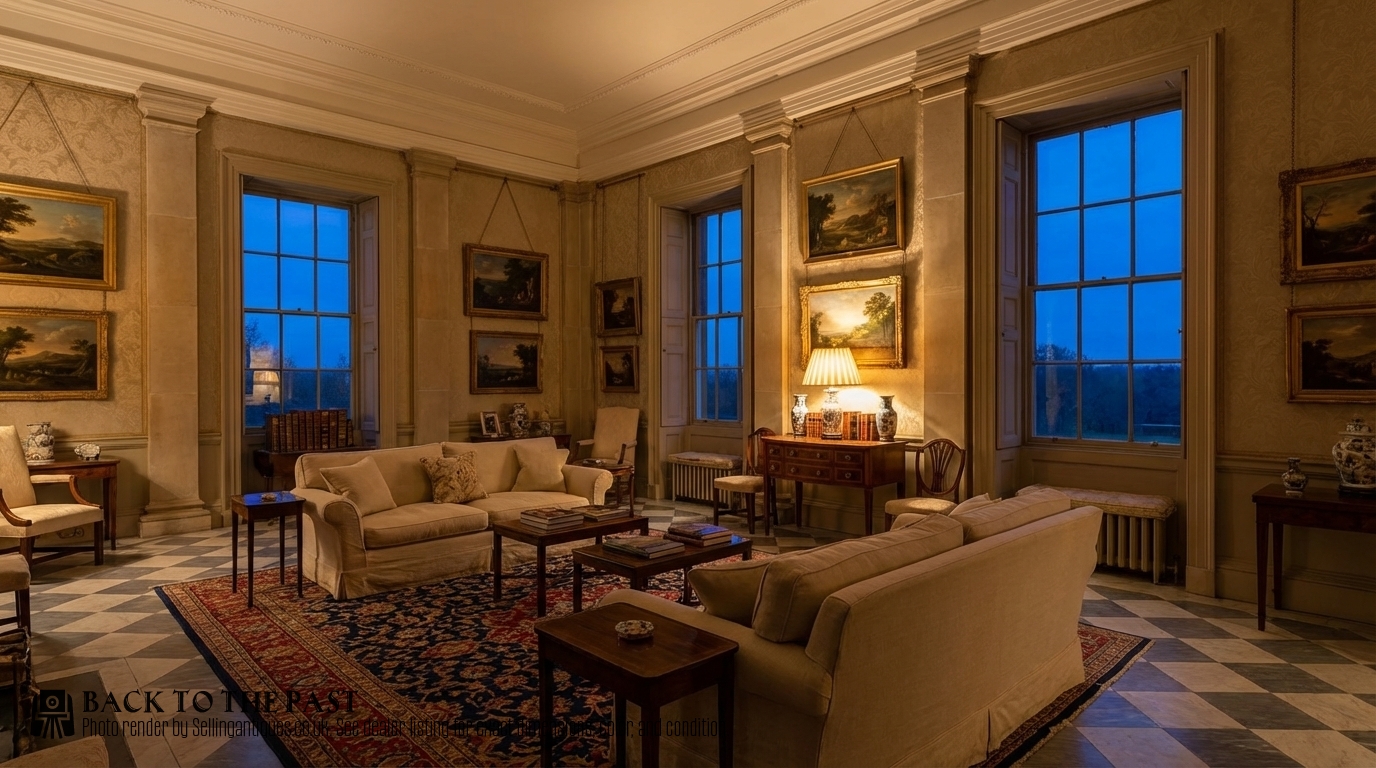
Identifying a brown mahogany dressing table
A brown mahogany dressing table spans periods from the mid-eighteenth century to the Edwardian era, encompassing diverse forms such as kneehole desks, side tables, and washstands. These pieces serve functional roles in bedrooms and dressing rooms while displaying rich timber figures.
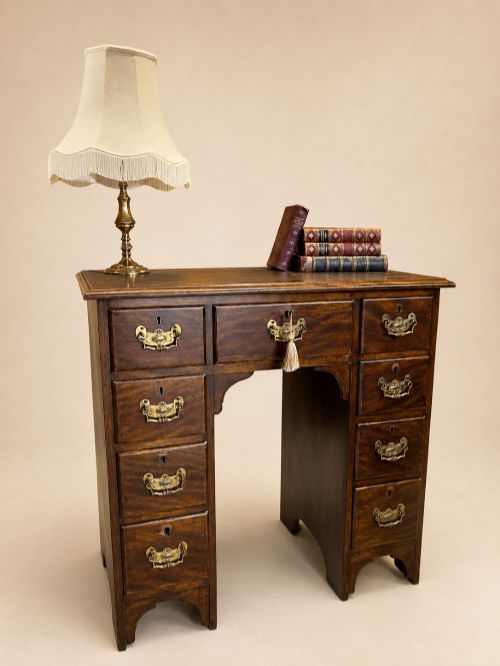
The version most likely to appear on this page combines a mahogany primary wood with period appropriate structural framing, often taking the shape of a kneehole desk or a side table adapted for surface use.
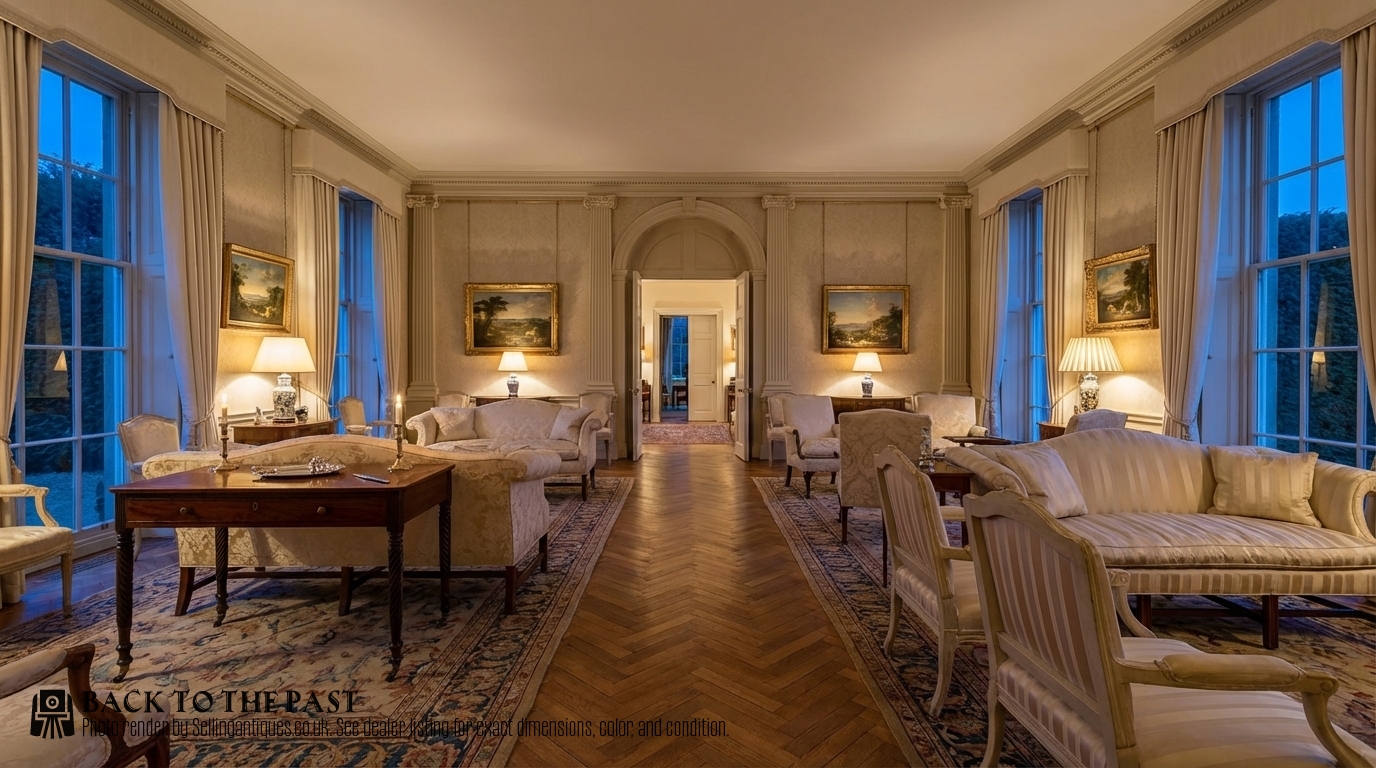
Construction and materials
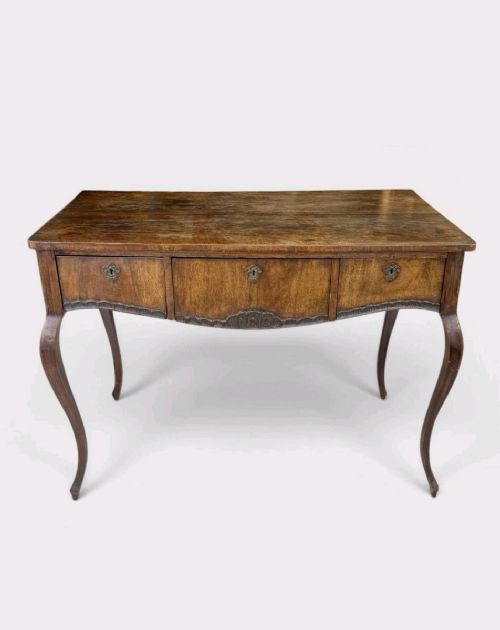
Makers utilised solid mahogany and mahogany veneers over secondary timbers, shaping the wood to create flat surfaces and curved profiles like the serpentine front. Brass hardware provides functional pulls and key escutcheons.
Decorative detailing incorporates contrasting elements such as boxwood inlay and satinwood banding, reflecting specific stylistic revivals and cabinet-making traditions of the eighteenth and nineteenth centuries.
Retail Price Guide 2026
Typical UK retail prices for brown mahogany dressing table, calculated from the Sellingantiques database of over a million retail prices indexed since 2003. This retail price guide relies exclusively on Sellingantiques data; no external sources or auction records are used, so the figures do not describe the wider market.
Object forms catalogued under this category include side tables, sideboards, washstands, kneehole desks, and writing tables.
Assessing cabinet work and design
Superior examples demonstrate meticulous timber selection, ensuring the mahogany grain flows coherently across drawer fronts and tops, alongside precise joinery in the drawer linings and carcase construction. Lesser pieces rely on simpler construction methods and less figured timber stock.
The sophistication of decorative elements also distinguishes tiers of quality, where hand-cut boxwood inlay and well-proportioned serpentine or bowfront shapes elevate the piece beyond standard utilitarian furniture.
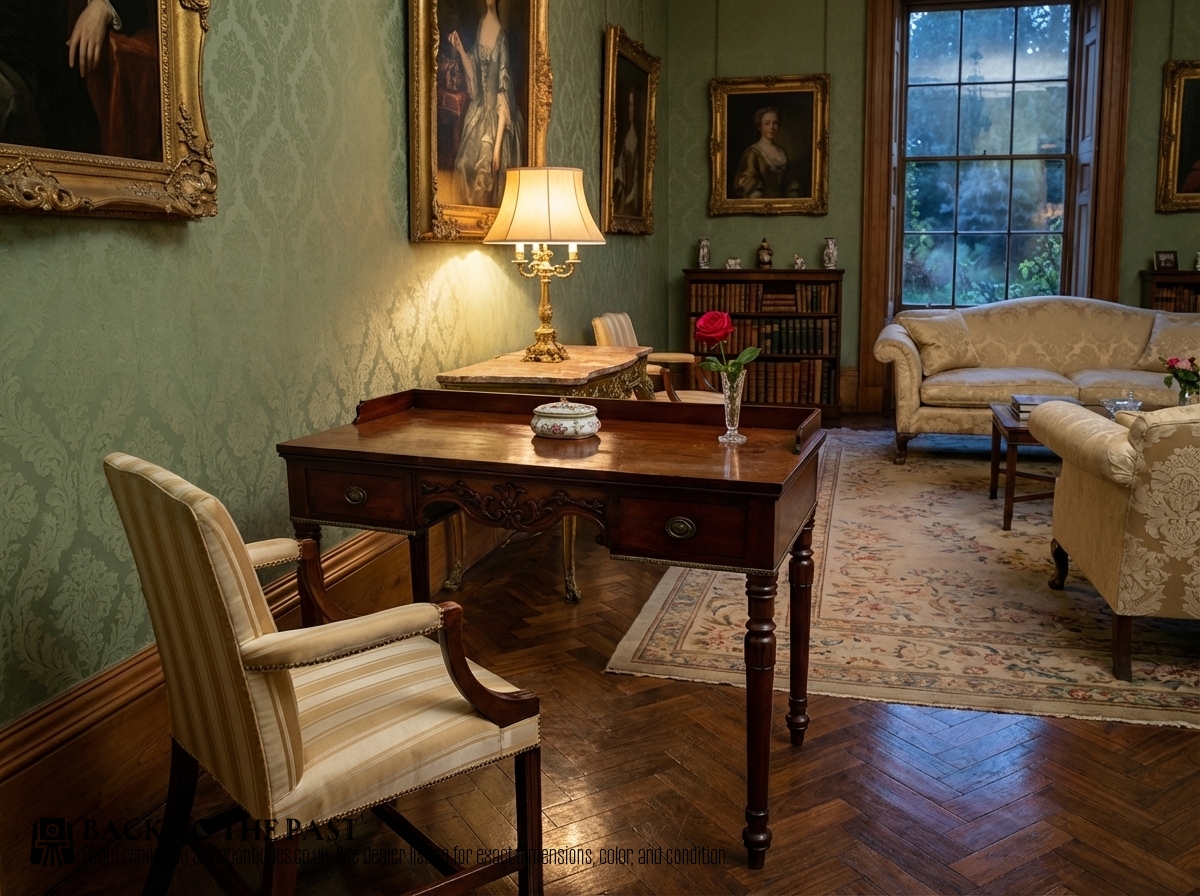
The Brown Mahogany Dressing Table Glossary
- Mahogany
- A durable tropical hardwood prized for its rich reddish-brown colour and stable grain. It forms the primary structural and visual surface for these tables.
- Serpentine
- A gently undulating front curve featuring a convex centre flanked by concave sides. This shape requires advanced woodworking skill to execute properly.
- Kneehole
- A recessed central void beneath a desk or dressing table designed to accommodate the user's legs. Flanked by banks of small drawers, it defines a specific compact form.
- Boxwood Inlay
- Contrasting pale wood inserted into recesses on the mahogany surface to create geometric or floral borders. It adds crisp linear detail to Edwardian and Georgian pieces.
Frequently Asked Questions
How do I date a mahogany table?
Dating relies on observing structural characteristics, timber selection, and decorative styles associated with periods like the Georgian or Edwardian eras.
Cabinet-making techniques and secondary woods inside the drawers provide further physical clues to the approximate decade of manufacture.
Were these tables used for cosmetics?
Many examples functioned as spaces for personal grooming, holding basins, mirrors, and various toiletries before fitted modern bathrooms became common.
Their surface layouts and internal compartments accommodate the storage of small personal items.
How do I maintain the wood surface?
Maintaining mahogany involves regular dusting with a soft, dry cloth and avoiding direct exposure to strong sunlight or excessive heat.
Applying occasional appropriate wax polish helps preserve the natural sheen of the timber without building up heavy residues.
What is the difference between George II and Edwardian styles?
George II pieces typically exhibit robust proportions and carved details reflecting mid-eighteenth-century English design traditions.
Edwardian interpretations often draw on earlier Sheraton revivals, incorporating lighter frames and delicate contrasting inlays.