
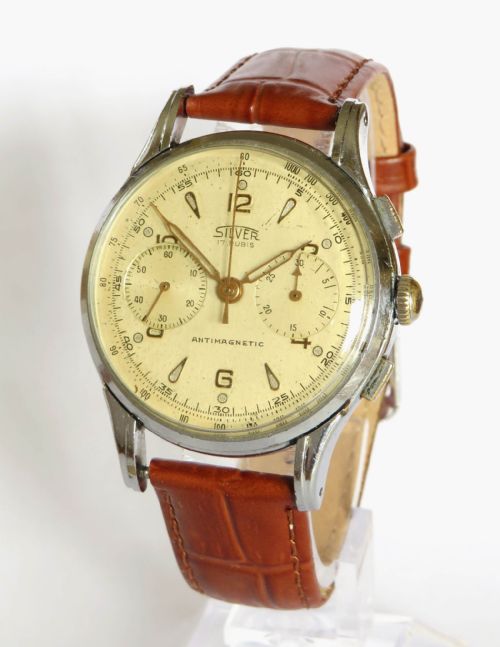
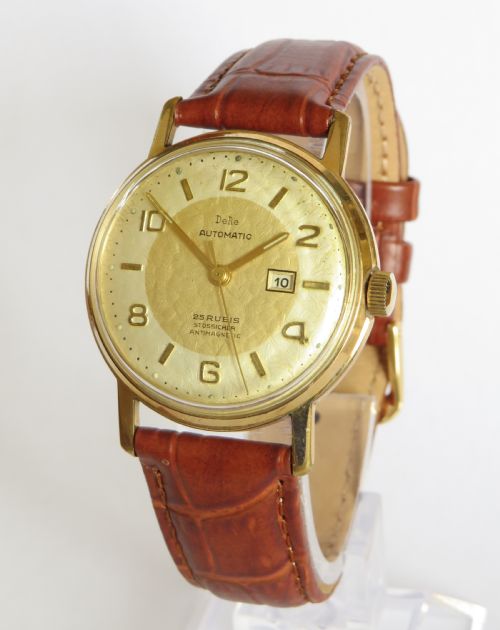
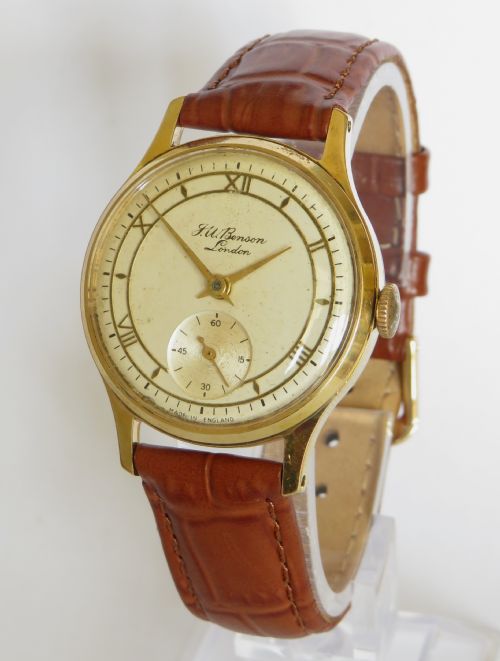
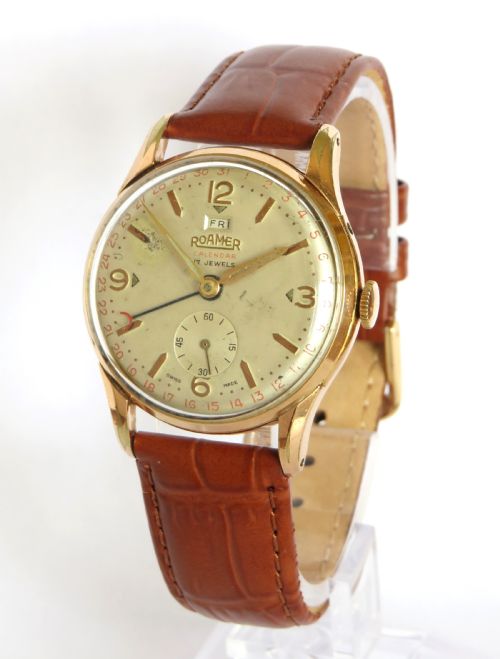
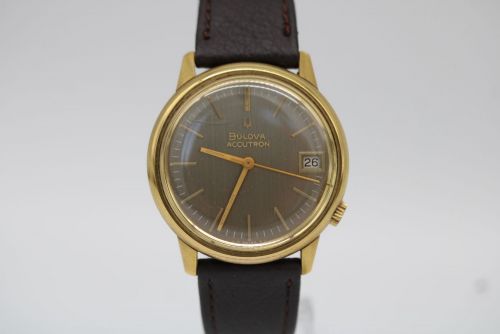
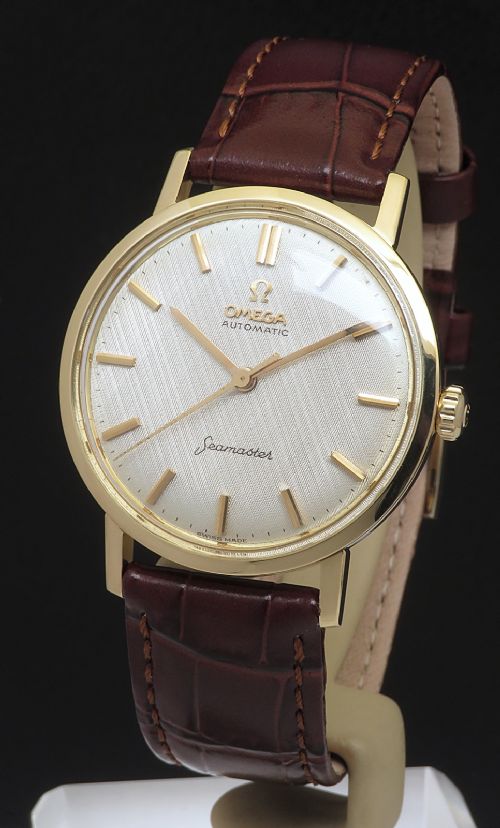
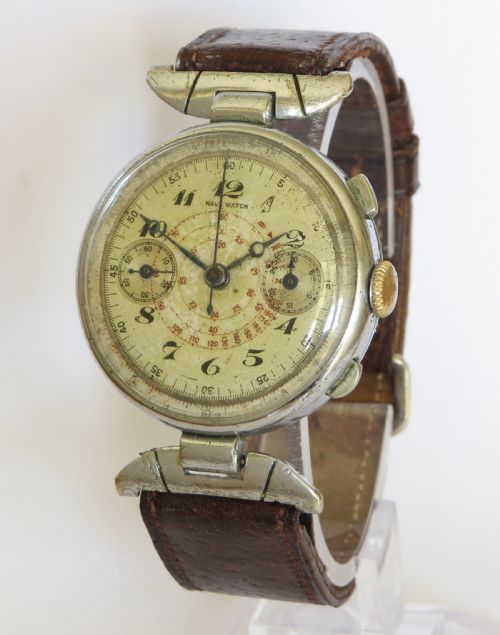
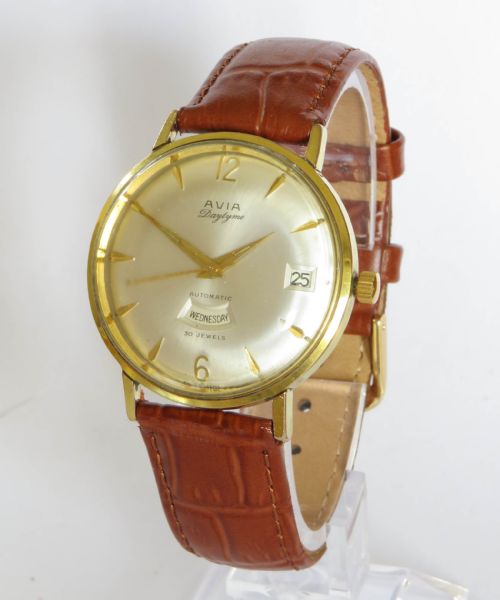

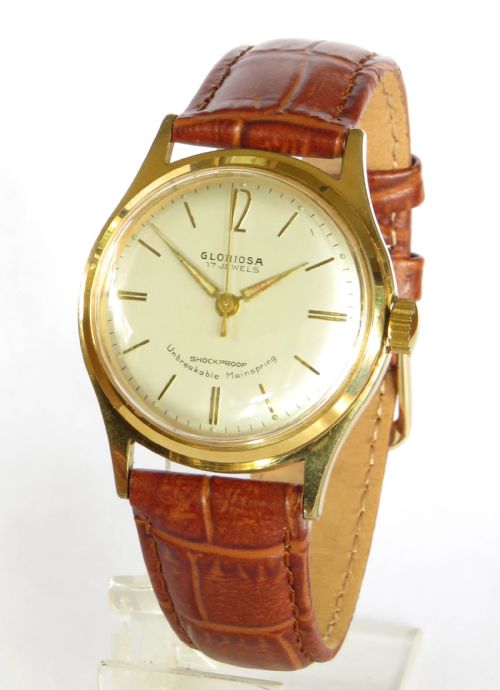
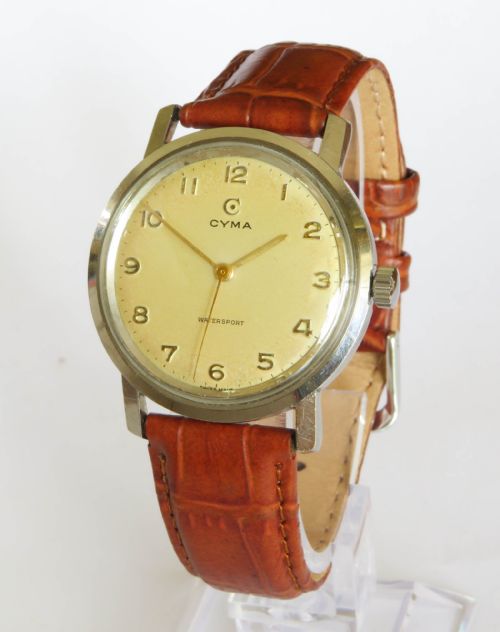
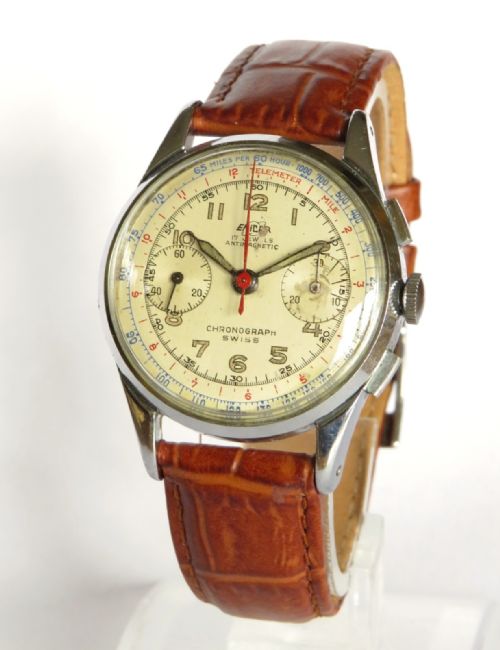
Brown Leather Wrist Watch
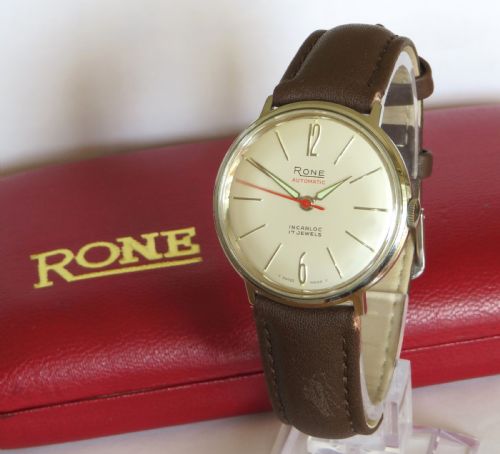
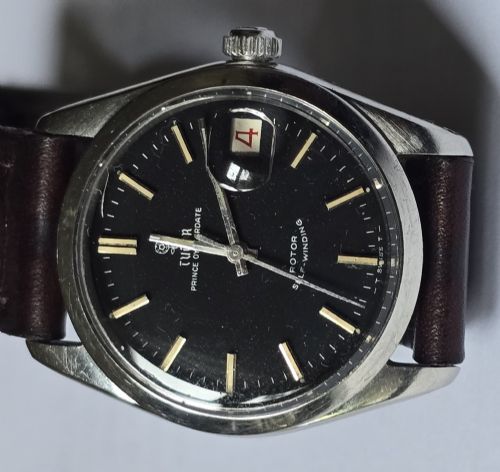
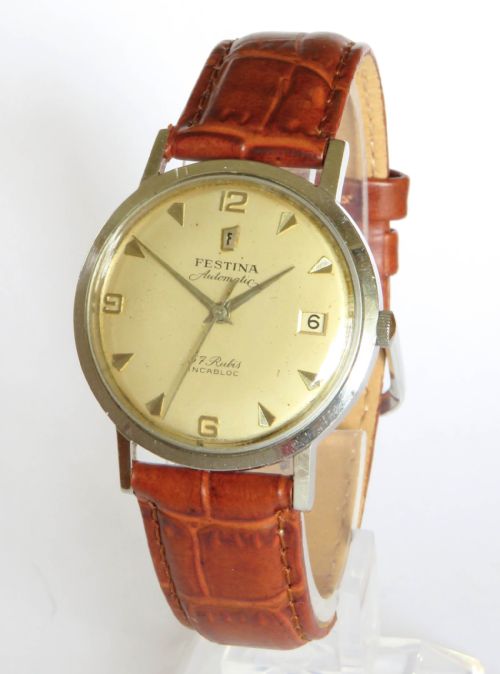
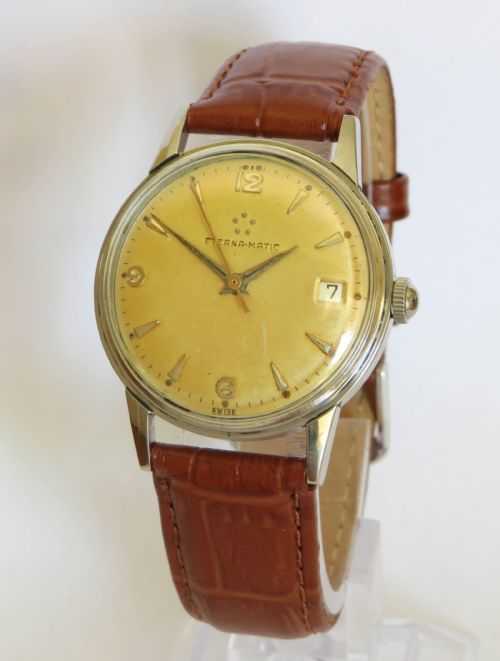
A brown leather wrist watch brings mid-century character to the wrist, offering reliable mechanical timekeeping paired with classic hide straps.
Understanding the Pieces
A brown leather wrist watch is a gents timepiece typically dating from the 1940s, 1950s, or 1960s. These items showcase the mid-century modern aesthetic through clean dial layouts and dependable movements.
The versions most likely to be met on this page are gents wristwatches featuring stainless steel or gold plate cases. Many of these examples incorporate automatic movements alongside their leather straps.
Materials and Construction
Cases are forged from stainless steel or fashioned with gold plate, housing precision mechanical movements beneath glass or acrylic crystals. The primary material for the strap is leather, secured around the wrist for daily wear.
Makers utilised durable metallic alloys for the internal gears and exterior chassis, ensuring the structural integrity of each watch through decades of use.
Retail Price Guide 2026
Typical UK retail prices for brown leather wrist watch, calculated from the Sellingantiques database of over a million retail prices indexed since 2003. This retail price guide relies exclusively on Sellingantiques data; no external sources or auction records are used, so the figures do not describe the wider market.
Materials represented include stainless steel, gold plate, leather, glass, and acrylic.
Assessing Quality
Quality rests in the precision of the movement and the integrity of the case metal, distinguishing robust automatic calibres from standard designs. The finish of the dial and the preservation of the original casing material elevate finer examples.
The connection between the watch head and the leather strap forms another indicator of standard, where well-integrated lugs and clean dial typography separate superior mid-century pieces from ordinary alternatives.
Rone·Festina·Eterna Matic·Bulova·Marvin·Enicar·Garrard
The Brown Leather Wrist Watch Glossary
- Automatic
- A self-winding mechanical movement that uses the natural motion of the wearer's wrist to power the mainspring. This technology became widespread in mid-century watchmaking.
- Gold plate
- A layer of gold applied to a base metal core such as steel or brass. It offered the appearance of solid gold at a more accessible point in period manufacturing.
- Acrylic
- A lightweight, transparent plastic used for watch crystals during the mid-century period. It can be easily polished to remove minor surface scratches.
- Stainless steel
- A corrosion-resistant alloy utilised for watch cases to ensure durability. This material maintains its finish through regular daily use.
- Jumbo
- A collector term for wristwatches with larger-than-average case diameters for their era. These pieces command particular attention among vintage enthusiasts.
Frequently Asked Questions
How do I wind an automatic watch?
Automatic watches wind themselves through the movement of your arm during daily wear. You can also give the crown a few manual turns to start the movement if the watch has stopped.
Ensure you do not overwind the mechanism, as these vintage calibres operate best with moderate, consistent motion.
Are these watches waterproof?
Vintage wristwatches from the 1940s to 1960s were not manufactured to modern water resistance standards. It is best to keep them away from water, rain, and moisture to protect the internal movement.
Condensation can easily form beneath the glass or acrylic crystal, potentially damaging the dial and steel components.
How do I date a mid-century watch?
Dating involves examining the movement serial numbers inside the case and studying the design characteristics of the dial and hands. Stylistic cues from the 1940s, 1950s, and 1960s help narrow down the production era.
Consulting maker records provides the most accurate manufacturing date for specific mechanical pieces.
Can I replace the leather strap?
Replacing the strap is a straightforward process that allows you to change the look of your watch while preserving the original case. Standard leather straps attach via spring bars fitted between the lugs.
Ensure you select a strap width that matches the lug spacing of your specific stainless steel or gold plate watch model.