
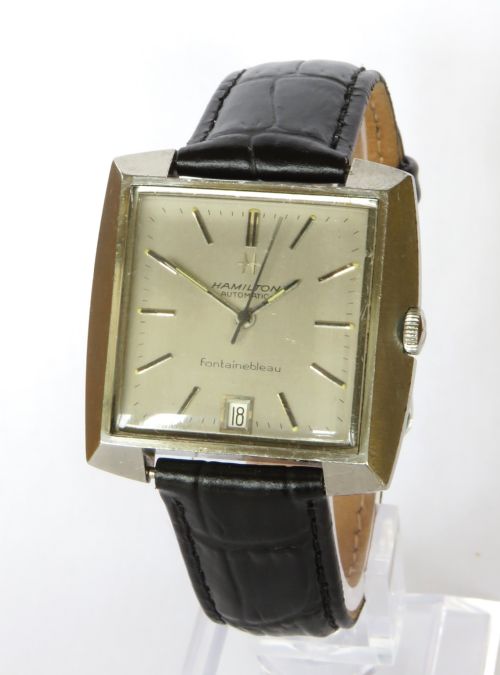
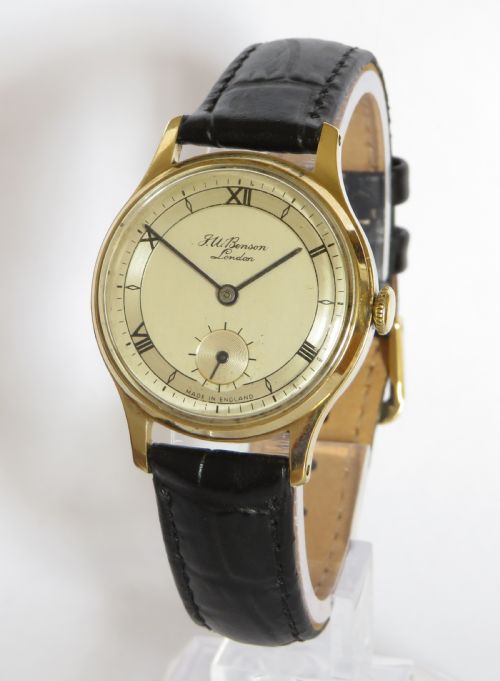
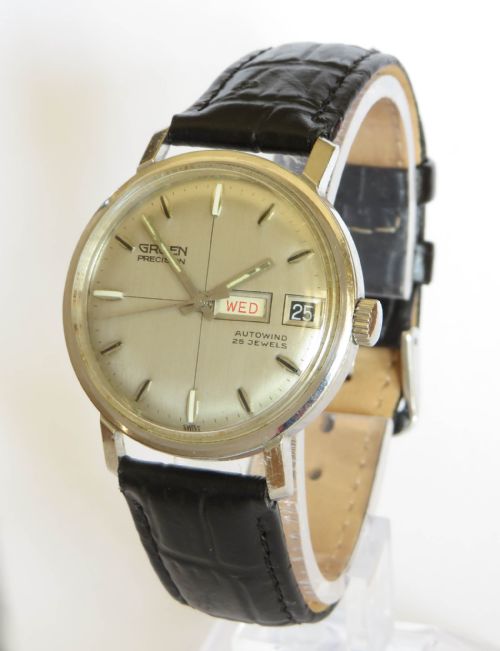
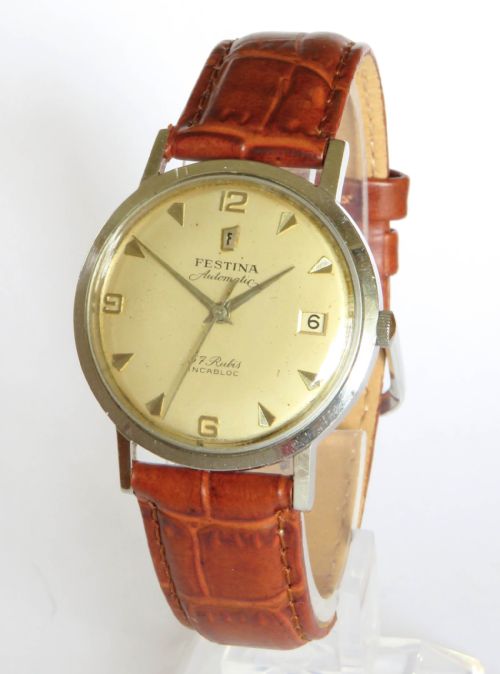
Retro Mechanical Watch
A retro mechanical watch brings mid-century horology to the wrist, offering dependable gear trains and traditional escapements from decades past.
Retro Mechanical Watch
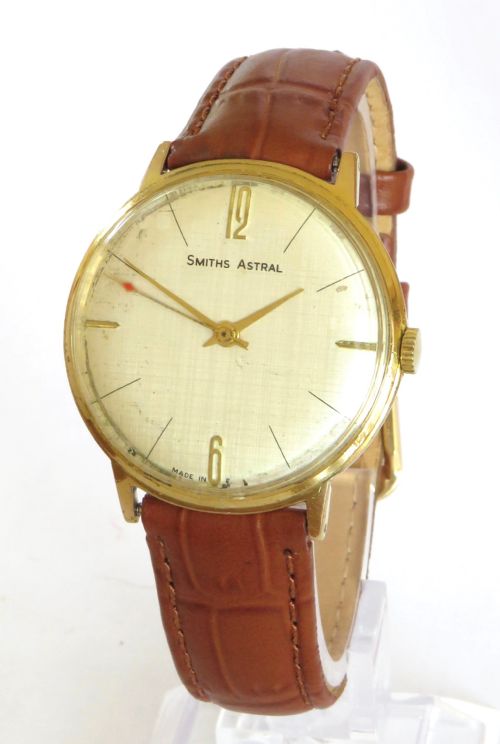
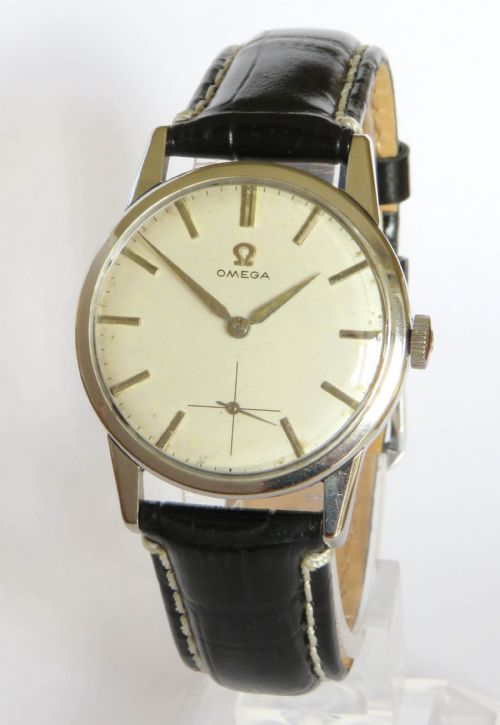
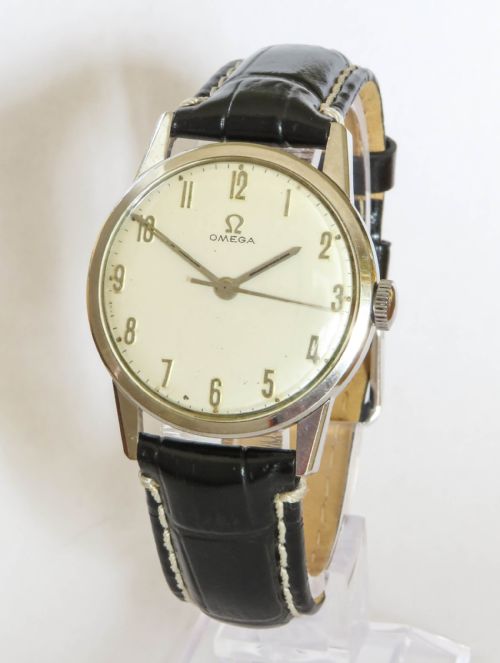
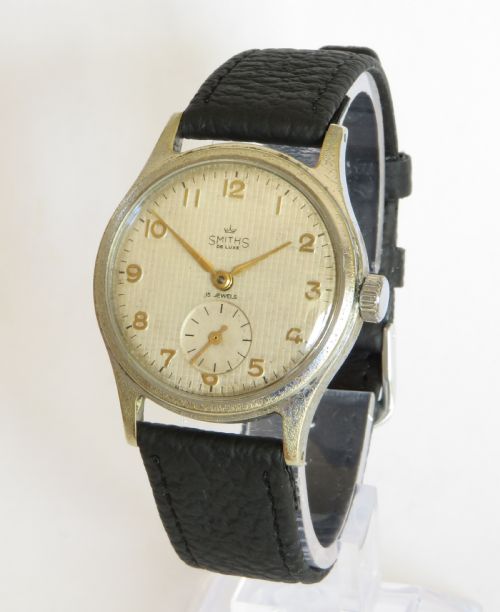
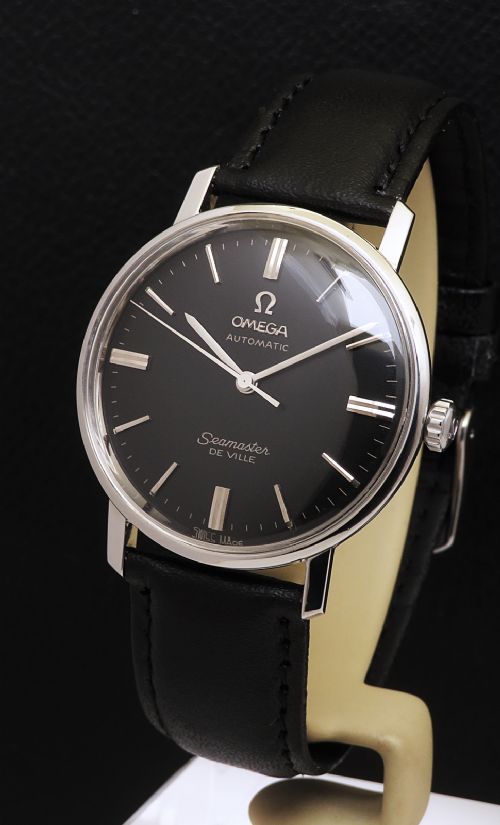
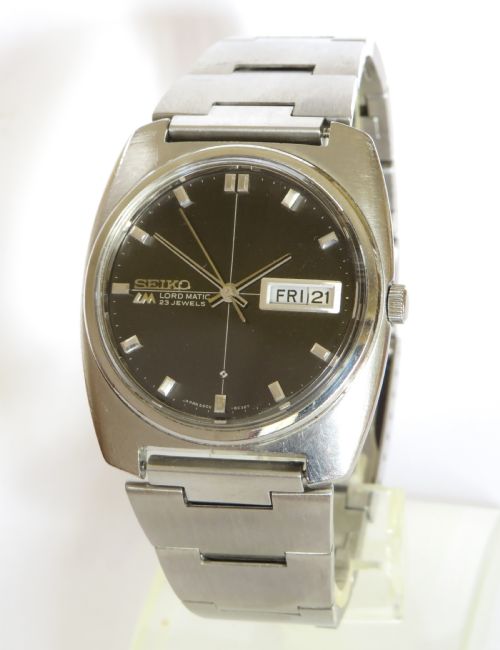
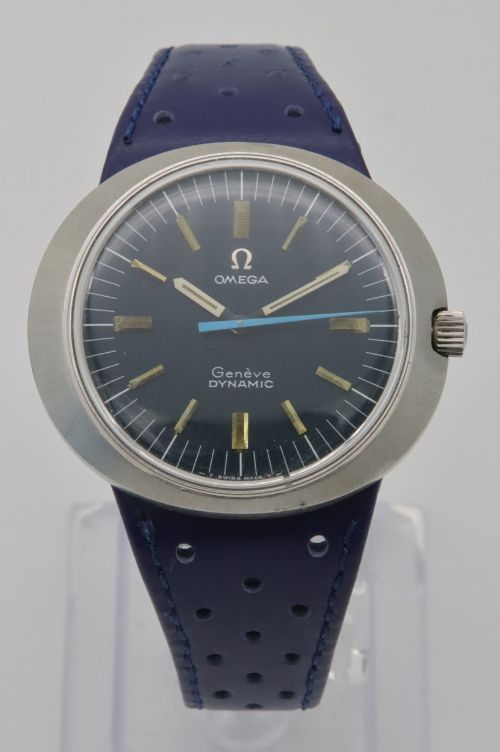
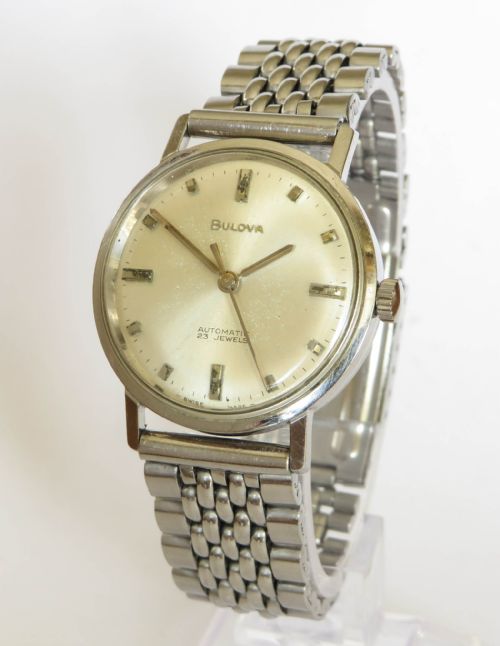
A retro mechanical watch comprises wristwatches and pocket watches spanning the 1920s to the 1970s, drawing on periods such as Art Deco and Mid-Century Modern.
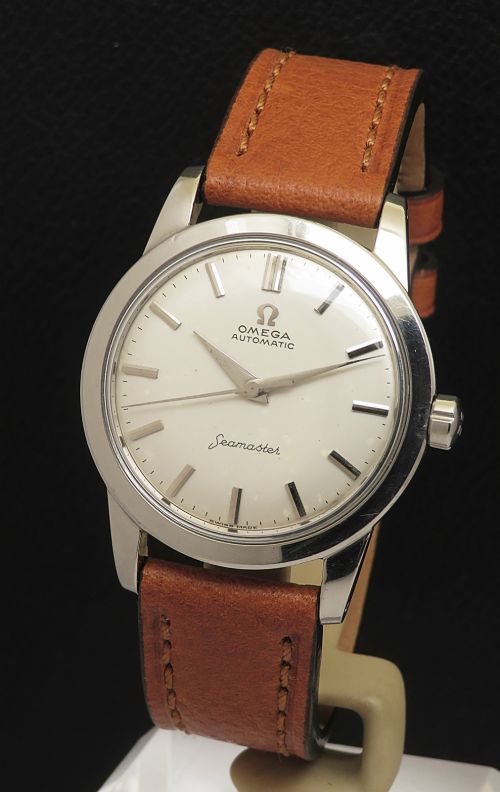
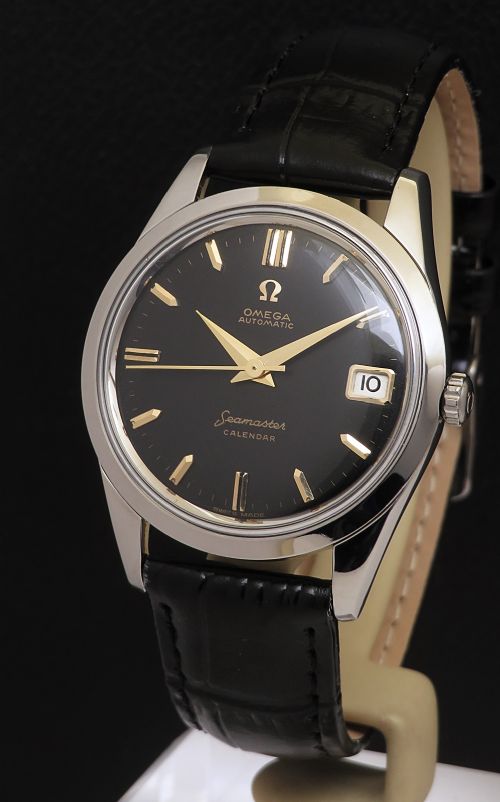
The selections here range from robust steel tool watches to refined gold-plated dress pieces powered by manual wind or automatic movements.
Buyers will encounter established Swiss makers alongside British and international firms, spanning decades of functional design.
How they were made
Cases are shaped from stainless steel, chrome, gold plate, or solid 9ct gold, paired with protective glass or acrylic crystals.
Dials frequently feature enamel finishes and applied markers, while straps are fashioned from durable leather.
Movements rely on intricate brass gear trains, jewels, and metallic springs assembled by skilled horologists.
Early automatic movements give a gentle bump against the wrist, reminding you there is a swinging weight inside.
What varies in quality
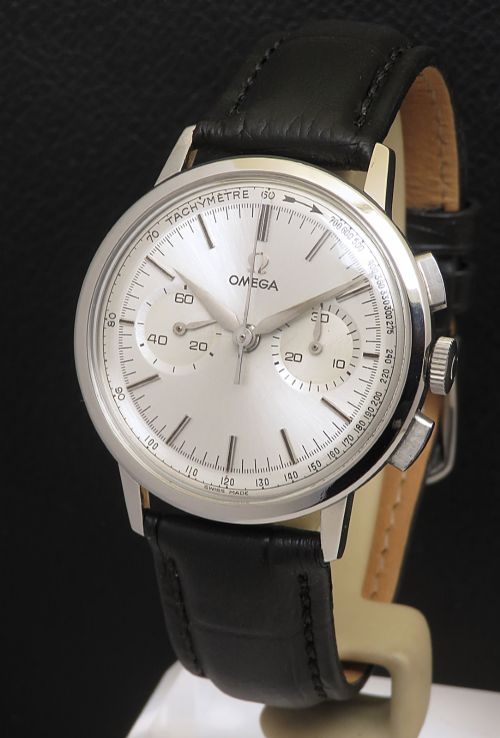
The grade of a piece rests on the sophistication of its movement, from simple manual calibres to complex chronographs and chronometer-grade automatic mechanisms.
Material choice elevates a piece, shifting standard chrome and steel housings towards solid 9ct gold cases.
Originality of components, including signed dials, matching crowns, and factory presentation boxes, distinguishes exceptional survivals.
Omega·Tudor·Hamilton·Seiko·Bulova·Smiths·Tissot·Cyma·Gruen·Eterna
The Retro Mechanical Watch Glossary
- Calibre
- The specific internal movement designation given by a watch manufacturer. It identifies the exact mechanical design housed within the case.
- Automatic
- A self-winding mechanical movement that uses a weighted rotor to tension the mainspring using the natural motion of the wearer's wrist.
- Chronograph
- A mechanical watch equipped with a secondary stopwatch function operated by independent pushers on the case. It allows precise measurement of elapsed time alongside standard timekeeping.
- Bumper
- An early form of automatic winding movement where the rotor swings back and forth against internal springs rather than rotating fully. This produces a distinct physical tap felt on the wrist during wear.
- Oysterdate
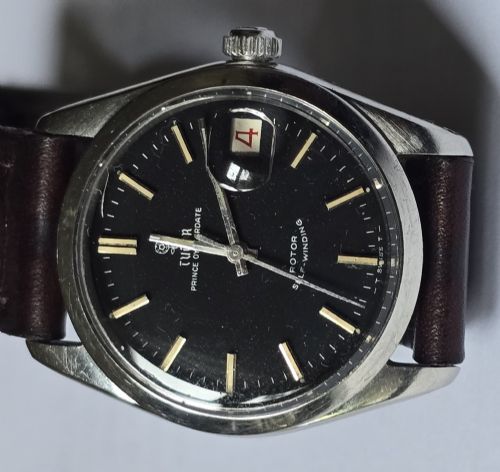
- A waterproof case design paired with a calendar complication showing the date through a dial aperture. It became a staple of mid-century utilitarian watchmaking.
Retro Mechanical Watch: Frequently Asked Questions
How do I wind a manual mechanical watch?
Gently rotate the crown clockwise between your thumb and forefinger until you feel increasing resistance. Stop turning immediately once tension builds to avoid damaging the mainspring.
Most vintage pieces require winding once a day, ideally at the same time each morning. Pulling the crown out to distinct positions then allows you to set the hands or adjust the calendar where fitted.
Are these watches waterproof?
Vintage mechanical timepieces should generally be kept away from water entirely. Original rubber seals, gaskets, and crown linings degrade significantly over the decades.
Even models carrying historical waterproof or Seamaster designations lack modern pressure resistance. Splashes, rain, and humidity pose risks to unserviced vintage movements and delicate dials.
How accurate are vintage mechanical watches?
A well-serviced mechanical watch from the mid-century typically gains or loses a small number of seconds each day. They cannot match the precision of modern quartz technology.
Variations occur due to temperature changes, positional wear, and the natural ageing of internal oils. Regular professional servicing helps maintain the tightest possible timekeeping tolerances.
Can I wear a vintage watch every day?
These pieces suit daily wear provided you respect their mechanical nature. Avoid wearing them during high-impact activities, manual labour, or contact sports.
Hand-wound movements require a daily ritual of winding, while automatic models rely on wrist motion to stay charged. Keeping them away from strong magnetic fields preserves their timing regulation.