


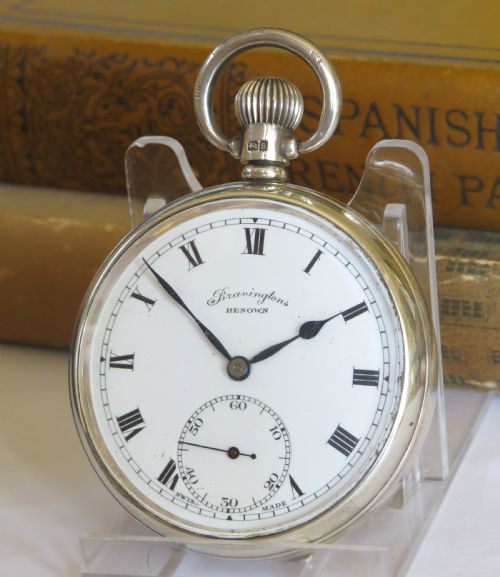

1940s Mechanical Watch
A 1940s mechanical watch is a hand-wound or automatic timepiece of practical utility and enduring horological design.
1940s Mechanical Watch
A 1940s mechanical watch encompasses both wristwatches and pocket watches driven by traditional springs and gears rather than electronic quartz movements. These timepieces stem primarily from the 1940 period, with occasional overlapping designs spanning into the 1930s and 1950s.
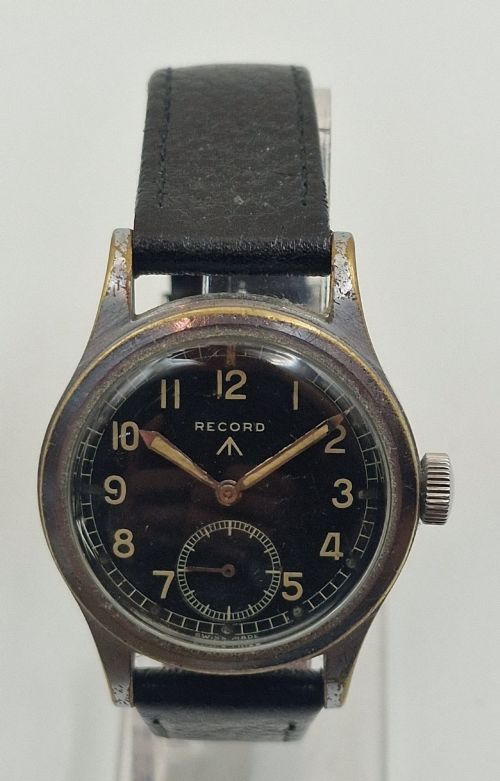
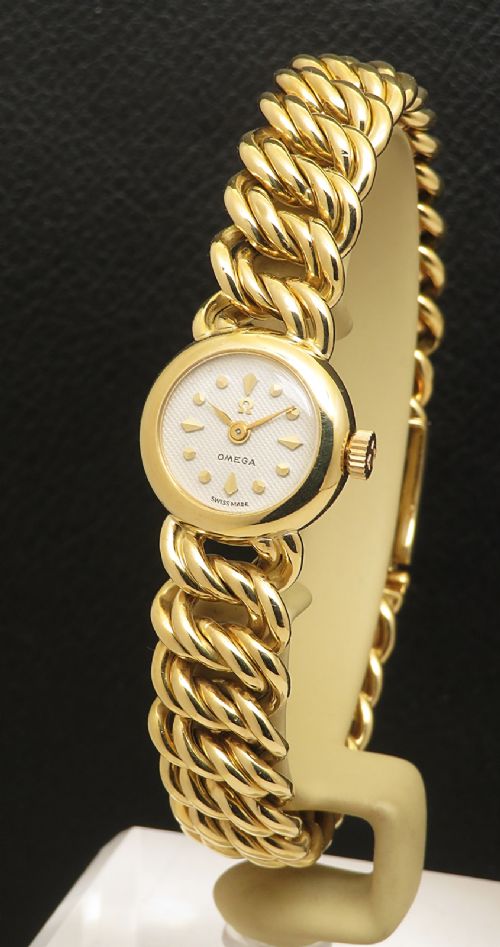
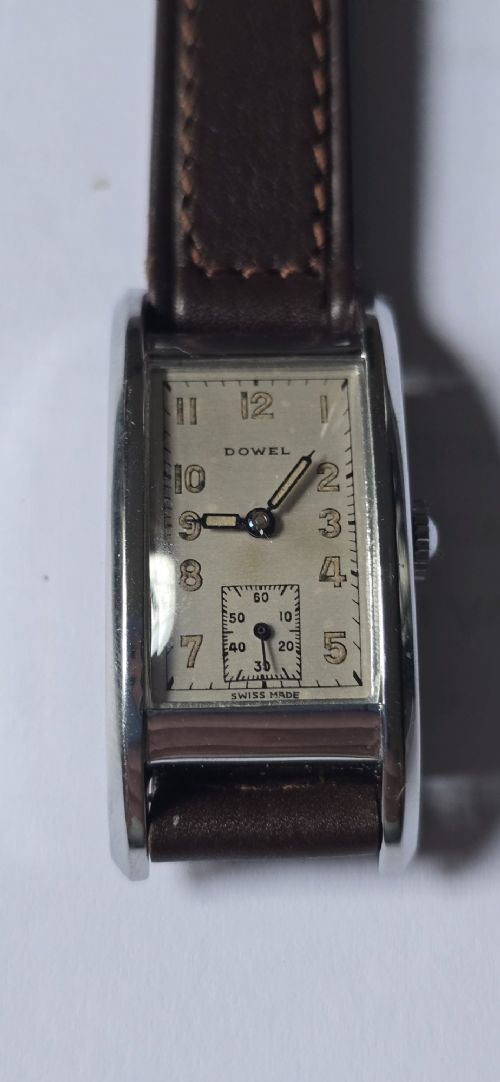
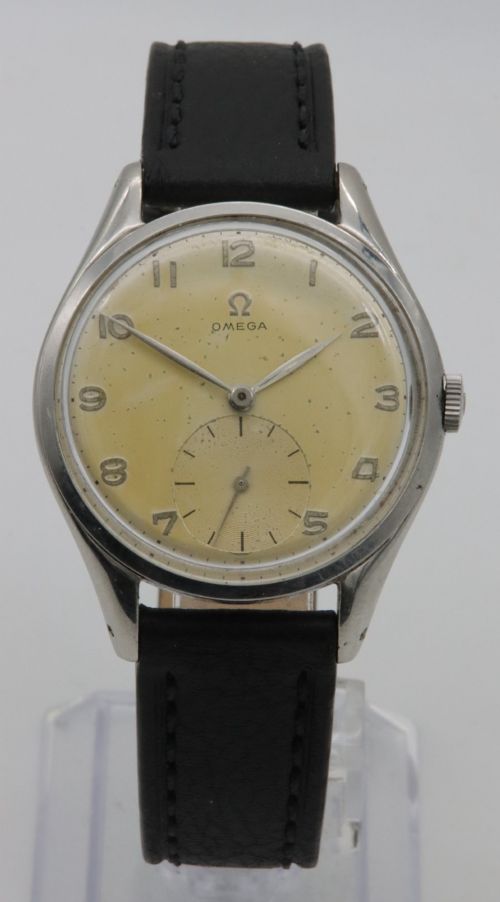
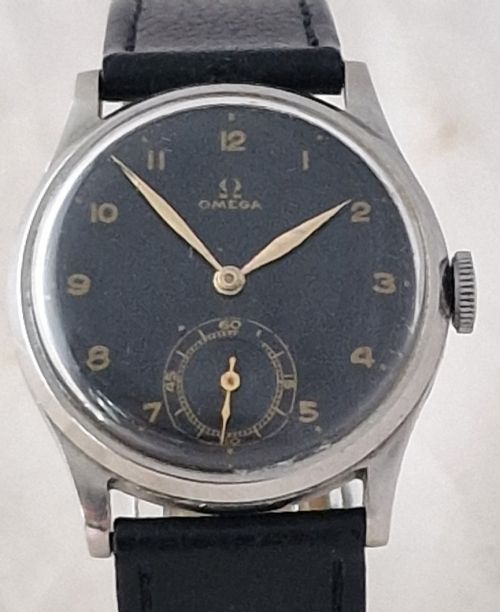
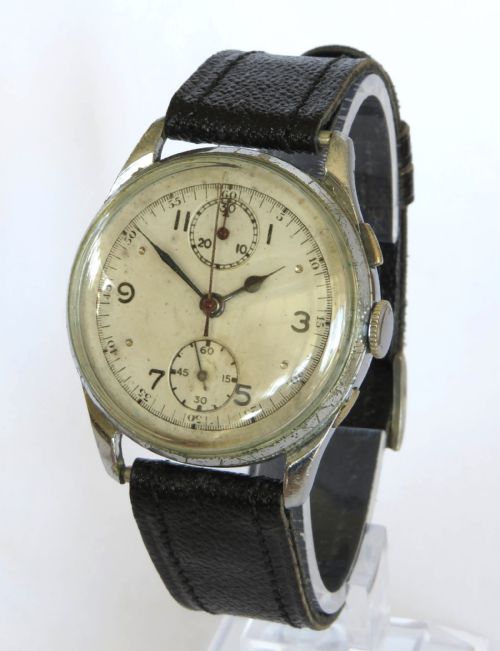
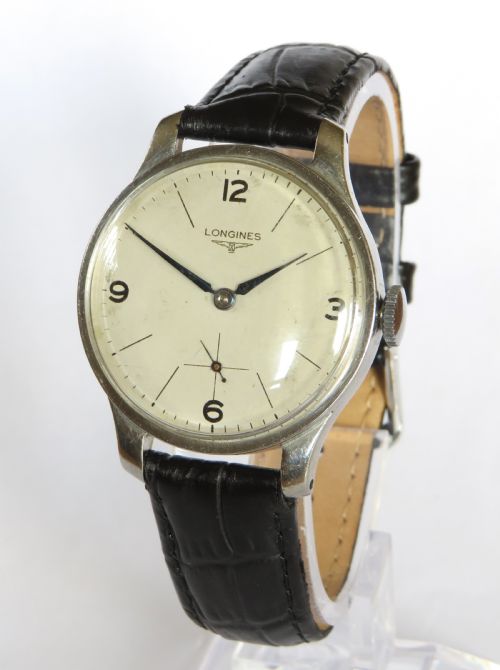
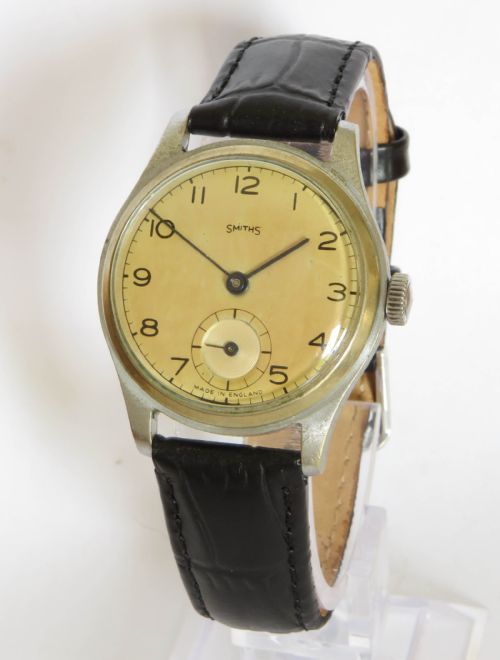
The wristwatches on this page appear in various forms, including military issue pieces, triple-date chronographs, and sleek dress designs. Buyers frequently encounter steel, gold plate, and solid gold cases paired with leather straps.
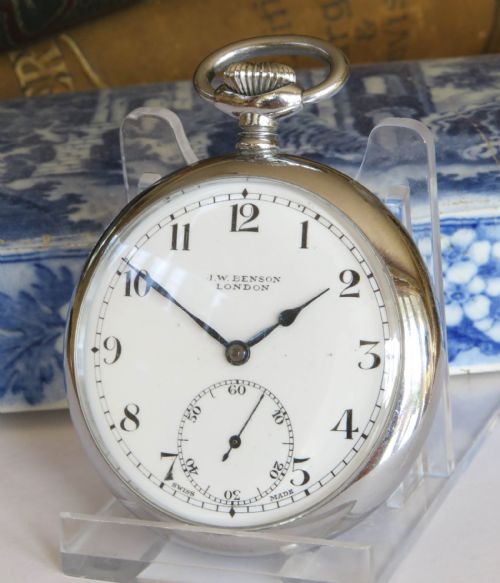
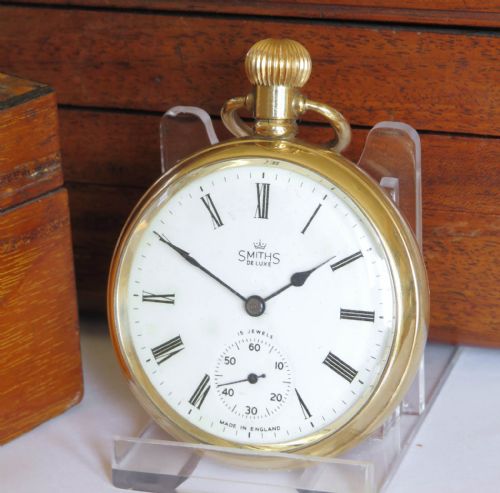
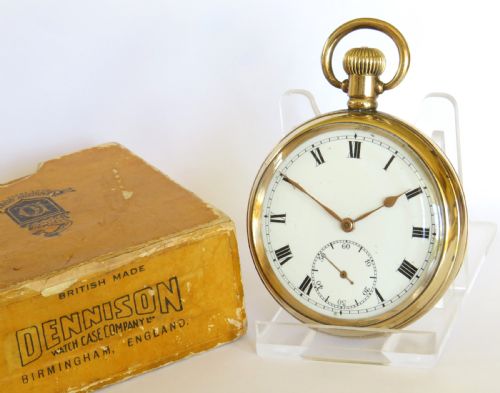
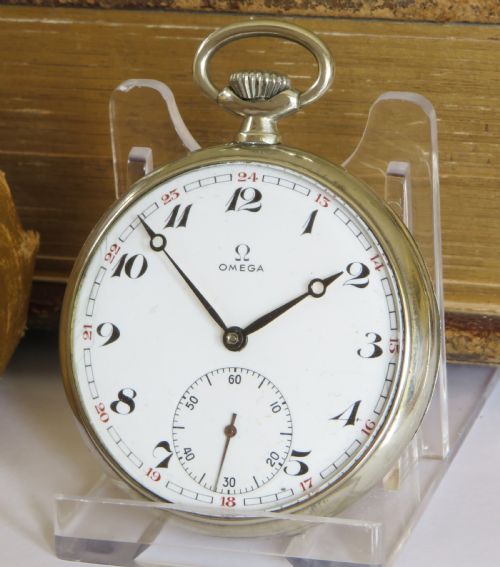
Pocket watches also feature prominently, often preserved alongside their original boxes. These range from standard civilian timepieces to specialised military and naval issue chronographs.
How they were made
Cases combine metals such as stainless steel, brass, chrome, and gold plate, alongside solid gold variations. Dials are protected by glass or acrylic crystals, often framing intricate enamel details.
Movements rely entirely on mechanical components requiring manual winding or automatic rotor systems, such as bumper movements. Straps predominantly utilise leather to secure the watch to the wrist.
Listings feature Art Deco and Mid-Century styles, spanning the 1930, 1940, and 1950 periods across steel, gold, and leather materials.
What varies in quality
Quality rests heavily on the sophistication of the movement and the integrity of the materials. Solid gold cases and complex chronograph complications stand apart from standard chrome-plated models and basic three-hand movements.
The preservation of original dials and case finishes dictates distinction among surviving pieces. Original military issue provenance and documented service histories further elevate specific watches within the range.
Omega·Smiths·Revue·Bravingtons·Longines·Roamer·Helvetia·Marvin·Enicar·Sperina·Ebel·Cyma·Ebana·Benrus·Aristo·Le Coultre·Mundus·Elgin·Bulova·Tudor·Breitling
The 1940s Mechanical Watch Glossary
- Mechanical watch
- A timepiece powered by a mainspring and gear train rather than a battery. These watches require manual winding or movement of the wrist to operate.
- Chronograph
- A watch equipped with a stopwatch function alongside standard timekeeping. This complication often includes additional sub-dials on the face.
- Bumper movement
- An early form of automatic mechanical movement where the oscillating weight swings back and forth against springs rather than rotating fully. It creates a distinctive physical sensation on the wrist.
- Military issue
- Equipment commissioned and marked by armed forces for official service. These pieces typically feature specific serial numbers and government broad arrow or department stamps.
- Acrylic
- A lightweight transparent plastic material utilised for watch crystals prior to the widespread adoption of synthetic sapphire.
1940s Mechanical Watch: Frequently Asked Questions
How do I wind a 1940s mechanical watch?
Turn the crown clockwise between your thumb and forefinger until you feel gentle resistance. Stop winding immediately once resistance builds to avoid damaging the mainspring.
Most manual-wind watches require this action once every twenty-four hours to maintain accurate timekeeping throughout the day.
Are these watches water resistant?
Vintage mechanical watches lack modern rubber gaskets and screw-down sealing technology. Exposure to moisture, rain, or hand washing can easily allow water inside the case and rust the movement.
Keep these timepieces completely dry and remove them before swimming or bathing.
How accurate is a 1940s mechanical watch?
Mechanical timepieces from this era generally gain or lose a small number of minutes per week. They operate on historical tolerances rather than the precision of modern quartz or atomic clocks.
Regular servicing by a professional horologist helps keep the movement running as closely to its original specification as possible.
Can I wear a vintage watch daily?
Daily wear is entirely possible provided you handle the watch with care and avoid heavy impacts. Many owners enjoy wearing them as regular accessories while taking precautions during manual labour or sports.
Ensuring the watch has been recently serviced protects the internal gears from excessive wear during everyday use.