

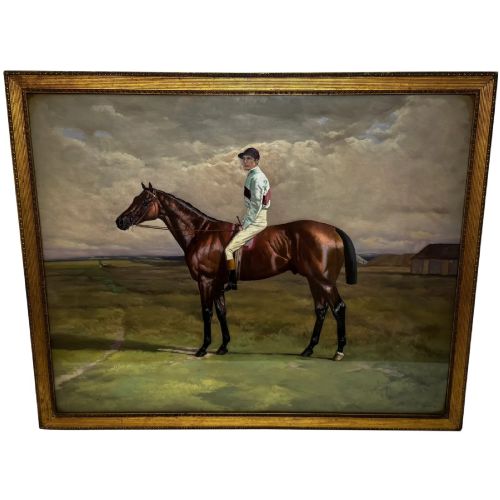
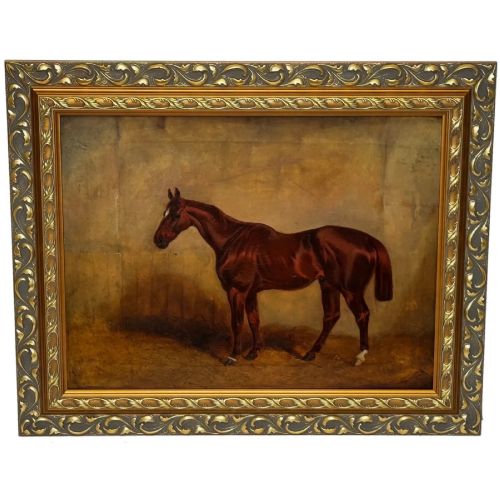
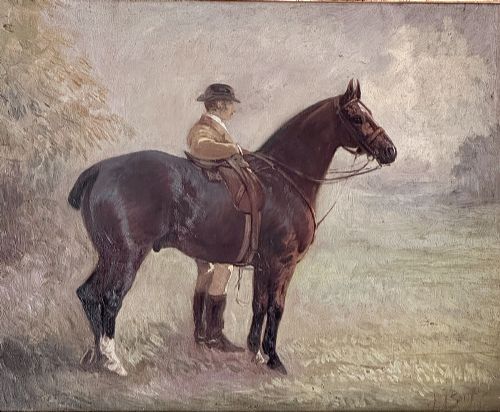
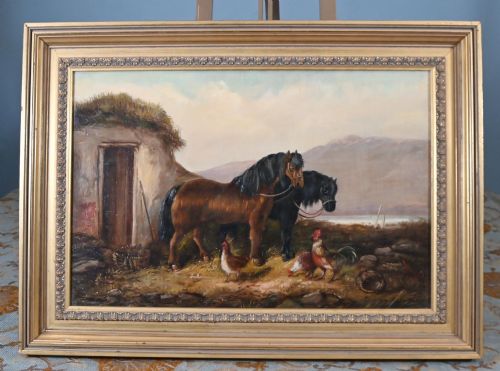
Brown Horse Painting
A brown horse painting captures the enduring appeal of equine art through portraiture and racing scenes across multiple centuries.
Brown Horse Painting
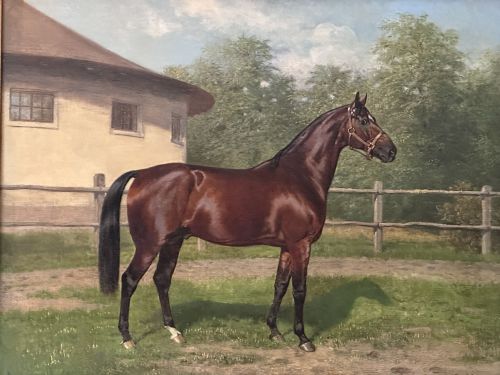
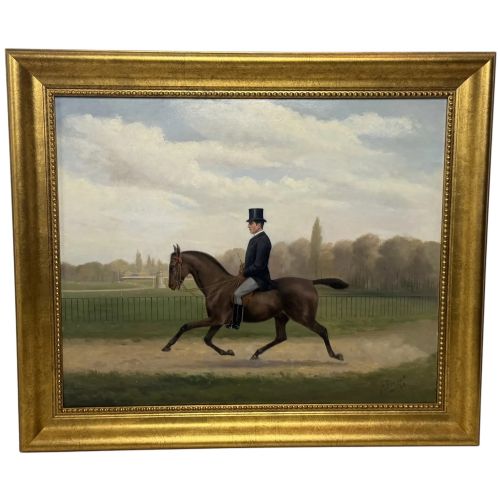
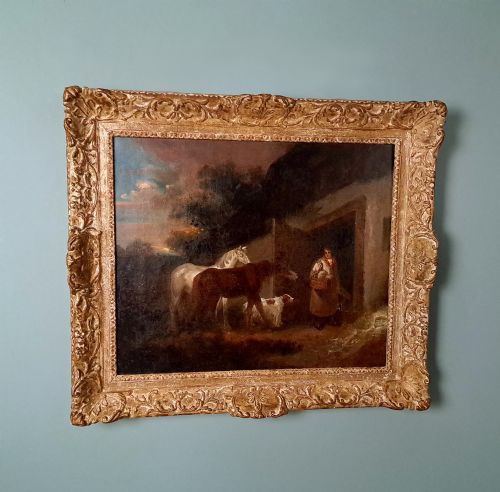
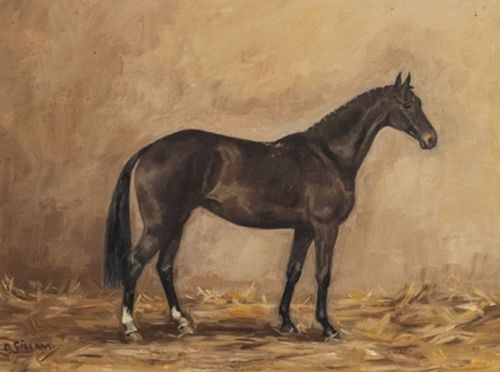
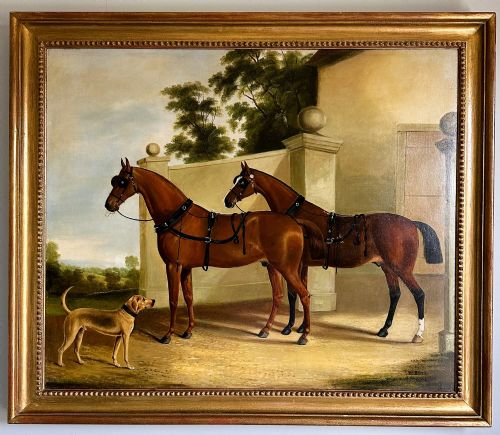
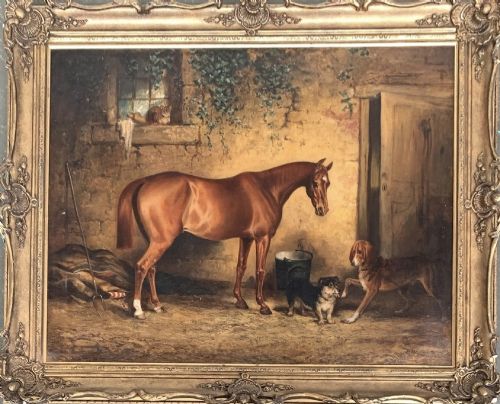
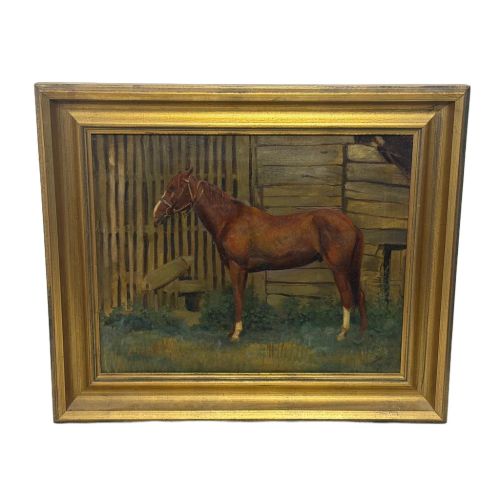
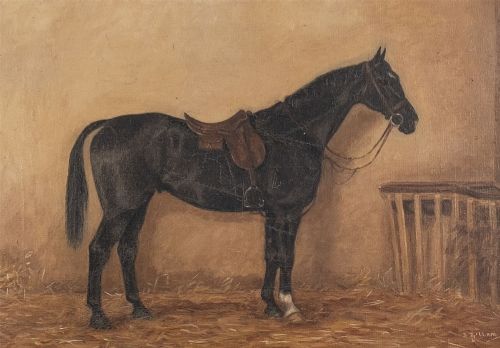
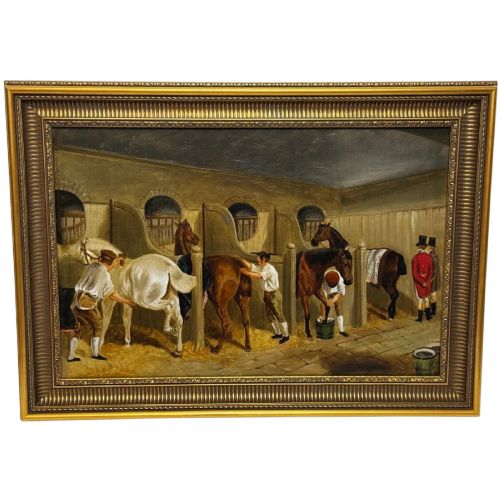
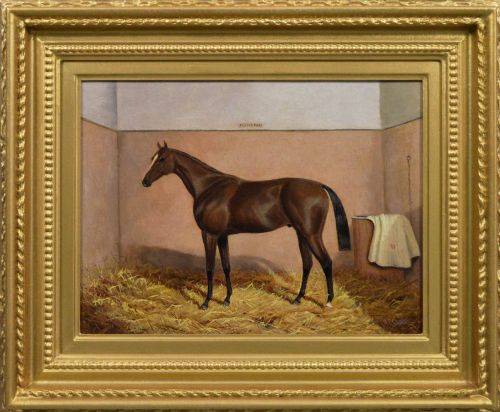
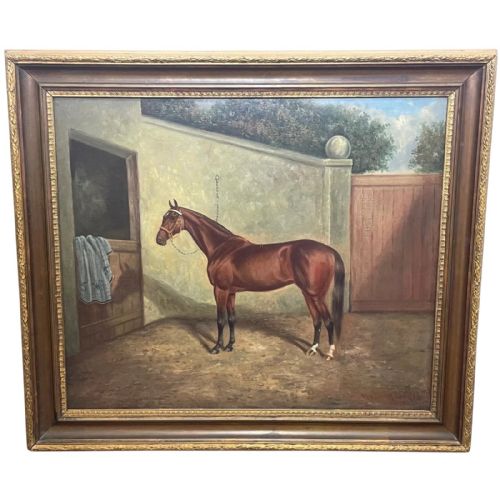
A brown horse painting encompasses equestrian artwork ranging from 19th-century oil portraits on canvas to mid-20th-century studies in watercolor and pastel. Buyers seeking a brown horse painting will find individual depictions of named racehorses, hunters, and stable scenes originating from British and European schools.
The selections span Victorian sporting art, Edwardian compositions, and regional works executed in oil paint, wood, and paper. These pieces document both prize-winning racehorses and working animals through traditional painterly techniques.
How they were made
Makers utilised oil paint applied to canvas, wood panels, or paper to achieve depth and texture in equine portrayals. Canvases frequently sit within gilt or wood frames, occasionally accompanied by glass protection for works on paper.
Techniques range from highly finished academic oils recording specific race winners to looser gouache and pastel studies capturing movement in paddocks and stables.
Brown Horse Painting Retail Price Guide 2026
Typical asking prices for brown horse painting among the pieces listed under this phrase on Sellingantiques today, from the lower quarter to the upper quarter. They describe what is for sale here now, not the wider market.
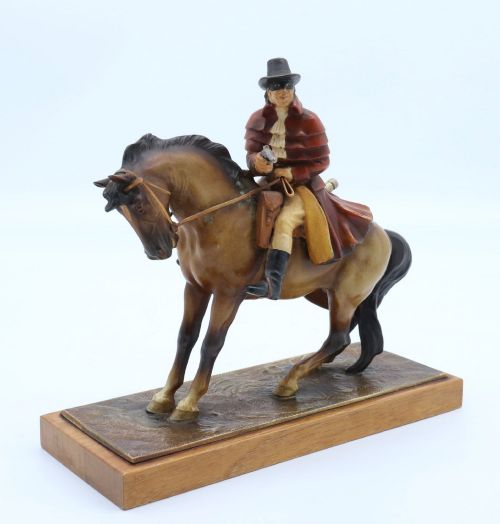
Listings feature oil on canvas, watercolor, pastel, and painted bronze spanning the nineteenth and twentieth centuries.
What varies in quality
Quality rests upon the artist's anatomical accuracy in rendering the horse's musculature, stance, and expression. Superior examples demonstrate a careful balance between the subject's physical conformation and the atmospheric detail of the stable or landscape background.
The handling of light on the coat and the integration of the animal within its setting distinguish works by accomplished sporting painters from simpler naive or decorative productions.
Henry Barraud·William Joseph Shayer Senior·Albert Clark·Frederick Albert Clark·Franz Bergman·John Alfred Wheeler·John Ferneley Senior
The Brown Horse Painting Glossary
- Canvas
- A heavy woven fabric stretched across a wooden frame to serve as a support for oil paint.
- Gilt
- A thin layer of gold leaf applied to wooden frames or decorative objects for surface ornamentation.
- Equestrian
- Pertaining to horse riding, horse racing, and the representation of horses in art.
- Sporting Art
- A genre of painting dedicated to horses, hounds, shooting, and rural field sports.
Brown Horse Painting: Frequently Asked Questions
What periods do these paintings come from?
The available works primarily span the nineteenth and twentieth centuries, with examples originating from the Victorian and Edwardian eras. Painters of these periods documented specific animals and racing events with close attention to contemporary breeding.
Earlier foundational pieces and later mid-century interpretations also appear, reflecting changing artistic approaches to animal subject matter over time.
How do I identify a named racehorse in a portrait?
Many equine paintings include inscriptions on the canvas, stretcher, or frame recording the horse's name, race victories, and birth year. Contemporary sporting artists frequently noted these details to satisfy patrons who commissioned portraits of their prize animals.
Comparing the recorded horse against historical racing records and turf archives can confirm the identity of the animal depicted.
Where were these equine paintings produced?
The majority originate from British sporting traditions, reflecting the deep cultural connection to horse racing, hunting, and breeding. Continental European schools, including French and Austrian workshops, also contributed equestrian oils and bronze studies.
Some works record international subjects, such as stables in India, painted by artists travelling or working abroad.
How should I care for an oil painting on canvas?
Protect the canvas from direct sunlight and stable environmental conditions with minimal humidity fluctuations. Regular dusting with a soft, dry brush keeps the surface clear of particulate accumulation.
Avoid using liquid cleaners on the paint surface and consult a professional conservator for any structural repairs or deep cleaning.