
Brown Horse Canvas Art
Brown horse canvas art brings together centuries of equine portraiture, capturing the character and pedigree of prized animals in traditional oil on canvas.
Brown Horse Canvas Art
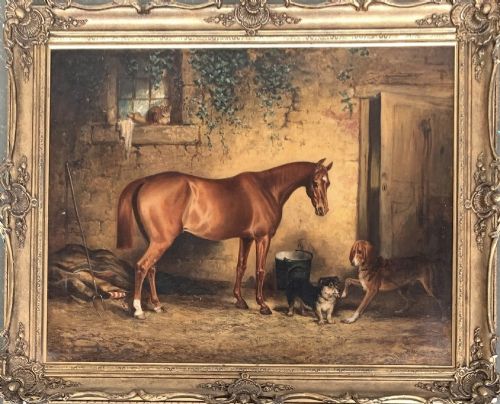
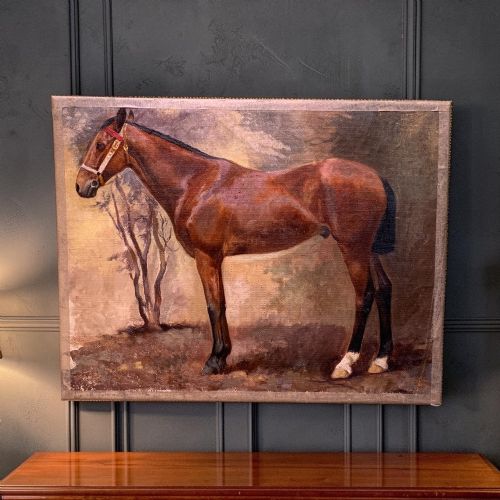
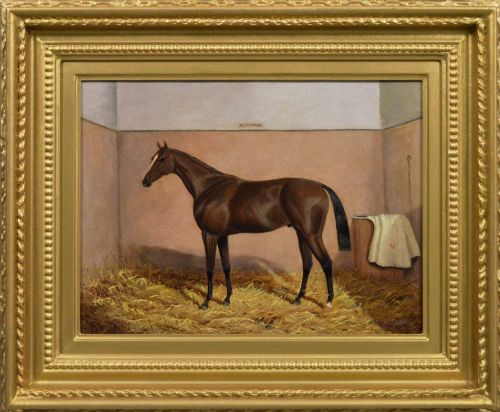
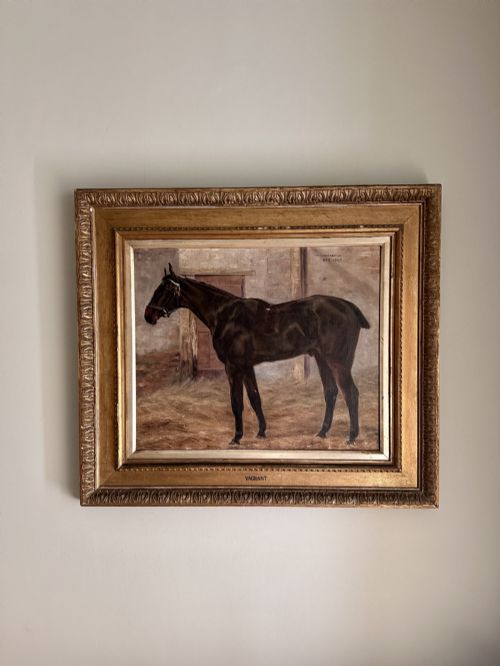
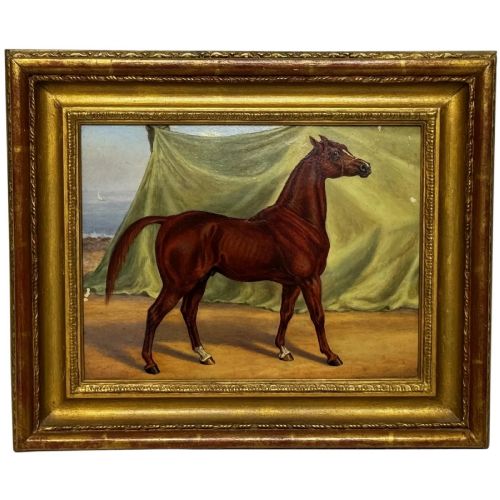
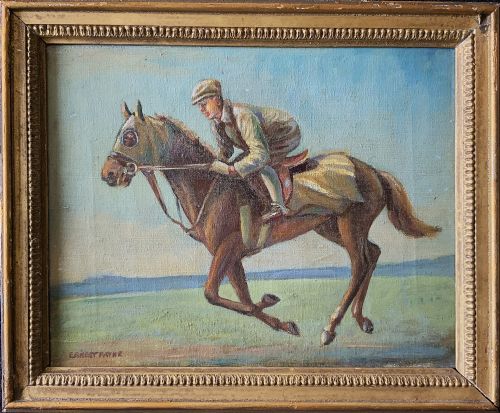
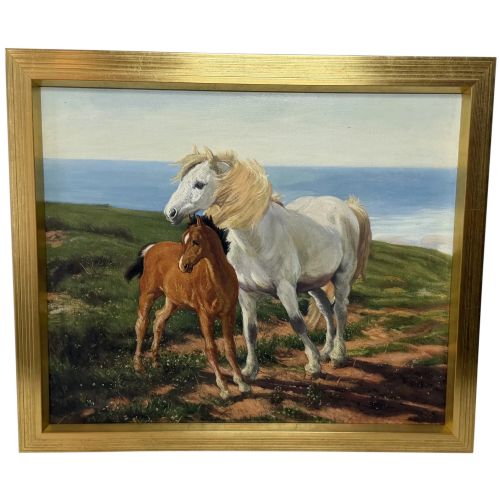
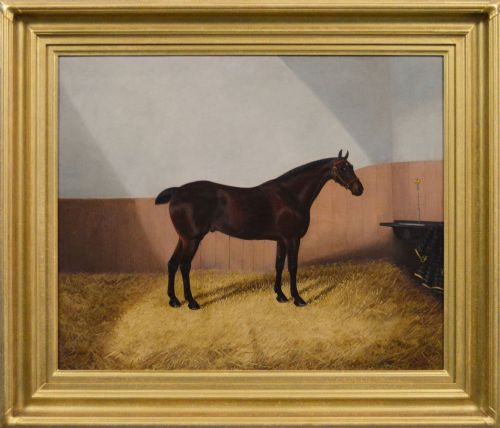
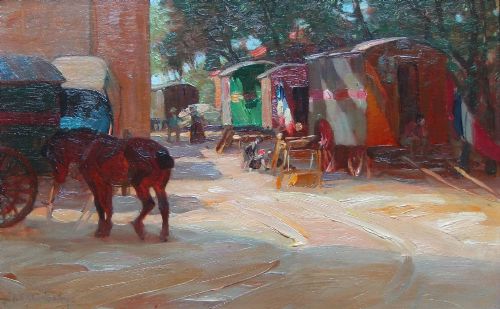
When a collector searches for brown horse canvas art, they encounter historic oil paintings that record individual animals, famous racehorses, and working hunters. These works span the Victorian, Edwardian, and Georgian periods, capturing the deep bonds between owners, trainers, and their horses.
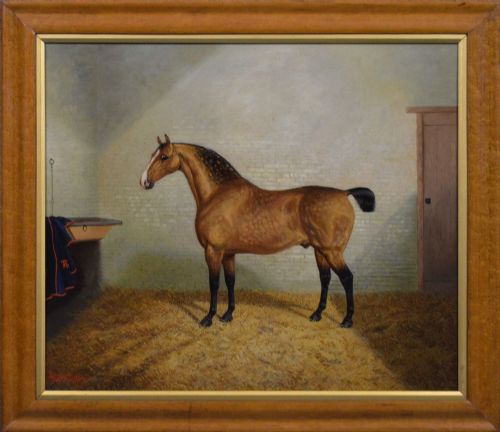
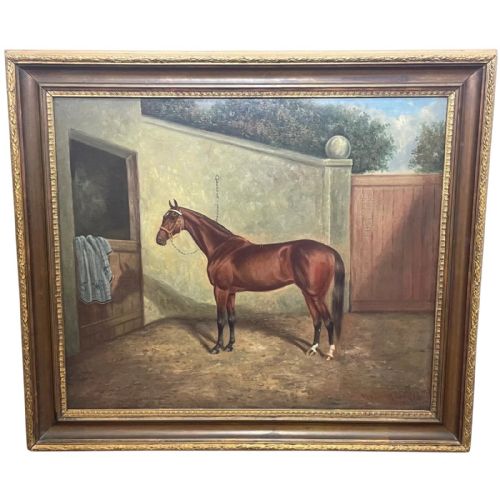
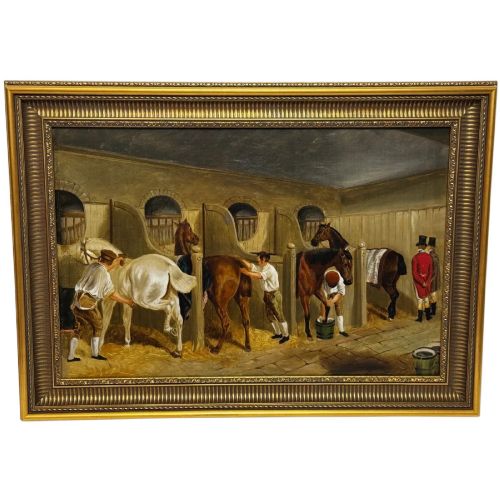
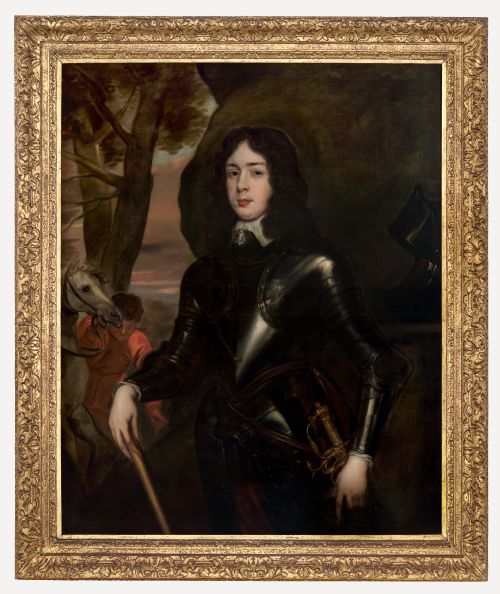
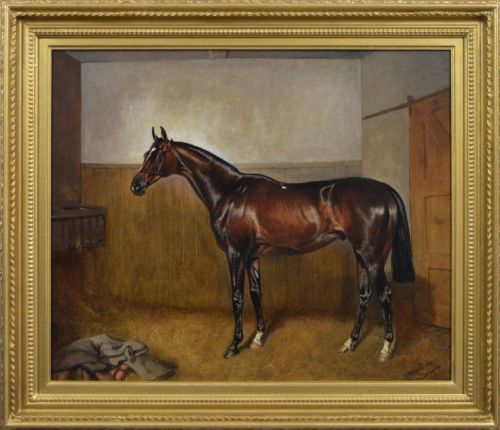
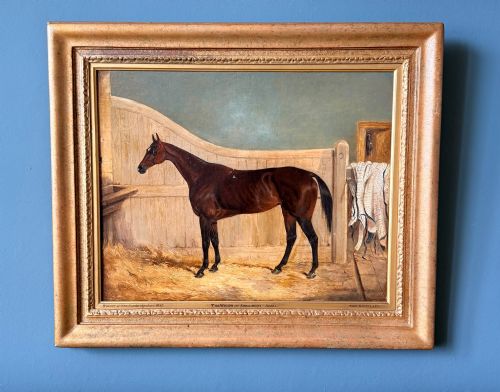
The pieces on this page are predominantly original oil paintings rendered on canvas, often housed within period giltwood frames. Portraits range in scale from intimate studies of stable occupants to grand depictions of derby winners and hunting studs.
Subjects include named champions such as Spion Kop and Persimmon, alongside anonymous hunters and working farm horses in landscape or stable settings. British sporting art forms the core of this selection, reflecting an enduring national tradition of equine appreciation.
Oils and canvas
These works are executed using oil paint applied to woven canvas supports, a method that allowed artists to build rich layers of colour and texture. The flexibility of oil enabled painters to render the subtle sheen of a brown coat, the musculature of the animal, and the play of light within stables or open landscapes.
Stretchers and wooden frames provide the structural foundation for the canvas, with many period examples retaining their original giltwood moulding. The combination of durable oil pigments and stretched fabric has allowed these portraits to survive across multiple centuries with remarkable stability.
Several canvases immortalise nineteenth-century equine champions alongside their jockeys and stable hands.
Anatomical precision and provenance
Quality in these equine portraits rests upon the artist's command of equine anatomy, proportion, and movement. Superior works capture the alert expression, accurate skeletal structure, and distinct personality of the horse rather than relying on generic formulas.
The handling of background detail and lighting further distinguishes the collection, where master painters integrate the subject naturally into a stable interior or river landscape. Documentation of the horse's identity, race history, or documented artist provenance elevates the historical significance of the canvas.
Henry Barraud·Albert Clark·Fred Fitzpatrick·John Alfred Wheeler·John Ferneley Senior·Samuel Spode
The Brown Horse Canvas Art Glossary
- Canvas
- A heavy woven fabric stretched across a wooden frame to serve as the foundational surface for oil paintings.
- Giltwood
- Wood carved and coated with a thin layer of gold leaf, commonly utilised for period picture frames.
- Equine
- Pertaining to horses, used to describe art that focuses on the depiction of horses.
- Provenance
- The chronological history of ownership and exhibition that establishes the authenticity and background of an artwork.
- Sporting art
- A genre of painting dedicated to equestrian subjects, hunting, racing, and rural field sports.
Brown Horse Canvas Art: Frequently Asked Questions
What is brown horse canvas art?
These works are historic oil paintings on canvas that depict horses, ranging from named racehorses and hunters to working animals in rural settings.
They represent traditional equine portraiture, primarily originating from nineteenth and early twentieth-century British and European schools.
How were these horse paintings framed?
Period pieces are typically housed in wooden frames, frequently finished with giltwood detailing that reflects the framing conventions of the Victorian and Edwardian eras.
Original frames often feature moulded ornamentation that complements the depth and tone of the canvas within.
How do I identify the period of a painting?
Dating relies on stylistic markers within the brushwork, the clothing and background details of any human figures present, and framing techniques. Many works include inscriptions on the canvas or stretcher recording the horse's name and the year of execution.
Signatures or biographical dates associated with the artist provide further chronological anchors for the artwork.
Where were these paintings displayed?
Historically, equine portraits hung in country houses, estate stables, and sporting clubs to commemorate winning racehorses and valued family hunters.
Today, they are integrated into domestic interiors as focal points in studies, living rooms, and hallways.