


Brown Glazed Side Cabinet
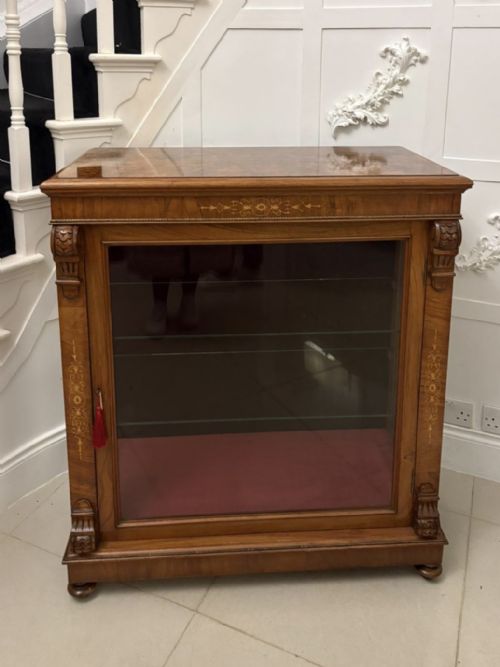
A brown glazed side cabinet brings together polished timber and glass display, offering a practical surface and enclosed shelving for rooms that need refined storage.
Brown Glazed Side Cabinet
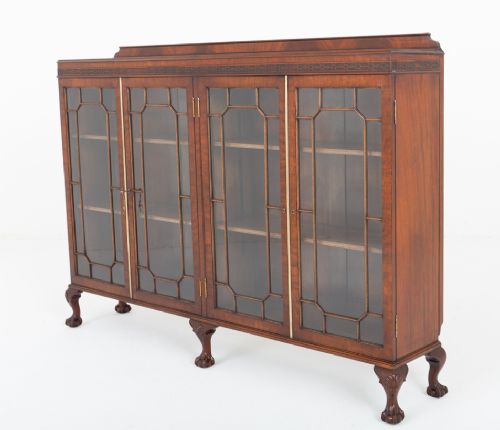
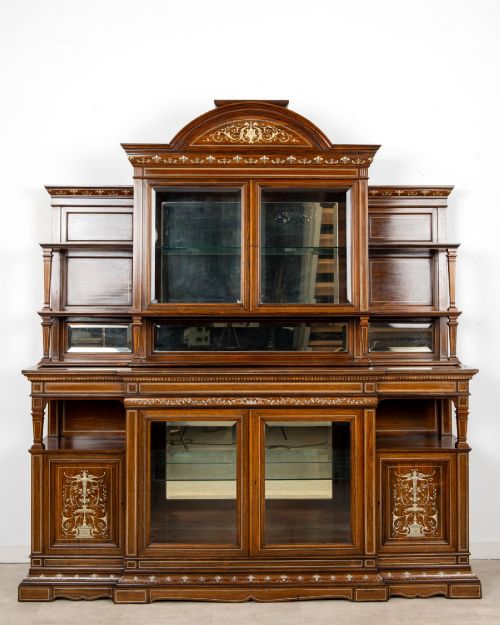
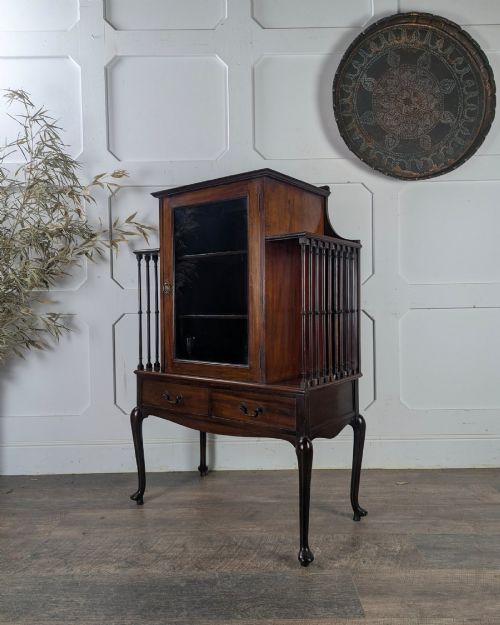
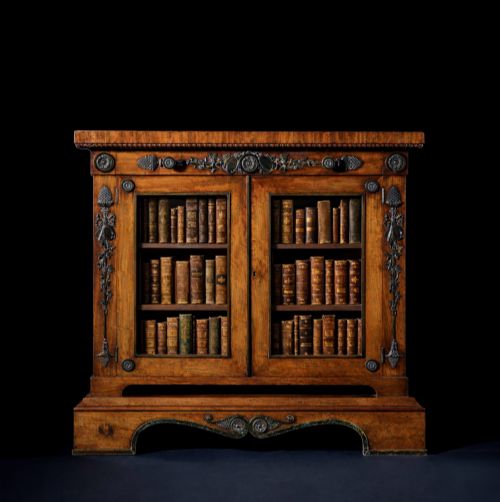
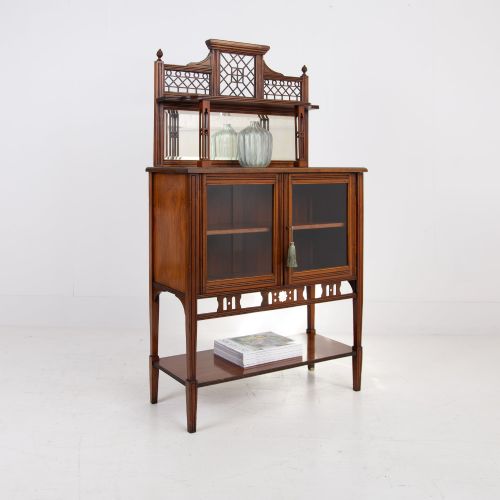
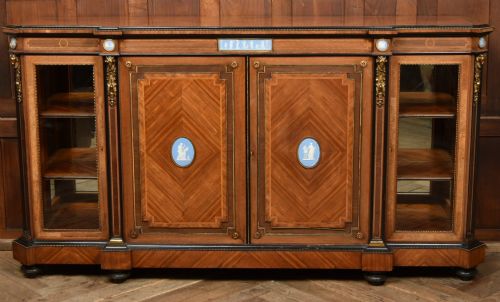
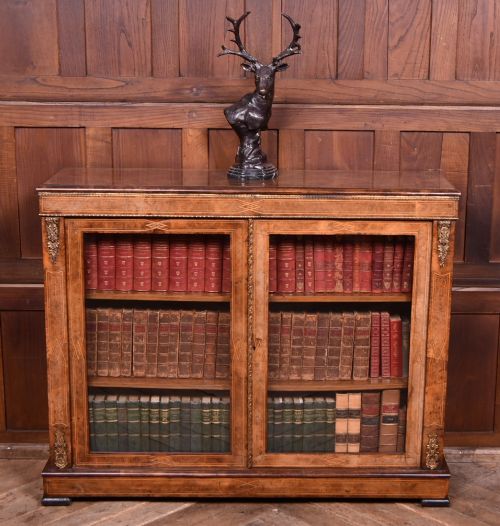
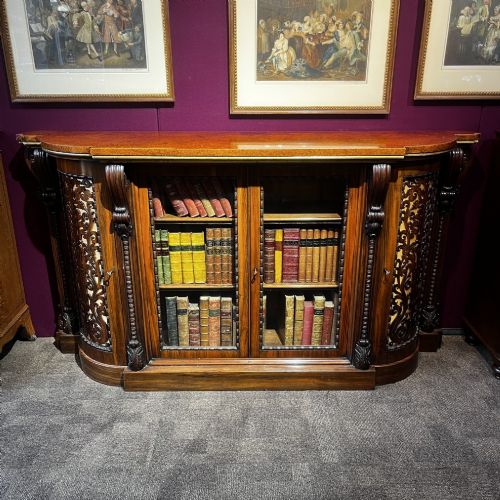
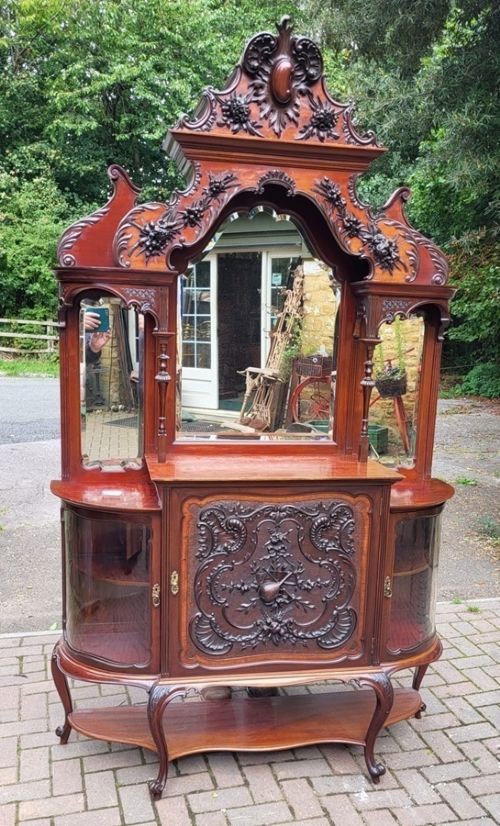
A brown glazed side cabinet covers a range of timber display pieces designed to stand against a wall, holding books, china or decorative objects behind glass doors. The most common examples met here belong to the Victorian and Edwardian periods, constructed in rich brown timbers with glazed upper sections.
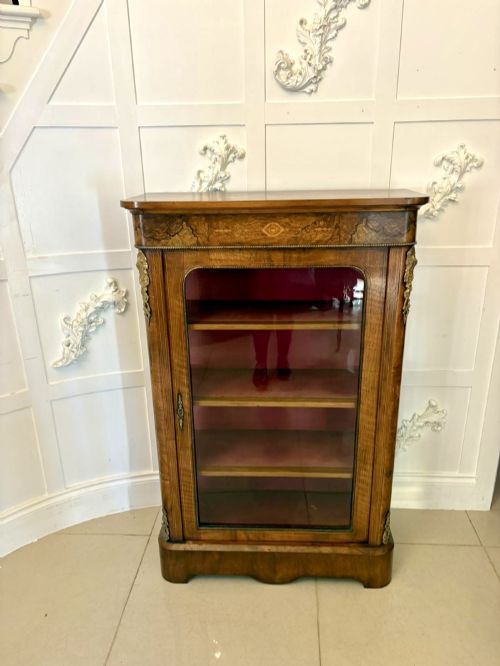
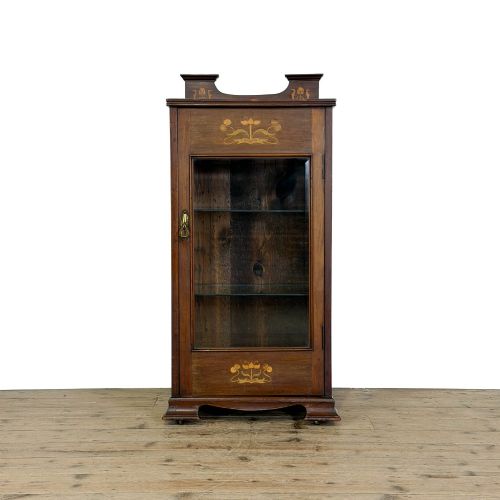
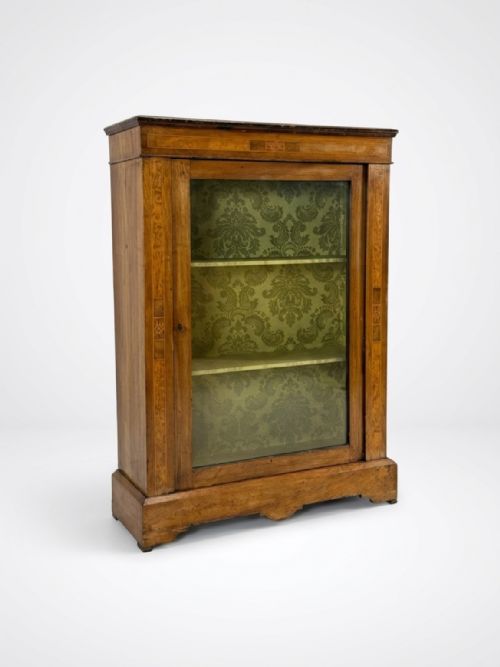
Forms vary from compact pier cabinets and music cabinets to broader breakfront bookcases, credenzas and low side cabinets. Makers adapted these proportions for drawing rooms and parlours, ensuring the glass panels kept contents visible while protected from dust.
Materials and construction
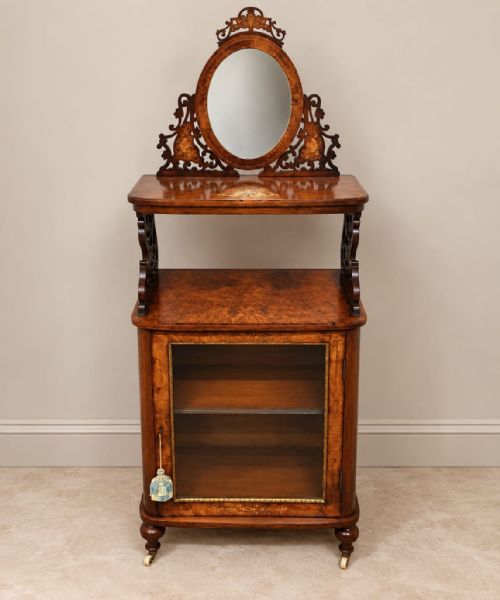
Construction relies heavily on walnut, mahogany and rosewood, often enhanced with burr veneers, boxwood marquetry or satinwood inlay to create patterned surfaces on the timber. Carved details, brass mounts and ormolu accents are applied to frames and doors.
Glazing is set into timber frameworks with glass panes, sometimes accompanied by velvet-lined interiors or brass hardware. Carved mirror backs and tiled tops appear on specific Arts and Crafts or aesthetic movement variants.
Several pieces feature drop-side mechanisms designed originally for serving tea and cake without leaving the room.
Judging the work
Quality rests in the choice of timber veneer, such as finely figured burr walnut or rich mahogany, and the precision of the marquetry inlay. Cabinets with crisp carved mouldings and well-fitted doors distinguish finer workshops from simpler production.
The integration of secondary timbers, original brass or bronze mounts, and the clarity of the glass panes reveal the level of care taken during construction.
Collinson and Lock
The Brown Glazed Side Cabinet Glossary
- Pier cabinet
- A narrow display cabinet designed specifically to fit the wall space between windows. These pieces often feature single glazed doors and marquetry inlay.
- Credenza
- A low sideboard or cabinet originating in the nineteenth century, frequently incorporating glazed side cupboards and central shelving. They serve as substantial display surfaces in formal rooms.
- Marquetry
- Decorative patterns formed by fitting together thin slices of veneer into timber surfaces. Boxwood and contrasting woods are common in these designs.
- Burr walnut
- Timber taken from a growth on a walnut tree, yielding swirling, highly figured grain patterns. It is frequently utilised for cabinet doors and tabletops.
- Ormolu
- Gilt bronze mounts applied as decorative ornaments to furniture corners and framing. They add metallic contrast to dark timber surfaces.
Brown Glazed Side Cabinet: Frequently Asked Questions
Where should I place a side cabinet?
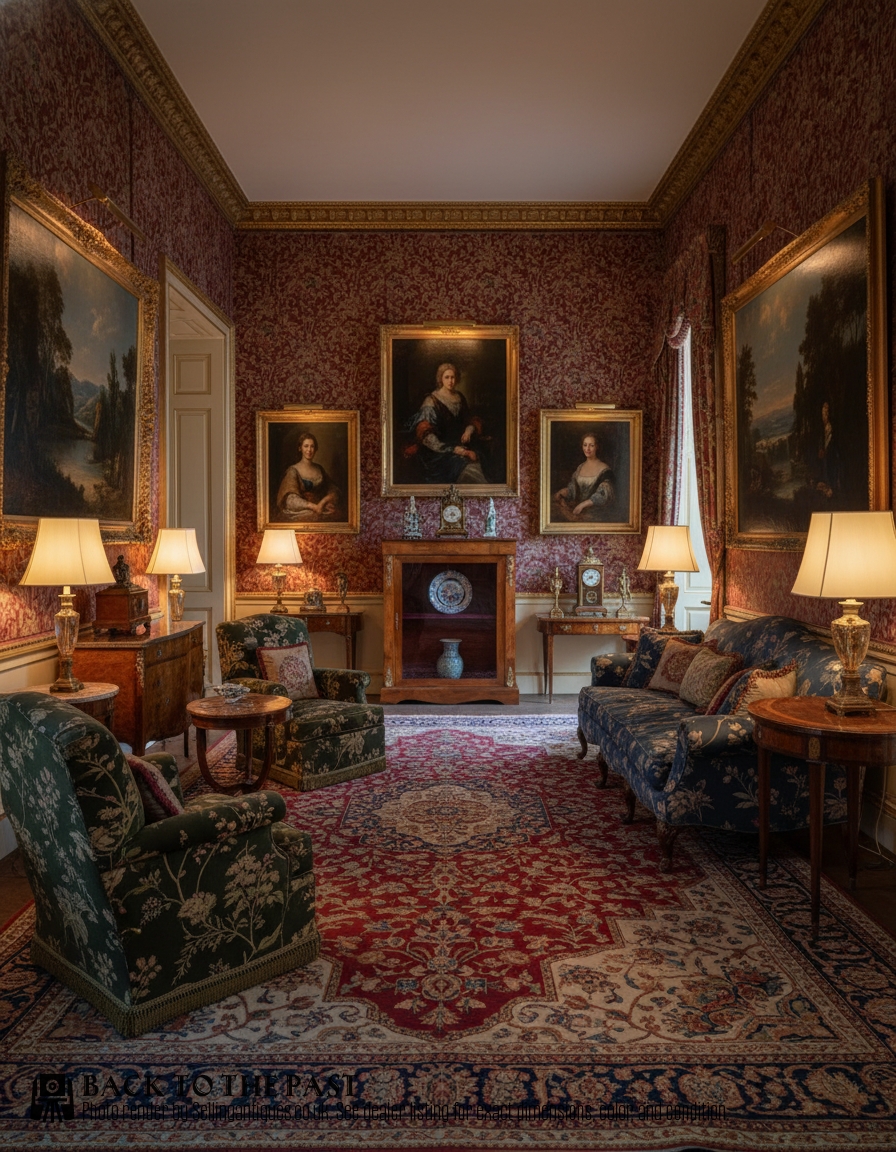
These cabinets suit dining rooms, living spaces or hallways where wall space permits a shallow profile. Their glass doors keep displayed items safe while maintaining an open feel in the room.
Ensure the timber tone complements existing furniture, and allow enough clearance for doors to open fully without obstruction.
How do I care for polished timber?
Keep wooden surfaces away from direct sunlight and heat sources to prevent the timber and veneer from drying out or splitting. Dust regularly with a dry, soft cloth.
Apply a traditional beeswax polish occasionally to nourish the grain and maintain the natural lustre of the walnut or mahogany.
How do I distinguish Victorian from Edwardian pieces?
Victorian cabinets generally feature darker, heavier timbers, rich burr walnut veneers, and elaborate marquetry or carved mirror backs. They project a formal, substantial presence.
Edwardian examples often display lighter mahogany tones, simpler inlaid satinwood lines, and a more refined, slender aesthetic influenced by Arts and Crafts or neoclassical revivals.