
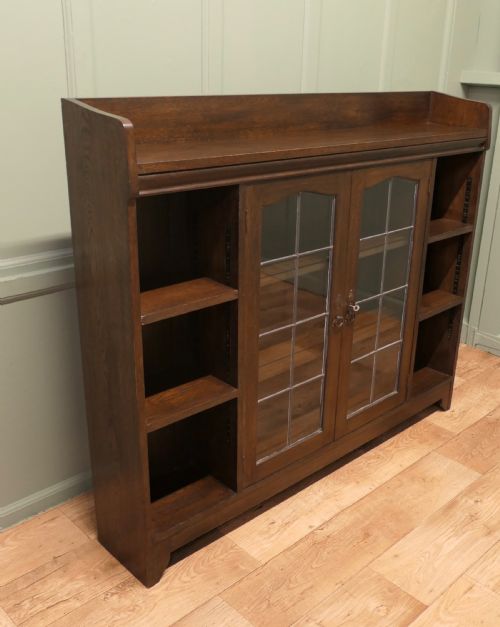
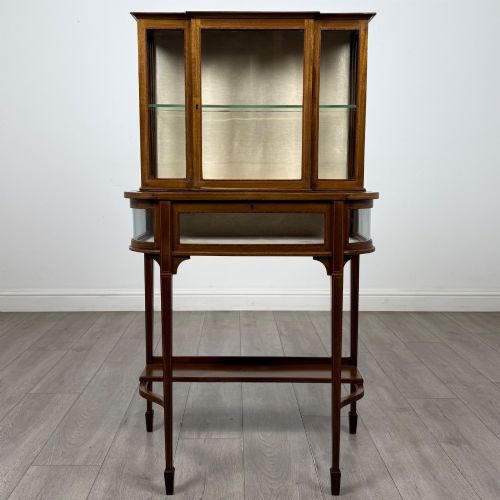
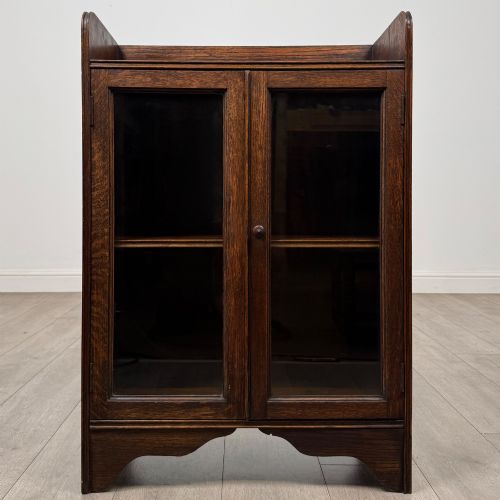
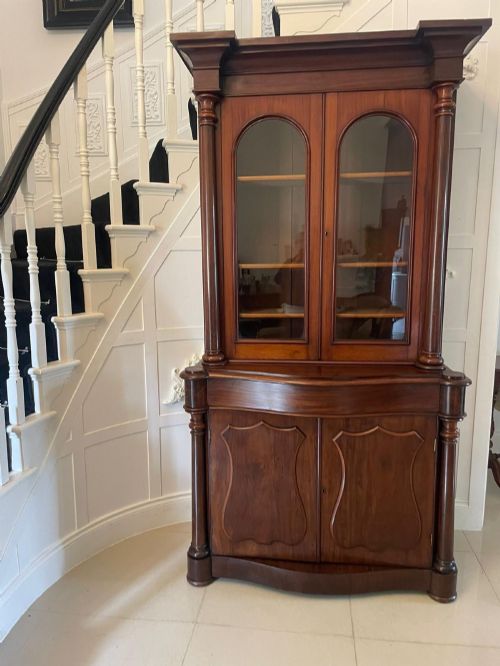
Brown Glass Display Cupboard
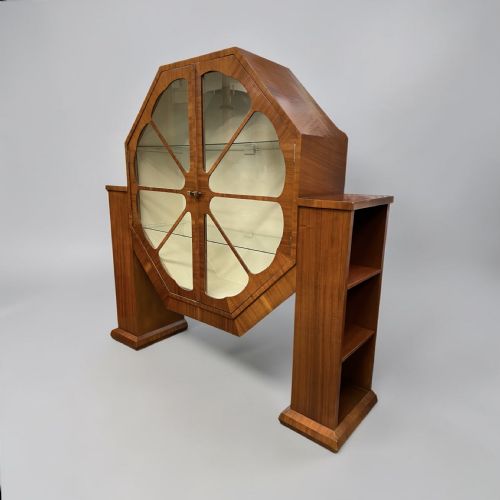
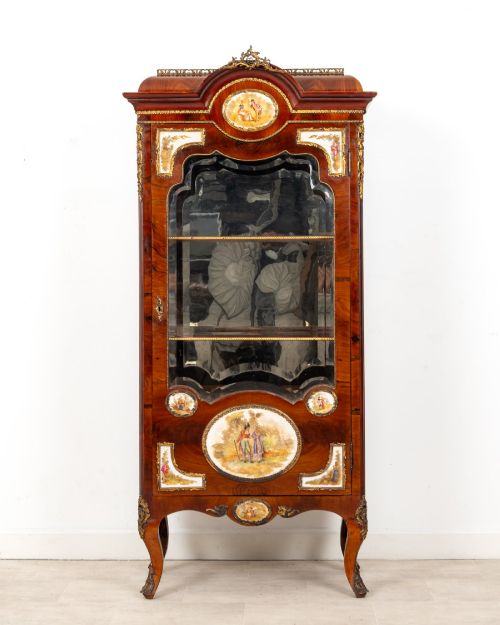
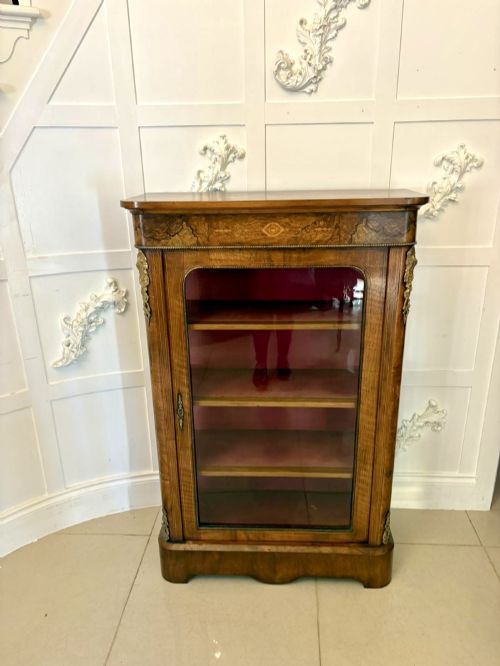
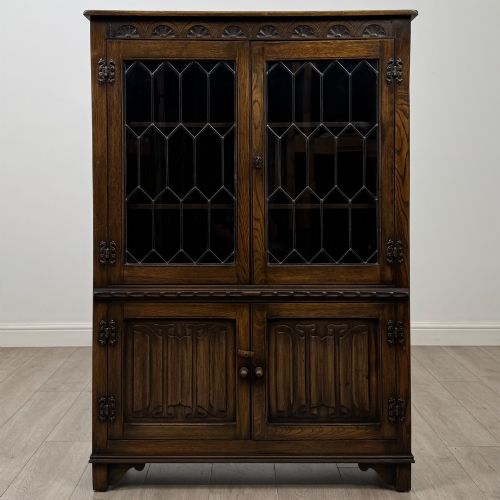
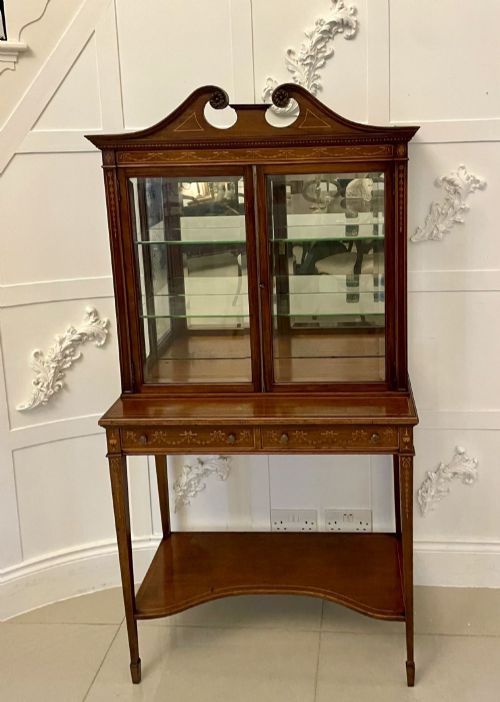
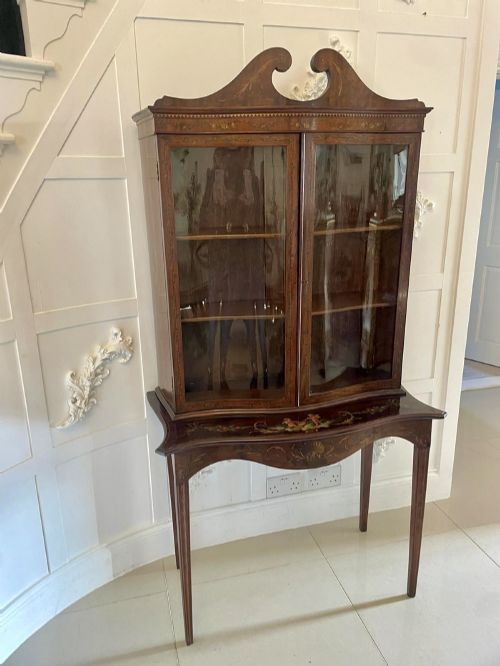
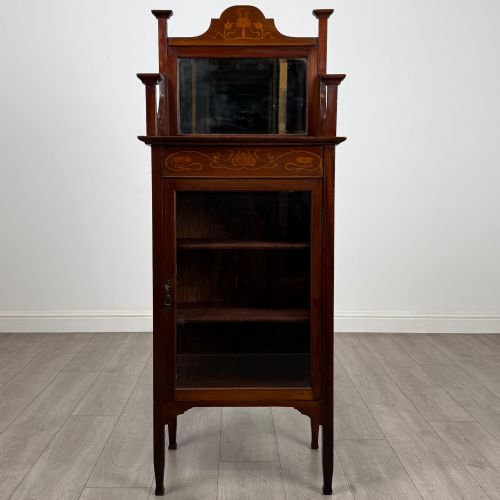
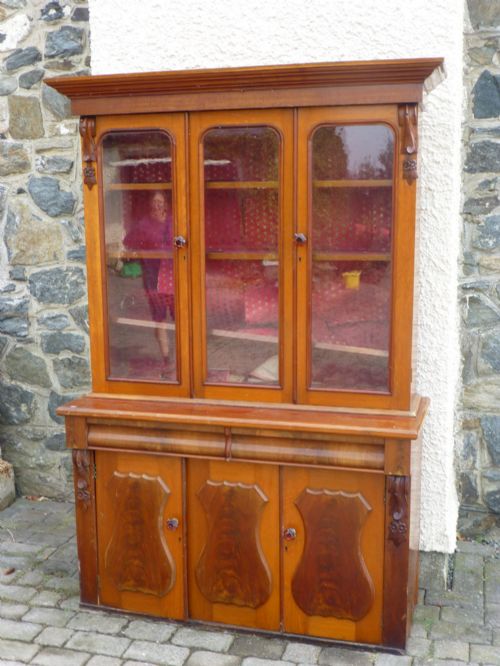
These brown glass display cupboards range from slender Victorian pier cabinets to substantial Edwardian mahogany showcases built to exhibit prized possessions.
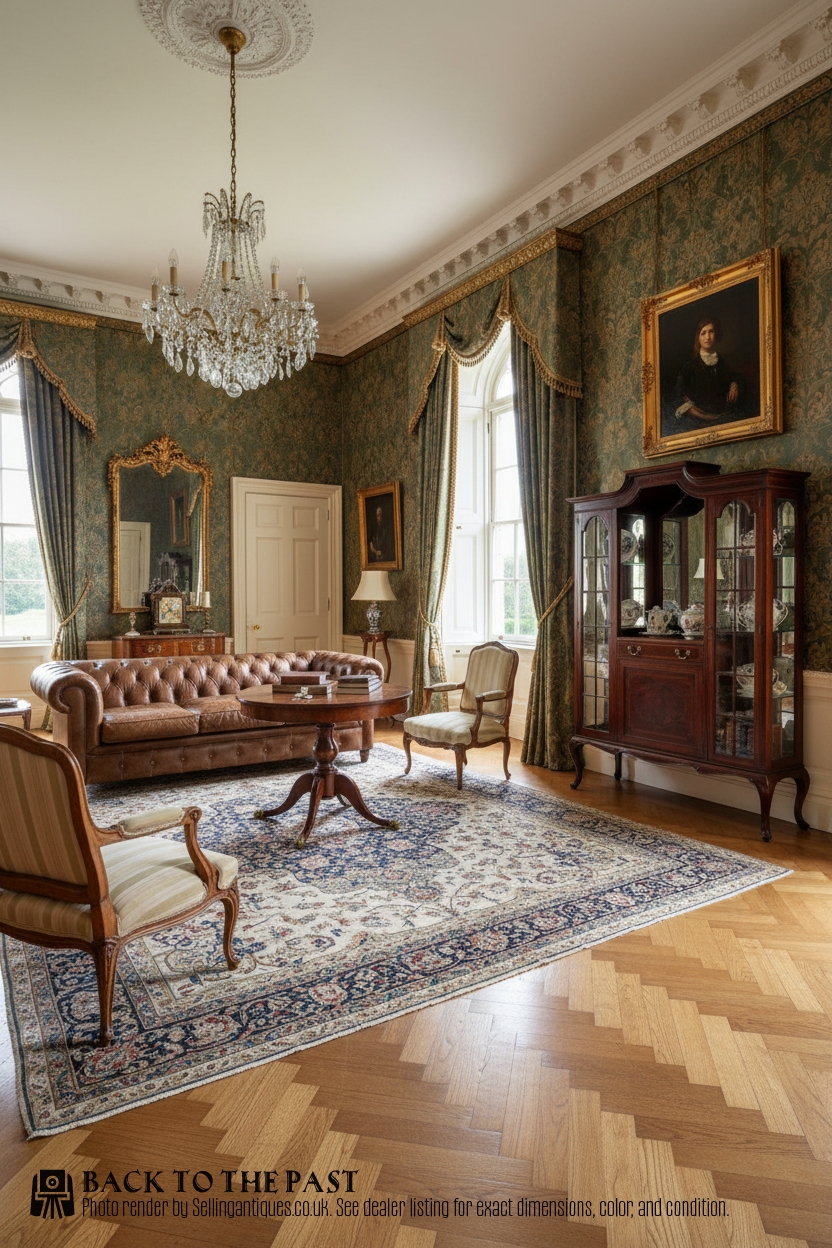
Brown Glass Display Cupboard
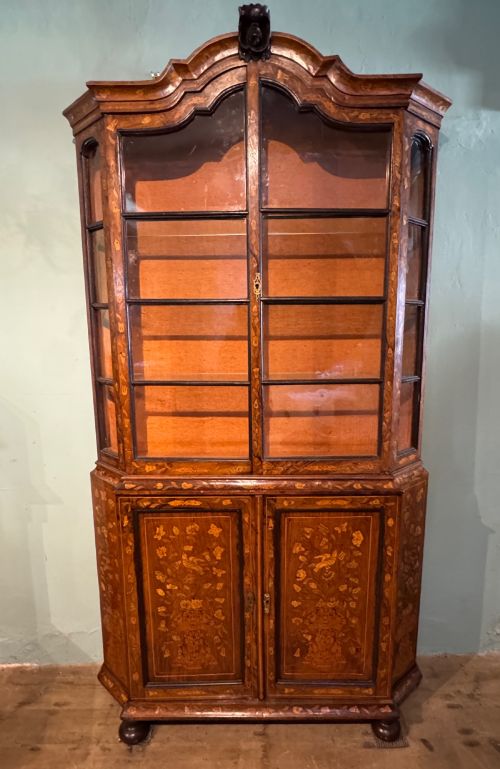
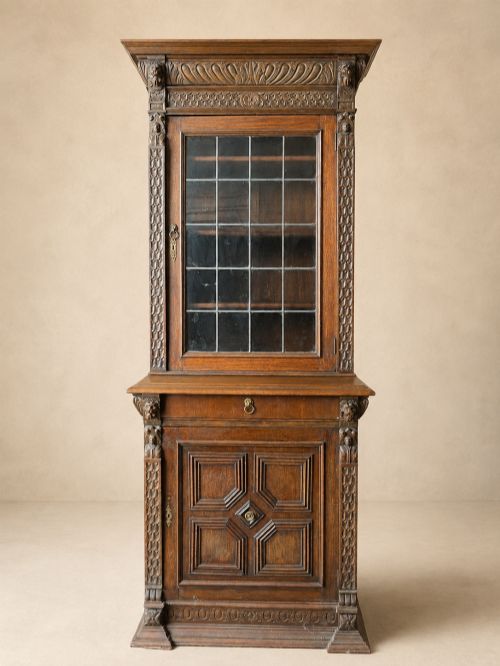
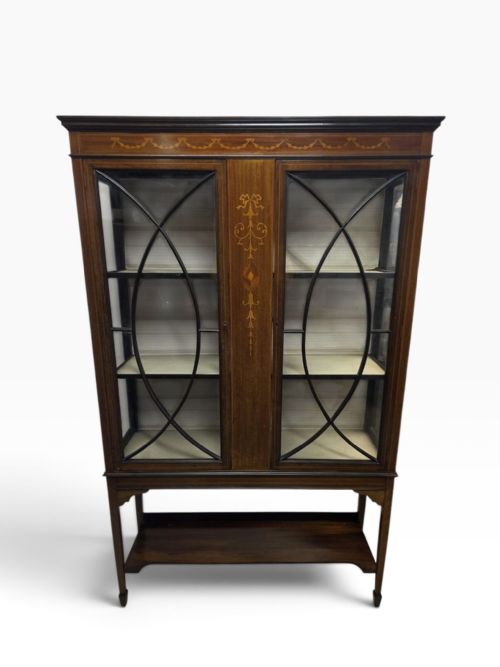
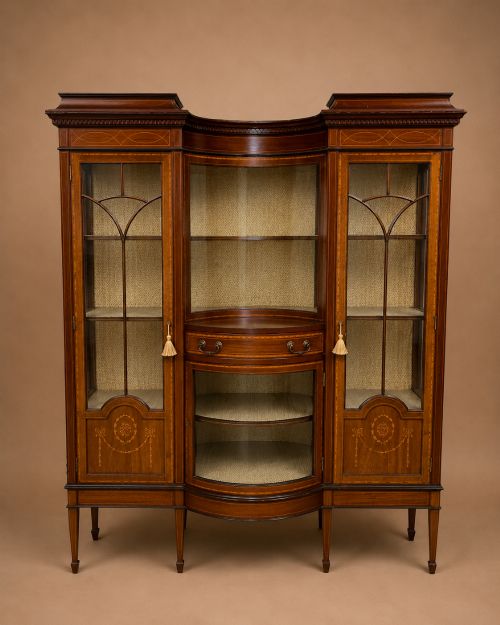
When you search for a brown glass display cupboard, you encounter glazed storage furniture spanning the Victorian, Edwardian, and Art Deco periods, alongside earlier 19th-century examples. The most common iteration on this page is the Edwardian mahogany display cabinet, often featuring delicate inlaid woodwork and glazed doors designed to show off porcelain and curiosities.
How they were made
Cabinet makers utilised dense, richly figured hardwoods such as mahogany, walnut, and oak for the structural carcase and framing, frequently applying contrasting satinwood or marquetry inlays to enrich the surface. Glass panels were hand-glazed into wooden doors, sometimes supported by brass fittings or enhanced with painted decoration and carved details.
Construction techniques evolved across the periods represented, moving from heavier 19th-century mahogany joinery to lighter Edwardian framing and later Art Deco geometric forms. Timber preparation involved selecting figured veneers or solid planks, which were then polished to accentuate the natural grain of the brown woods.
Several Welsh cupboards carry the traditional name cwpwrdd gwydr, preserving centuries of domestic glassware storage history.
What varies in quality
The standard of a brown glass display cupboard depends largely on the selection of timber veneers and the intricacy of the decorative details, such as marquetry inlays or hand-painted motifs. Finer pieces demonstrate superior joinery in the framing of the glazed doors and the precise fitting of internal shelves.
Design ambition also separates the ordinary from the exceptional, with pieces adhering to distinct revival styles or period movements displaying greater harmony in proportion and material use. The preservation of original glass and surface finishes further elevates the distinction of these cabinets.
The Brown Glass Display Cupboard Glossary
- Astragal glazed
- A method of dividing glass panes within a door using thin wooden mouldings, creating a geometric grid pattern.
- Marquetry
- Decorative veneer work forming intricate pictures or patterns by assembling thin pieces of various woods.
- Pier cabinet
- A low, narrow cabinet designed specifically to stand against the wall space between windows.
- Breakfront
- A piece of furniture where the central section projects forward from the flanking outer sections.
- Vitrine
- A glass-sided cabinet or showcase specially designed for displaying fine porcelain and objets d'art.
Brown Glass Display Cupboard: Frequently Asked Questions
How do I clean the glass safely?
Use a soft microfiber cloth and a mild glass cleaning solution sprayed onto the cloth rather than directly onto the cabinet.
Take care to avoid letting moisture seep into the wooden frames or antique veneer surrounds during cleaning.
Can these cabinets support heavy books?
Many glazed bookcases and robust oak or mahogany cabinets handle substantial book collections easily.
Lighter display cabinets are better suited for ceramics, glassware, and lighter decorative objects rather than heavy volumes.
How do I date an Edwardian cabinet?
Edwardian pieces typically date from the period between 1901 and 1910, often displaying Sheraton Revival influences and lighter mahogany timbers.
Look for machine-sawn timber marks and characteristic inlay patterns that distinguish them from heavier Victorian furniture.
Where should I place a corner cabinet?
Corner cabinets fit neatly into unused room angles, making them ideal for smaller reception rooms or dining spaces.
Position them away from direct sunlight to protect the interior fabrics and prevent the wooden finishes from fading.