


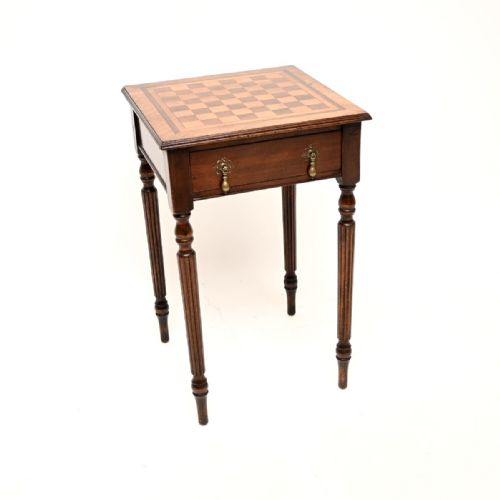
Brown Games Table
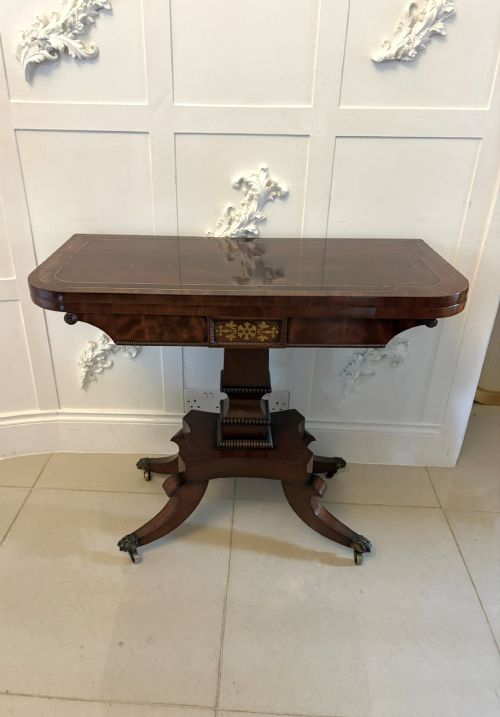
A brown games table brings centuries of social entertainment into a room, offering fold-over tops and clever internal compartments designed for cards and chess.
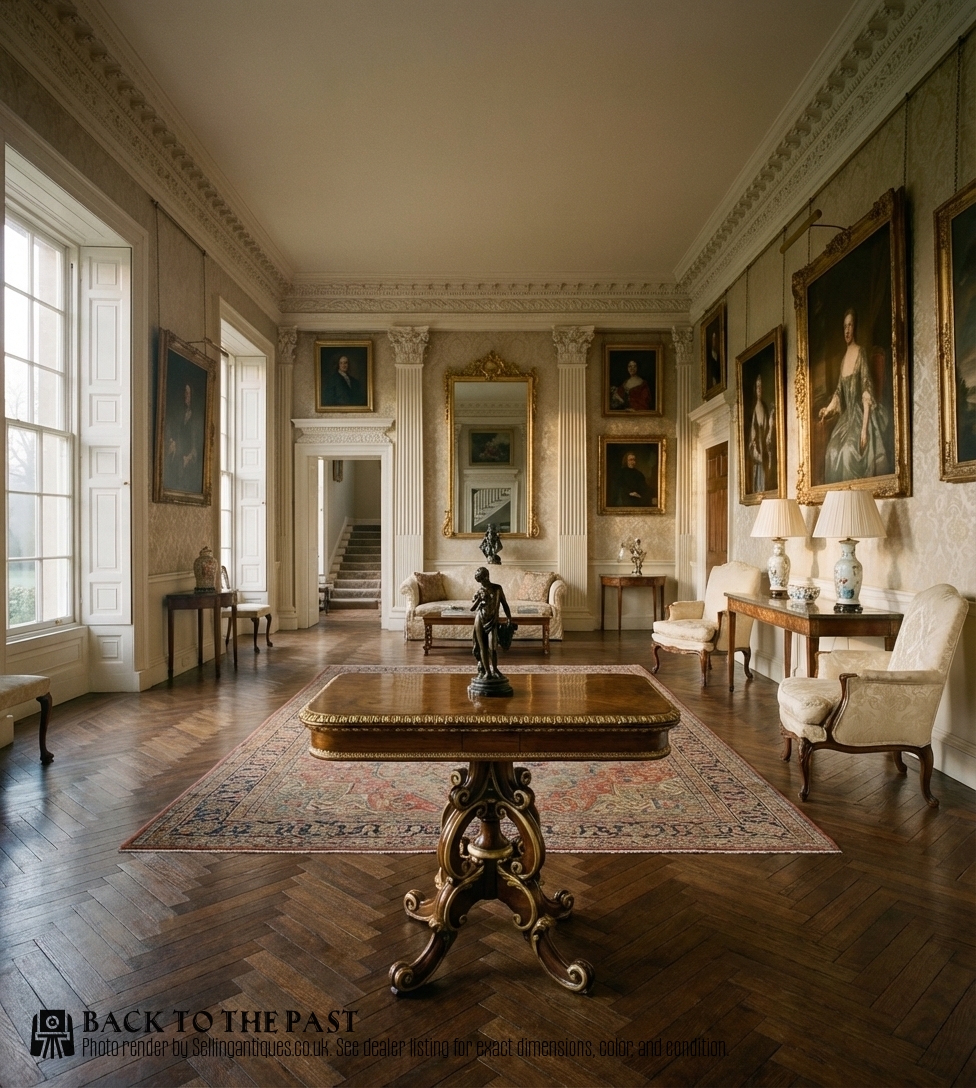
Brown Games Table
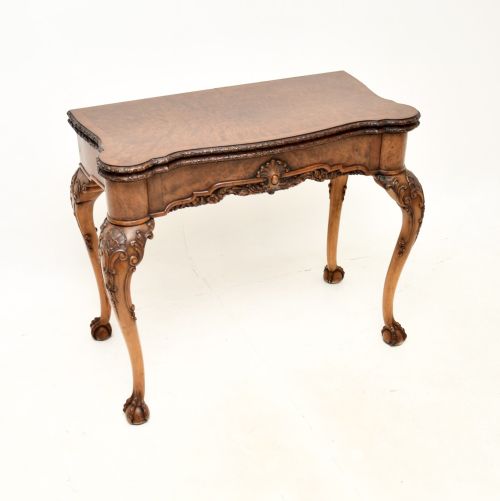
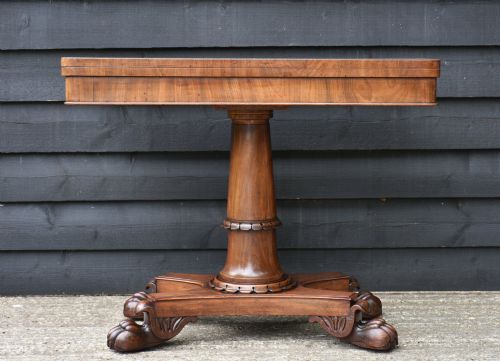
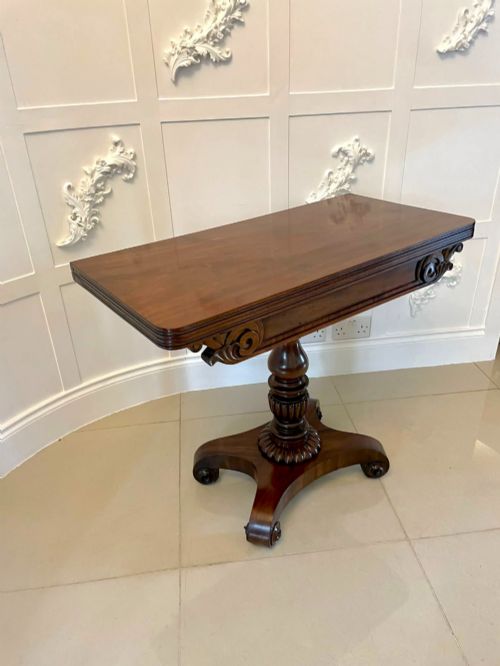
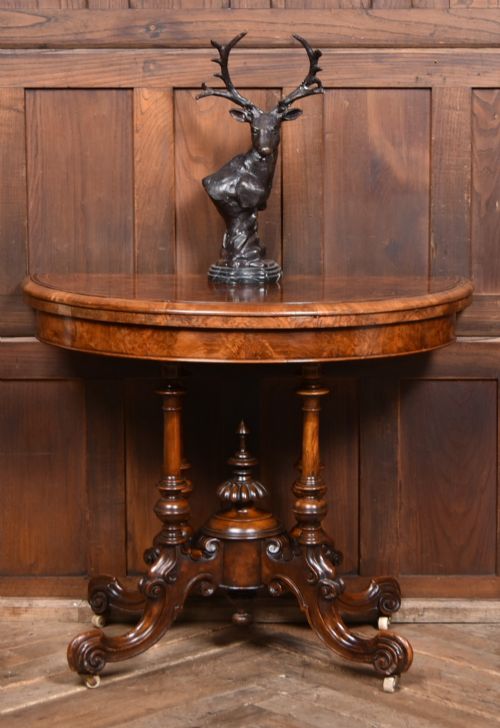
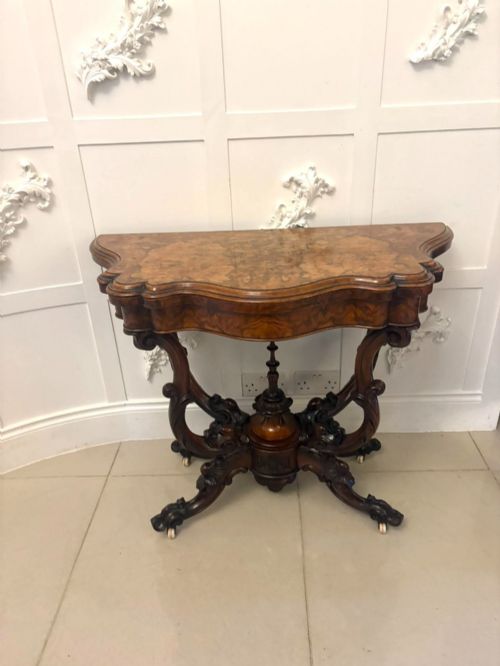
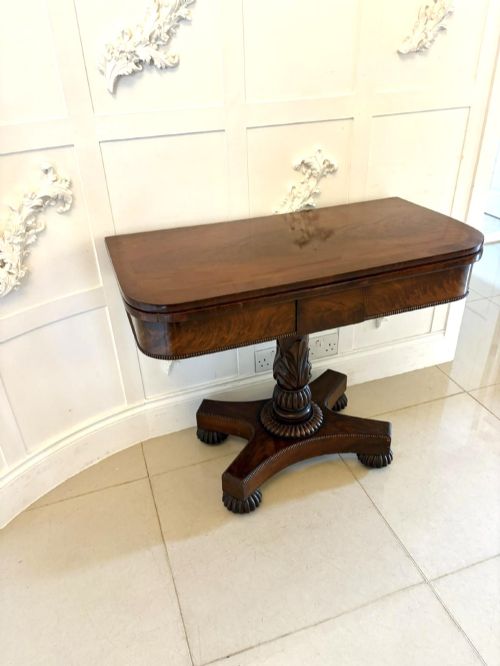
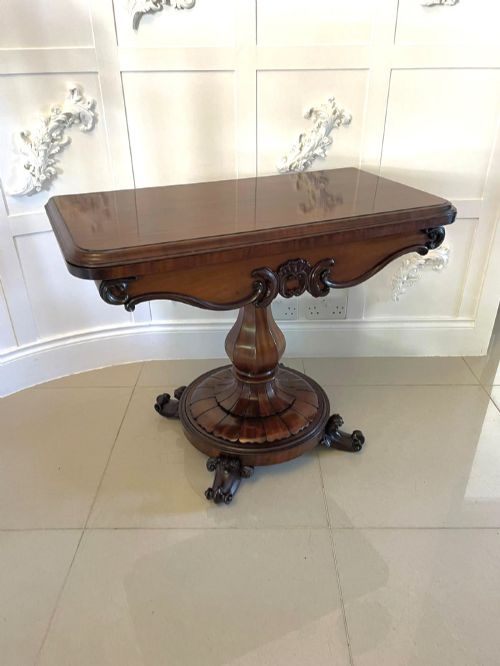
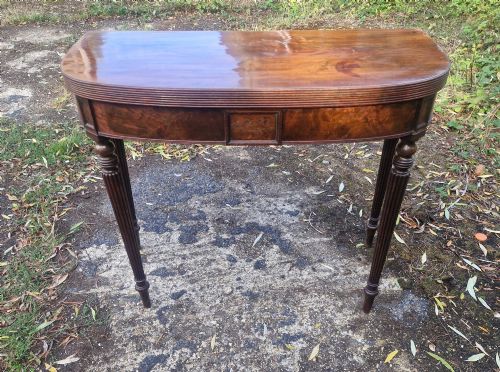
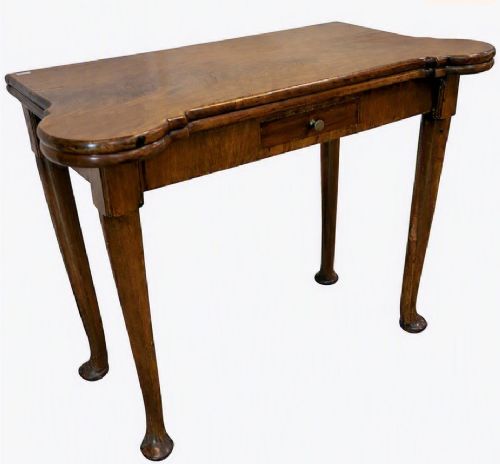
A brown games table is primarily a piece of multifunctional furniture designed to adapt from a modest console or side table into a surface for card playing, chess, or sewing. When you search for this phrase, you encounter formats that span from the Georgian period through the Victorian era, with mahogany and walnut forming the backbone of the selection.
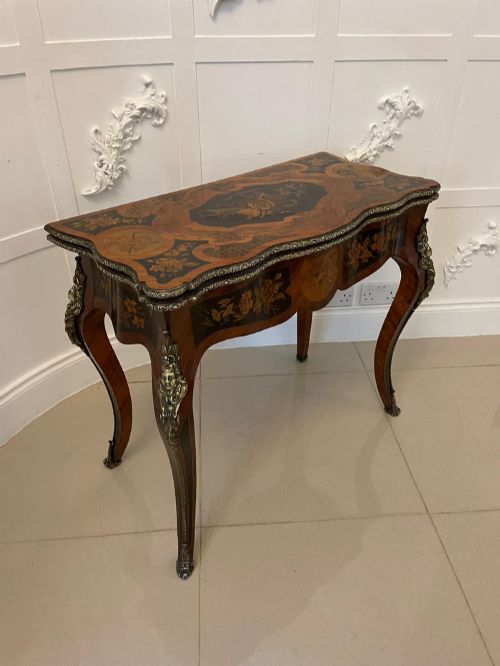
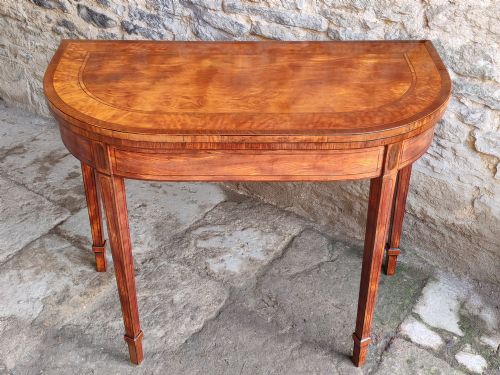
The most common version met on this page is the fold-over card table in mahogany or burr walnut, often featuring a swivel or concertina action to support the doubled top. Alongside these, examples emerge in satinwood, rosewood, and kingwood, occasionally incorporating marquetry inlay, brass mounts, or ormolu details.
Beyond standard card tables, the selection includes tea tables, work tables, and console tables that share similar folding or multi-use mechanics. These pieces reflect the domestic habits of past centuries, where furniture needed to transform swiftly between formal display and active evening leisure.
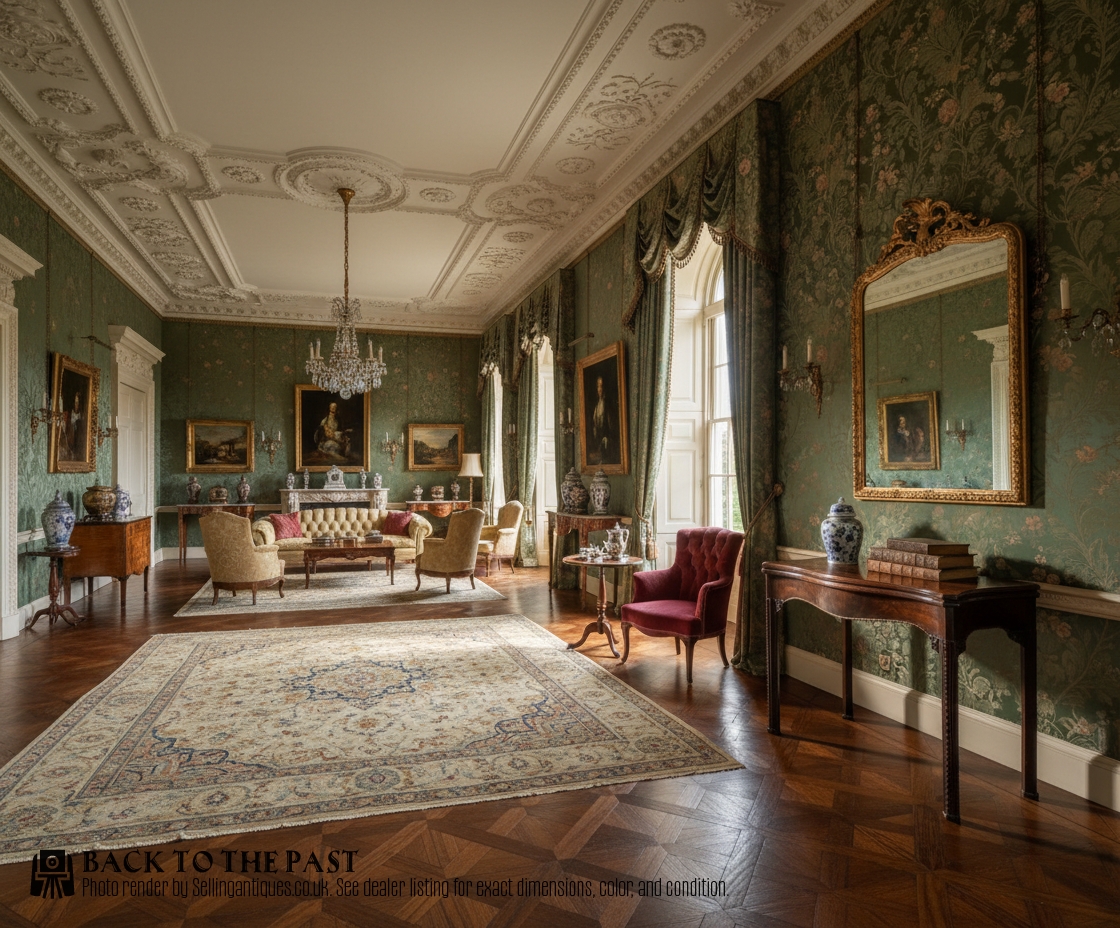
How they were made
Cabinet makers utilised dense timbers such as mahogany, walnut, and rosewood, frequently selecting figured veneers like burr walnut, flame mahogany, and satinwood to create striking top surfaces. These veneers were laid over solid secondary woods, sometimes enhanced by crossbanding in contrasting timbers such as yew.
Construction techniques centred on stability and movement, employing concertina actions, swivel tops, and fold-over hinges that allowed tables to double their surface area safely. Brass inlay, ormolu mounts, and wood marquetry were integrated directly into the carcass during assembly to enrich the visual depth of the piece.
Brown Games Table Retail Price Guide 2026
Typical asking prices for brown games table among the pieces listed under this phrase on Sellingantiques today, from the lower quarter to the upper quarter. They describe what is for sale here now, not the wider market.
Some tables include hidden compartments originally designed for clandestine wagers and secret stashes of ivory counters.
What varies in quality
Quality rests heavily on the choice of timber and the dexterity of the figure within the wood, where richly grained flame mahogany or complex burr walnut elevates the presence of the table. The crispness of carved details, such as pedestal bases or basket supports, separates standard cabinet work from exceptional craftsmanship.
Mechanical execution defines the upper tier of these pieces, seen in the smooth operation of a concertina action or a balanced swivel top that aligns perfectly when closed. The integrity of internal veneers and the subtlety of brass or wood inlay further distinguish sophisticated workshops from simpler production.
Antoine Lampre·Giles Grendey
The Brown Games Table Glossary
- Concertina action
- An expanding frame mechanism that allows a fold-over table to open on four legs rather than two, providing balanced support for the extended top. This clever engineering ensures stability during card games.
- Fold-over top
- A hinged table surface that doubles in area when opened and rotated or flipped into position. It conceals a felt or wood playing surface underneath.
- Marquetry
- Decorative patterns created by fitting thin pieces of wood veneer and other materials into a constructed wooden ground. Artisans used this technique to form intricate floral or geometric motifs.
- Ormolu
- Gilt bronze mounts applied to furniture edges and legs for ornamental effect. This French technique adds metallic contrast to dark wood surfaces.
- Crossbanding
- A border of veneer laid around the main panel of a table top, with the grain running perpendicular to the centre. This frames the primary timber and displays technical skill.
Brown Games Table: Frequently Asked Questions
How do I tell a card table from a tea table?
Card tables and tea tables often share identical fold-over or Pembroke designs, making them visually similar at first glance. However, card tables frequently conceal lined interiors intended for gaming counters and card hands.
Tea tables generally focus on polished wooden surfaces meant to display porcelain without the need for specialised interior wells or baize lining.
Were these tables used during daytime hours?
These pieces functioned as versatile console, side, or pier tables when folded against a wall during the day. They served as decorative surfaces for ornaments or lighting until evening entertainment began.
Only when guests arrived for cards or tea would the top unfold to transform the room for social activities.
How do I care for a mahogany or walnut games table?
Regular dusting with a dry, soft cloth preserves the historic finish without building up unwanted residues. Avoid placing wooden tables near direct heat sources to prevent timber shrinkage and veneer splitting.
Applying a gentle wax occasionally helps maintain the natural sheen of the polished grain over time.