
Brown Display Bookcase
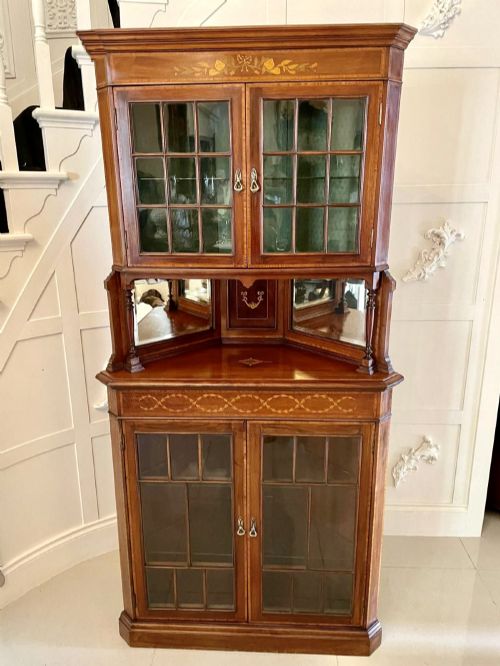
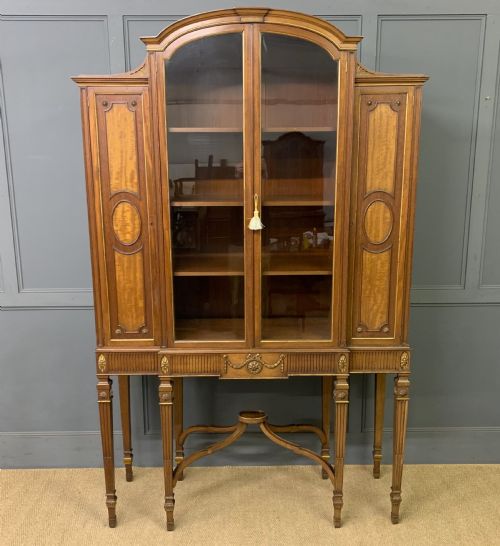
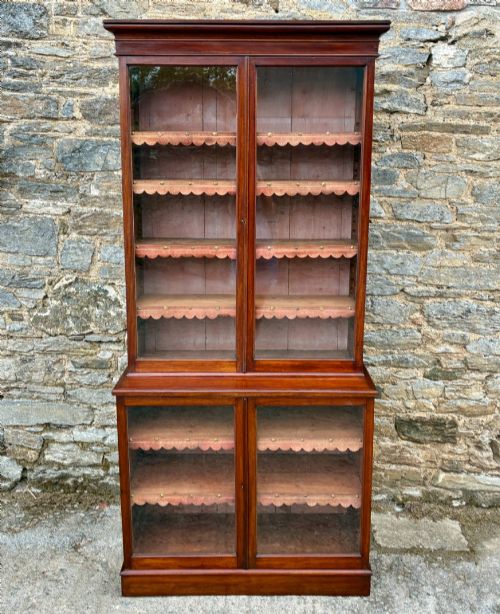
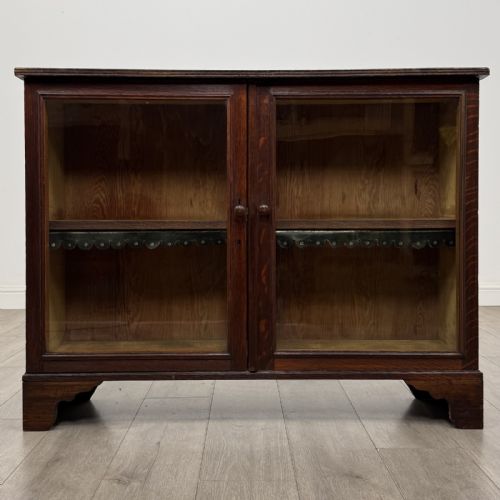
A brown display bookcase combines the utility of library shelving with the protective enclosure of a glass-fronted cabinet.
Brown Display Bookcase
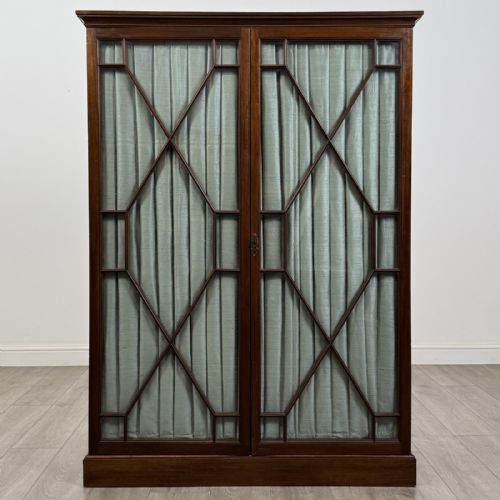
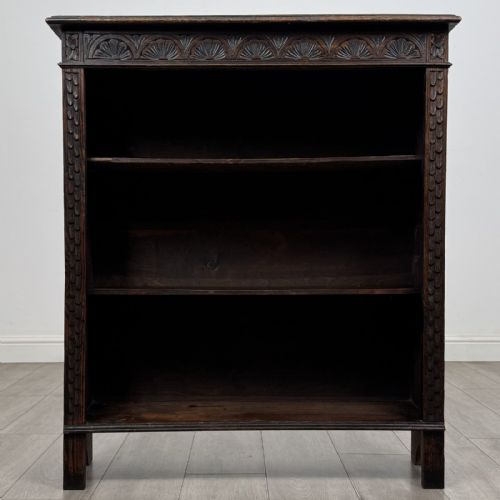
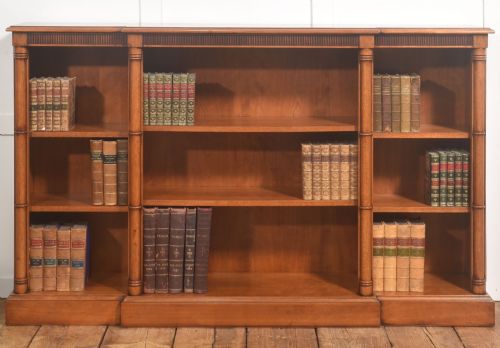
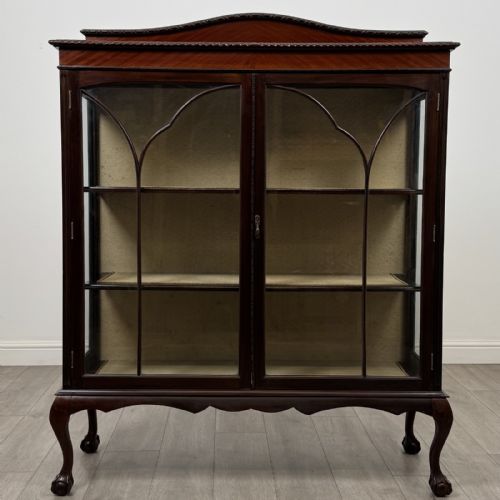
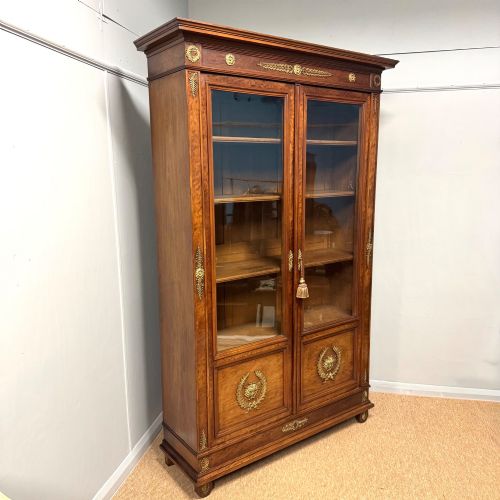
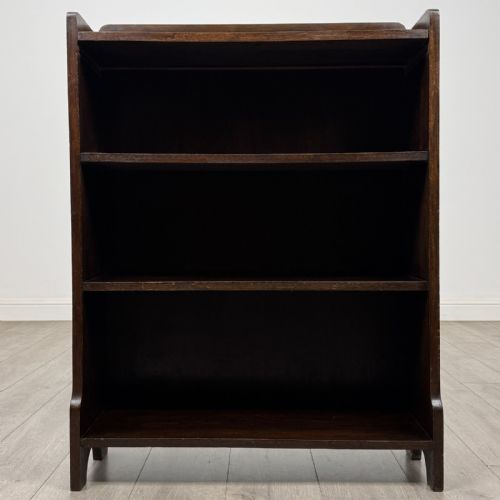
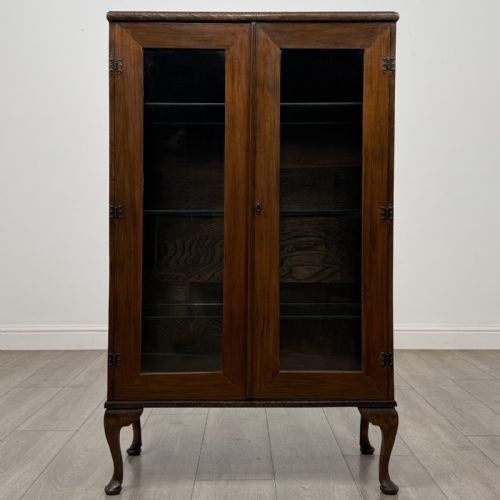
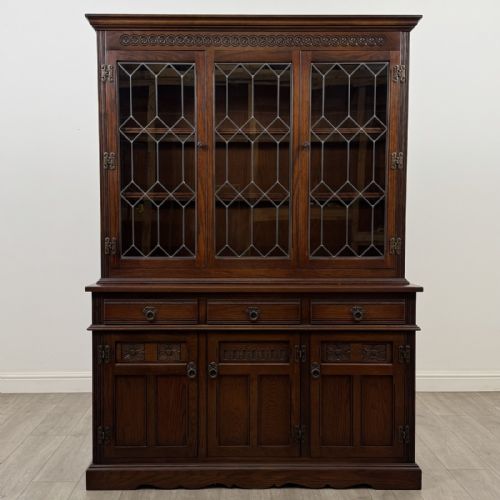
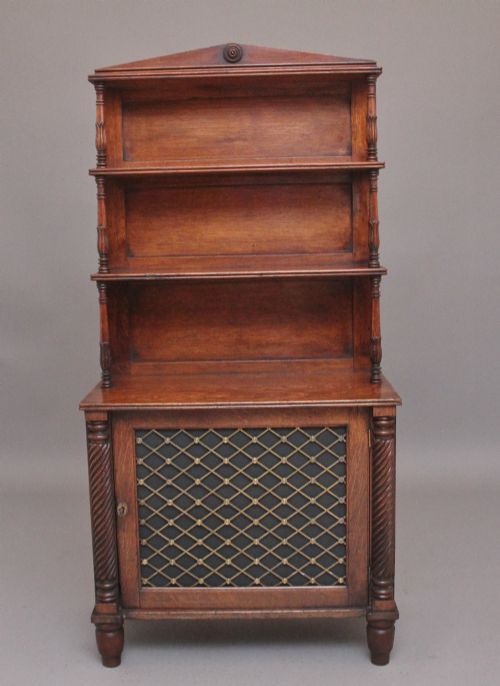
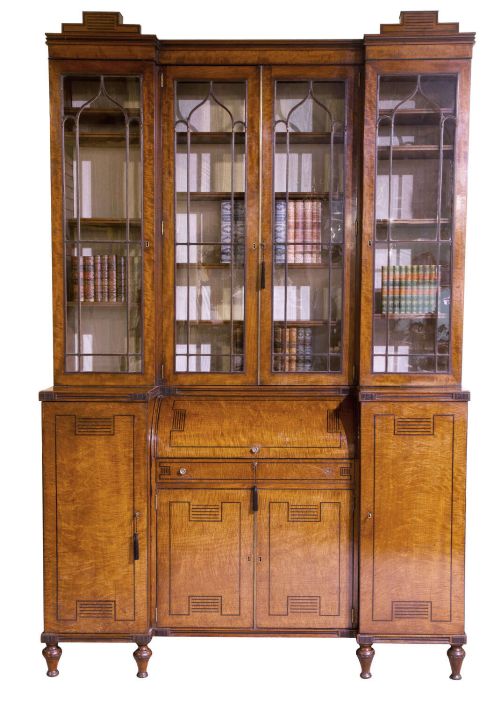
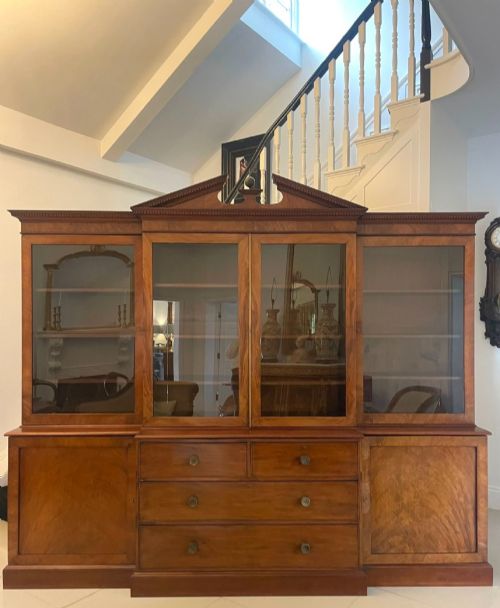
A brown display bookcase brings together timber shelving and enclosed glass compartments designed to hold books and decorative objects simultaneously. These pieces range from upright open shelf units to large breakfront cabinets fitted with adjustable timber tiers.
Victorian and Edwardian versions form the core of what meets the eye here, constructed predominantly in mahogany, oak, and walnut. Makers from the nineteenth and early twentieth centuries favoured these darker woods for domestic libraries and parlours.
The format also includes specialised variations such as sectional Globe Wernicke stacks, revolving bookcases, and secrteaire forms featuring drop-down writing desks. Each variation balances display space with concealed storage beneath.
Materials and construction methods
Cabinet makers utilised solid hardwoods like oak and mahogany for structural integrity, often applying burr walnut, satinwood, or rosewood veneers to prominent surfaces for visual depth. Inlays of ebony and marquetry patterns appear on finer Edwardian and Georgian style examples.
Glazing bars hold individual panes of glass within doors that protect contents from dust while maintaining visibility. Brass hardware, including hinges, locks, and handles, fastens doors and secures drop-front writing sections.
Carved details such as claw and ball feet, dentil cornices, and raised galleries demonstrate the joinery techniques of the period. Adjustable shelving systems rely on wooden ratchets or metal pins inset into the interior uprights.
Some revolving bookcases allowed Victorian readers to spin an entire library shelf with a single touch to find the next volume.
Judging construction standards
The grade of timber selection dictates the visual impact, with figured veneers and consistent grain matching separating standard utility pieces from high workshop productions. Secondary woods used for drawer linings and interior backs indicate the underlying build standard.
The execution of joinery, from tight dovetails on drawers to the precise fitting of glass doors, determines structural endurance over decades of use. Original hardware and functional locking mechanisms contribute to the integrity of the piece.
Waring and Gillow·Lebus·Gillows
The Brown Display Bookcase Glossary
- Breakfront
- A cabinet design where the central section projects forward from the flanking wings. This configuration adds architectural depth to large library bookcases.
- Secretaire
- A cabinet incorporating a pull-down or drop-front writing drawer that conceals small pigeonholes and letter compartments. It merges a desk with a bookcase.
- Globe Wernicke
- A modular sectional bookcase system patented in the late nineteenth century. The individual tiers stack vertically and feature upward-sliding glass doors.
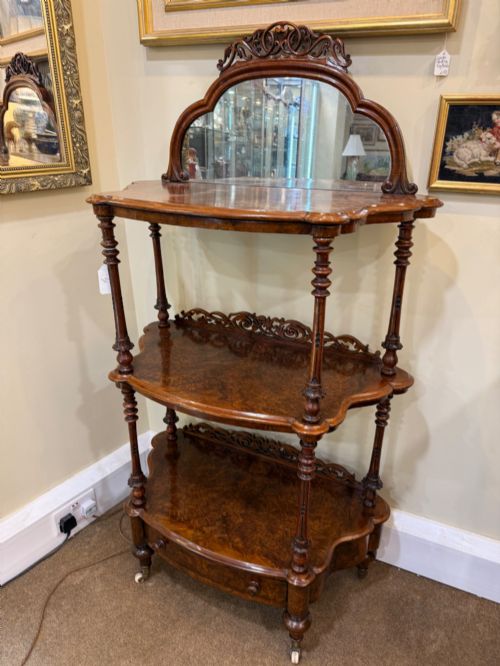
- Whatnot
- A piece of freestanding open shelving with multiple tiers supported by slender columns. It serves to display ornaments rather than hold heavy volumes.
- Dentil
- A series of small, rectangular wooden blocks spaced evenly along a cornice. This architectural moulding appears beneath the top edge of classical cabinets.
Brown Display Bookcase: Frequently Asked Questions
How do I adjust the shelves?
Most period bookcases utilise either a traditional wooden ratchet system or metal shelf clips set into vertical tracks inside the cabinet.
Lift the timber shelf slightly to disengage it from the supports, tilt it sideways to clear the frame, and reposition the supports at your chosen height.
Can these hold heavy books?
Solid mahogany, oak, and walnut construction provides robust support for substantial volumes. Adjustable timber shelves distribute weight across internal upright supports.
Distributed weight prevents sagging over long periods, though exceptionally heavy folios sit best on the lower fixed shelves.
How do I care for the wood?
Maintain timber finishes by keeping pieces away from direct sunlight and steady heat sources that cause wood to dry out and split. Apply microcrystalline wax periodically to nourish the surface.
Avoid silicone-based polishes which build up residue and attract dust to carved details and veneer.
Are the glass panes original?
Early glass often displays minor bubbles, surface waviness, and slight thickness variations due to historical hand-blown manufacturing techniques. Examining the glass under oblique light reveals these subtle irregularities.
Replacement glass typically appears entirely flat and lacks the optical distortions characteristic of nineteenth-century panes.