

Brown Corner Cabinet
A brown corner cabinet puts dead space to work, turning awkward angles into handsome display or storage.
Brown Corner Cabinet
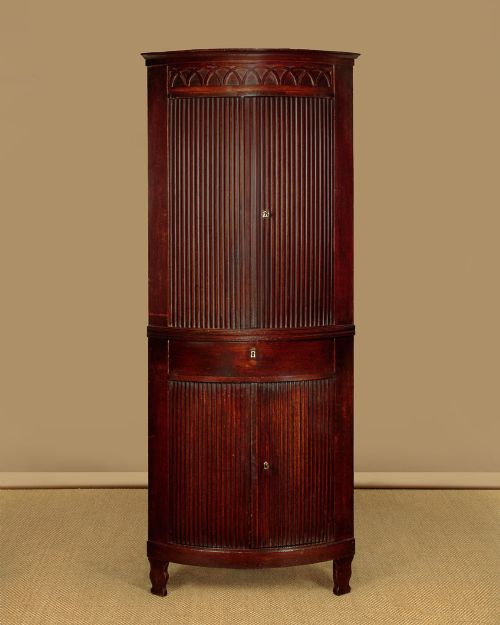
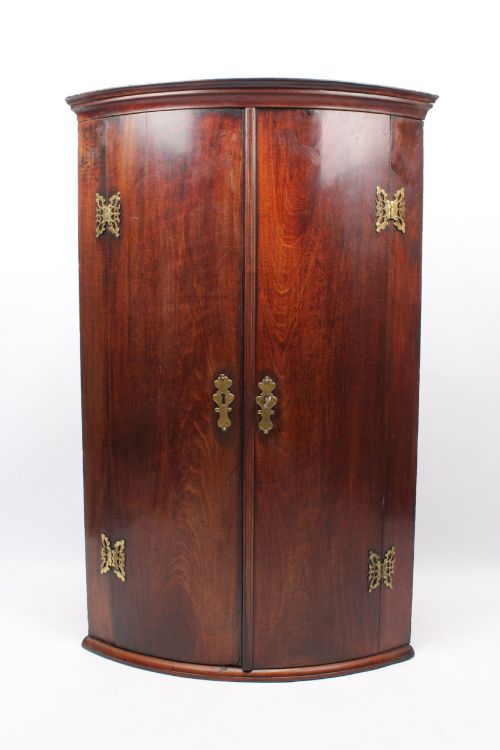
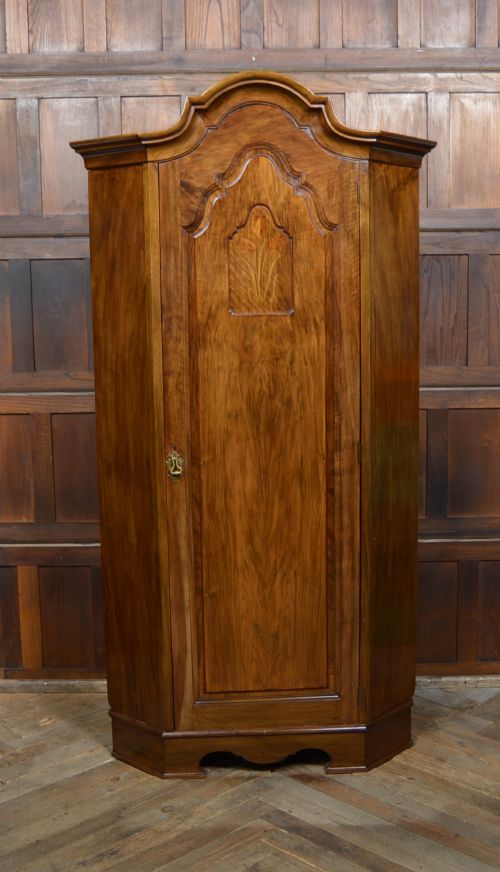
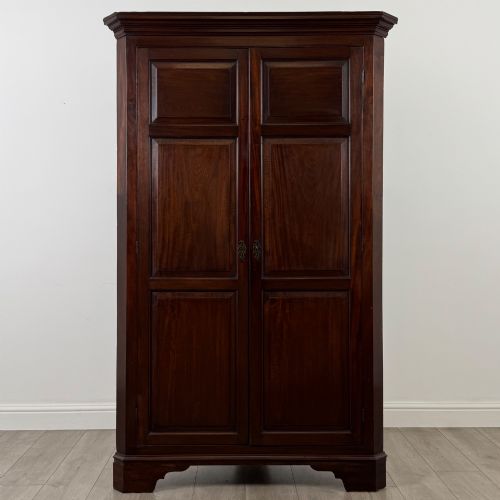
A brown corner cabinet makes efficient use of room angles, offering enclosed or shelved storage without dominating the floor plan. The search phrase covers both wall-hanging and floor-standing pieces built to fit snugly into a ninety-degree junction.
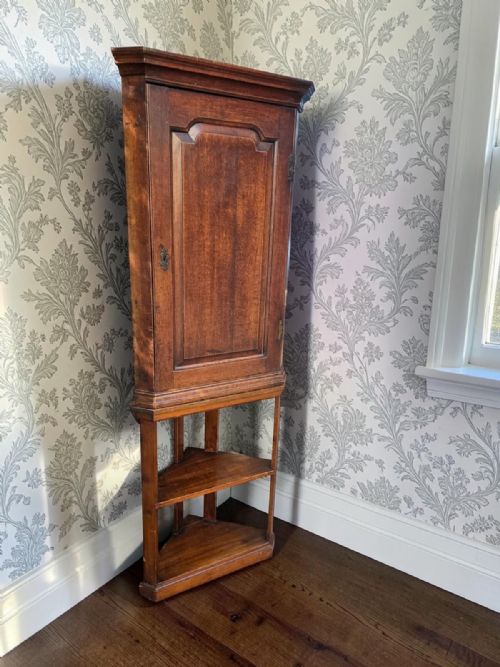
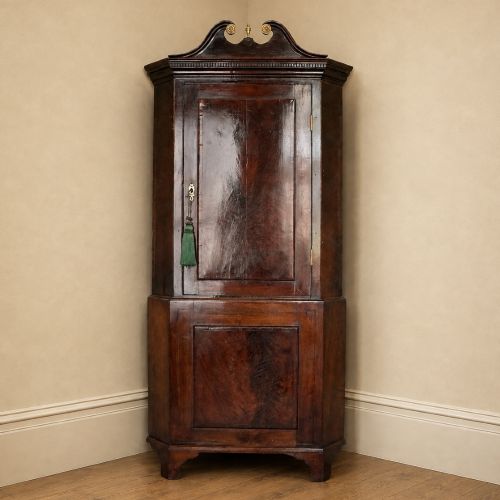
The pieces seen here span from the 18th century through the Georgian and Victorian eras into the early 20th century. Most examples are rendered in timber, with hanging and standing configurations appearing frequently across the periods.
How they were made
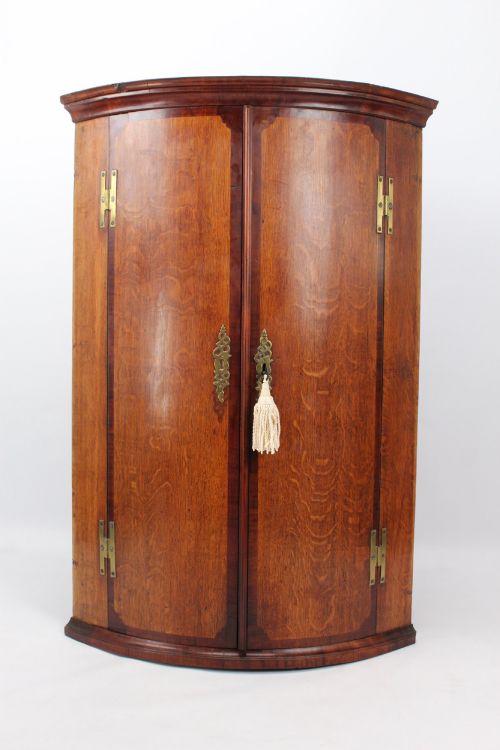
Cabinetmakers built these pieces using solid timbers like mahogany, oak, and walnut, frequently enhancing the surfaces with fruitwood inlay or satinwood details. Glazed doors incorporate glass panels, while brass hardware serves for hinges, escutcheons, and working keys.
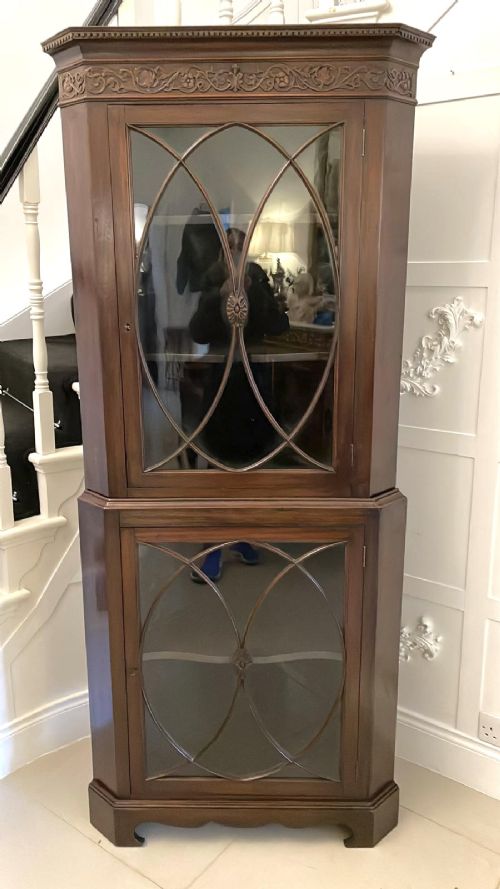
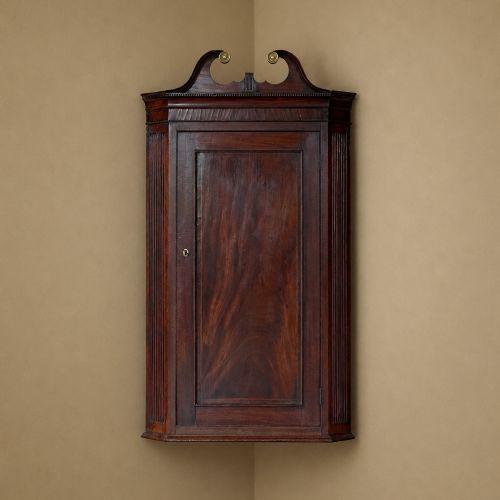
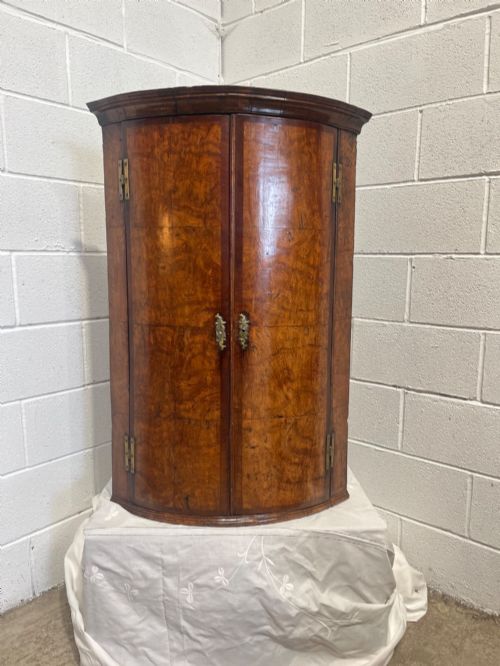
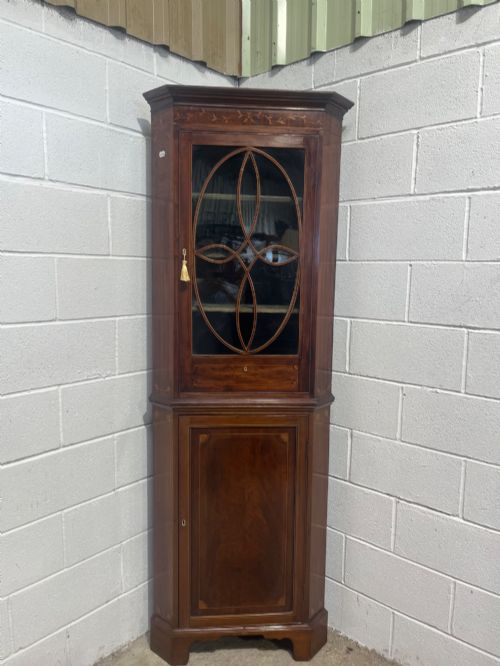
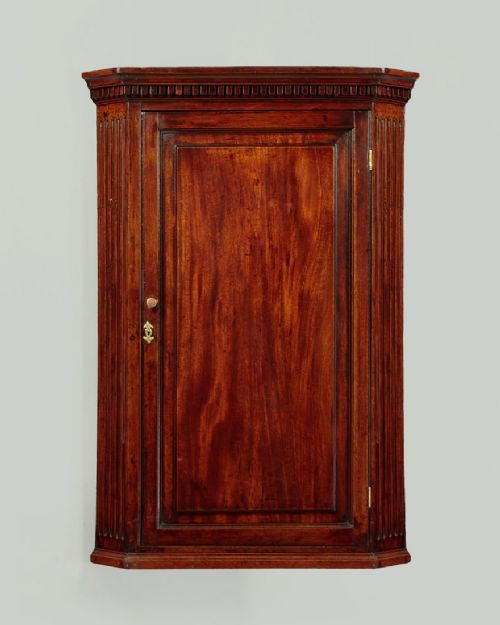
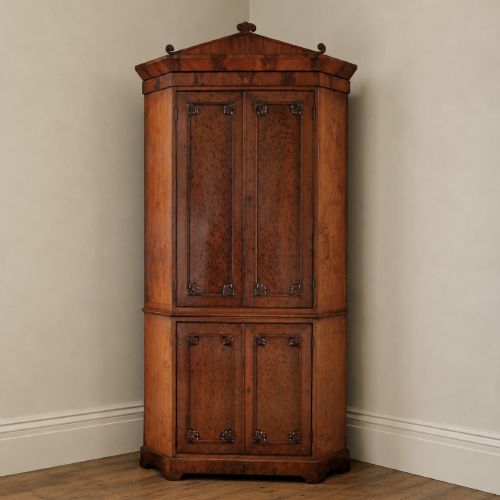
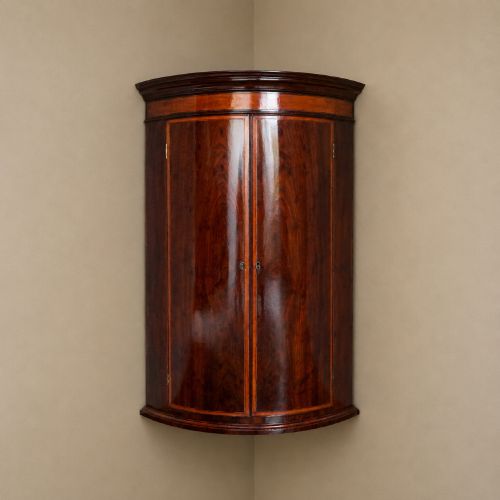
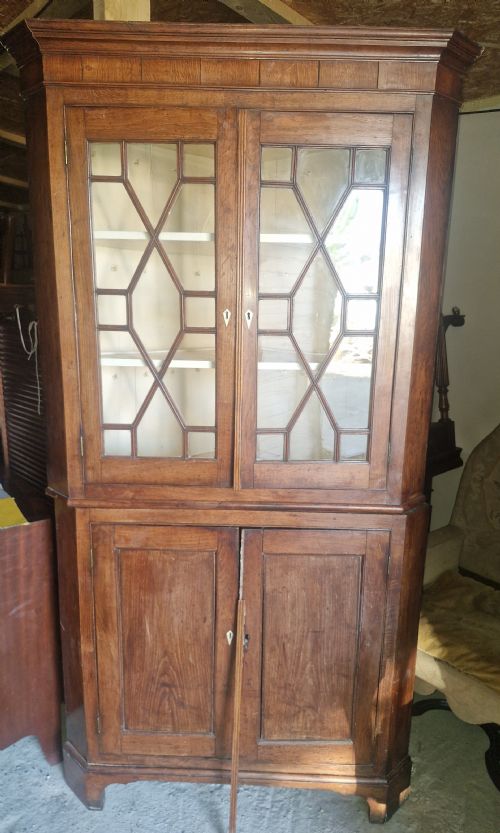
Structural designs include single-section hanging units, two-part double-height cupboards, and floor-standing models resting on stands or plinths. Bow front profiles and architectural cornices shape the external timber forms.
Several pieces arrive with their original working keys, saving future owners from hunting down period-appropriate iron locks.
What varies in quality
The quality of a brown corner cabinet rests on the selection of timber, such as figured plum pudding mahogany or burr oak, and the precision of the cabinetmaker's joinery. Superior examples display carefully matched wood grain across doors and panels.
Refined surface ornamentation, including crisp carved mouldings, marquetry, and delicate string inlay, separates standard utility cupboards from high-status pieces. The integrity of the original hinges, glass, and brass fittings also marks the upper tier.
The Brown Corner Cabinet Glossary
- Bow front
- A convex curved cabinet front that projects outward from the corners. This shape softens the hard lines of a room junction.
- Astragal glazed
- A glass door divided into smaller panes by narrow wooden bars called astragals. This allows contents to be displayed while keeping them enclosed.
- Hanging corner cupboard
- A wall-mounted unit designed to be secured directly to wall studs. These save floor space while utilising room corners.
- Standing corner cabinet
- A floor-resting unit that may be built in a single tall section or split into two stacked parts. They often feature shelving above and enclosed cupboards below.
- Marquetry
- Decorative veneer work forming pictorial or geometric patterns using various woods. It adds surface richness to cabinet doors.
Brown Corner Cabinet: Frequently Asked Questions
Where should I place a corner cabinet?
These pieces belong in any dead room angle that requires function or visual weight. They fit naturally into dining rooms, hallways, or living spaces where flat-wall furniture would obstruct traffic flow.
Because they utilise ninety-degree junctions, they anchor empty corners without encroaching on the centre of the room.
How do I tell a hanging cabinet from a standing one?
Hanging models mount directly to the wall and usually feature exposed fixing points or internal brackets. Standing versions rest entirely on the floor, often utilising a shaped plinth, bracket feet, or a dedicated stand.
Floor-standing pieces also tend to be substantially taller, sometimes split into two separate stacked sections for transport.
What is plum pudding mahogany?
Plum pudding mahogany is a highly figured timber grain characterised by small, circular markings resembling the fruit in a Christmas pudding. It results from branch growth disturbances and was prized for high-status furniture.
Cabinets featuring this wood display exceptional surface movement and visual depth.
Are these cabinets difficult to install?
Hanging models require secure fixing into solid wall studs or masonry to support the weight of the timber and its contents. Standing cabinets require only a level floor surface and occasional wall tethering for stability.
Two-part standing cupboards simply stack the upper section onto the base unit during assembly.