

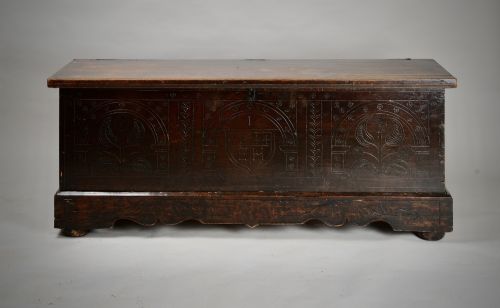
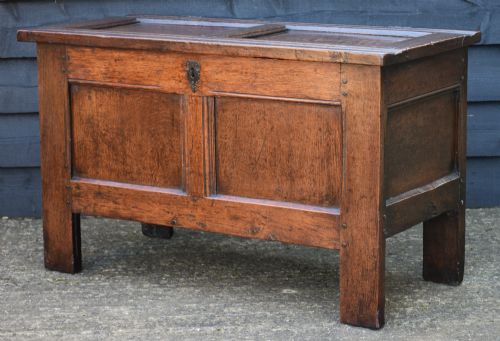
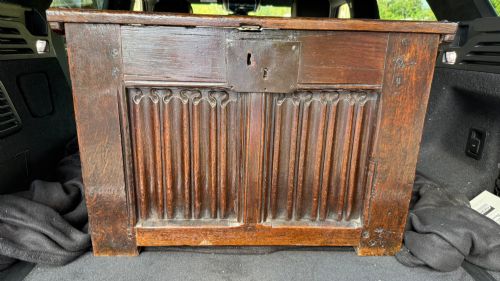
Brown Carved Wooden Chest
A brown carved wooden chest brings tangible history into a room, offering robust storage shaped by centuries of craftsmanship.
Brown Carved Wooden Chest
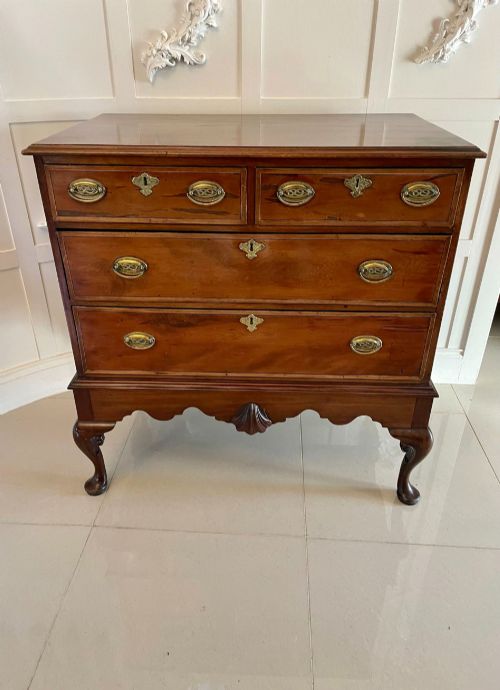
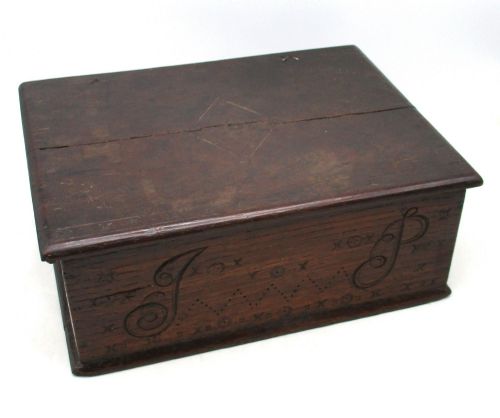
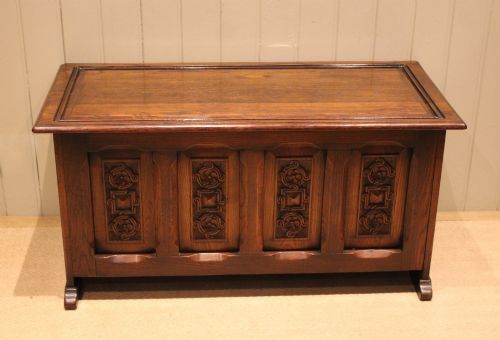
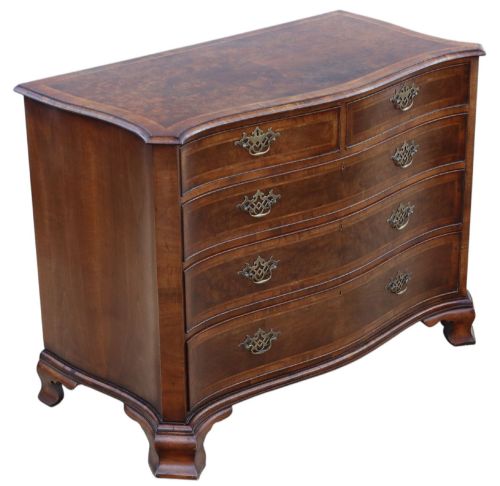
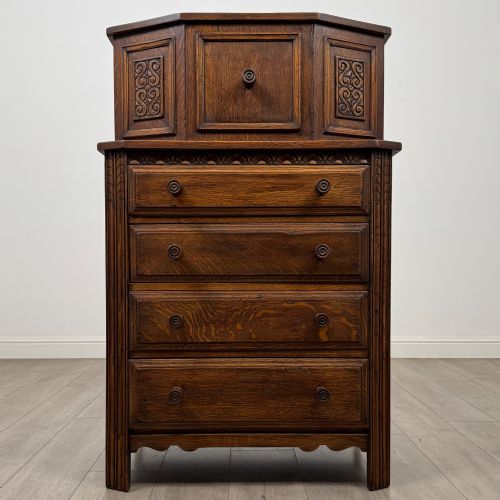
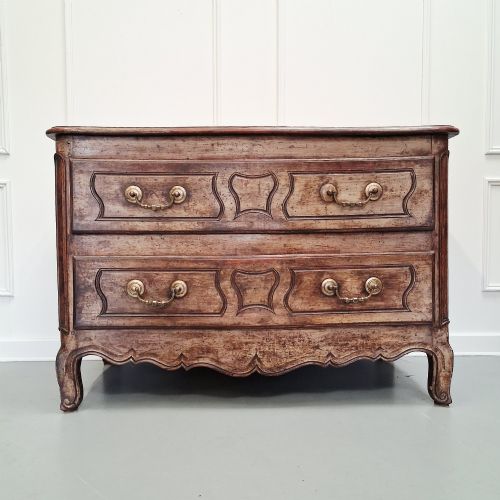
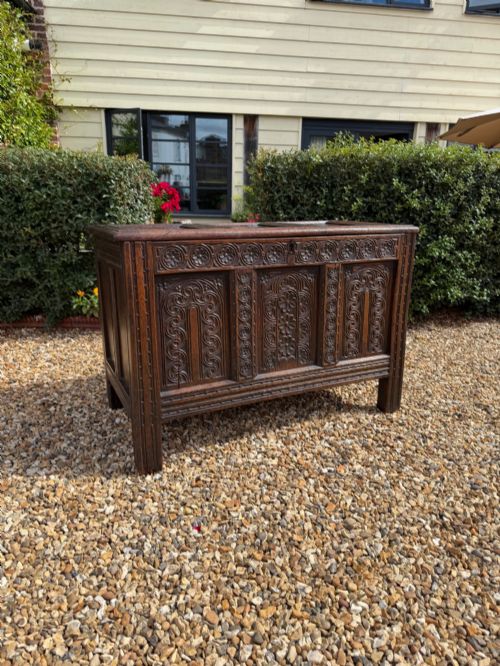
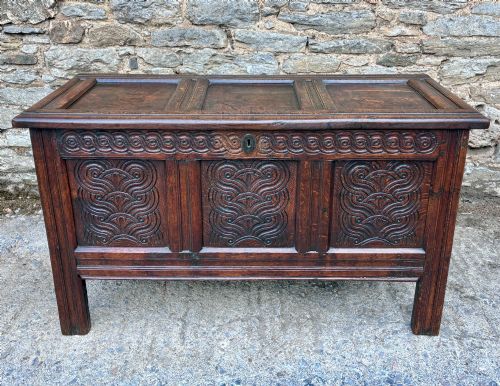
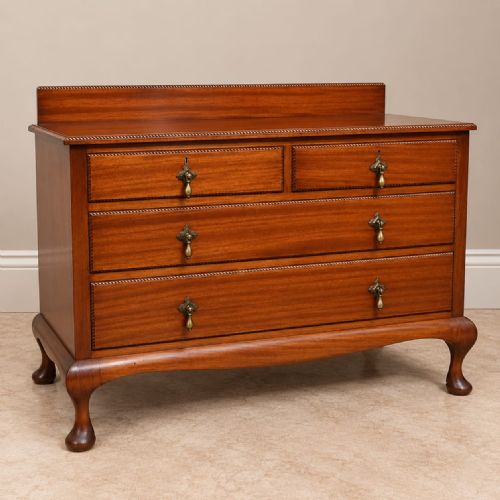
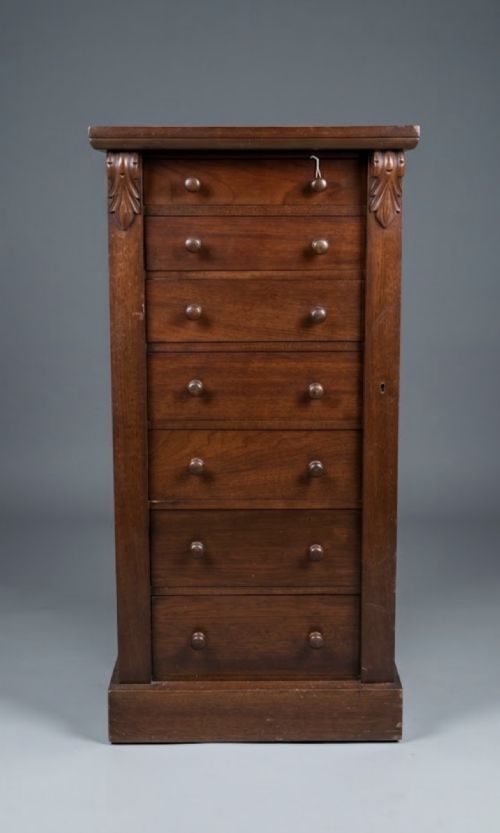
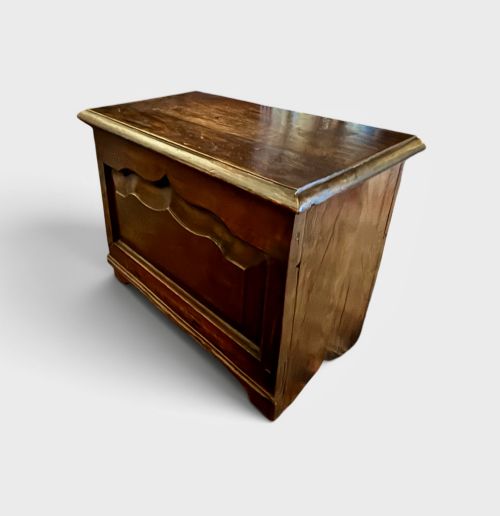
A brown carved wooden chest encompasses sturdy storage pieces ranging from early coffer boxes to later commodes and drawers. These items emerge from various periods including the sixteenth, seventeenth, and eighteenth centuries, alongside Victorian, Edwardian, and later revivals.
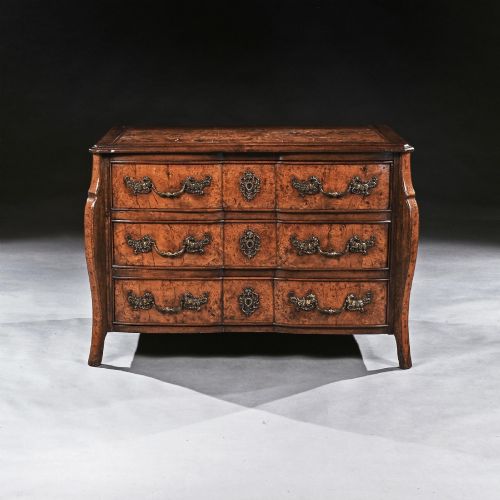
Buyers most frequently encounter solid oak coffers and walnut or mahogany chests of drawers. Regional variations span English, French provincial, Dutch, Italian, and Asian workshops, each bringing distinct timber choices and carving traditions to the surface.
The functional forms span document boxes, blanket coffers, dowry chests, and multi-drawer bedroom furniture. Such variety ensures a piece suits entryways, living spaces, or bedrooms while retaining its historical character.
Materials and Construction
Makers relied primarily on native and imported timbers, notably oak, walnut, mahogany, burr elm, and teak. Selected woods were seasoned carefully before being shaped with hand tools, gouges, and chisels.
Joinery techniques involved sturdy mortise and tenon frames, dovetail joints for drawers, and iron or brass hardware for hinges and locks. Panels often received hand-carved relief work, geometric mouldings, or marquetry inlay using contrasting veneers.
Some dowry chests were built so heavy that eloping couples simply packed the entire trunk.
Judging Quality
Superior examples display crispness in the hand-carved details and genuine depth in the timber's patina. The integration of original brass or iron hardware alongside sound structural joinery separates finer pieces from lesser ones.
The degree of original surface survival dictates the standard of a brown carved wooden chest. Alterations, replaced panels, or heavy restoration diminish the integrity expected by knowledgeable buyers.
The Brown Carved Wooden Chest Glossary
- Coffer
- A large wooden chest traditionally used for storing valuables or household goods. Early examples frequently feature heavy oak construction and hinged lids.
- Commode
- A low chest of drawers or cabinet originating in France. These pieces often exhibit refined veneers or serpentine shaping.
- Marquetry
- Decorative inlay work using various coloured wood veneers to create pictorial or geometric patterns. Artisans applied this technique extensively on Dutch and continental case furniture.
- Patina
- The surface sheen and mellowing developed by wood over decades of handling and wax polishing. This quality indicates age and authenticity.
- Linenfold
- A style of wood carving that mimics folded fabric, popular on Tudor and Jacobean panels. It provides a tactile texture across the face of storage furniture.
Brown Carved Wooden Chest: Frequently Asked Questions
How do I date a wooden coffer?
Dating relies on examining construction methods, tool marks, and joinery styles. Earlier pieces from the sixteenth and seventeenth centuries utilise pegged mortise and tenon frames rather than modern fixings.
Secondary indicators include the type of timber used, hinge mechanisms, and the style of any carved ornamentation. Comparing these elements with known period examples clarifies the likely decade of manufacture.
Where should I place a chest at home?
These storage pieces work effectively in hallways as blanket boxes, or serving as coffee tables in living rooms. Their durable construction suits high-traffic areas where surface space and storage are both useful.
Keeping timber furniture away from direct heat sources and strong sunlight prevents the wood from drying out or splitting. Regular waxing maintains the natural lustre of the finish.
What is the difference between a coffer and a chest?
A coffer strictly describes a box with a hinged lid accessed from the top, traditionally secured with heavy iron straps. Over time, the form evolved to incorporate drawers beneath the main compartment.
A chest generally refers to a piece designed with horizontal drawers stacked vertically. Both categories fall under the broader heading of brown carved wooden chest.
How should I care for antique wood?
Maintaining antique timber requires occasional application of traditional beeswax to nourish the grain and protect the patina. Avoid using silicone-based sprays or modern polishes that can damage the surface over time.
Maintaining a stable room temperature and humidity level prevents the wood from expanding or contracting excessively. Gentle dusting with a soft cloth keeps the carvings clear.