


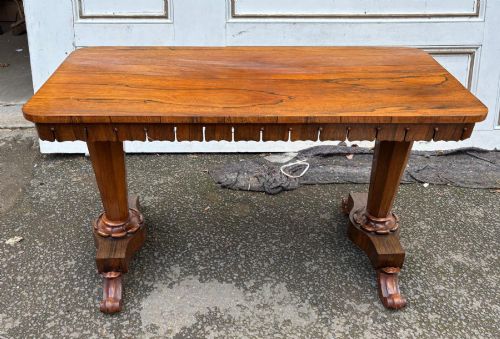
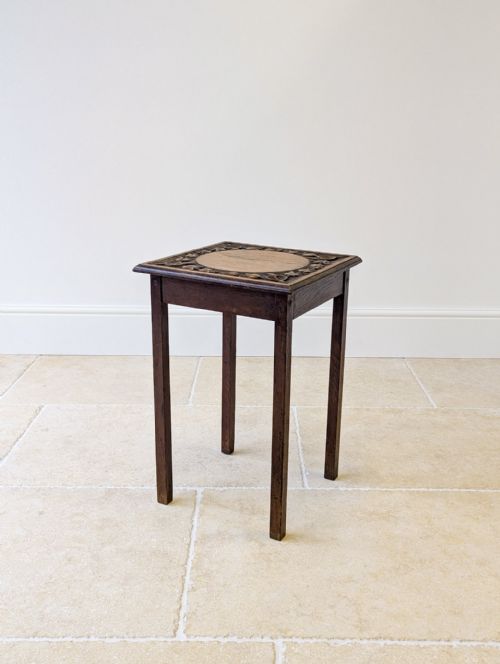
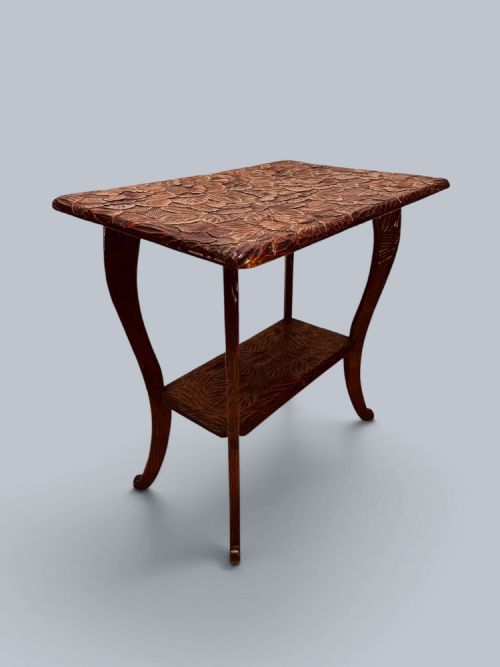
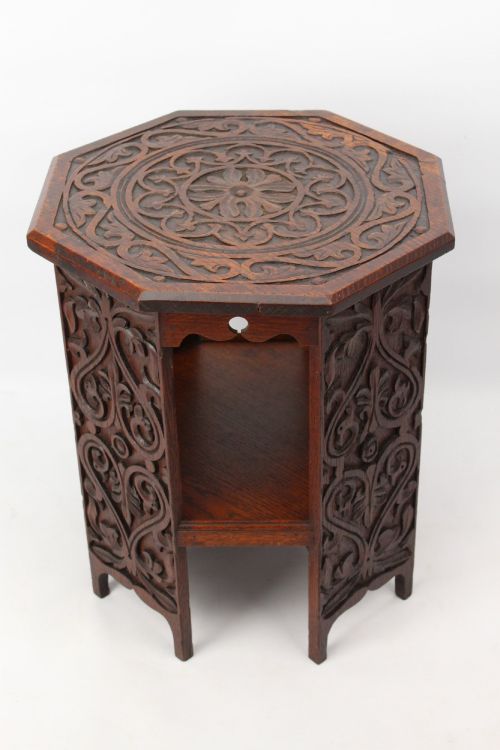
Brown Carved Accent Table
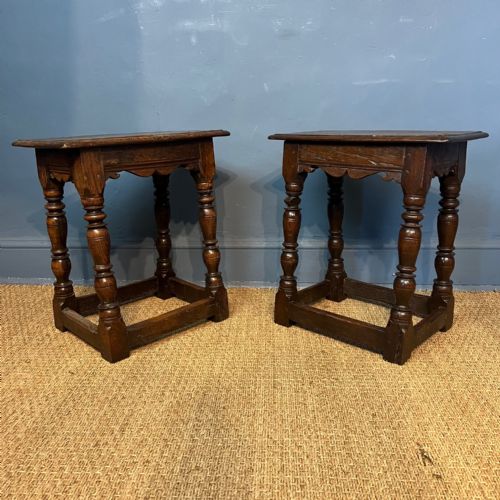
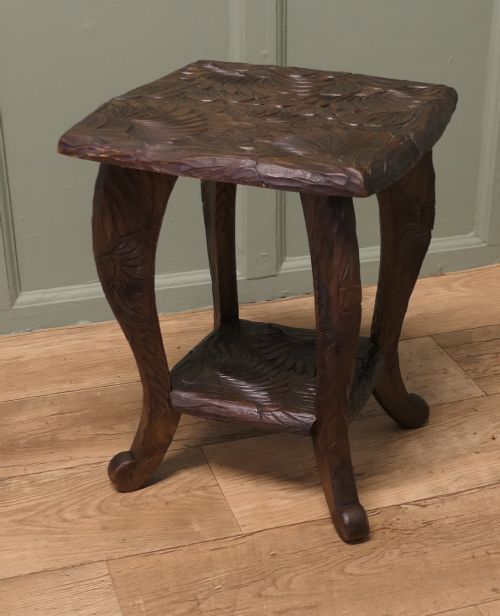
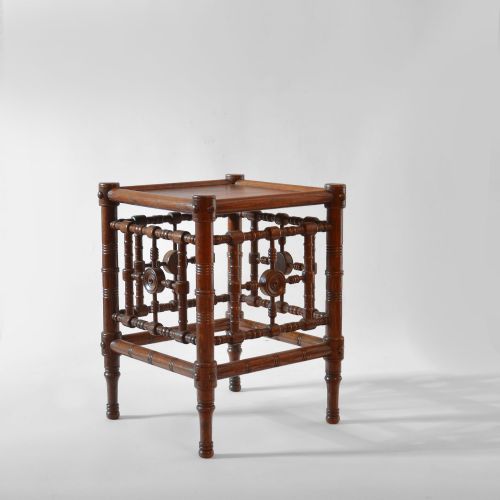
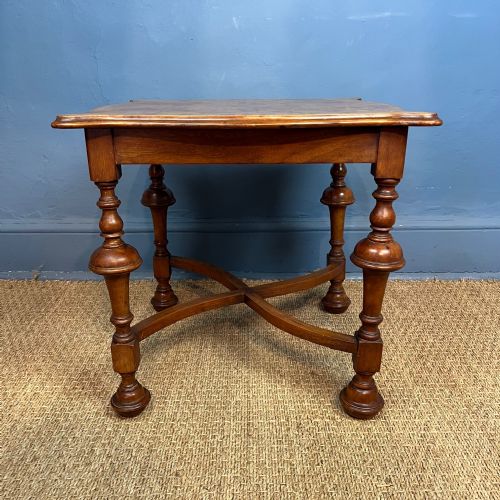
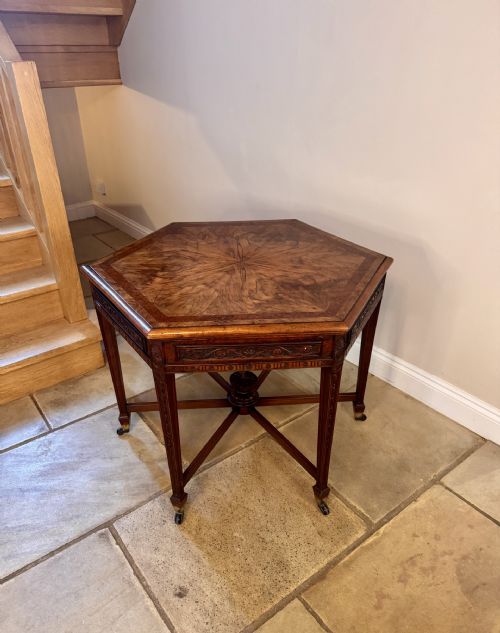
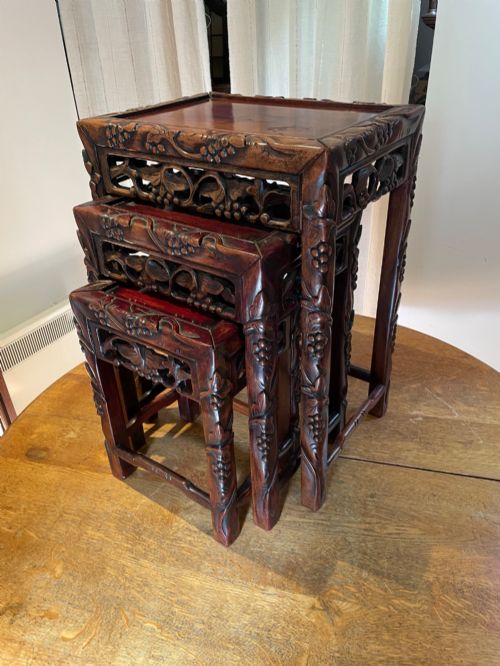
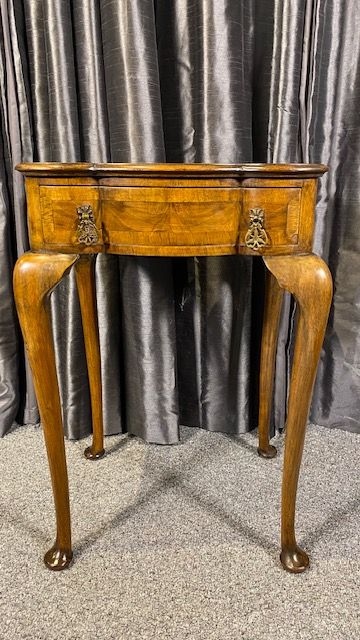
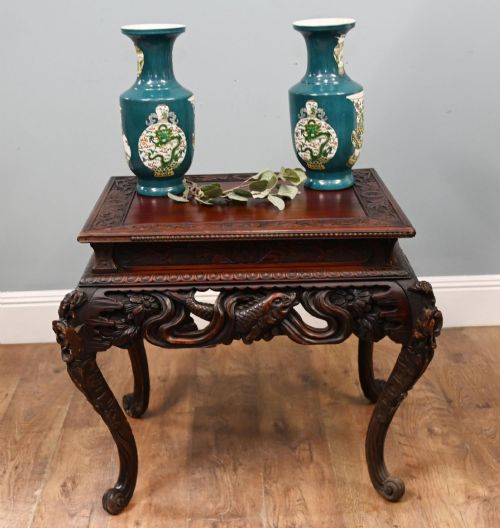
A brown carved accent table brings practical surface space and rich timber texture to a room, drawing the eye with detailed period craftsmanship.
Brown Carved Accent Table
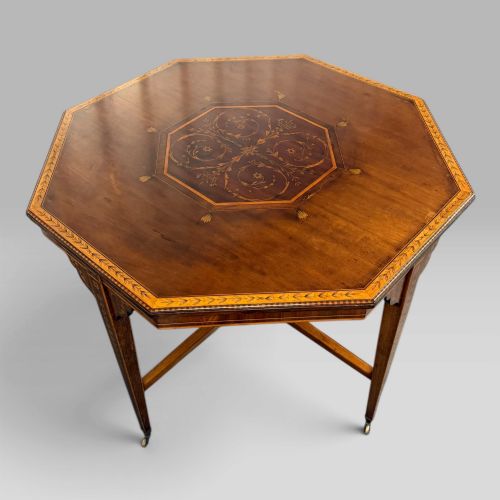
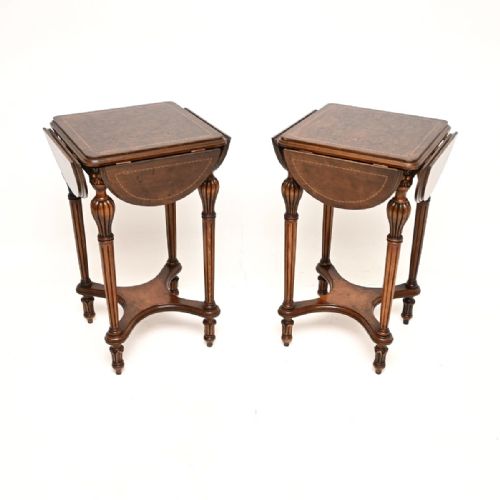
A brown carved accent table encompasses a wide variety of small occasional furniture designed for placement beside seating or against walls. When exploring this selection, buyers frequently encounter Victorian, Edwardian, and 19th-century pieces serving as side tables, centre tables, and lamp tables.
The assortment spans diverse regional traditions, incorporating English oak and walnut alongside Anglo-Indian, Burmese, Kashmiri, and Italian productions. Forms range from octagonal tables and tilt-top designs to lowboys and plant stands, each offering distinct proportions suited to domestic use.
Materials and construction methods
Cabinetmakers relied heavily on dense timbers such as walnut, oak, mahogany, and rosewood, frequently utilising burr walnut veneers or marquetry inlay to create textured surfaces. Hardwood, teak, pine, and elm also appear across specific regional styles and centuries.
Carving, turning, and joinery define the structural integrity of these pieces, from barley twist legs and pedestal bases to grotto work and intricate inlaid patterns. Brass hardware and occasional marble tops further supplement the timber construction.
Brown Carved Accent Table Retail Price Guide 2026
Typical asking prices for brown carved accent table among the pieces listed under this phrase on Sellingantiques today, from the lower quarter to the upper quarter. They describe what is for sale here now, not the wider market.
Listings feature timbers including walnut, oak, mahogany, rosewood, teak, elm, and brass across periods from the 17th century to the 20th century.
Evaluating the standard of execution
The calibre of a brown carved accent table depends primarily on the depth and crispness of the carving, alongside the selection of timber figures like burr walnut or figured walnut. Pieces featuring intricate marquetry, solid oak construction, or balanced proportions display superior workshop standards.
Origin and stylistic cohesion also dictate distinction, where specialised regional items such as Hoshiarpur or finely worked Italian pedestals demonstrate advanced artisan techniques compared to simpler domestic utility tables.
The Brown Carved Accent Table Glossary
- Burr walnut
- A highly figured timber veneer prized for its swirling grain patterns. It appears frequently on Victorian and Edwardian lamp tables and centre tables.
- Marquetry
- The art of applying decorative pieces of veneer to a structure to form intricate designs. This technique elevates the visual texture of Victorian walnut tables.
- Lowboy
- A small oak or walnut table with drawers, typically dating to the 18th century or later reproductions. These serve as compact side or accent surfaces.
- Tilt-top table
- A table designed with a mechanism that allows the surface to pivot to a vertical position when not in use. They save space and showcase the timber grain.
- Barley twist
- A type of column turning resembling a spiralling rope. This decorative feature is common on late Victorian solid oak side tables.
Brown Carved Accent Table: Frequently Asked Questions
Where should I place a brown carved accent table?
These pieces fit naturally beside sofas and armchairs or function as lamp tables in hallways and reception rooms. Their compact proportions allow them to occupy awkward corners while providing a functional surface.
Matching the timber tone to existing room elements ensures the table complements its surroundings without dominating the space.
How do I identify a Victorian accent table?
Victorian examples frequently utilise burr walnut or mahogany, often featuring rich marquetry inlay, turned columns, or elaborate carving. Examining the underside and secondary timbers helps confirm the 19th-century origin.
Maker choices and decorative motifs from this era tend to emphasise heavier, decorative forms compared to earlier Georgian designs.
What is an Anglo-Indian table?
These are tables produced in India during the 19th century, typically carved from dense hardwood or walnut with intricate geometric or floral patterns. They often feature folding or octagonal designs intended for export to British homes.
Their distinctive carving sets them apart from standard domestic European furniture of the same period.
How do I care for antique walnut furniture?
Keep walnut tables away from direct heat sources and strong sunlight to prevent the timber and burr veneers from drying out. Regular dusting with a soft, dry cloth preserves the finish.
Occasional application of appropriate wax polish helps maintain the natural lustre of the wood over time.