

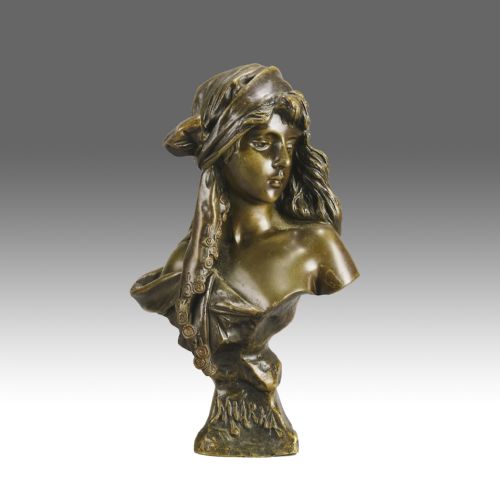
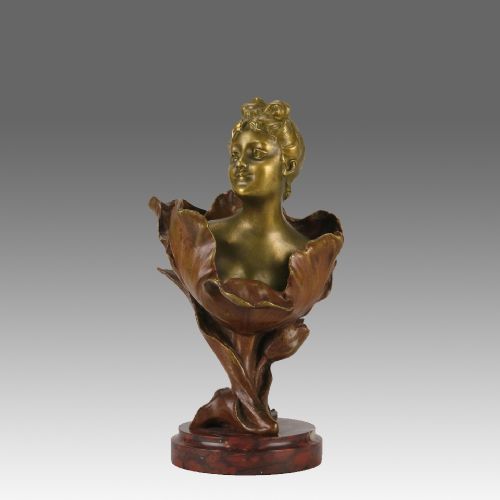
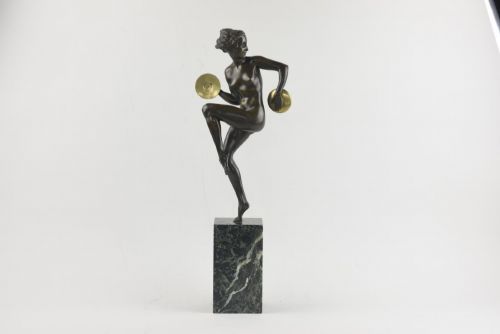
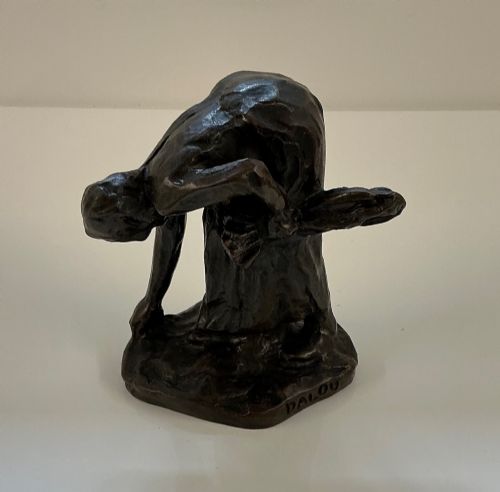
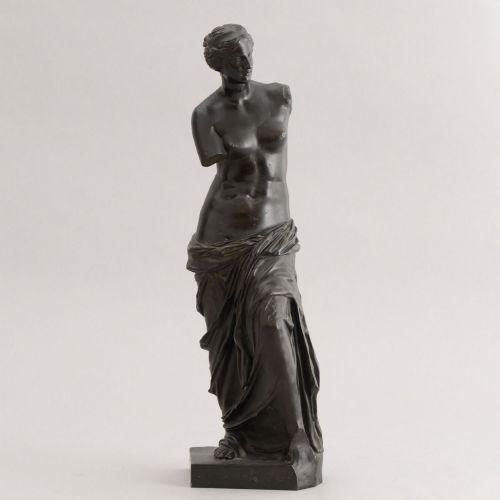


Brown Bronze Female Sculpture
These brown bronze female sculpture pieces encompass 19th-century works and later castings celebrating the human form through classical, allegorical and modernist lenses.
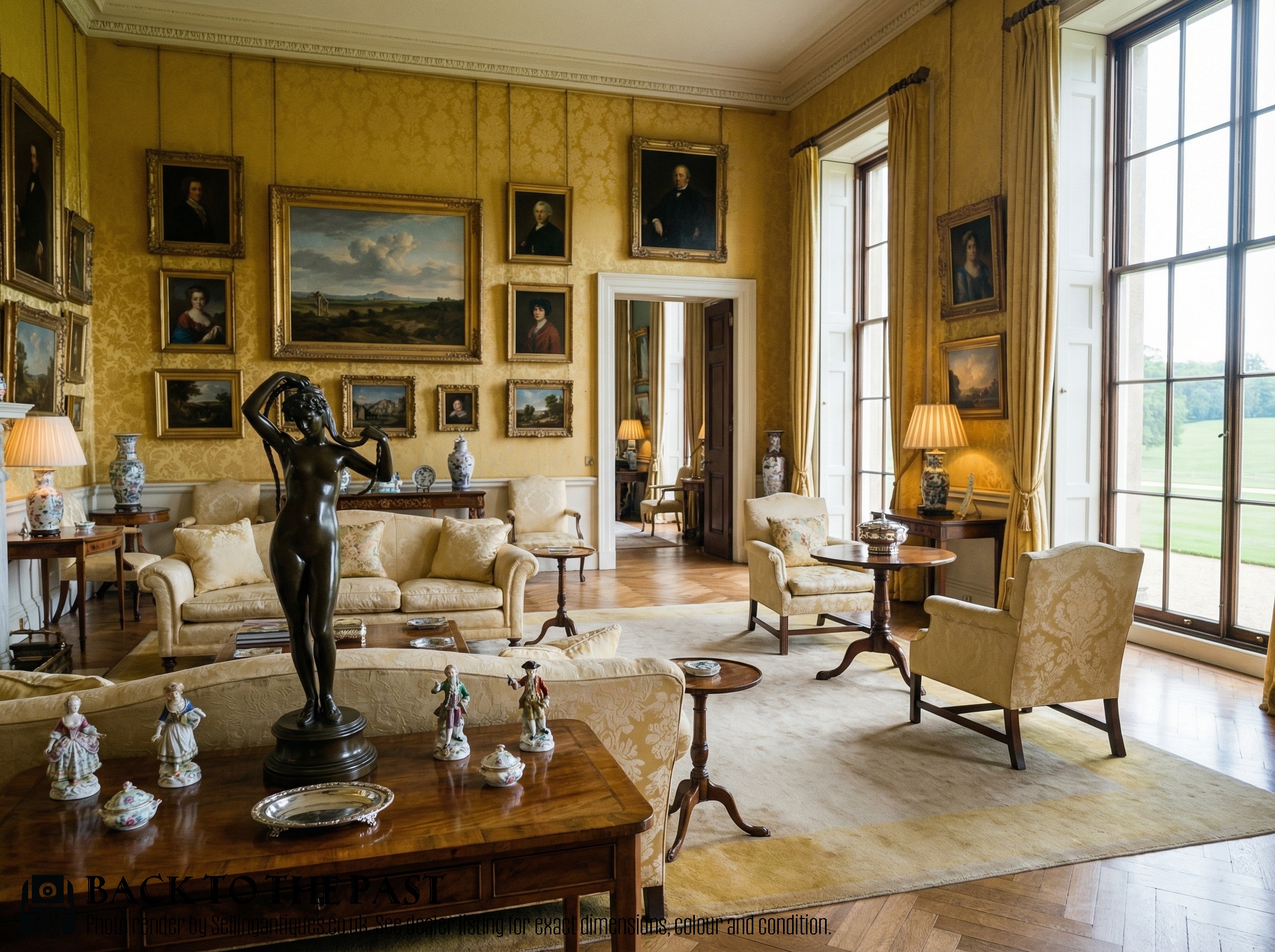
Brown Bronze Female Sculpture
A brown bronze female sculpture represents figures ranging from mythological deities and literary heroines to dancers, allegories and contemporary portraits. You will encounter classical deities like Venus alongside Art Nouveau allegories and Art Deco dancers.
The selections span the Victorian, Edwardian and early 20th-century periods, with a strong representation of French and Austrian foundry work. Busts, full figures and figural vases dominate the offerings in this category.
Many items draw directly on classical antiquity, such as Grand Tour souvenirs and reductions after famous marbles, while others capture contemporary 19th-century realism or sleek modernist lines.
Materials and casting methods
Foundries utilised the lost-wax casting method or sand casting to produce these metal works, allowing for intricate detail in hair, drapery and facial expression. The base metal is frequently complemented by patination, ranging from warm chocolate browns to gilt finishes.
Alternative materials appear alongside cast metal, including marble plinths, patinated plaster, wood and painted surfaces. Spelter also occurs as a more accessible medium mimicking bronze in certain figural pieces.
Peacocks, panthers and botanical crowns frequently share the stage with these ladies, proving that early sculptors loved a dramatic companion.
Assessing the execution
The depth and consistency of the patination contribute significantly to the visual weight of a piece. Superior works display deliberate tonal variations that accentuate the contours of the drapery and anatomy.
Rudolf Küchler·Emmanuel Villanis·Henri Godet·Aurore Onu·Jules Dalou·Maurice Guiraud Riviere·Sylvain Kinsburger·Hans Müller·George Van Der Straeten·Charles Korschann·Maurice Bouval·Auguste Moreau·Ferdinando de Luca·Pierre le Faguays·Antoine Coysevox·Barbedienne·Hans Schork·Eutrope Bouret·Henri Plé
The Brown Bronze Female Sculpture Glossary
- Patination
- The chemical treatment applied to the metal surface to produce a specific colour, such as a rich brown. This finish protects the metal and defines the visual character of the sculpture.
- Lost-wax casting
- A traditional technique where a wax model is melted out of a mould to create a cavity for molten bronze. This method permits the highest level of sculptural detail.
- Grand Tour
- A cultural journey undertaken by wealthy Europeans in the 19th century, resulting in the acquisition of small-scale bronze copies of classical antiquities. These souvenirs replicated famous museum sculptures for home display.
- Spelter
- A zinc alloy commonly utilised as a less costly alternative to bronze during the late 19th and early 20th centuries. It is frequently painted or patinated to simulate bronze.
Brown Bronze Female Sculpture: Frequently Asked Questions
What periods do these sculptures date from?
The works span the 19th and early 20th centuries, covering Victorian, Edwardian, Art Nouveau and Art Deco eras.
Foundry practices and stylistic shifts during these decades influenced the distinct appearance of each casting.
How do I distinguish bronze from spelter?
Bronze is heavier, cooler to the touch and rings with a different tone when tapped gently compared to zinc-based alloys.
Examination of the underside or worn areas may also reveal the underlying metal colour beneath the patination.
Where should I display a bronze figure?
These sculptures suit stable surfaces away from direct moisture and extreme temperature fluctuations to protect the patinated finish.
Placing them on mantelpieces, desks or dedicated pedestals allows adequate light to catch the modelled contours.
What is the significance of foundry marks?
Foundry stamps and signatures indicate the workshop responsible for casting the metal edition.
Such signatures help confirm the period of production and connect the piece to known manufacturing houses.