
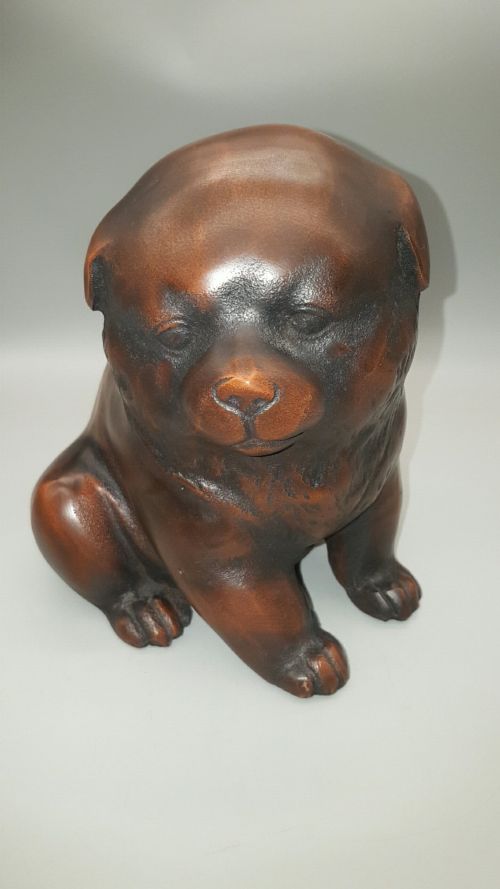
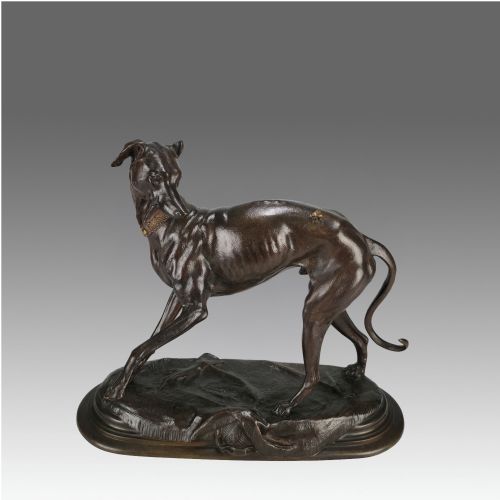
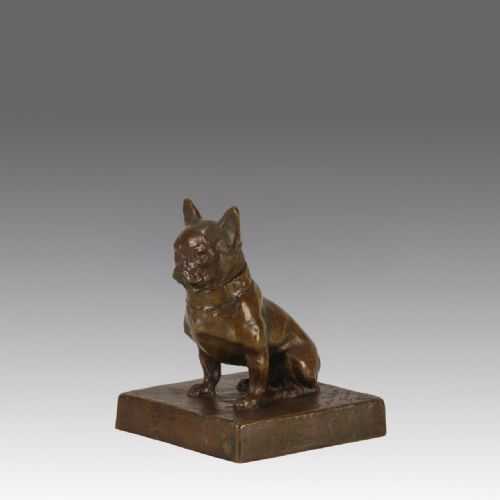

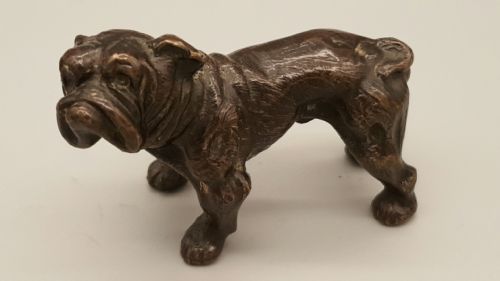


Brown Bronze Dog Ornament
A brown bronze dog ornament brings enduring character to a room, capturing the loyal stance and fine detail of various canine breeds in cast metal.
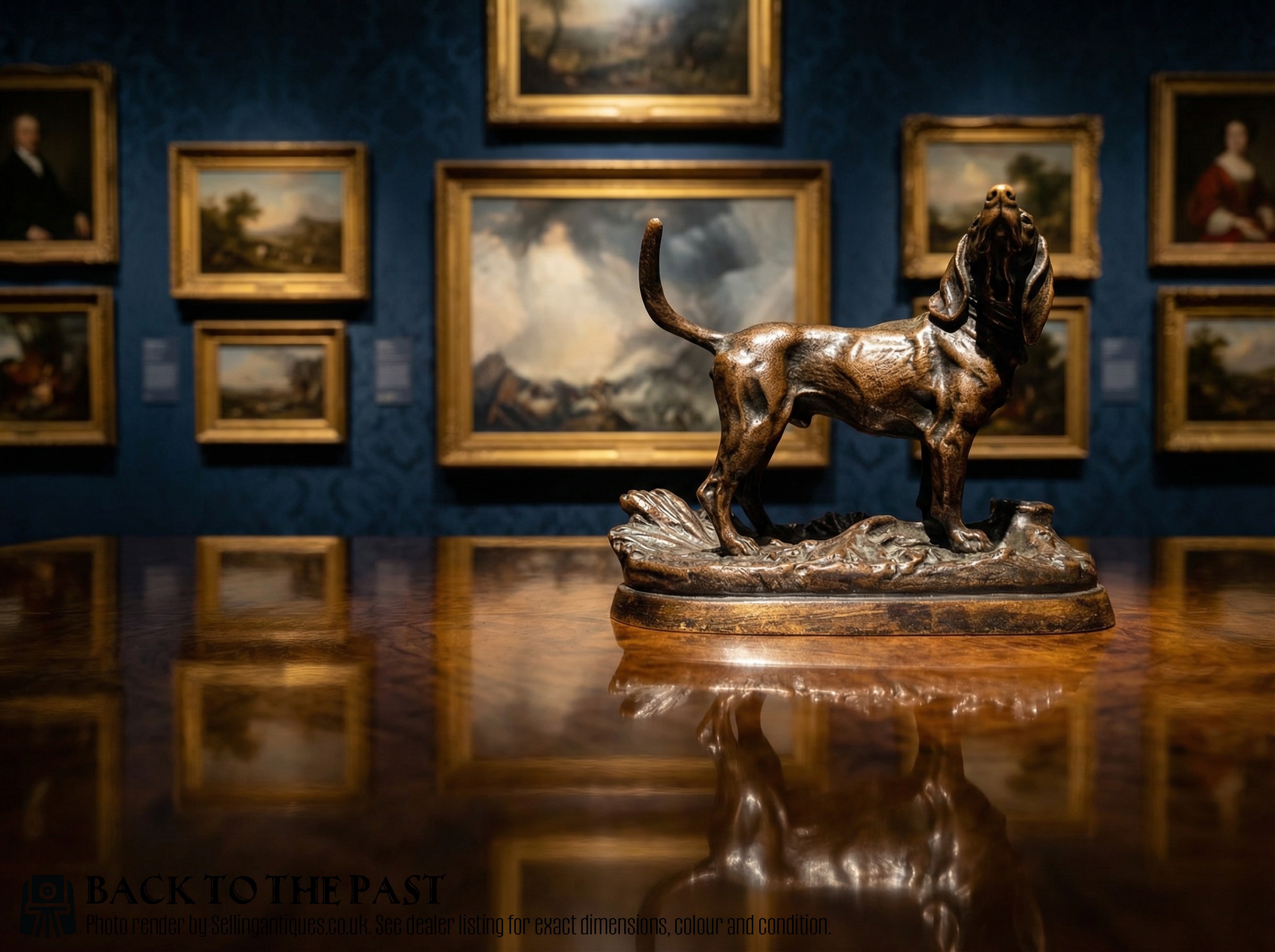
Brown Bronze Dog Ornament
A brown bronze dog ornament represents a long tradition of animalier sculpture, capturing hounds, terriers, and sporting breeds in realistic poses. These pieces emerge primarily from nineteenth-century workshops and early twentieth-century foundries, reflecting both French and Austrian artistic movements.
The selections range from miniature cold-painted figures and car mascots to substantial Victorian hunting dog statues and functional desk inkwells. Collectors encounter depictions of pugs, setters, greyhounds, and bulldogs rendered with distinct personality.
Originating across Europe and Japan, these figures span the Victorian era, the Edwardian period, and the early twentieth century. Animalier studies and Okimono groupings dominate the forms available in this selection.
Materials and foundry techniques
Foundries utilised the lost-wax casting method for many of these figures, allowing sculptors to capture intricate musculature, fur texture, and collar details. Molten bronze poured into intricate moulds produced durable sculptures that retain sharp definitions over generations.
Surface finishes rely heavily on applied patination to achieve the characteristic brown tones, sometimes enhanced with cold-painted polychrome details. Alternative materials such as bronzed plaster appear alongside solid metal castings to offer varying weights and surface textures.
Listings feature works spanning the nineteenth century through to the 1920s, incorporating both solid bronze castings and bronzed plaster forms.
Distinguishing quality in canine sculptures
The presence of a recognised foundry mark or a signature from a known sculptor elevates a piece significantly. Patina preservation also dictates value, with undisturbed original surfaces outperforming stripped or heavily restored metal.
Alfred Barye·Dora Heber·Jules Moigniez·Edith Parsons·Auguste Nicholas Cain·Arthur Waagen·Louis Riche·Dubucand·L. Bureau·Tsunemitsu
The Brown Bronze Dog Ornament Glossary
- Animalier
- A nineteenth-century artistic movement dedicated to the realistic portrayal of animals, particularly in bronze. Sculptors in this tradition focused on the natural movement and anatomy of wildlife and domestic beasts.
- Cold-painted bronze
- A manufacturing technique where bronze figures receive paint layers without subsequent firing in a kiln. This Austrian specialty produced brightly coloured details on small figurines and desk ornaments.
- Patina
- The surface coloration and sheen that develops on bronze naturally over time or through chemical application. It protects the metal and adds depth to the sculptural details.
- Okimono
- A Japanese term for a decorative object intended for display on a shelf or in a tokonoma alcove. These bronze figures often depict playful groupings of puppies with high attention to naturalistic posture.
Brown Bronze Dog Ornament: Frequently Asked Questions
What is an animalier dog bronze?
An animalier bronze is a nineteenth-century sculpture focused specifically on realistic animal anatomy and behaviour. These pieces portray dogs in moments of rest, play, or the hunt with careful observation.
Artists in France and across Europe specialised in this genre, working closely with foundries to translate clay or wax models into durable metal castings.
Were these figures used as car mascots?
Some smaller bronze and cold-painted figures served as automobile mascots mounted on radiator caps during the early twentieth century. Their solid weight and durable construction made them suitable for exterior display.
Collectors often examine the base mountings to determine if a particular canine figure was originally engineered for automotive use.
How can I tell the age of a bronze dog?
Dating relies on stylistic clues, foundry marks, signature styles, and the characteristics of the patina. Victorian and Edwardian pieces often display distinct casting seams and mounting screws appropriate to their period.
Comparison with documented works by known sculptors from the nineteenth and early twentieth centuries helps confirm the production timeframe.