




Brown Boat Landscape Painting
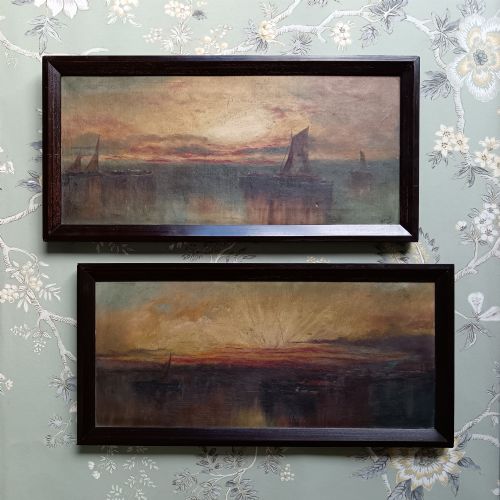
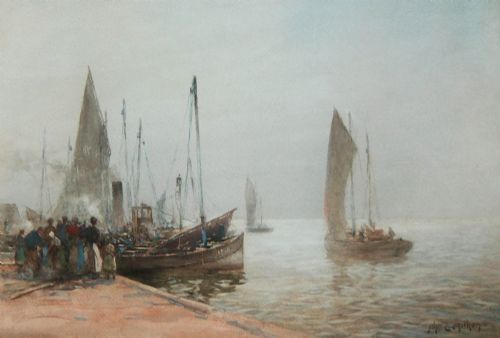
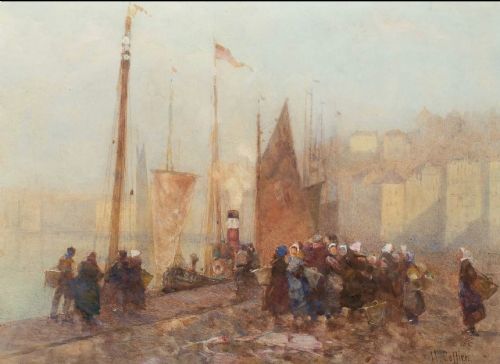
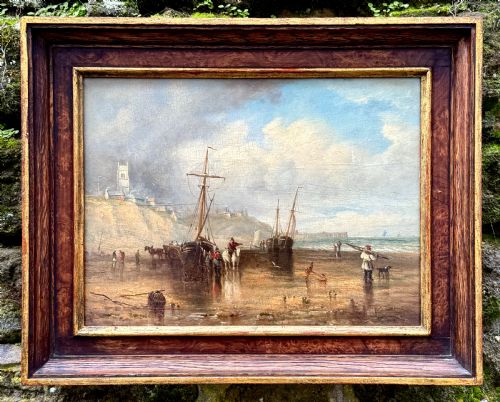
These brown boat landscape painting works capture maritime and river scenes through the 19th and mid 20th centuries.
Brown Boat Landscape Painting
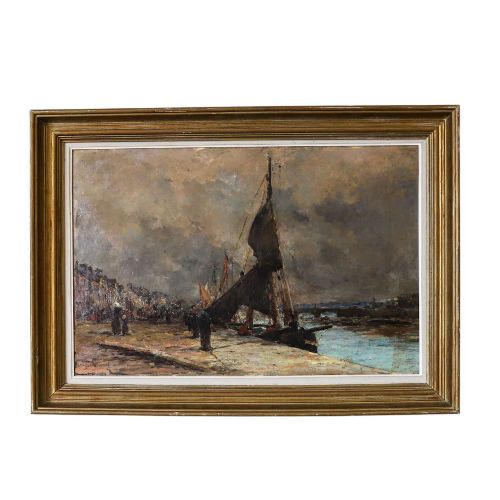
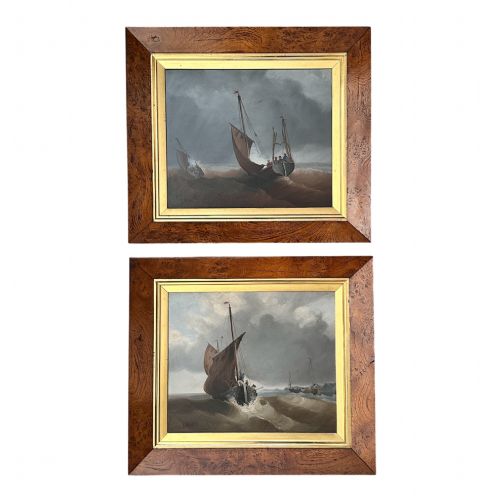
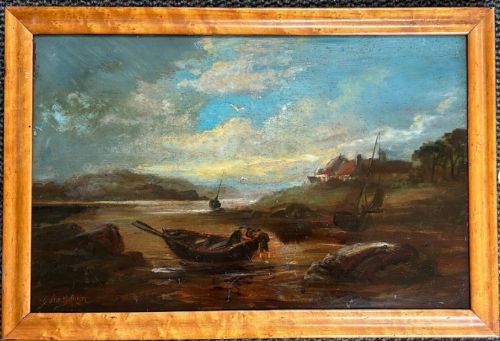
A brown boat landscape painting typically depicts maritime, river or harbour views featuring vessels such as fishing boats, barges and coastal shipping. These works range from 19th-century Victorian scenes to mid-century modern and post-war British interpretations.
The most common examples on this page are oil paintings and watercolours on canvas, paper, wood or board. They document coastal life, estuaries and ports across Britain and Europe through impressionist and traditional lenses.
Materials and Technique
Artists utilised oil paint on canvas, wood panel or board, as well as watercolour on paper, applying pigments to capture light and movement on water. Many works employ impasto techniques to build texture in the depiction of hulls, waves and skies.
Framing often involves gilt or wooden surrounds that complement the tonal palette of the period, protecting the paper or canvas supports.
Several artists clearly spent hours watching the tide turn while painting damp hulls.
Evaluating Quality
Quality rests in the handling of light, atmospheric perspective and the confident execution of form by the artist. Stronger works demonstrate a sure command of tone and composition, particularly in rendering the interplay between vessels, water and sky.
James Orrock·Thomas Creswick·John Moore of Ipswich·Gustave De Bréanski·Thomas Bush Hardy·Tom Clough·Edward Henry Eugene Fletcher·Sam Bough·Owen Bowen·Fred Mayor·Hendrik Yan Wolter·Alec Caruthers Gould·Bertram Priestman
The Brown Boat Landscape Painting Glossary
- Watercolour
- A painting method in which the paints are made of pigments suspended in a water-based solution. It is typically applied to paper supports.
- Impasto
- The process of applying paint thickly on a canvas or board so that it stands out from the surface. This technique adds visible texture to brushstrokes.
- Estuary
- The tidal mouth of a large river, where the tide meets the stream. These settings provide frequent subject matter for maritime landscapes.
- Provenance
- The chronology of the ownership or location of a historical object. It helps verify the authenticity and history of a painting.
Brown Boat Landscape Painting: Frequently Asked Questions
What periods do these paintings span?
The works stretch from the early 19th century through the Victorian and Edwardian eras into the mid 20th century.
Styles evolve across this timeframe from traditional marine painting to British impressionism and post-war expression.
What subjects appear most frequently?
Harbours, beaches, rivers and estuaries dominate the subject matter.
Fishing boats, barges and coastal shipping feature centrally in these landscapes.
Are these works signed by the artists?
Several pieces bear signatures or attributions to recognised painters of the 19th and 20th centuries.
Others remain unsigned or represent anonymous regional coastal scenes.
How should these paintings be displayed?
Watercolours require mounting behind glass away from direct sunlight to prevent fading on paper.
Oil paintings on canvas or board tolerate ambient light well, though stable indoor humidity protects the wooden frames and supports.