

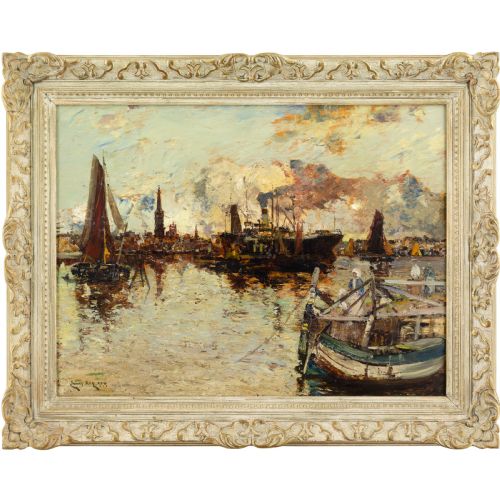
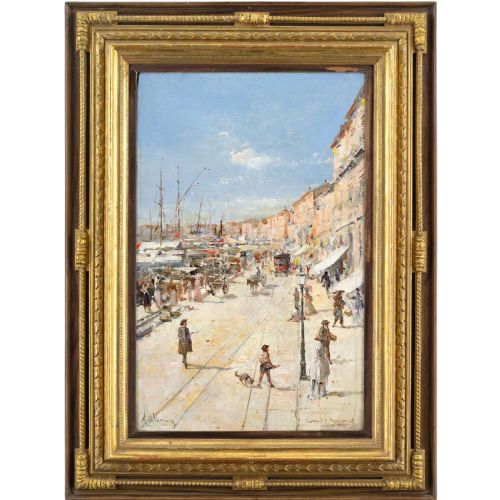
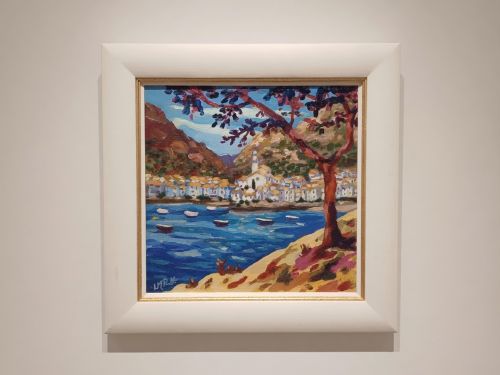
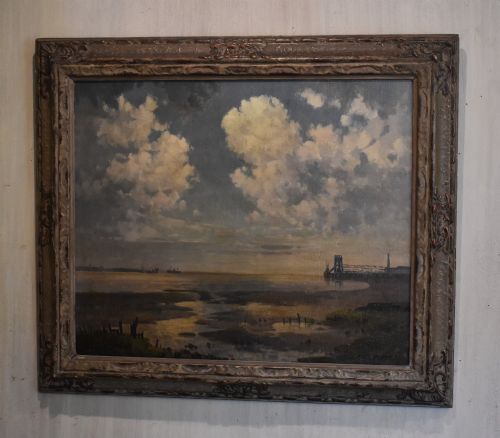



Impressionist Harbour Scene
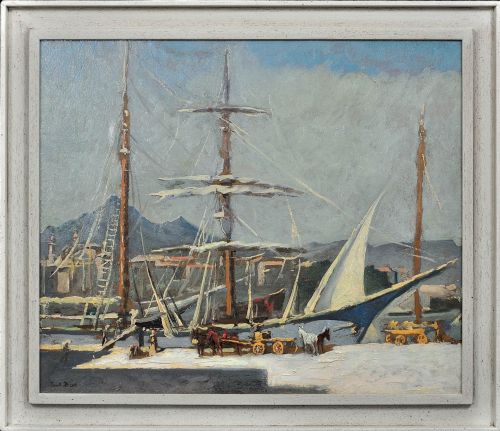
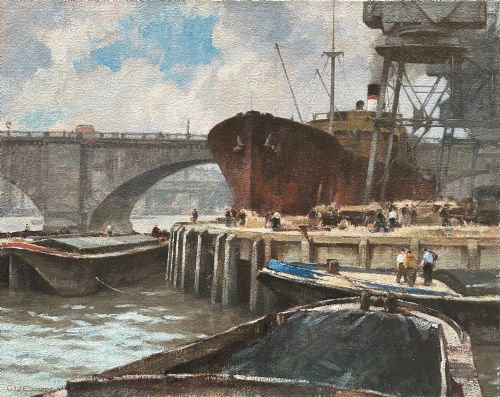
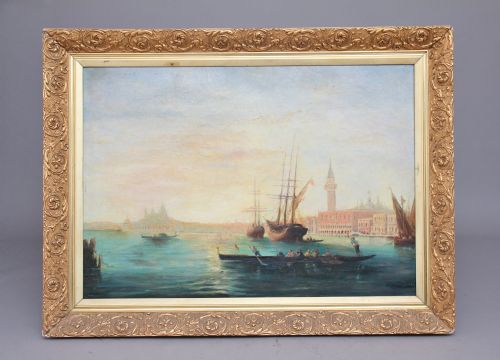
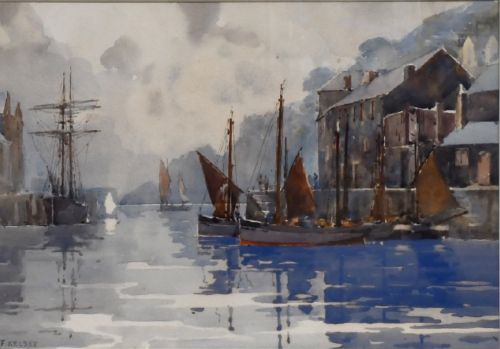
An impressionist harbour scene captures the bustling coastal life and shifting coastal light through loose brushwork and atmospheric colour.
Impressionist Harbour Scene
An impressionist harbour scene records maritime activity, fishing vessels and coastal architecture through the lens of late nineteenth and twentieth-century movements. These works span British Impressionism, Post-Impressionism, and mid-century styles, documenting ports from Cornwall to Sicily.
The selections on this page concentrate heavily on oil paintings and watercolours executed on canvas, wood, and paper. Buyers encounter regional depictions ranging from Cornish fishing ports to Mediterranean lagoons, produced across decades from the Victorian era into the 1960s.
How they were made
Artists built these compositions primarily using oil paint or watercolour applied to stretched canvas, wooden panels, or heavy paper sheets. Oil mediums allowed for thick impasto and layered texture, whilst watercolours captured translucent washes of coastal light and sky.
Many works retain their original framing, occasionally accented with gold leaf to complement the palette. Pigments were applied with energetic brushstrokes characteristic of plein-air painting traditions.
Impressionist Harbour Scene Retail Price Guide 2026
Typical asking prices for impressionist harbour scene among the pieces listed under this phrase on Sellingantiques today, from the lower quarter to the upper quarter. They describe what is for sale here now, not the wider market.
Listings feature works spanning the nineteenth century through the 1960s, executed in oil and watercolour on canvas, paper, and wood.
What varies in quality
The distinction between standard works and exceptional examples lies in the confidence of the brushwork and the management of atmospheric light. Master painters rendered water and sky with an economy of marks that suggests movement rather than rigid detail.
Compositional balance and the handling of maritime architecture separate routine topographical records from compelling artistic interpretations. The vitality of the pigment application dictates the visual energy of the finished surface.
William Banks Fortescue·James Kay RSW·Augusto Alberici·Lucy Pratt·Clive Browne·Paul Bret·Hector Caffieri·Cyril Walduck Edwards·Frank Kelsey·Gyrth Russell·Raymond Picque·William Lee Hankey·George Turland Goosey·Fred Lawson·Arthur Tucker·Owen Bowen·Ernest F Hill·Frederick Stuart Richardson·William Lambert Bell·James Torrington Bell·Ralph Todd·Edward M Elliott·Jack R Mould·Antonio Godoy·Ernst Louizor
The Impressionist Harbour Scene Glossary
- Impressionism
- A nineteenth-century painting style focusing on the visual impression of the moment, especially shifting light and ordinary subject matter. Artists prioritized loose brushwork over academic finish.
- Plein-air
- Painting executed outdoors to capture natural light and direct observations of weather and atmosphere. This method defined much of the maritime and coastal work produced in artist colonies.
- Impasto
- Paint applied thickly to a canvas or panel, standing out in relief from the surface. This technique creates physical texture that catches the light and emphasises the gesture of the brush.
- Newlyn School
- An art colony based in Cornwall during the late nineteenth and early twentieth centuries focusing on realistic portrayals of local fishermen and coastal life. Their output heavily influenced British marine painting.
- Post-Impressionism
- An artistic movement extending impressionism while rejecting its limitations, favoring more symbolic content and heavier structural brushwork. It bridges the gap towards mid-century modern idioms.
Impressionist Harbour Scene: Frequently Asked Questions
What defines an impressionist harbour scene?
These works focus on maritime environments, docks, and shipping vessels rendered through loose brushwork and atmospheric colour effects. They prioritize the feeling of coastal light and weather over strict architectural precision.
Created across various twentieth-century decades, they document both British fishing villages and international ports through regional artistic movements.
How do I care for an oil painting on canvas?
Keep the canvas away from direct sunlight and extreme fluctuations in household temperature or humidity. Avoid touching the painted surface directly to prevent oils from the skin transferring to the pigment.
Dust the frame and canvas gently with a soft, dry brush rather than using liquid cleaning products. Professional conservation is recommended for any deeper cleaning.
Where were these coastal scenes usually painted?
Artists often worked directly on location in notable fishing ports and coastal communities across Britain and continental Europe. Popular hubs included Cornish harbours like St Ives and Newlyn, alongside Mediterranean and French ports.
Many painters belonged to established artist colonies that drew practitioners to specific tidal landscapes.
How do watercolours differ from oils on this page?
Watercolours utilise pigment suspended in a water-based solution applied to paper, producing transparent washes and luminous whites. They require protective glazing with glass when framed.
Oil paintings use slow-drying binders on canvas or wood, allowing for thick surface texture and deep colour layering without the need for glass.