


Brown Bamboo Table
A brown bamboo table brings warmth and texture to an interior, blending natural materials with the distinct craftsmanship of the Victorian and Aesthetic periods.
Brown Bamboo Table
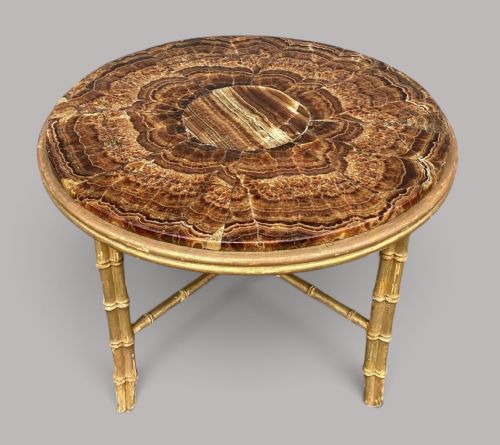
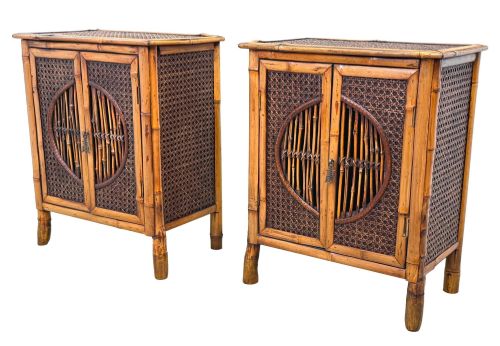
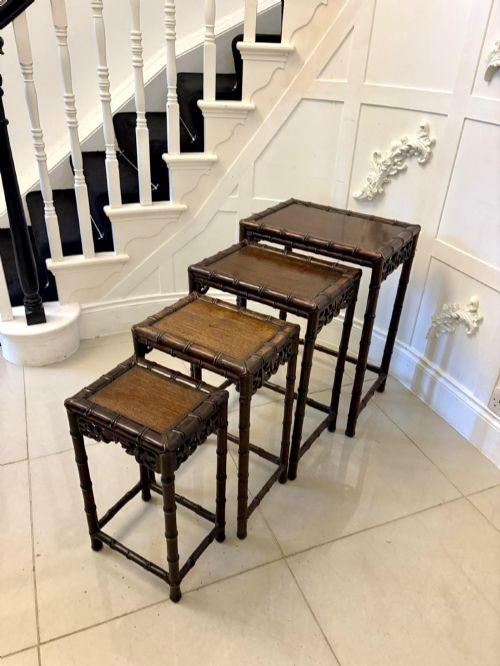
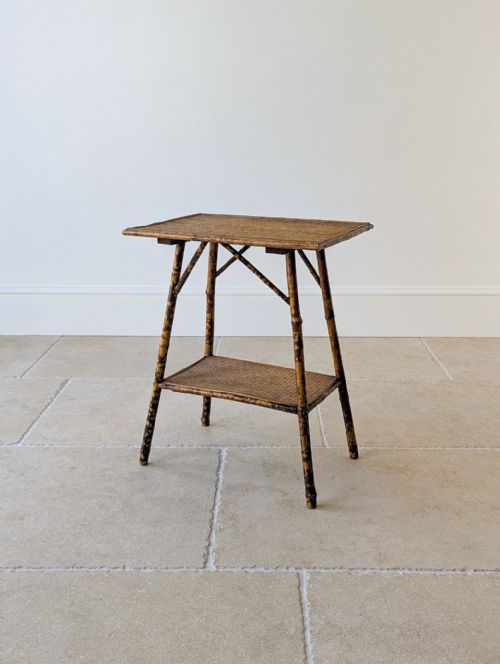
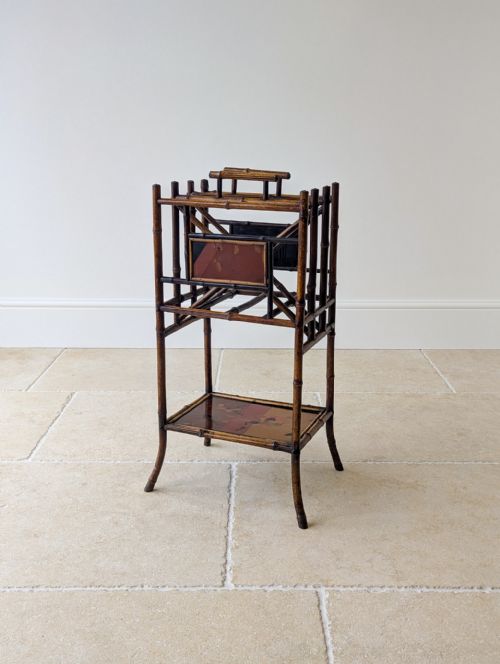
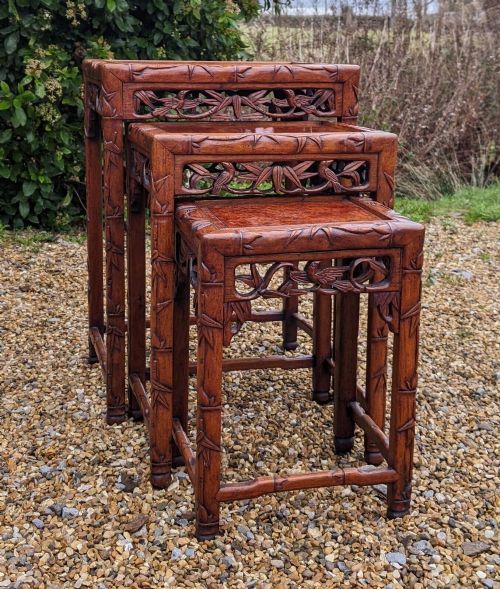
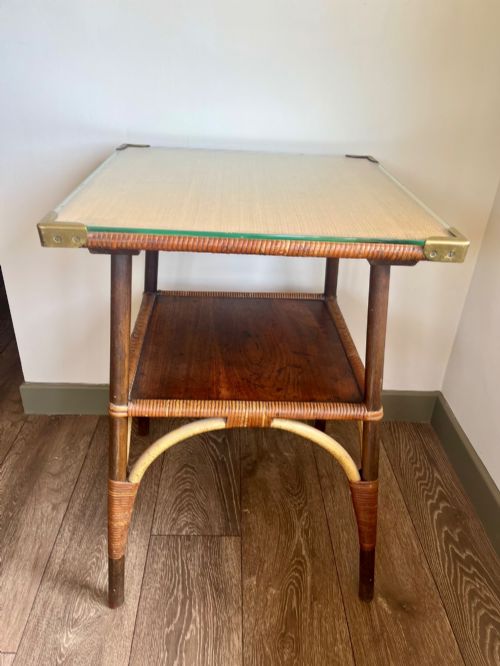
When you search for a brown bamboo table, you encounter diverse forms ranging from occasional tables and nests of four to side tables and canterburys. The pieces appearing here span the nineteenth century, the Victorian era, and the Edwardian period, often reflecting Chinese export or Aesthetic movement design.
You are most likely to meet occasional tables and nests of tables utilising natural bamboo or simulated bamboo frames, frequently paired with lacquered panels or tiled tops. These furnishings served as versatile additions to period drawing rooms and parlours, valued for both utility and exotic charm.
How they were made
The construction of these pieces relies on natural bamboo or turned hardwood imitating bamboo stems, joined securely to form lightweight yet sturdy frames. Makers often integrated secondary materials such as leather, brass, cane, and lacquer to create contrasting textures and decorative surfaces.
Lacquerwork and hand-carved wood details provide the characteristic oriental influence seen across many examples. Selected timbers like mahogany and satinwood appear alongside bamboo to construct structural elements and decorative table tops.
What varies in quality
The standard of a brown bamboo table depends heavily on the tightness of the joinery and the structural stability of the natural cane. Superior examples display carefully fitted joints and well-preserved lacquered or polished surfaces that withstand daily use.
Distinctions in quality also emerge through the refinement of decorative details, such as hand-carved panels, fine brass fittings, and intact leather inserts. Tables retaining their original surface patination command greater appreciation than those with heavy restorations.
Liberty & Co.·Dryad Leicester·John Taylor Edinburgh
The Brown Bamboo Table Glossary
- Aesthetic Movement
- A late nineteenth-century design style emphasising visual beauty over narrative subject matter. It heavily influenced furniture making by incorporating Japanese and Chinese motifs.
- Canterbury
- A low stand traditionally used for holding sheet music, magazines, or newspapers. In bamboo furniture, these take the form of compartmentalised racks.
- Chinoiserie
- European artistic style reflecting Chinese artistic traditions. It appears on lacquered panels and decorative surfaces of nineteenth-century tables.
- Quartetto
- A set of four tables designed to nest together. They became popular in the nineteenth century for serving tea or accommodating guests in limited spaces.
- Tiger bamboo
- A specific variety of bamboo prized for its mottled, speckled dark markings resembling tiger stripes. It creates a striking visual pattern on occasional tables.
Brown Bamboo Table: Frequently Asked Questions
How do I care for a vintage bamboo table?
Keep the piece away from direct sunlight and excessive moisture to prevent the natural bamboo or cane from drying out and splitting.
Dust regularly with a dry cloth and occasionally feed wooden or lacquered surfaces with a suitable specialist wax.
Were these tables made in Britain or imported?
The selection includes both British-made pieces influenced by oriental design and direct Chinese export items brought to the domestic market during the nineteenth century.
Victorian makers readily adopted these exotic styles to satisfy a widespread demand for eclectic interior furnishings.
How can I date a bamboo occasional table?
Examine the construction methods, such as the type of fixings used and the wear patterns on the feet and lower stretchers.
Stylistic cues like Aesthetic movement decoration or Edwardian satinwood accents help narrow down the manufacturing decade.
Can I use a bamboo table for daily dining?
These tables function best as occasional furniture for holding books, lamps, or tea sets rather than heavy everyday dining.
Their lightweight frames are designed for versatility and easy relocation around a reception room.