




Bronzed Female Statue
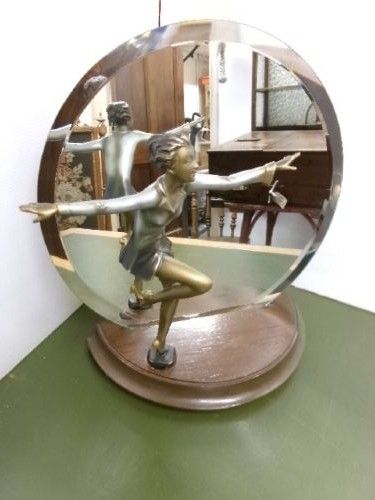
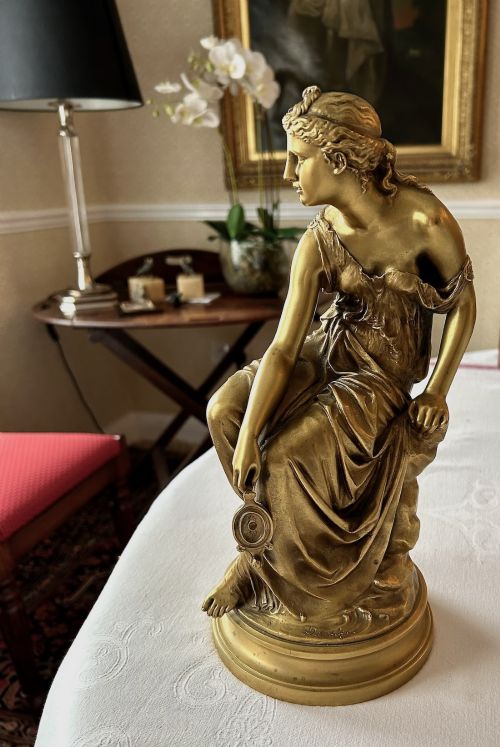
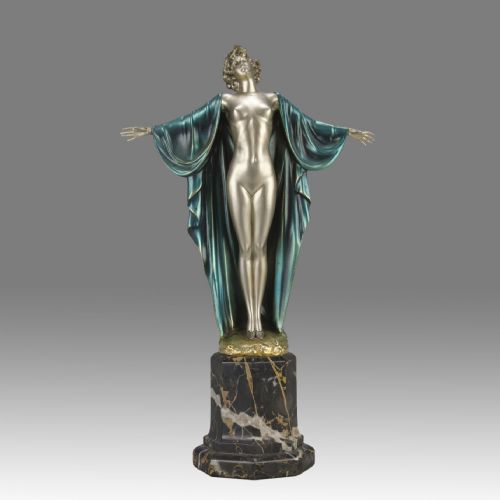
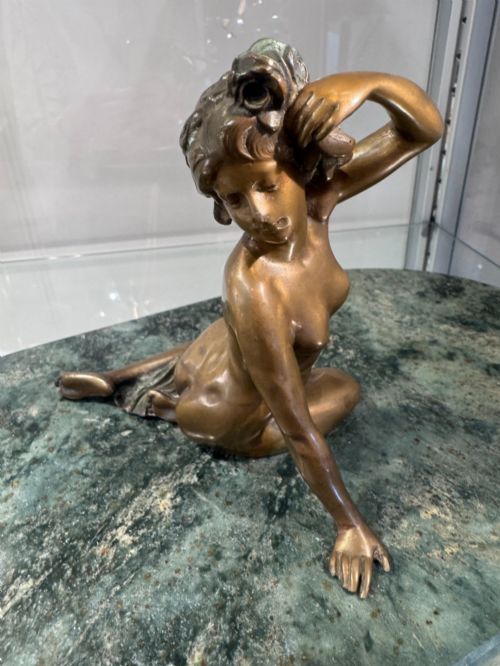
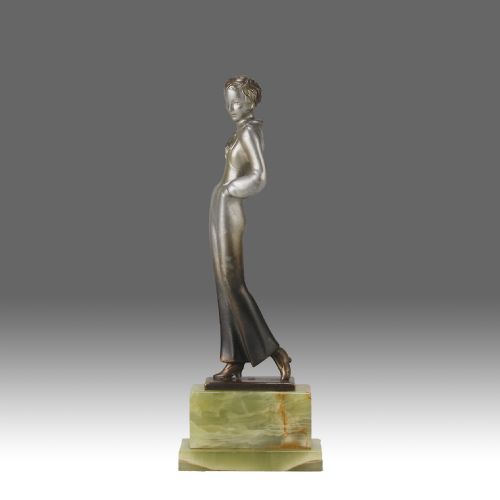
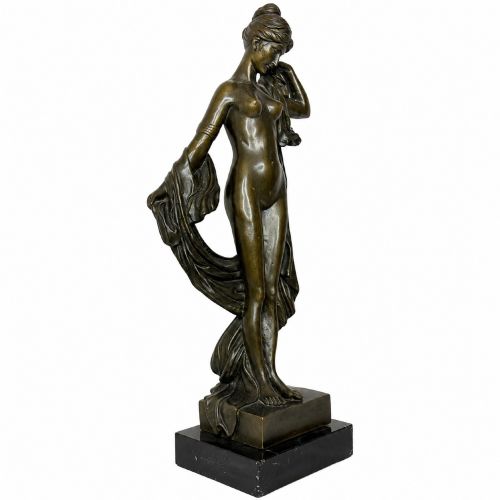
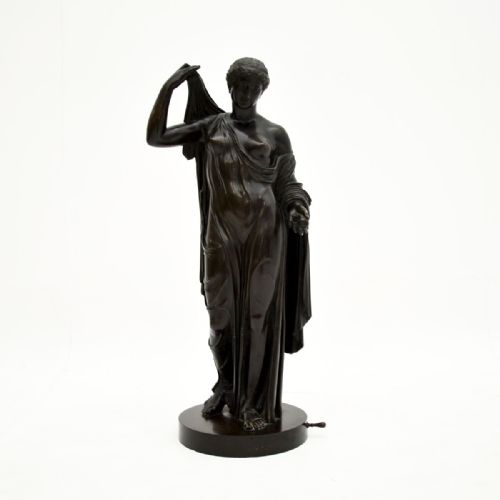
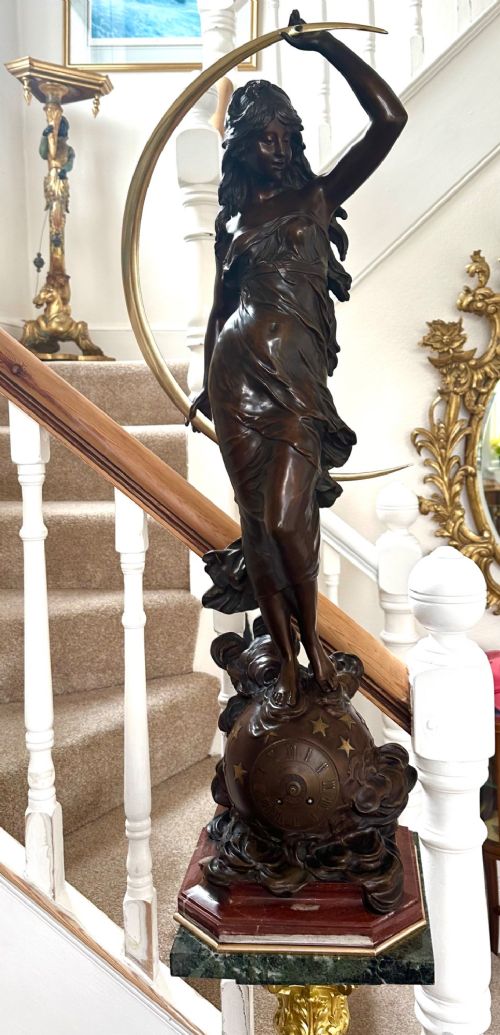
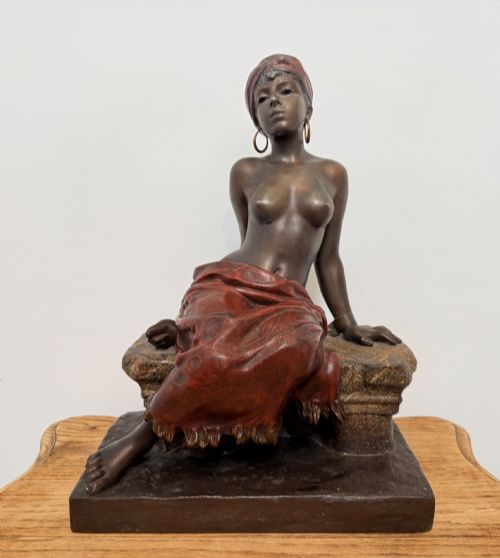
A bronzed female statue brings classical grace and decorative movement into a room, capturing dancers, maidens, and mythological figures.
Bronzed Female Statue
A bronzed female statue typically depicts dancers, classical maidens, or allegorical figures created during the nineteenth and early twentieth centuries. These sculptures embody the evolving artistic ideals of the Victorian, Art Nouveau, and Art Deco movements, ranging from realistic portrayals to stylised modern forms.
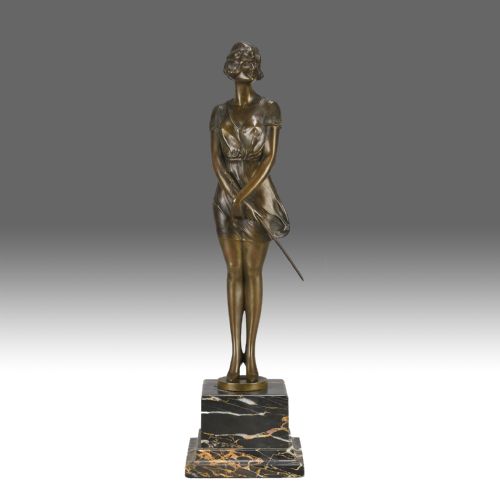
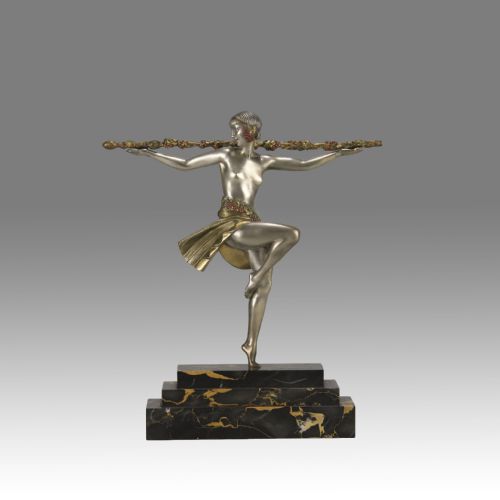
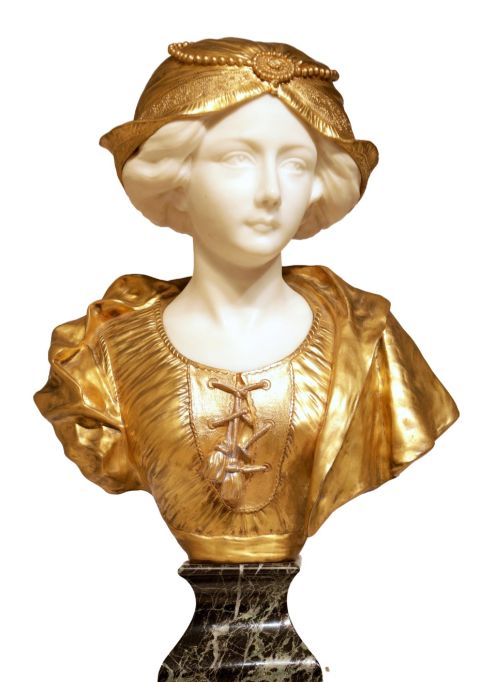
The selection on this page centres on figures cast in bronze, gilt bronze, patinated bronze, and spelter, frequently mounted upon marble or onyx bases. Many pieces capture dynamic motion, portraying dancers, musicians, and robed ladies fixed in elegant poses.
Originating predominantly from French and Austrian workshops, these works scale from intimate cabinet figures to large decorative sculptures and advertising displays. Collectors encounter both signed works by notable European sculptors and unassigned foundry pieces.
Materials and casting techniques
Foundries primarily utilised traditional casting methods to shape molten metal into complex human forms, capturing fine details in drapery, hair, and facial expressions. Once cast, the metal received surface treatments such as patination, cold painting, or gilding to enhance depth and colour.
Sculptors frequently integrated contrasting materials into their compositions, mounting metal figures onto heavy bases carved from marble or onyx to provide stability and visual contrast. These solid foundations anchor the lighter metallic figures while adding natural variety in stone colour and veining.
Distinctions in craftsmanship
The artistic fidelity of the pose and the harmony between the metal figure and its stone base distinguish superior sculptures from standard commercial castings. Original patination and preserved cold-painted pigments significantly elevate the integrity of a piece.
Etienne-Henri Dumaige·Rudolf Küchler·Ferdinand Barbedienne·Bruno Zach·Pierre le Faguays·Ferdinand Preiss·Josef Lorenzl·August Moreau·Emmanuel Villanis·Affortunato Gory·Mathurin Moreau·Demetre Chiparus·Henri Godet·Aurore Onu·C J R Colinet·Charmereine·Jules Dalou·Georges Van Der Straeten·Edouard Drouot·Carrier-Belleuse·Emile Jespers
The Bronzed Female Statue Glossary
- Spelter
- A zinc alloy frequently utilised as a cost-effective substitute for bronze during the late nineteenth and early twentieth centuries. It often received a bronze-like surface finish.
- Cold Painted
- A decorative technique where paint is applied to metal sculptures without subsequent firing. This finish is delicate and highly susceptible to chipping over time.
- Patinated Bronze
- A metal sculpture treated with chemical solutions to produce a specific surface colour or weathered tone. This treatment protects the metal while enhancing visual contrast.
- Grand Tour
- A nineteenth-century cultural tradition where travellers collected small-scale classical sculptures as souvenirs. These pieces replicated famous ancient monuments and mythological figures.
- Gilt Bronze
- Metalwork coated with a thin layer of gold leaf or applied gold amalgam to create a bright metallic lustre. It was widely utilised across neoclassical and decorative nineteenth-century pieces.
Bronzed Female Statue: Frequently Asked Questions
What periods do these statues come from?
The listings span from the nineteenth century through the Art Nouveau and Art Deco eras of the early twentieth century. Victorian, Belle Epoque, and neoclassical influences appear frequently across the items.
Craftsmanship evolved from ornate nineteenth-century realism toward the clean lines and stylised motion characteristic of 1920s and 1930s European design.
How do I distinguish bronze from spelter?
Bronze is a heavier, more durable copper alloy that takes a deep, stable patina and rings with a clear tone when tapped gently. Spelter is a softer zinc alloy that feels lighter and often shows grey metal beneath worn areas of surface coating.
Many figures from the Art Deco period utilised spelter as an accessible alternative to solid bronze for decorative figurines.
Where were these sculptures originally made?
The vast majority of these pieces originate from European foundries, with French and Austrian workshops dominating the recorded inventory. Paris and Vienna served as major centres for artistic sculpture production during this period.
Foundries in these cities employed skilled artisans who specialised in casting, chasing, and patinating delicate figurative works.
How should I display a marble-mounted figure?
Place the statue on a stable, level surface away from direct sunlight and excessive humidity to protect both the metal patina and the stone base. Heavy marble and onyx bases require sturdy furniture capable of supporting the combined weight.
Avoid using liquid cleaners on cold-painted or patinated surfaces; instead, remove dust gently with a soft, dry brush.