

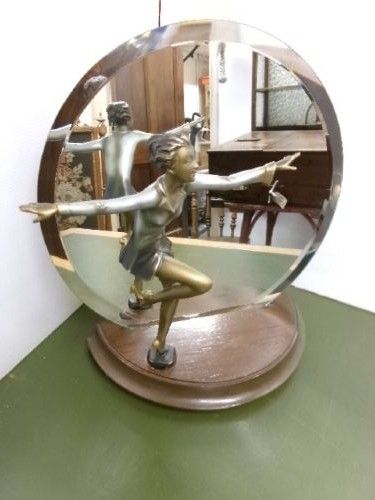
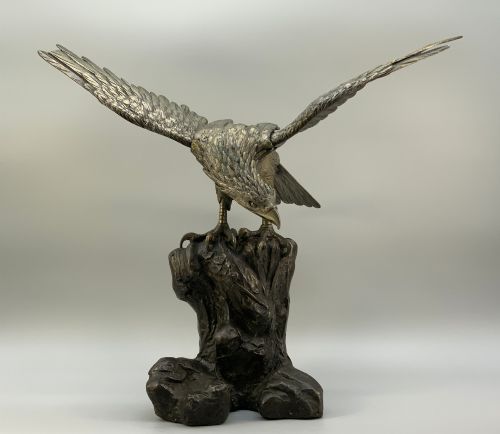

Bronzed Art Figure
A bronzed art figure brings the theatrical energy of the early twentieth century into a room through patinated metal and expressive human or animal forms.
Bronzed Art Figure
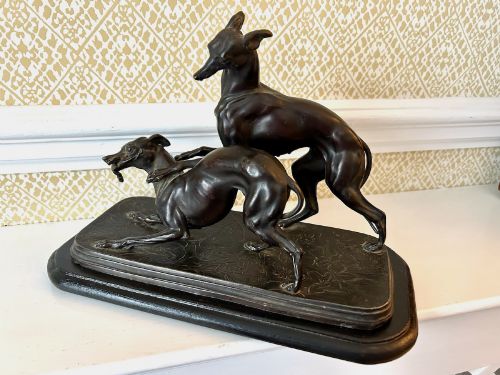
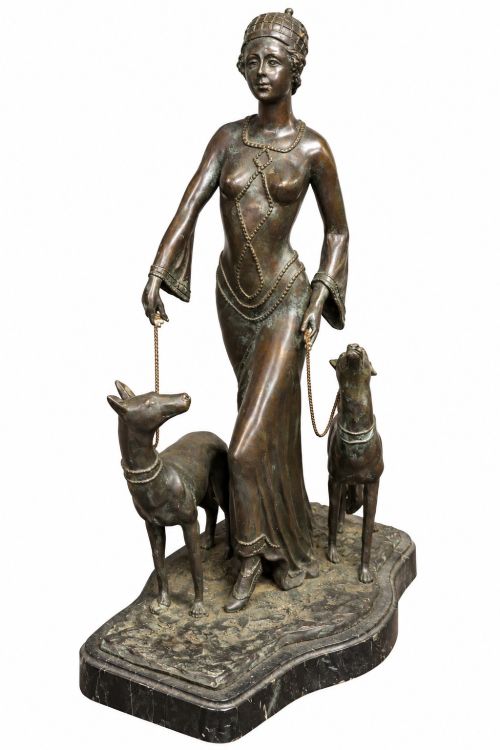
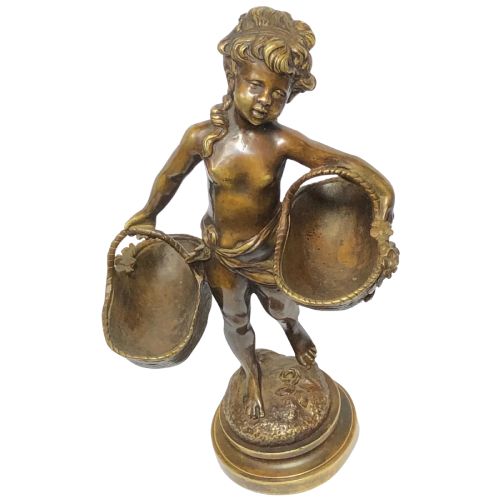
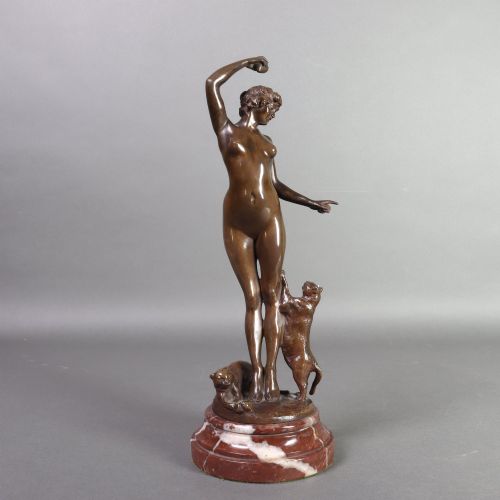
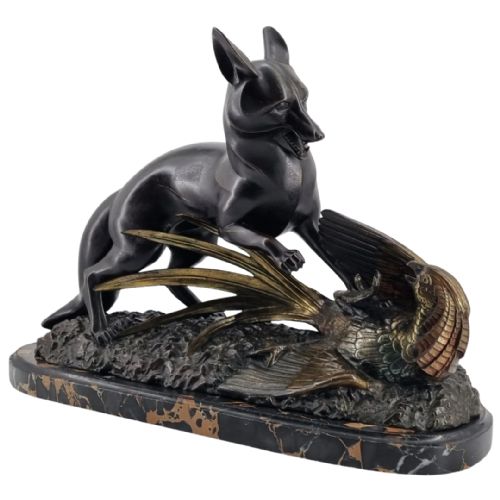
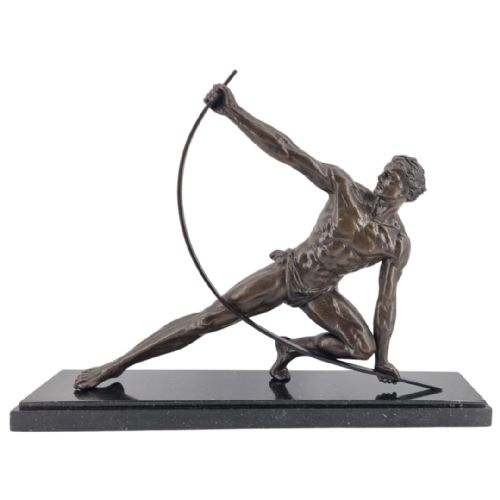
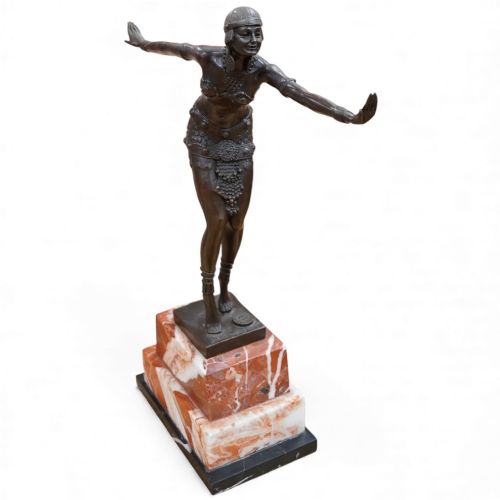
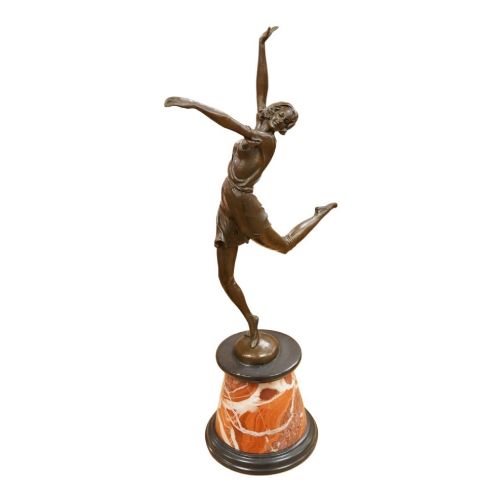
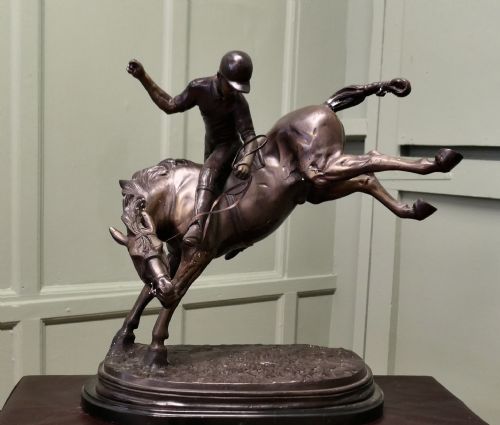
A bronzed art figure spans compact tabletop sculptures, dancing ladies, and animal studies originating largely from the nineteenth and twentieth centuries. These works reflect stylistic shifts from ornate nineteenth-century French casting to streamlined Art Deco silhouettes and organic Art Nouveau curves.
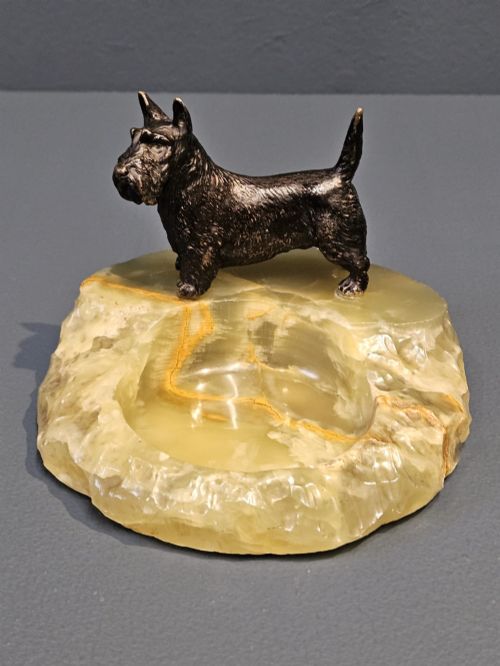
Most examples found here combine metal casting with substantial bases made of marble, onyx, or wood to provide physical stability. The selection encompasses figurative dancers, athletic studies, wildlife in motion, and utilitarian objects like table lamps integrated with figurative statuary.
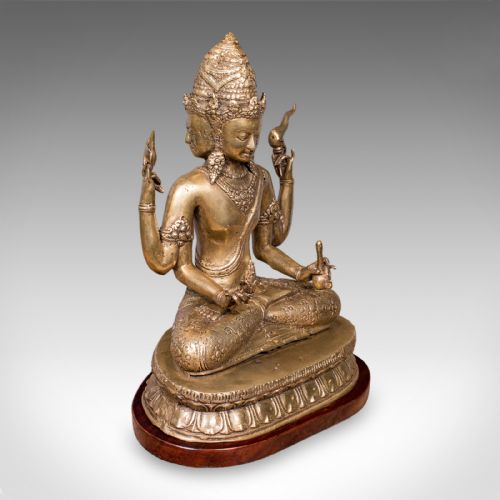
Origins stretch from European ateliers in France and Austria to Japanese Meiji period okimono and Sino-Tibetan religious icons. Buyers encounter both solid cast metal and alternative composite materials designed to emulate traditional metalwork.
Materials and methods
Foundries utilised traditional casting techniques, predominantly pouring molten bronze into moulds before applying chemical patination or gilding to achieve surface colour. Alternative pieces employ spelter, a zinc alloy favoured for its responsiveness to detailed moulding despite a lighter weight and softer surface.
Mounting formed an integral part of the manufacturing process, pairing metal figures with turned marble or onyx plinths to elevate the overall composition. Cold-painting techniques added vibrant enamel colours directly onto the cooled metal surface for specific decorative figures.
Listings feature periods spanning from the eighteenth century through the Victorian era up to the Art Deco nineteen-thirties.
Distinctions in quality
The integration between the figure and its base reveals manufacturing standards, where well-fitted metal fixings secure the sculpture firmly to heavy stone or marble plinths without movement. Signature placement and foundry marks also denote pieces produced under direct artistic supervision.
Georges Gori·Auguste Moreau·Gustave Dussart·Lavroff·Jean de Roncourt·Maurice Giraud-Rivière·D.H. Chiparus·Bruno Zach·Pierre Collinet·Rudolf Küchler·Josef Lorenzl·E.A. Clapp·Moreau Family·E Villanis·Affortunato Gory·Frederic Remington·L & F Moreau·Emile Carlier·Mathurin Moreau·Demetre Chiparus·Emmanuel Villanis·Henri Godet
The Bronzed Art Figure Glossary
- Patina
- The surface coloration or sheen developed naturally over time or applied chemically by the foundry during production. This treatment protects the metal and defines the visual contours of the sculpture.
- Spelter
- A zinc alloy commonly utilised as an economical alternative to bronze in decorative figures. It requires careful handling due to its softer composition compared to traditional copper alloys.
- Okimono
- A Japanese freestanding ornament intended for display on a shelf or tokonoma alcove. These carvings and metal sculptures demonstrate exceptional naturalist observation.
- Cold-painted
- A technique where paint is applied to a bronze figure after casting without subsequent firing. This method preserves delicate polychrome details on garments and skin.
- Plinth
- The solid base block, frequently fashioned from marble or onyx, supporting the main sculptural body. It adds architectural presence and anchors the weight of the piece.
Bronzed Art Figure: Frequently Asked Questions
How do I clean a bronze figure?
Dust the surface regularly with a soft, dry brush to prevent particulate accumulation within crevices and textured areas. Avoid harsh chemical cleaners or abrasive cloths that might strip away the original patination.
Apply a very light coat of microcrystalline wax occasionally if the metal appears dry, buffing it gently with a clean cloth. This procedure helps seal the surface against atmospheric moisture without altering the colour.
How can I tell bronze from spelter?
Examine the underside or any areas where the surface finish has worn away to reveal the bare metal underneath. Bronze shows a reddish-brown or golden hue, whereas spelter typically displays a greyish-white composition.
Lift the piece to gauge its relative heft, as bronze is notably heavier and denser than zinc alloy alternatives. Magnetic testing also helps, though neither metal is magnetic, distinguishing them from iron.
Where should I place these sculptures?
Position figures on stable horizontal surfaces away from direct sunlight and excessive humidity fluctuations that could affect marble bases or patinated finishes. Low traffic zones prevent accidental knocks against delicate extremities or extended limbs.
Ensure adequate illumination highlights the contours and surface tones without generating localized heat sources that might degrade applied pigments or protective waxes.
What defines the Art Deco style here?
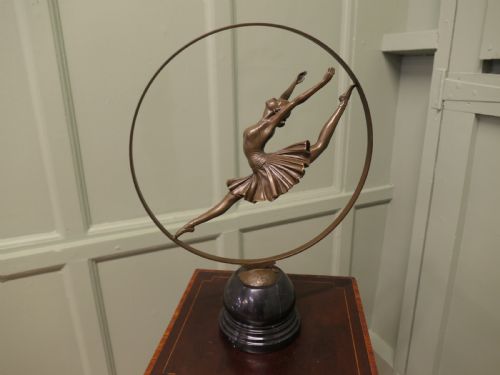
Art Deco pieces emphasise sleek geometric lines, dynamic movement, and stylized representations of dancers, athletes, and sleek animals. The compositions project modern energy through simplified forms and contrasting materials like silvered metal against dark marble.
Figures from this movement often capture motion mid-stride, reflecting the speed and liberation associated with the interwar period. The integration of lamps and practical elements further highlights the functional aesthetic of the era.