
Bronze Urn Vessel
These bronze urn vessel pieces combine metalwork skill and decorative weight, offering structural form for interior spaces.
Bronze Urn Vessel
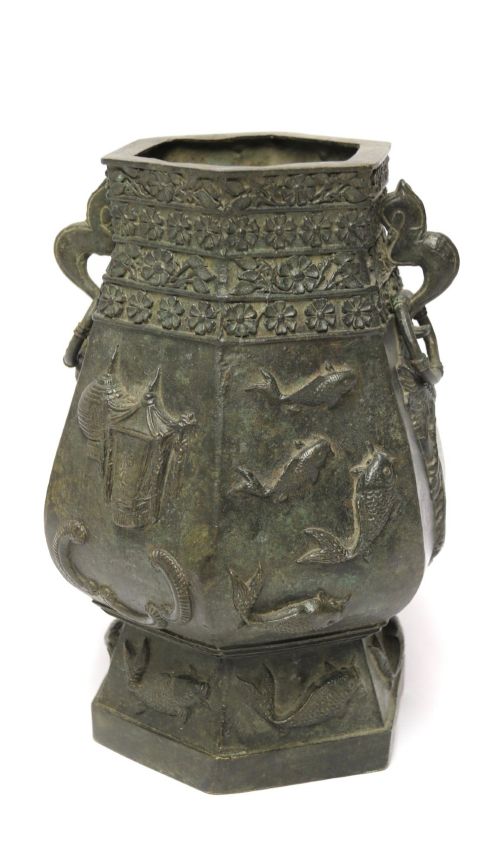
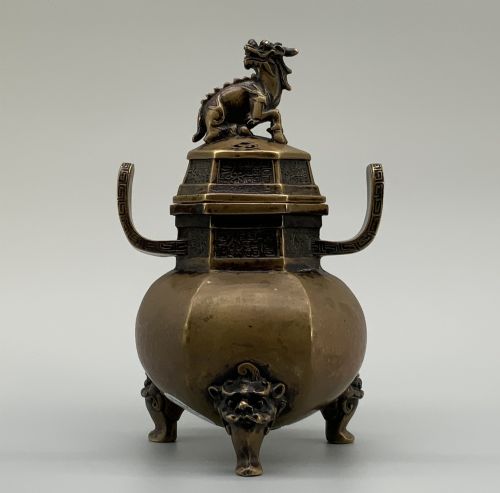
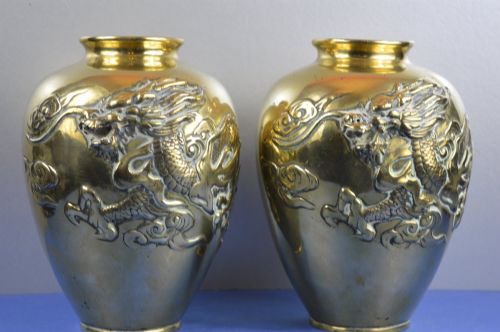
A bronze urn vessel encompasses various forms designed for display, ritual, or containment, appearing frequently as baluster vases, tripod censers, and lidded containers. These objects bridge utilitarian origins and decorative display across multiple cultural traditions.
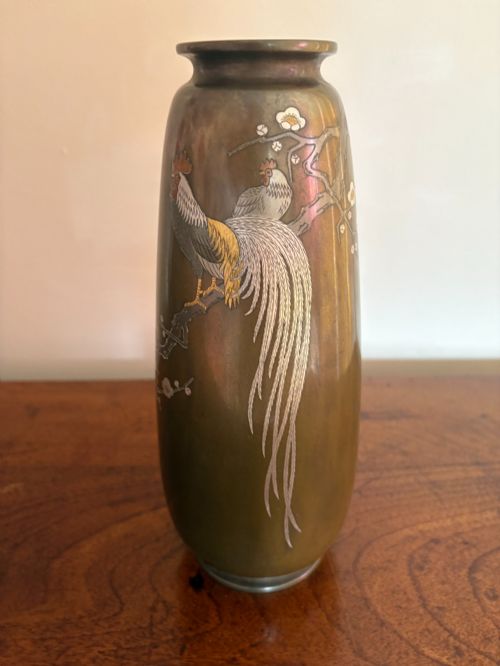
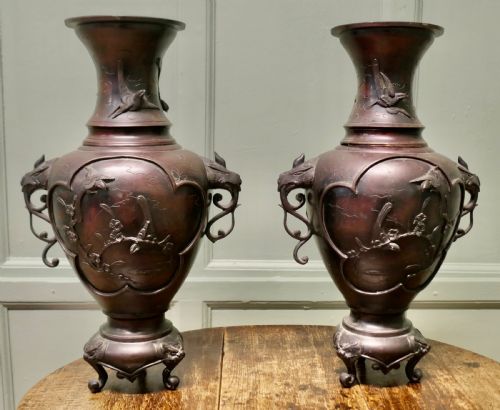
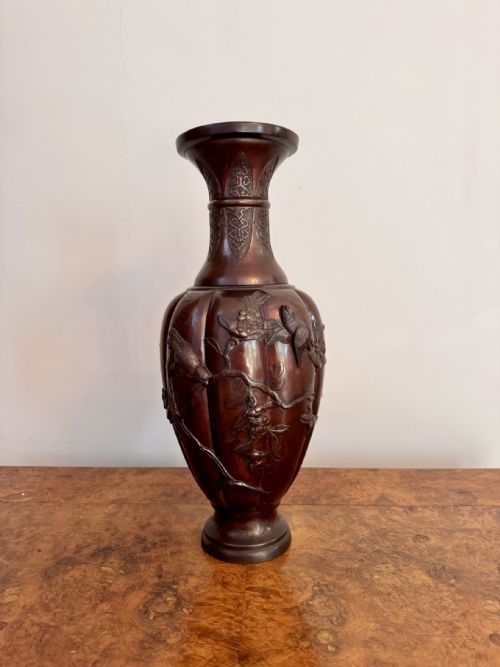
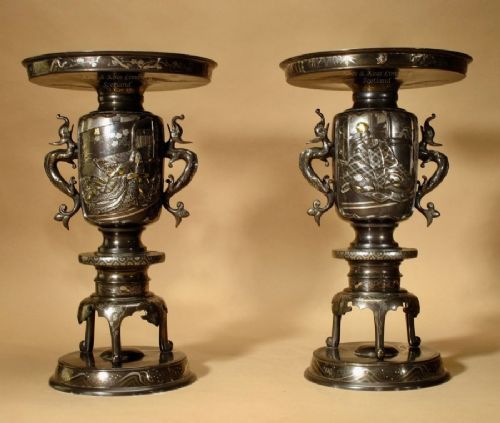
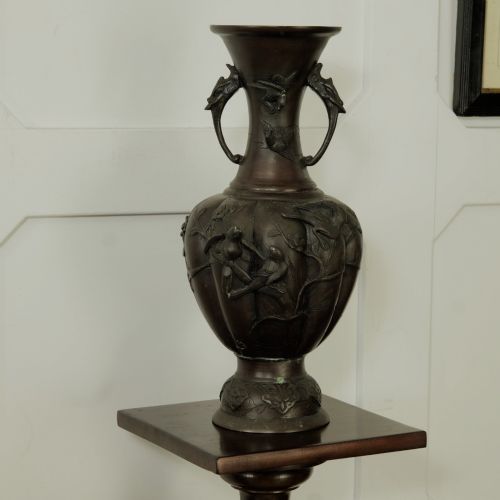
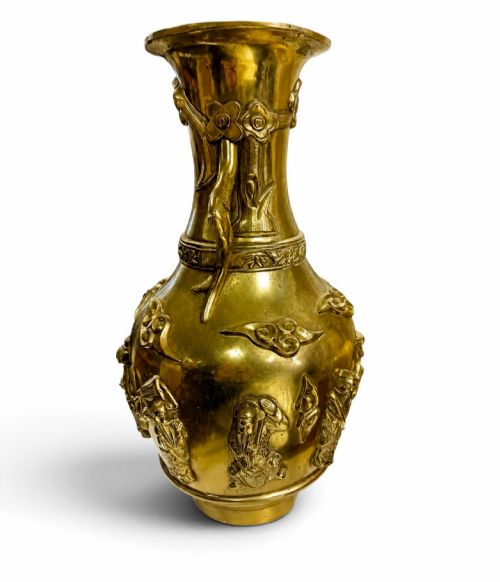
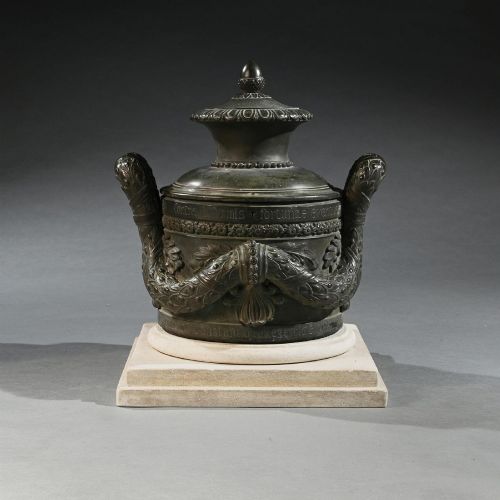
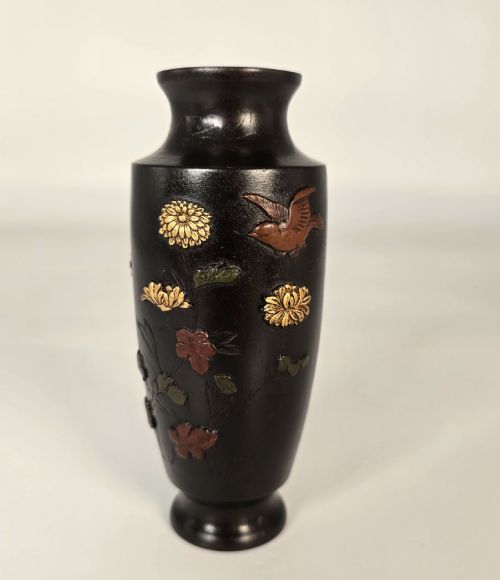
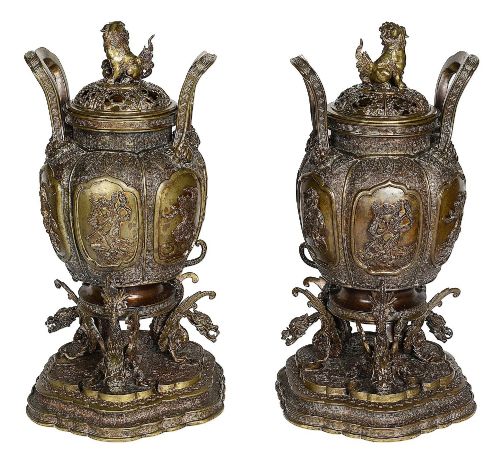
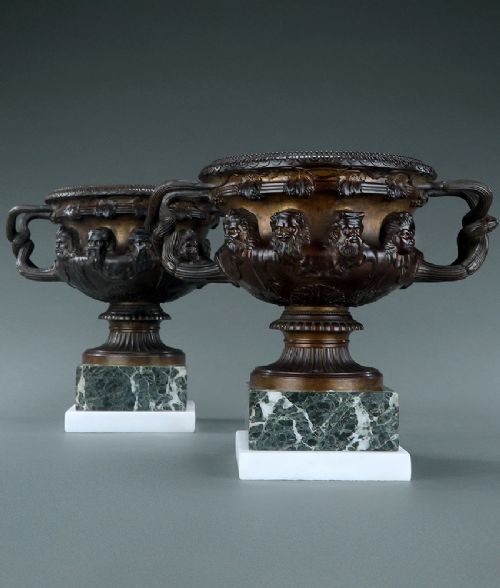
The pieces on this page lean heavily towards nineteenth-century Japanese Meiji metalwork and Chinese Qing dynasty forms alongside European Neoclassical Grand Tour interpretations. Buyers encounter standard baluster shapes, ritual gu vessels, and twin-handled urns set upon marble or bronze bases.
Asian export production and European revivalism dominate the available selection, ranging from small fifteen-centimetre mantle ornaments to heavy multi-kilogram floor and table pieces. Each variant relies on cast metal bodies augmented with handles, covers, or patinated surfaces.
How they were made
Makers utilised lost-wax casting and allied metalworking techniques to form the primary copper-alloy bodies, ensuring solid walls that support high-relief decoration. Surface ornamentation often involved chasing, incising, or inlaying contrasting metals such as brass and copper.
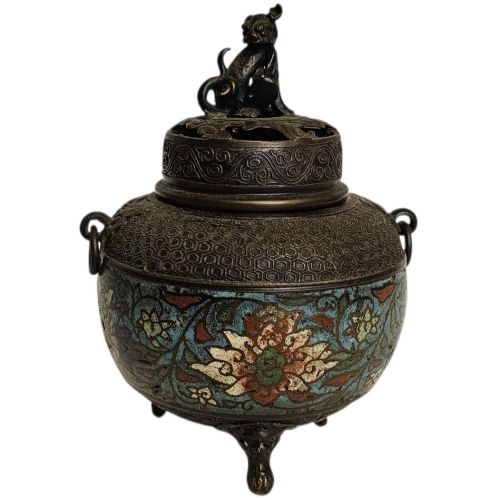
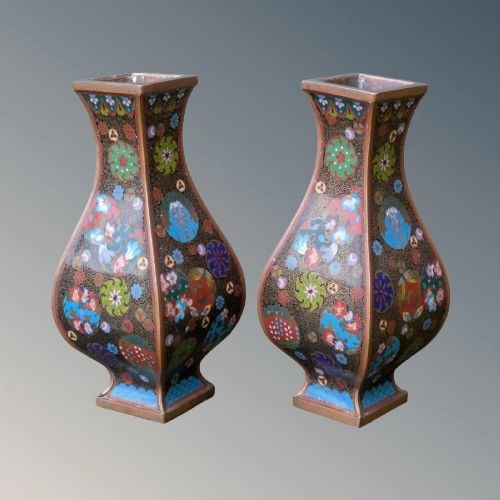
Enamel techniques like champlevé and cloisonné feature prominently, where glass pastes fill recessed wire cells or channels before firing. Gilt bronze detailing and chemical patination completed the exterior surfaces, creating deep brown, green, or golden tones.
Several pieces double as domestic illumination, having undergone thoughtful conversion into electric table lamps during their long, varied histories.
What varies in quality
Casting precision dictates the sharpness of high-relief motifs such as dragons, birds, and floral sprays, distinguishing crisp articulation from soft, rounded edges. The weight and thickness of the bronze alloy also indicate production standards.
Surface finish and inlay integrity separate standard commercial output from superior workshop pieces, particularly where complex cloisonné enamel or fine metal zogan work is applied. Complete matching pairs and original lids or bases preserve the integrity of the object.
KANASAWA·Benetfink & Co·Loetz
The Bronze Urn Vessel Glossary
- Censer
- A vessel designed for burning incense, frequently featuring a fitted cover and tripod legs. These forms appear in both Chinese and Japanese traditions.
- Champlevé
- An enamel technique where troughs or cells are carved into the bronze body and filled with coloured vitreous paste before firing. This method creates rich surface patterns across nineteenth-century European and Asian pieces.
- Meiji Period
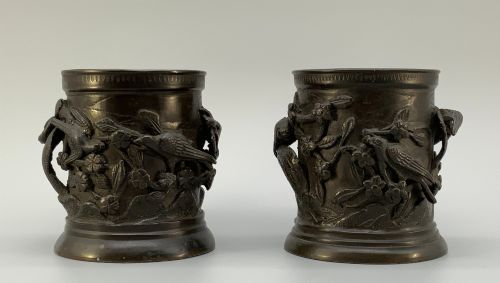
- The era in Japanese history spanning from 1868 to 1912, noted for remarkable export metalwork and refined bronze casting. Pieces from this time often incorporate naturalistic motifs like birds and blossoms.
- Archaistic
- A stylistic approach that emulates ancient ritual bronzes from earlier dynasties. Makers adopted these archaic vessel shapes and decorative motifs for nineteenth-century production.
- Baluster
- A vertical architectural or vessel form characterised by a swollen lower portion tapering to a narrower neck. This silhouette underpins many standard vases and urns in the collection.
Bronze Urn Vessel: Frequently Asked Questions
What is a bronze urn vessel used for?
These vessels served diverse functions ranging from burning incense in ritual settings to displaying floral arrangements or standing as purely decorative interior objects.
Over time, many examples transitioned from practical household or ceremonial items into mantelpiece ornaments and converted table lamps.
How do I identify a Meiji period piece?
Meiji period pieces often display distinct Japanese aesthetic elements such as high-relief birds, floral sprays, or intricate bronze inlays. The era spans from 1868 to 1912, aligning with increased export production to Western markets.
Signatures or workshop marks, when present, provide further attribution to specific metalworkers or regional schools like Takaoka.
How should I clean a patinated bronze surface?
Bronze surfaces benefit from gentle dusting with a soft, dry cloth to remove surface particles without disturbing the underlying patina or chemical finish. Avoid abrasive cleaners, polishes, or moisture that can strip away historic patination or damage delicate enamel and gilt details.