

Bronze Pendant Light
These pieces brought down electric or gas illumination from the ceiling, offering a bronze pendant light that grounds a room with heavy cast metal and period French or American design.
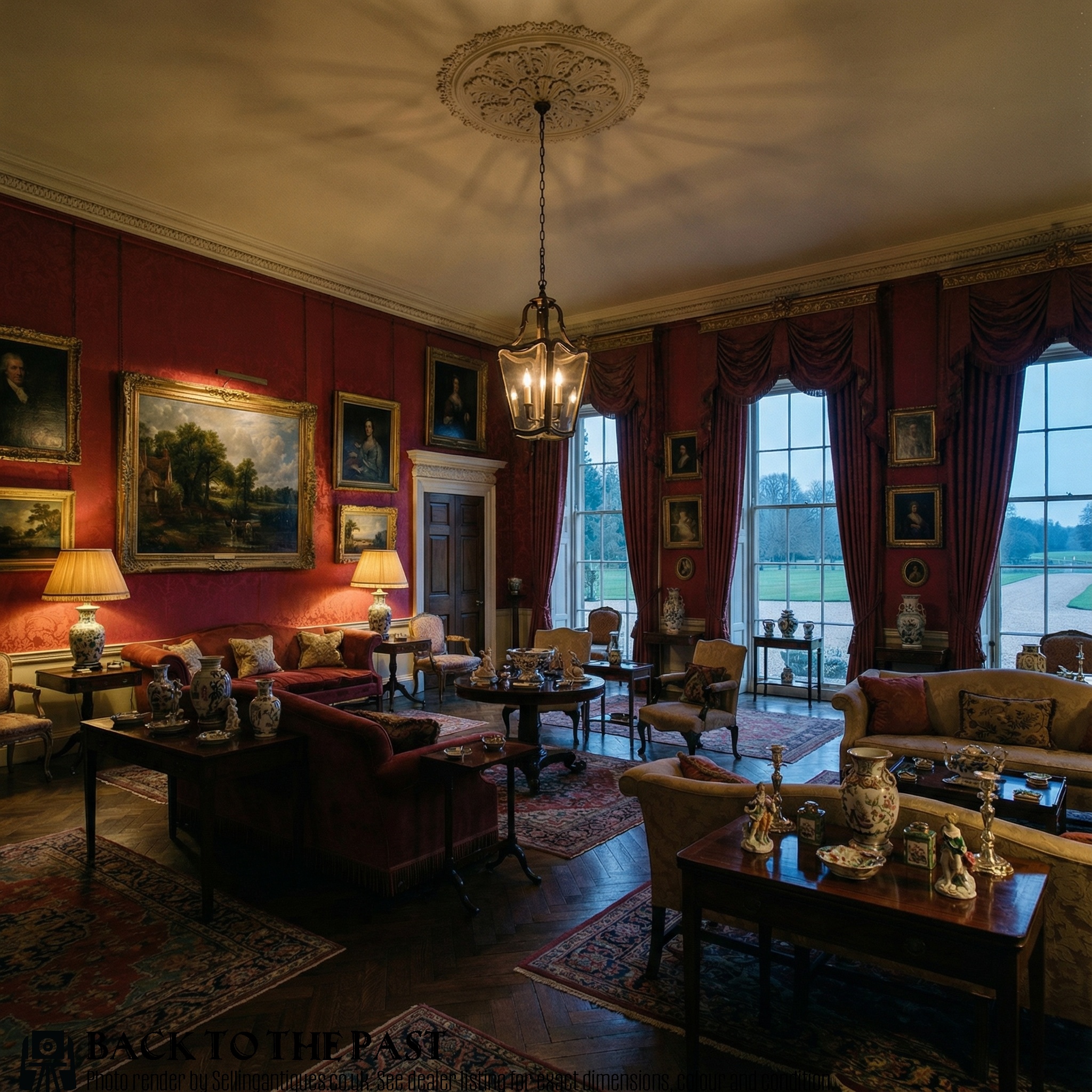
Bronze Pendant Light
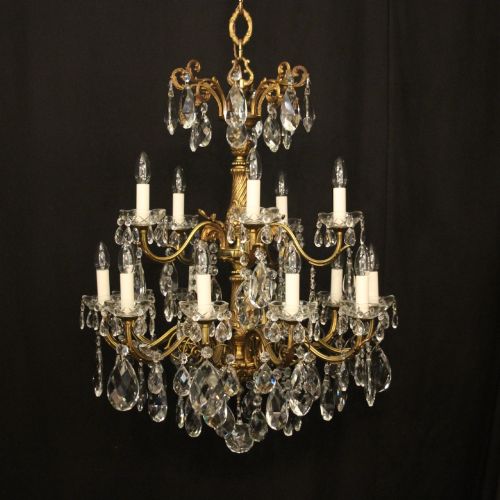
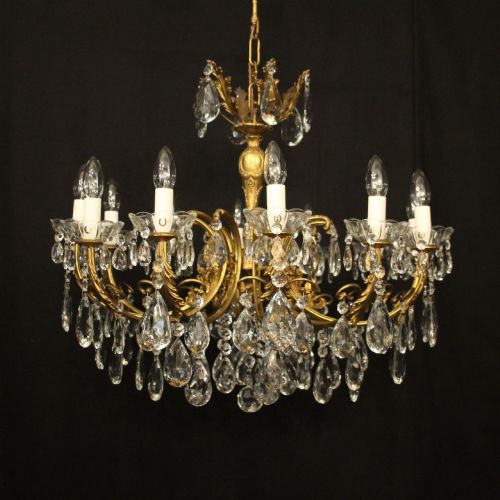
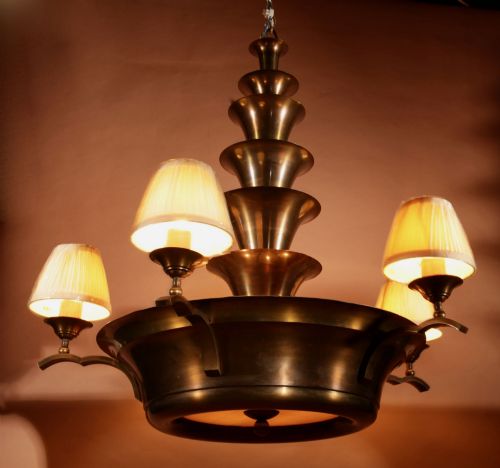
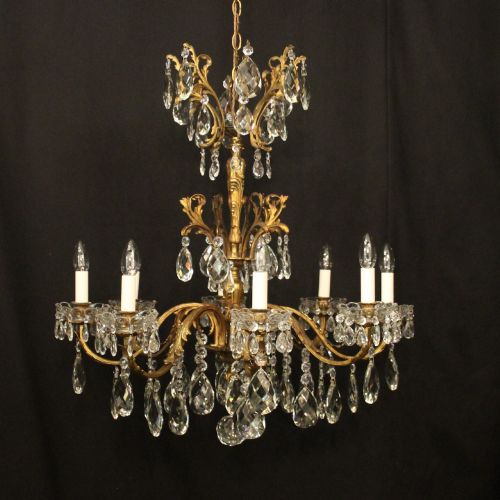
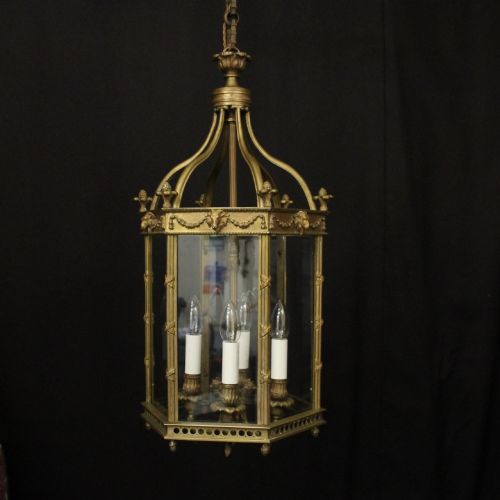
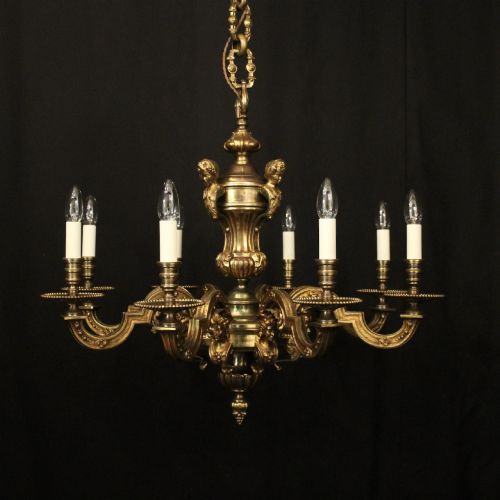
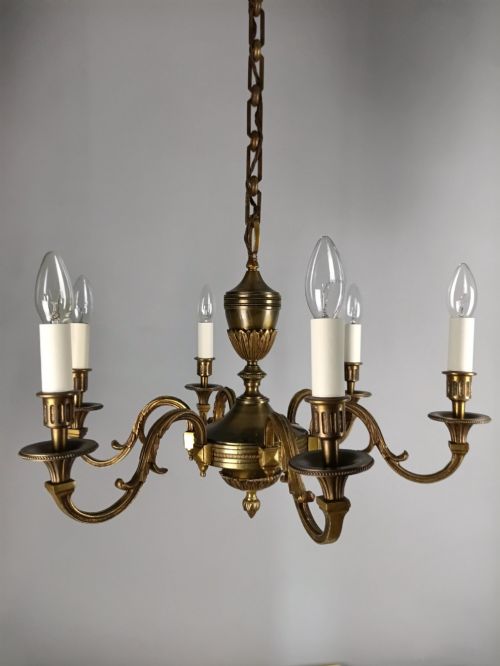
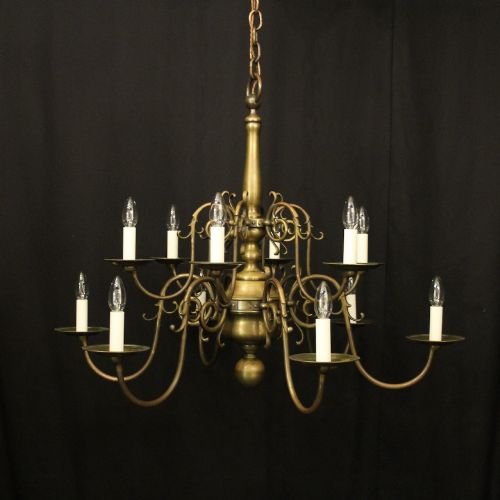
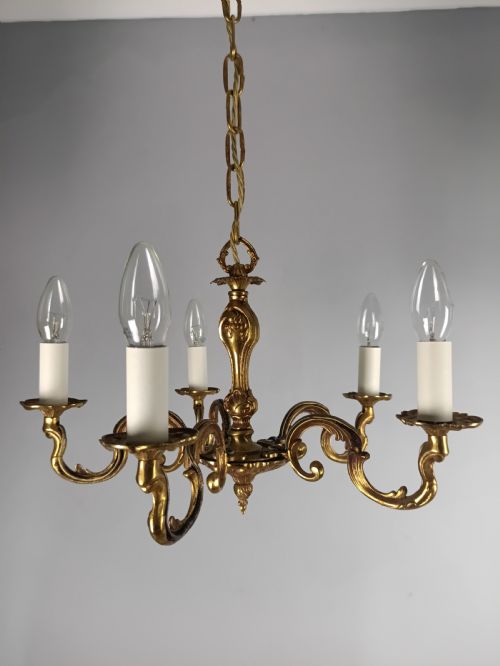
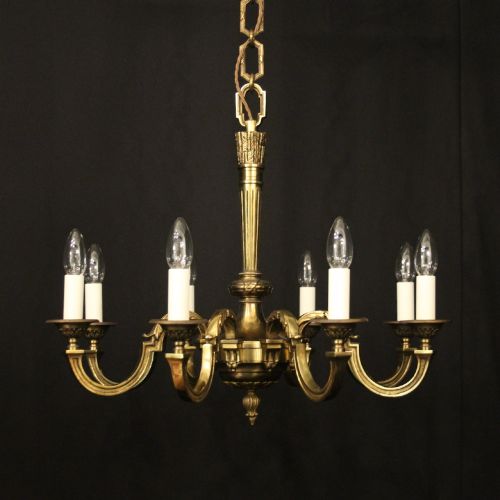
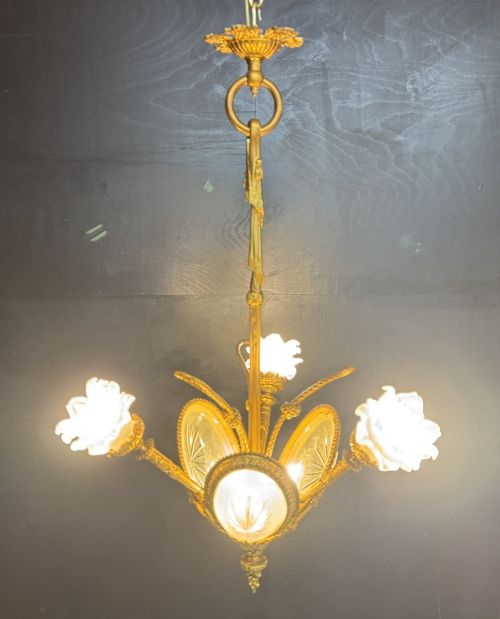
A bronze pendant light typically takes the form of a chandelier, hall lantern, or ceiling light suspended from above, originating mostly from the nineteenth and early twentieth centuries. The selection leans heavily towards French production, spanning styles from Empire and Neoclassical to Art Deco and Louis Revival.
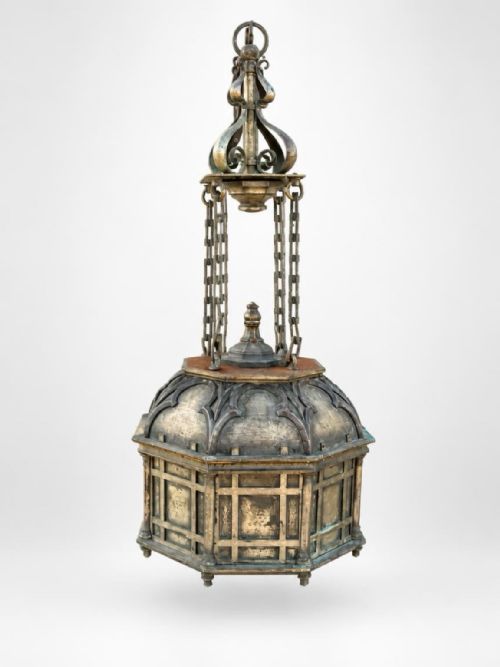
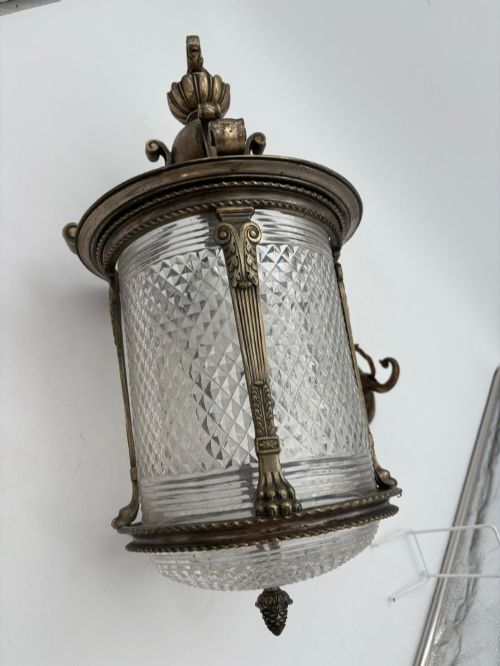
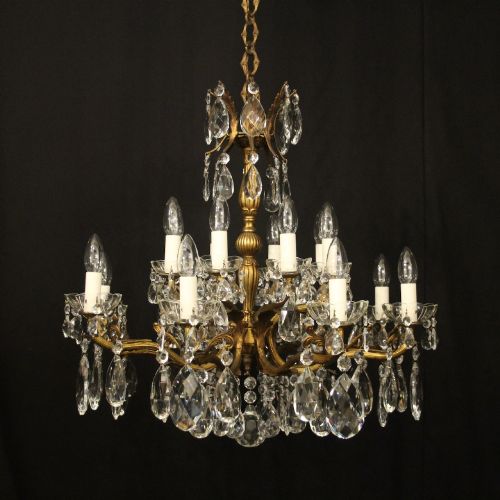
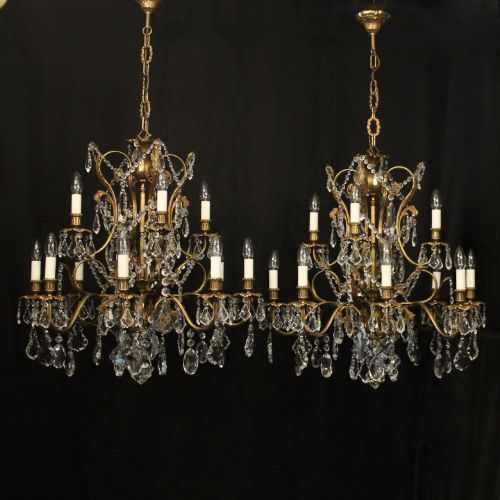
Buyers encounter multi-arm chandeliers fitted for multiple lights, alongside enclosed convex or flat-sided hall lanterns designed for entranceways. These objects combine metal structures with glass, crystal drops, or alabaster shades to cast downward and reflected light.

Materials and Construction
Casting forms the core of these pieces, utilising bronze, gilt bronze, and gilded brass shaped into intricate frames, birdcage structures, or lyre motifs. Molten metal flows into moulds to create structural arms and decorative mountings before receiving surface gilding or dark patination.
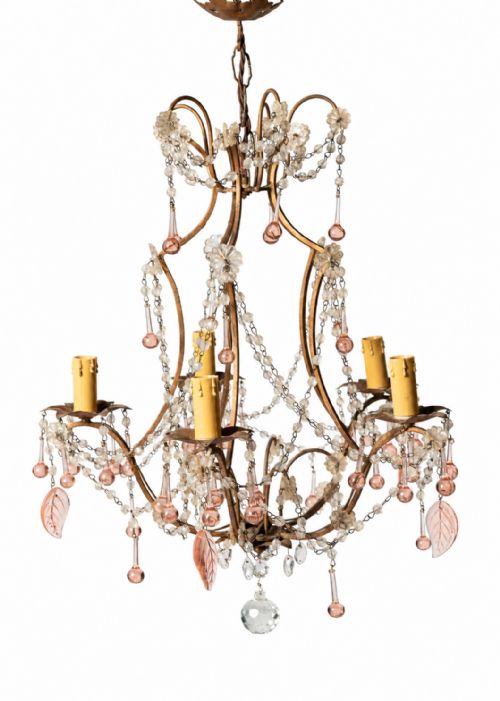
Glass and crystal components integrate directly into the metal framework, utilising cut glass spikes, tent and waterfall crystal strands, and slip shades made of glass or alabaster. Metal fixings bind these transparent elements to the central frame to complete the assembly.
Bronze Pendant Light Retail Price Guide 2026
Typical asking prices for bronze pendant light among the pieces listed under this phrase on Sellingantiques today, from the lower quarter to the upper quarter. They describe what is for sale here now, not the wider market.
Flying cherubs occasionally join the crystal spikes to supervise your ceiling from above.
Quality Variations
The refinement of the cast ornament separates standard output from superior examples, visible in the crispness of leaf decoration, cherub figures, and mount details. Hand-chasing after casting determines whether surface details remain sharp or soften into indistinct contours.
The integration of glass and crystal components dictates the visual depth of the fixture, where heavy cut crystal drops and substantial cast bronze frames elevate the presence of the piece far above lighter pressed metal alternatives.
The Bronze Pendant Light Glossary
- Gilt bronze
- Bronze coated with a thin layer of gold, often providing a bright metallic surface finish on French chandeliers. This technique protects the underlying metal while adding a reflective sheen.
- Tent and waterfall
- A chandelier configuration where strings of crystals form an upper tent shape above a cascading vertical waterfall effect. These arrangements maximise the refraction of light from bulbs or candles.
- Hall lantern
- An enclosed hanging light fixture designed primarily for corridors and entrance halls. They utilise glass panels mounted within a bronze or brass frame to shelter the internal burners or bulbs.
- Slip shade
- A moulded piece of glass inserted directly into a metal frame, commonly found in Art Deco lighting designs. They diffuse direct bulb illumination across a smooth surface.
- Mazarin
- A specific type of multi-light chandelier construction associated with seventeenth and nineteenth-century French metalwork. It denotes a dense arrangement of scrolling arms around a central stem.
Bronze Pendant Light: Frequently Asked Questions
How do I hang a heavy bronze pendant light?
Suspension requires secure anchoring into ceiling joists using a rated ceiling hook and chain capable of supporting the combined weight of cast metal and crystal components.
Professional electricians should handle the load-bearing installation and integrate appropriate wiring to meet current safety standards.
What periods do these pendant lights cover?
The available pieces span the nineteenth century through to the 1930s, encompassing Victorian, Edwardian, and Art Deco eras.
Stylistic influences draw heavily on earlier French periods including Louis XV, Louis XVI, and the Empire style.
Can I clean the crystal drops safely?
Crystal elements benefit from gentle washing with warm water and mild soap while attached to the frame, or removal for individual cleaning.
Harsh chemical cleaners risk damaging the metal gilding or patination surrounding the glass components.
Where were most of these lights made?
The majority of the listed fixtures originate from French workshops and factories, reflecting traditional design revivals popular in Paris.
American manufacturing also appears, particularly through Art Deco slip shade designs from the early twentieth century.