




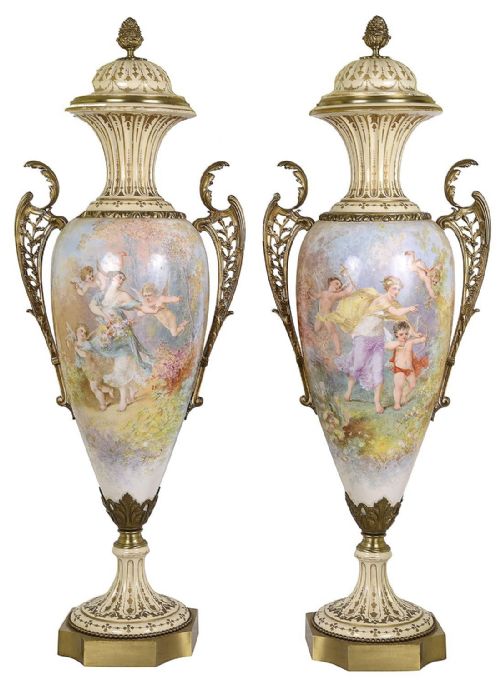
Bronze Mounted Ceramic Urn
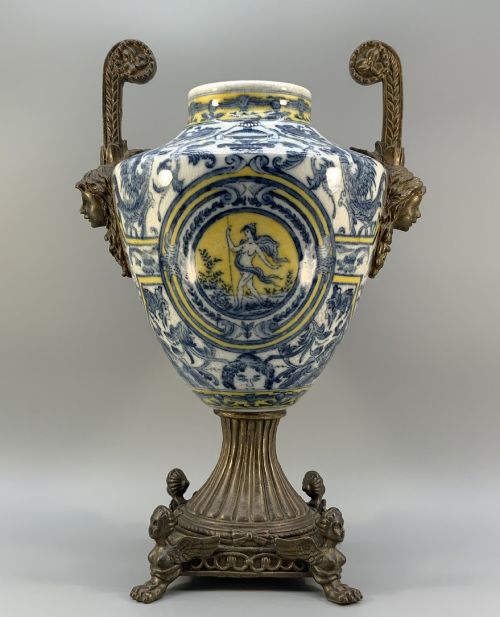
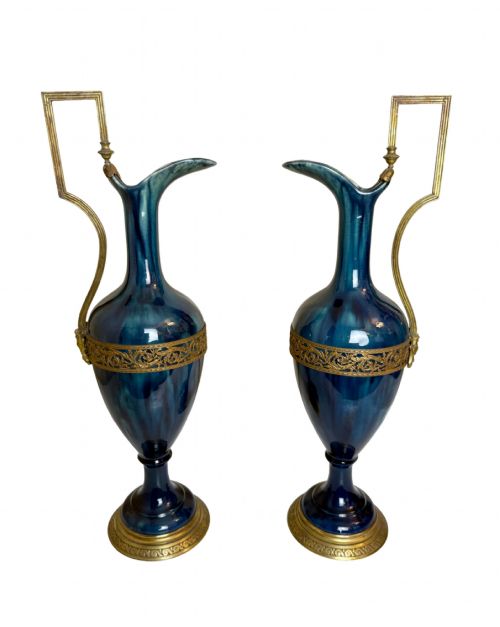
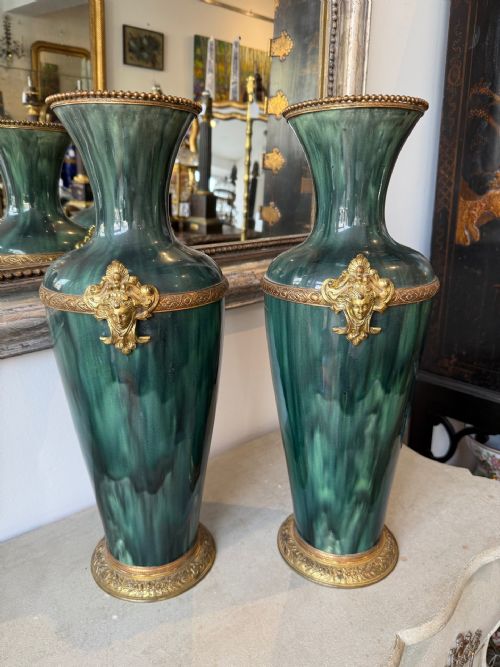
A bronze mounted ceramic urn marries East Asian and European pottery with cast metal mounts, offering an ornate focal point for a traditional room.
Bronze Mounted Ceramic Urn
A bronze mounted ceramic urn combines a pottery vessel with cast metal footings, handles, or rims. The pieces on this page span the eighteenth, nineteenth, and early twentieth centuries, drawing heavily on French Sevres style porcelain and Chinese blue and white ceramics.
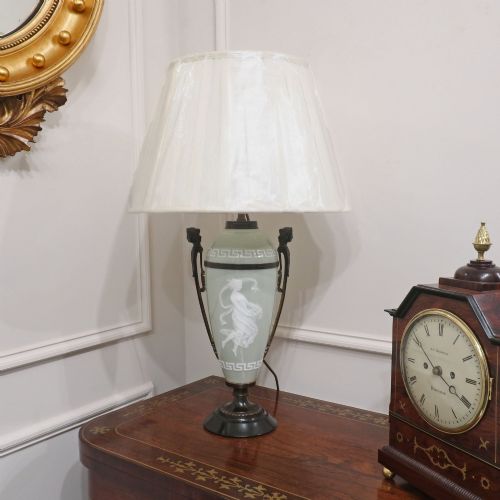
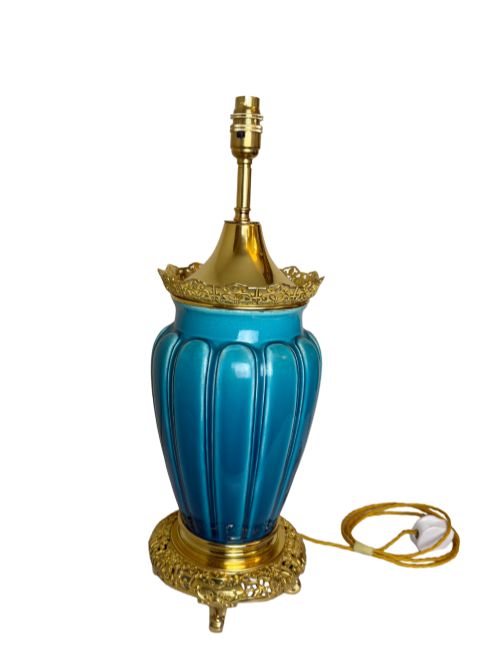
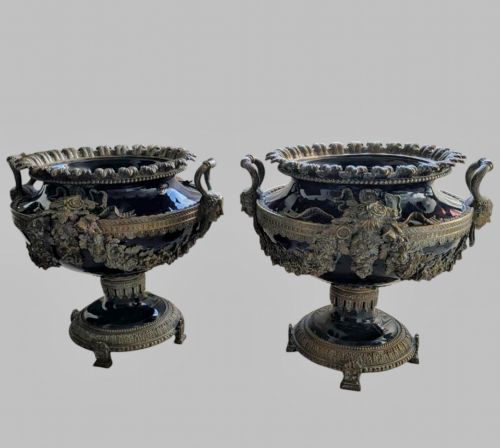
Buyers will frequently encounter table lamps, lidded vases, and jardinières adapted from earlier decorative objects. These items originate predominantly from European workshops and Asian export kilns, frequently reinterpreted through French Neoclassical or Rococo Revival aesthetics.
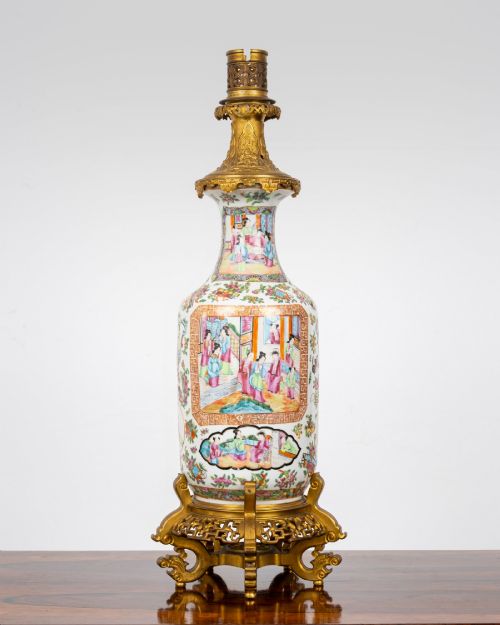
The ceramic bodies range from majolica and faience to powder blue and Rose Medallion porcelain. These vessels often serve as garnitures or mantel clocks rather than standalone display objects.
Materials and Techniques
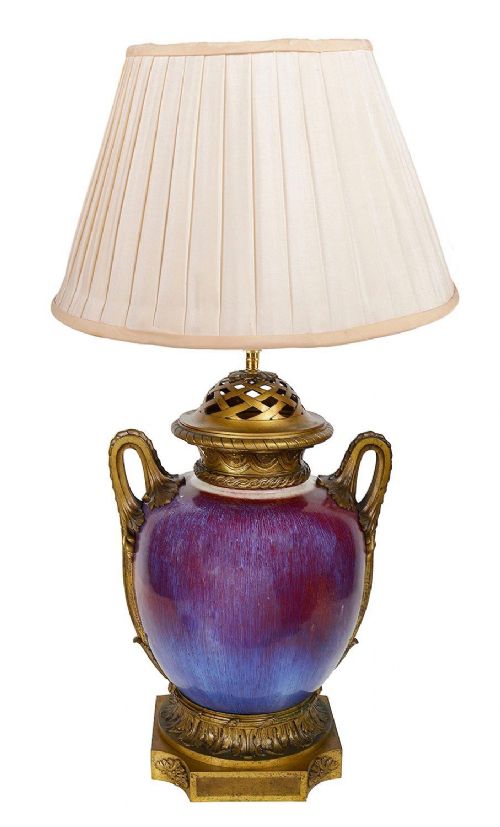
Ceramic bodies are thrown or moulded, glazed in colours such as bleu celeste, sang de bouef, or turquoise, and occasionally hand-painted. Metalwork components consist of bronze, brass, or ormolu, which is an alloy treated with gold leaf or chemical finishes to achieve a golden lustre.
Mounts are cast separately and fitted precisely to the contours of the porcelain or pottery vessel. Screws, pins, and adhesives secure the metalwork to the ceramic body without damaging the glazed surface.
Materials recorded across the inventory include majolica, faience, porcelain, ormolu, and gilt bronze.
Craftsmanship and Proportion
Superior examples demonstrate crisp chisel work on the ormolu mounts and careful alignment between the metal hardware and the ceramic body. Lesser pieces show clumsy joins where the cast bronze does not follow the exact curves of the vase.
The artistry of the ceramic painting and the depth of the glaze dictate the upper tier of the market. Hand-painted panels depicting classical scenes or natural motifs distinguish high-status manufacture from standard commercial output.
The Bronze Mounted Ceramic Urn Glossary
- Ormolu
- A gilt-bronze finish applied to metal mounts, popular in French decorative arts. It provides a bright golden appearance that contrasts with glazed ceramics.
- Garniture
- A set of three or more matching vases or urns designed to be displayed together on a mantelpiece or cabinet. These sets often include a central lidded urn flanked by smaller matching vessels.
- Bleu Celeste
- A bright sky-blue ceramic glaze frequently utilised on Sevres style porcelain during the nineteenth century. This colour provides a vibrant backdrop for gilt bronze mounts.
- Jardinière
- An ornamental pot or receptacle designed to hold plants or floral arrangements. In this context, they are fitted with metal mounts and matching ceramic bodies.
- Pate sur pate
- A ceramic decorating technique where liquid clay is applied in successive layers to build up a low-relief design on a contrasting coloured ground.
Bronze Mounted Ceramic Urn: Frequently Asked Questions
How are these urns cleaned?
Dust the ceramic body with a soft, dry cloth to remove surface particles.
Avoid abrasive cleaners or chemical polishes on the gilt bronze mounts to protect the metallic finish.
Were these urns originally lamps?
Many nineteenth-century examples were originally manufactured as decorative vases or garniture sets.
Wiring for electricity is frequently added later, occasionally requiring careful inspection of the internal mounting hardware.
How do I identify Sevres style pieces?
Look for hand-painted panels, rich coloured grounds like bleu celeste or powder blue, and elaborate ormolu mounts.
Many nineteenth-century French pieces emulate the eighteenth-century Sevres factory aesthetic rather than being manufactured in that specific workshop.
Where should I display a garniture?
These pieces suit mantelpieces, large sideboards, or console tables where their height and symmetry remain visible.
Pair matching urns symmetrically or use a three-piece garniture set as the centrepiece of a room.