
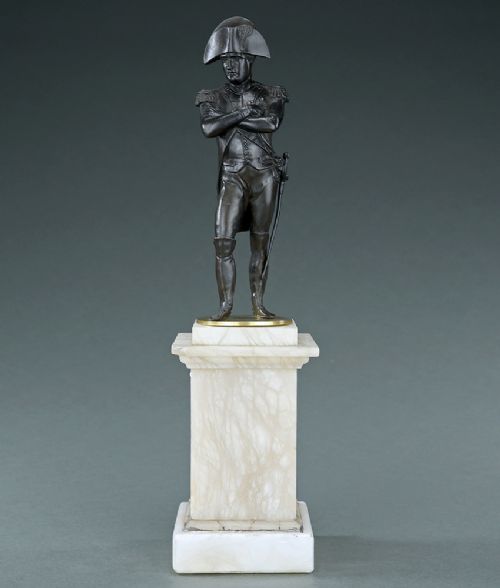
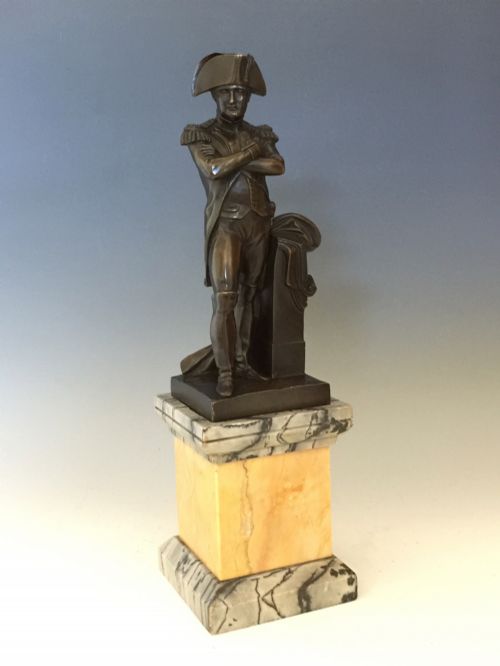

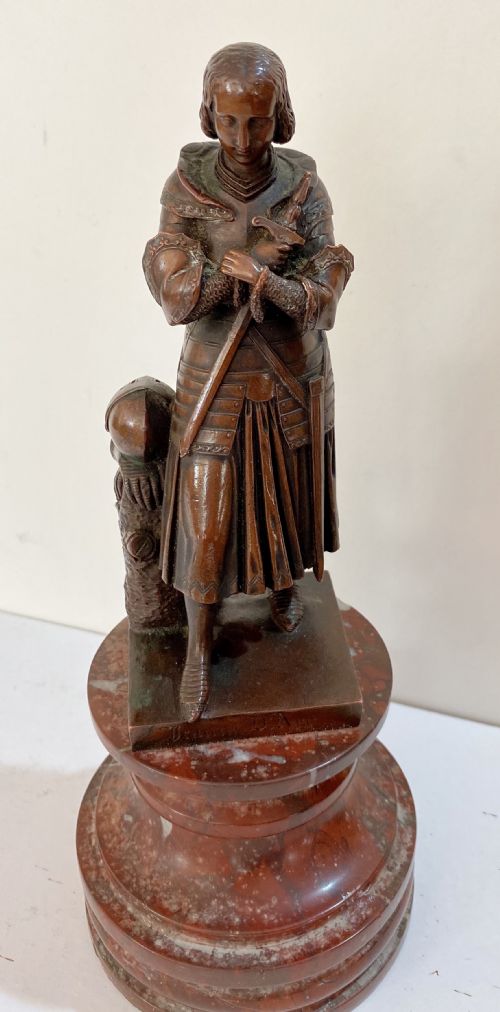


Bronze Military Statue
A bronze military statue brings historical commanders and soldiers into a room through cast metal and careful patination.
Bronze Military Statue
A bronze military statue captures historical figures and soldiers, most frequently depicting Napoleon Bonaparte on foot or horseback, alongside other notable commanders like Saladin and Hannibal.
These pieces emerge primarily from nineteenth-century French workshops, though Russian imperial items and Austrian figures also appear among the selections.
Forms range from cabinet sculptures and library figures to larger equestrian monuments and car mascots.
Materials and casting methods
Sculptors utilised bronze, sometimes pairing the cast metal with marble bases or incorporating cold paint and enamel details to add colour.
Patination techniques created varied surface tones, while specific works employed cold-painting on bronze to render uniforms and regalia with precision.
Bronze Military Statue Retail Price Guide 2026
Typical asking prices for bronze military statue among the pieces listed under this phrase on Sellingantiques today, from the lower quarter to the upper quarter. They describe what is for sale here now, not the wider market.
Judging the casting and finish
The nuance of the patination and the integration of the figure with its marble base dictate the visual impact of the piece.
Emile Guillemin·E.H. Dumaige·Fabergé·James Pradier·C. Anfrie
The Bronze Military Statue Glossary
- Patinated bronze
- Bronze treated with chemical solutions to produce a specific surface colour or tone. This finish protects the metal and defines the highlights of the sculpture.
- Cold-painted bronze
- Metal figures painted with oil or enamel colours without subsequent kiln firing. This technique brings vivid realism to military uniforms and regalia.
- Grand Tour
- The nineteenth-century practice of collecting classical and Renaissance sculpture while travelling through Europe. These reductions served as portable mementoes of famous monuments.
- Spelter
- A zinc alloy frequently utilised as a substitute for bronze in nineteenth-century figures. It is lighter and softer than true bronze.
- Equestrian
- A sculpture depicting a rider on a horse. These larger works often commemorate military leaders and commanders.
Bronze Military Statue: Frequently Asked Questions
How do I clean a bronze military statue?
Dust gently with a soft, dry brush to prevent the accumulation of grit in the crevices of uniforms and horse harnesses.
Avoid liquid cleaners, polishes, or abrasive cloths that can strip away the original patination and damage the metal surface.
Where were these statues originally displayed?
Many nineteenth-century pieces stood upon library desks, mantelpieces, or cabinet tops in private studies and drawing rooms.
Larger equestrian works and figures required dedicated pedestals or substantial tables to support their weight and presence.
How can I tell bronze from spelter?
Bronze exhibits greater weight, resonance, and a warmer metallic tone beneath the patina compared to zinc-based alternatives.
Examining the underside or unpainted areas often reveals the denser, darker grain characteristic of cast bronze.
Why do some figures have marble bases?
Marble bases provided stability for heavier equestrian and standing figures, ensuring the sculpture remained balanced on furniture.
They also added a formal architectural element that elevated the status of the military subject within a domestic interior.