

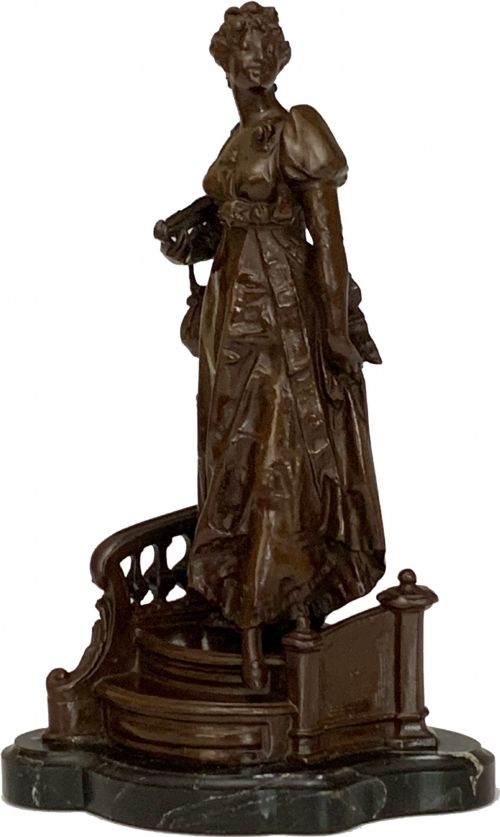

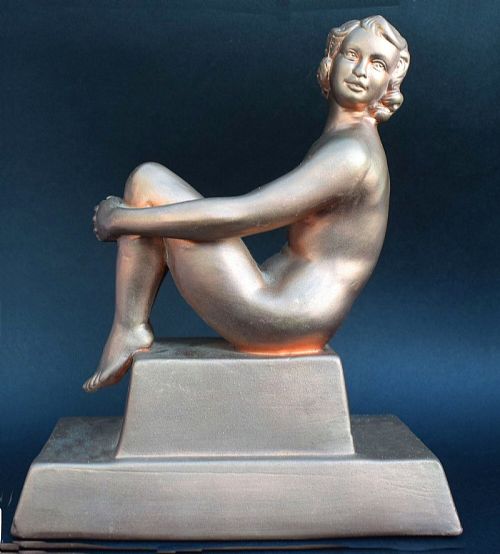


Bronze Lady Sculpture
When you search for bronze lady sculpture, you uncover figurative works spanning nineteenth-century classical grace to twentieth-century Deco movement.
Bronze Lady Sculpture
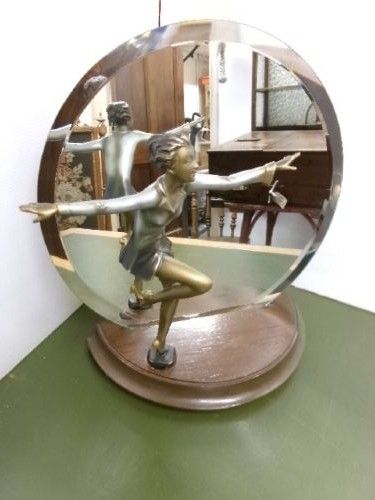
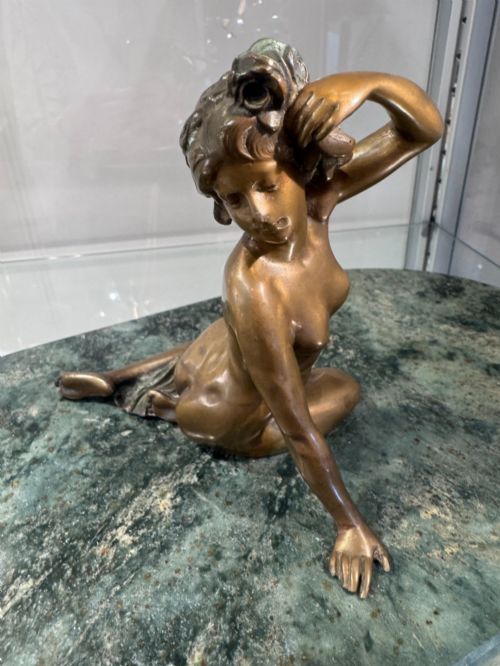
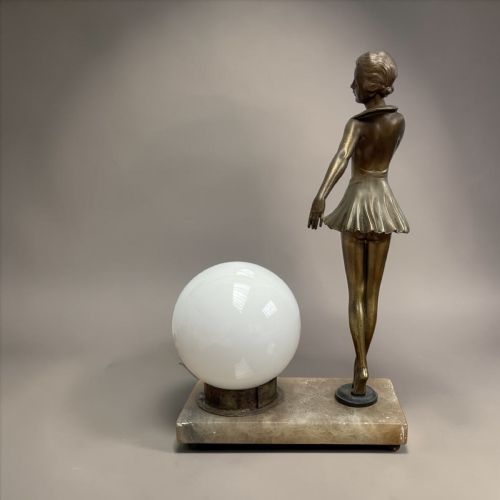
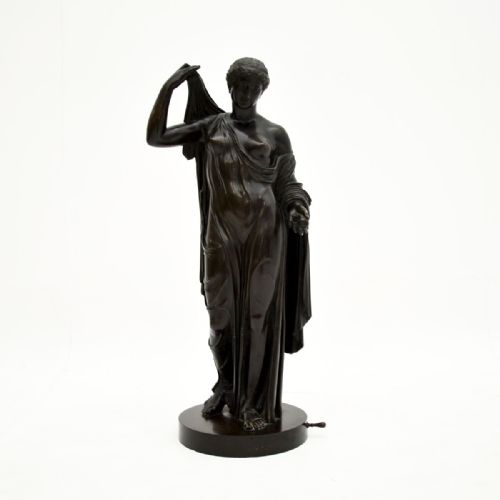
A bronze lady sculpture represents female figures across various historical periods, frequently appearing in forms such as dancing figures, lamps, busts, and bookends. The selection encompasses distinct aesthetic movements, including Art Deco, Art Nouveau, and Neoclassical styles.
Buyers will encounter works cast from solid bronze alongside pieces utilising alternative metals like spelter, paired with bases made from marble, onyx, and alabaster. Originating largely from French workshops and Viennese foundries, these sculptures capture female subjects in both clothed attire and nude studies.
How they were made
Foundries utilised the lost-wax casting technique to produce detailed bronze figures, ensuring precise reproduction of the sculptor's original model. Cold painting was frequently applied to specific metal surfaces to add colour and realism to garments and skin tones.
Many figures incorporated mixed materials, mounting metal castings onto carved stone bases such as marble or onyx for stability. Spelter served as a more accessible alternative metal during certain periods, often receiving patination to mimic the appearance of genuine bronze.
Listings feature periods spanning the nineteenth century through the 1930s Art Deco era.
What varies in quality
The precision of the casting and the crispness of the chisel work distinguish superior sculptures from simpler commercial productions. Subtle details in facial expression, drapery, and hand-finished patination reveal the skill of the original founder and artist.
The quality of the base material significantly impacts the overall piece, with dense veined marble or alabaster indicating higher grade manufacture compared to basic wooden mounts. Signed castings by known sculptors carry distinct craftsmanship standards that elevate them above unsigned foundry editions.
Georges Van Der Straeten·Bergman Vienna·Josef Lorenzl·Sylvain Kinsburger·Demetre Chiparus·Jennings Brothers·Emmanuel Villanis·Maurice Bouval
The Bronze Lady Sculpture Glossary
- Spelter
- A zinc alloy commonly utilised as a less expensive substitute for bronze in nineteenth and twentieth-century figure manufacture. It is softer than bronze and frequently bears a dark patinated finish.
- Chryselephantine
- A term describing statues made from a combination of bronze and ivory. This technique gained particular popularity among Art Deco sculptors.
- Cold-painted
- A method where pigment or enamel is applied to a metal sculpture after casting without subsequent firing. This finish requires careful handling to prevent flaking over time.
- Patination
- The natural or chemical coloration developed on the surface of bronze over time. Artists also applied artificial patinas using acids to achieve specific dark or greenish tones.
- Bust
- A sculpted representation of a person from the chest up. These pieces typically focus on facial expression and period costume.
Bronze Lady Sculpture: Frequently Asked Questions
Are spelter and bronze different?
Bronze is a durable alloy primarily composed of copper and tin, while spelter is a softer zinc-based metal. Spelter figures feel lighter and show less resilience to bending than solid bronze.
Examine the underside or unprotected areas of the casting to check the base metal colour. Spelter often reveals a greyish interior beneath worn patination, whereas bronze displays a warm coppery hue.
What is an art deco figure?
Art Deco figures reflect the stylistic trends of the 1920s and 1930s, emphasising streamlined forms, geometric clothing, and dynamic movement. These pieces frequently depict dancers, athletes, or female models in modern poses.
Materials of this era often include cold-painted bronze, spelter, and carved onyx or alabaster bases. Signatures etched directly into the metal base are common for works from this period.
How do I identify the maker?
Look closely around the base or lower edge of the metal casting for an incised signature, foundry stamp, or artist mark. Signatures were sometimes cast directly into the mould or added by hand after cooling.
Compare the style of the script and the subject matter with documented works by known sculptors from the nineteenth and early twentieth centuries. Unsigned pieces are common, relying on stylistic attribution rather than a clear signature.