




Bronze Horse Statuette
A bronze horse statuette captures equine muscle and spirit in metal, offering collectors a tangible piece of centuries-old sculpture history.
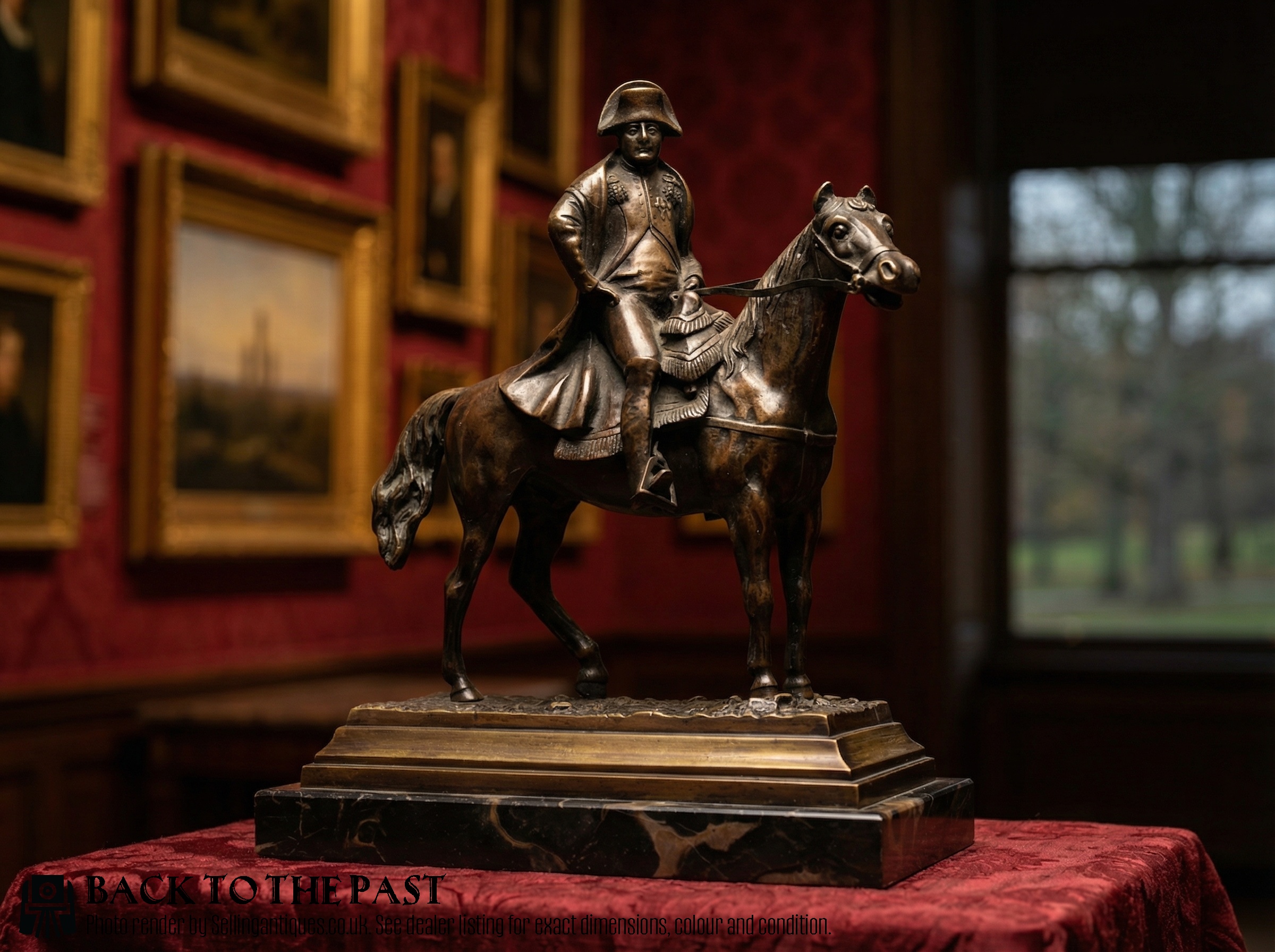
Bronze Horse Statuette
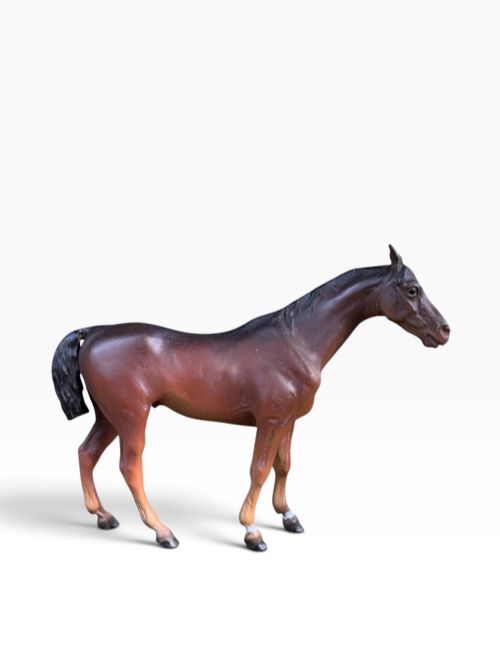
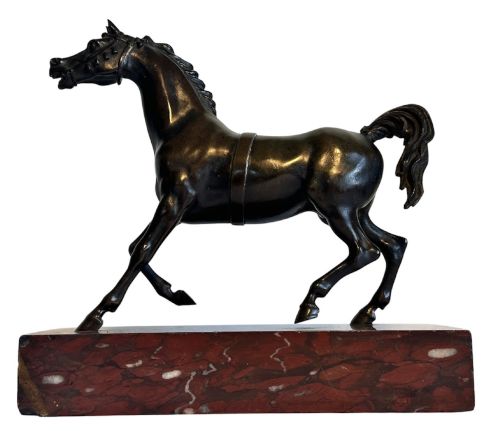
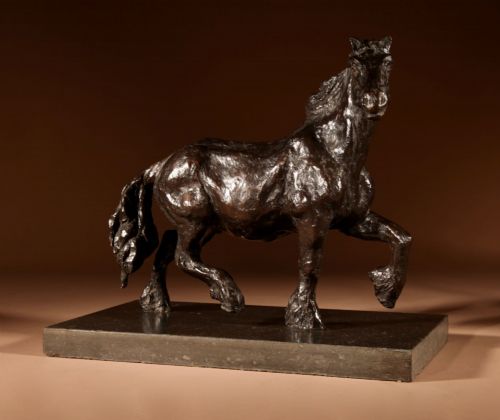
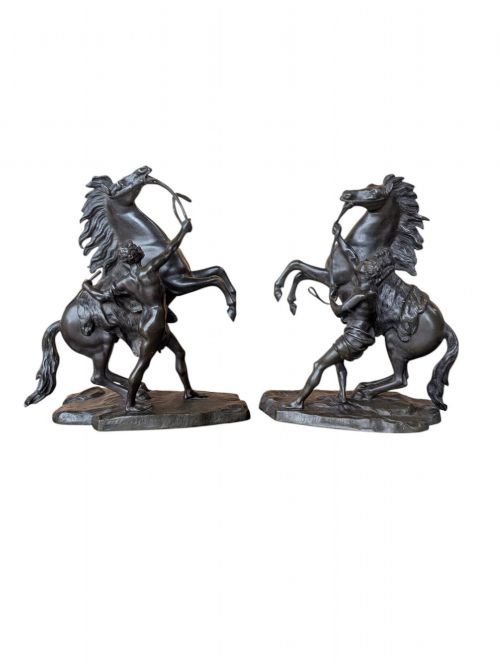
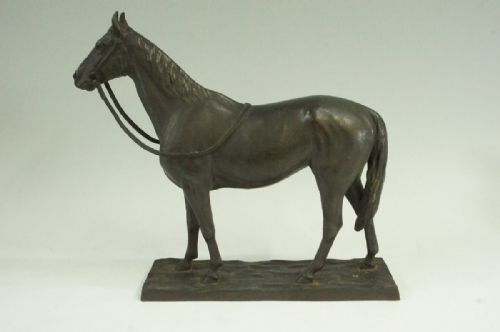
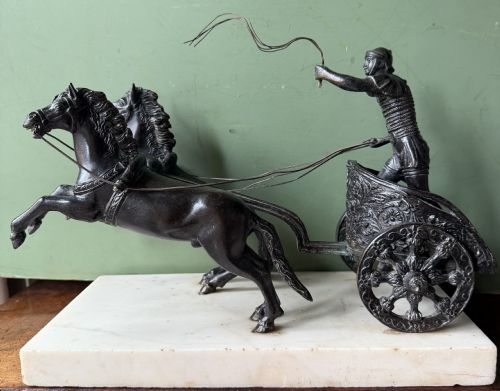
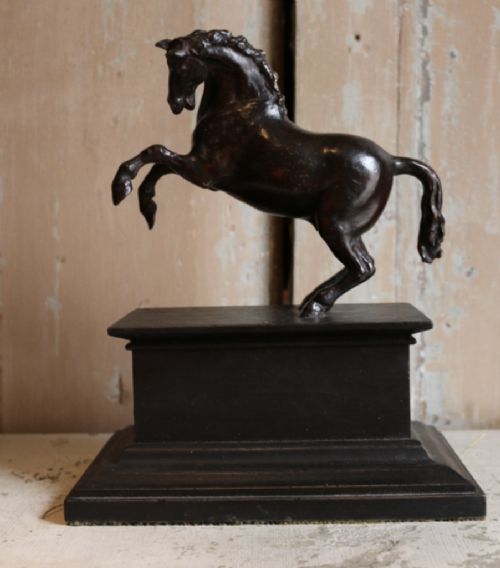
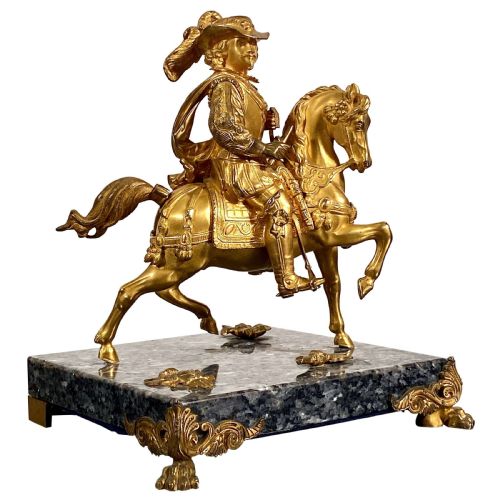
A bronze horse statuette brings together centuries of animalier sculpture and portraiture, ranging from spirited stallions to historical mounts. When you search for a bronze horse statuette, you encounter everything from grand tour souvenirs to Austrian cold painted pieces.
The selections span distinct periods including the seventeenth century, Victorian era, and early twentieth century. You will frequently find works mounted on marble or wood bases, depicting subjects from classical charioteers to famous historical figures on horseback.
Assessing Quality and Execution
Quality rests upon the crispness of the casting and the sensitivity of the anatomical rendering. A superior piece displays articulate muscle definition, balanced proportions, and careful finishing to the hooves, mane, and harness details.
The integration between the bronze figure and its base also signals distinction. Finer examples feature well-fitted marble or wood plinths, distinct patination, and clear signatures or foundry marks where applicable.
Among the stable of thoroughbreds and chargers, one enterprising artisan turned a notorious highwayman into an art deco table cigarette lighter.
Franz Bergman·Luigi Secchi·Kunio Itô·Renee Sintenis
The Bronze Horse Statuette Glossary
- Cold Painted Bronze
- A method where enamel paint is applied to cold metal rather than fired in a kiln, popular in Austrian workshops. This technique requires delicate preservation over time.
- Animalier
- Nineteenth-century sculptural style focusing on realistic depictions of animals in naturalistic poses. Artists in this tradition studied anatomy closely.
- Grand Tour
- Souvenirs collected by affluent travellers touring cultural sites in Italy and Europe during the eighteenth and nineteenth centuries. These often included miniature bronzes of classical subjects.
- Ormolu
- Finely ground high-carat gold applied to bronze objects using a mercury-gilding process. This imparts a rich, lasting metallic lustre.
- Patina
- The surface sheen and colour developed on bronze through age, oxidation, or intentional chemical treatment. Collectors value original patinas for their depth.
Bronze Horse Statuette: Frequently Asked Questions
How do I clean my bronze horse statuette?
Dust the surface gently with a soft, dry brush to prevent accumulation. Avoid commercial polishes or water, which can damage delicate patinas and cold-painted finishes.
For stubborn grime, consult a professional conservator rather than attempting chemical cleaning at home. Preserving the original surface skin maintains the historical integrity of the piece.
Are all bronze horses solid metal?
Many antique animal figures are hollow-cast to reduce weight and save material costs during production. Foundry workers used core supports that sometimes remain visible inside older casts.
Heavier examples or smaller desk ornaments may be cast solid, particularly when mounted on substantial stone bases. Weight alone does not determine the age or quality of a sculpture.
What is cold-painted bronze?
Cold painting involves applying polychrome oil or enamel paints directly onto the bronze without kiln-firing. This technique gained prominence in Vienna during the late nineteenth and early twentieth centuries.
Because the paint sits on the metal surface rather than fusing with it, these pieces require careful handling. Loss of paint can affect both appearance and desirability.
How can I tell a grand tour bronze apart?
Grand tour bronzes typically depict classical subjects, monuments, or mythological scenes acquired by travellers in Italy. They often feature characteristic dark patination and bespoke architectural bases of marble.
These pieces reflect European taste from the eighteenth and nineteenth centuries. Their craftsmanship emphasises decorative souvenir appeal alongside classical proportions.
What do animalier sculptures typically show?
Animalier works portray animals in dynamic, naturalistic movements, capturing tension, fatigue, or power. Sculptors observed live subjects in menageries and rural settings to achieve lifelike accuracy.
This genre flourished in nineteenth-century France and spread across European foundries. The focus remained entirely on the realistic depiction of wildlife and domestic beasts.