
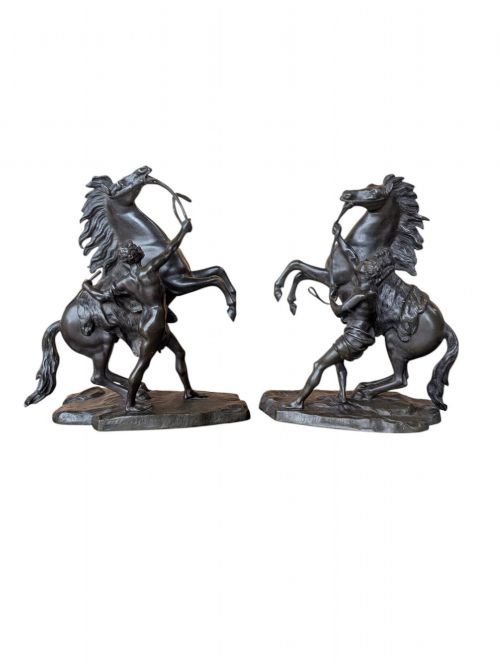
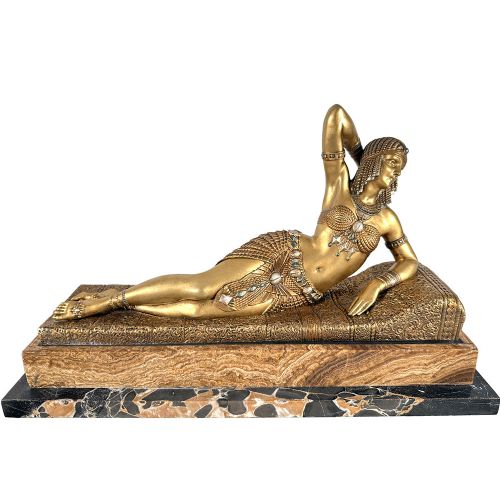
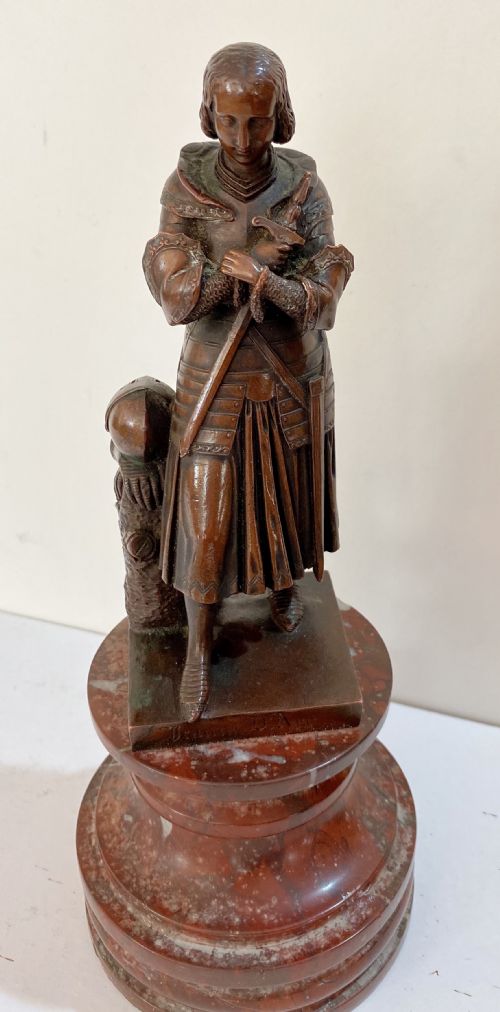

French Bronze Mantel Sculpture
A french bronze mantel sculpture brings the weight and detail of nineteenth-century foundry work straight to a shelf or fireplace.
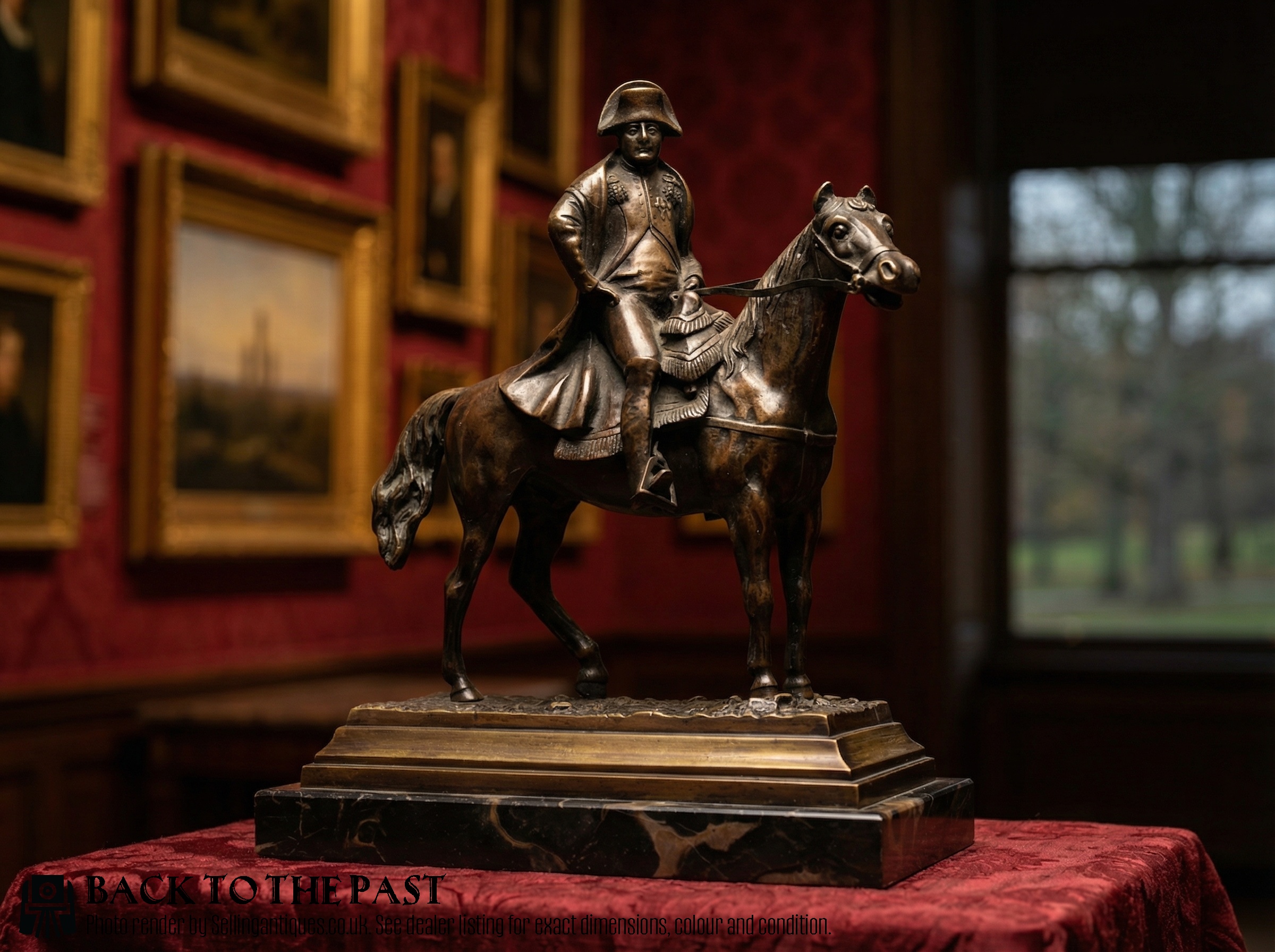
French Bronze Mantel Sculpture
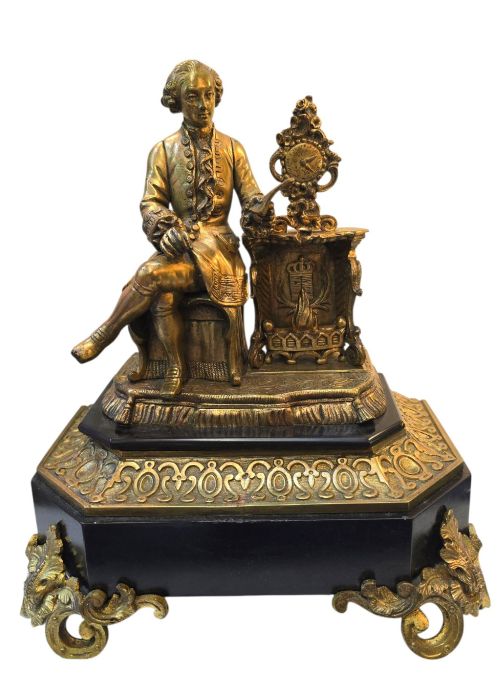
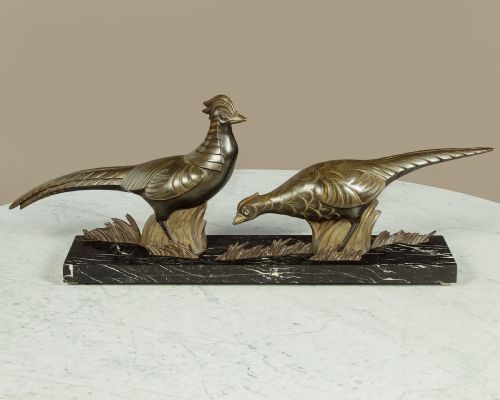
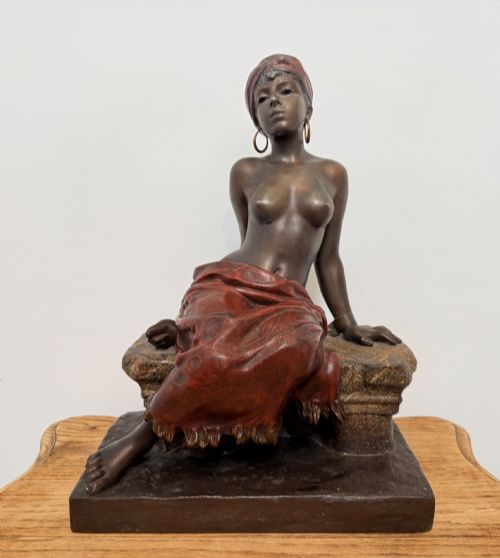
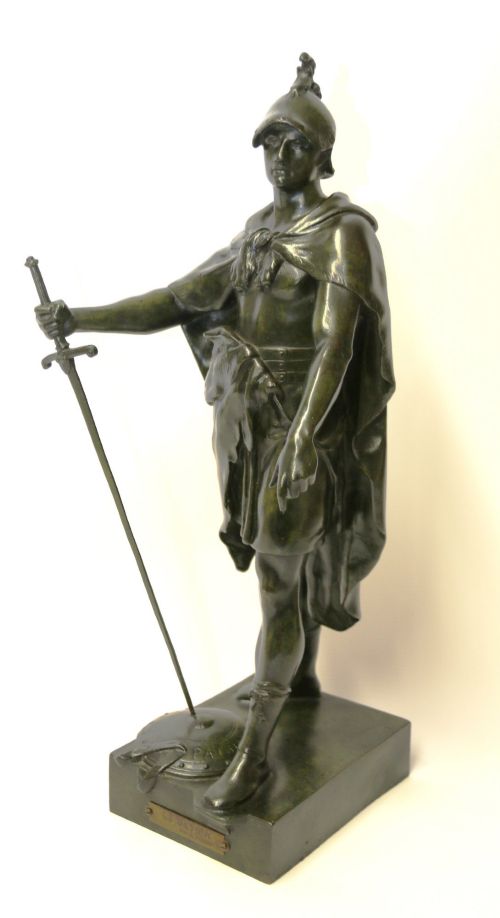
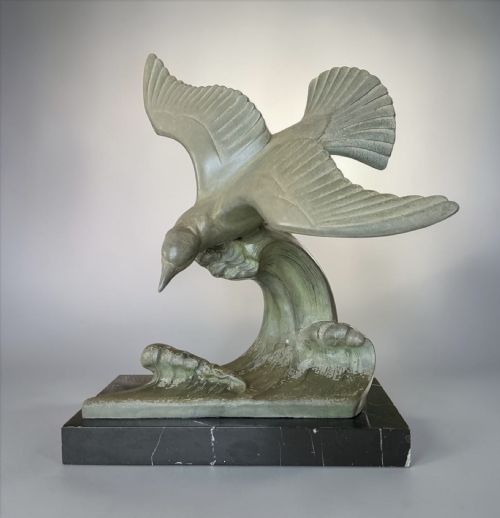
When searching for a french bronze mantel sculpture, buyers encounter a diverse selection of standalone figures, animal studies, clock garnitures, and decorative mounts. The objects span from the neoclassical and rococo revivals of the nineteenth century through to the sleek lines of Art Deco design.
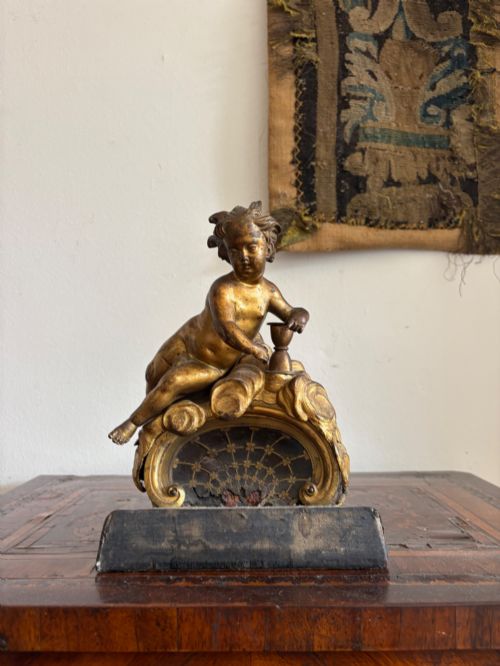
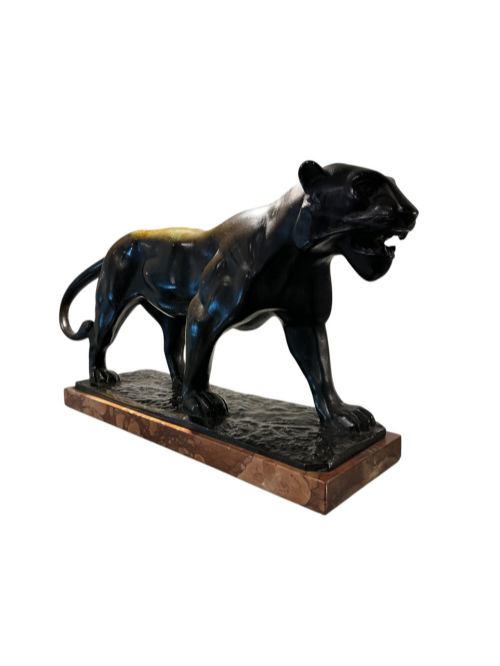
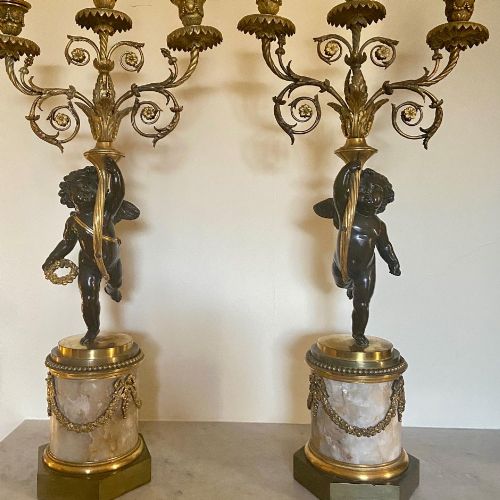
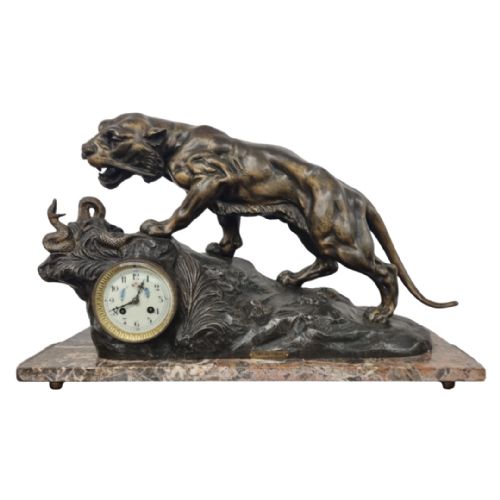
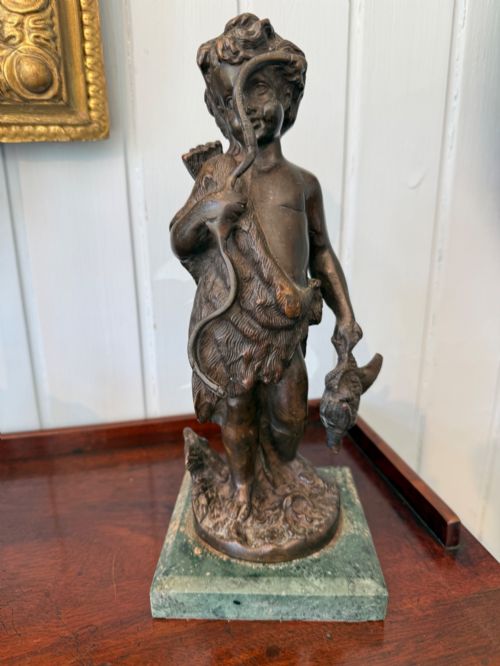
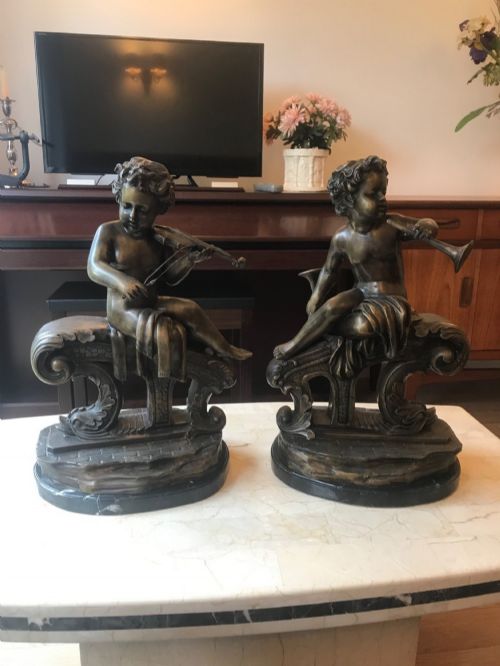
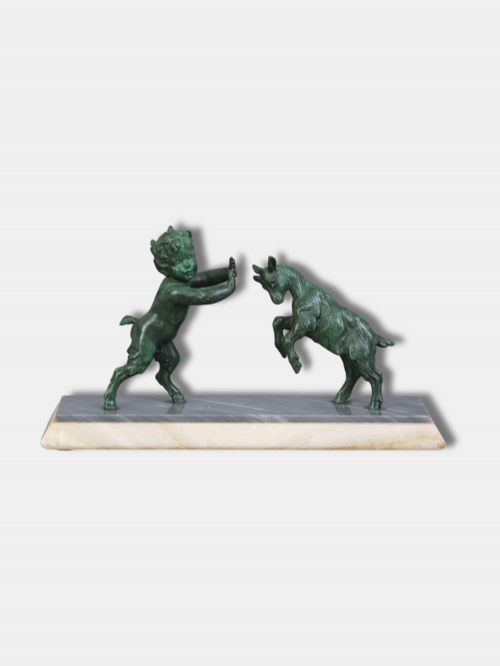
Most examples found on this page combine cast metal with bases of marble or onyx, often designed to sit squarely on a mantelpiece or tabletop. Subjects range from classical figures and putti to wildlife, dancers, and allegorical scenes.
Pieces from this tradition reflect changing stylistic demands across the decades, moving from ornate nineteenth-century figures to stylised birds and dancers from the 1920s and 1930s. The forms vary from intimate cherubs to large animalier groups depicting predators and prey.
Materials and Casting Methods
Foundries utilised traditional lost-wax or sand-casting techniques to shape the molten metal into intricate figures, applying patinas ranging from deep brown to bright gilt or ormolu finishes. Many works combine patinated bronze with contrasting gilded highlights or carved ivory elements known as chryselephantine.
Heavier elements frequently incorporate bases carved from solid marble, onyx, or slate to anchor the dynamic metalwork. Enamel dials and glass components also appear on pieces integrated with mantel clocks or lighting.
Victorian mantelpieces frequently held watchful bronze animals staring down misbehaving children and household pets with permanent dignity.
Defining Quality in Cast Bronze
The quality of the base material and the fidelity of the signature or foundry mark further separate standard production from masterworks. Heavier, well-balanced stone bases and precise joins signal higher grade construction.
Émile Louis Picault·Emile Carlier·Demetre Chiparus·Isadore Bonheur·Clodion·Paul-Édouard Delabrièrre·Antoine Louis Barye·Barbedienne·Clovis Masson·P J Mêne·Charpentier Paris·G.GARDET
The French Bronze Mantel Sculpture Glossary
- Animalier
- A nineteenth-century artistic genre focusing on the realistic depiction of animals, particularly wild beasts in motion or repose. Sculptors in this tradition studied anatomy closely at menageries.
- Ormolu
- Gilt bronze produced by applying a mercury-gilding amalgam to a bronze base. This technique creates a rich, durable golden surface seen on mounts and clock garnitures.
- Patina
- The surface colour and texture developed naturally over time or applied chemically to bronze. It protects the metal and defines the visual shadows of the sculpture.
- Chryselephantine
- A term describing statues combining bronze with carved ivory. This technique gained prominence during the Art Deco period for figures in elaborate costume.
- Putto
- A plump, often winged child figure derived from classical art. They appear frequently as finials, musicians, or attendants in nineteenth-century decorative metalwork.
French Bronze Mantel Sculpture: Frequently Asked Questions
How do I clean a bronze sculpture?
Dust the surface gently with a soft, dry brush to prevent the buildup of particles in the crevices. Avoid using water, soap, or polish, as these can strip the original patina.
Apply a very thin layer of microcrystalline wax periodically if the metal requires protection against humidity. Buff the wax off immediately with a clean flannel cloth to maintain a soft lustre.
Are these pieces solid bronze?
Many sculptures are cast as solid metal, while larger or more complex figures are hollow to reduce weight and cost. Some items designated as spelter use a softer zinc alloy rather than copper and tin.
Examine the underside or unexposed areas to check the colour of the metal beneath the surface patina. Heavier pieces usually indicate solid casting or dense internal support.
How can I identify the period?
Examine the overall design style, clothing folds, and base materials for clues to the date of manufacture. Neoclassical and rococo revival pieces display ornate scrollwork, whereas 1930s works favour geometric bases and streamlined animal forms.
Look for foundry stamps, signatures, or registration marks cast into the base. These inscriptions often point directly to the active years of the maker or workshop.
Where should I place a heavy marble base?
Position the piece on a stable, level surface such as a wooden mantelpiece, sideboard, or heavy table that can support the considerable weight of the stone and metal. Ensure the display area remains out of direct sunlight to protect any patinated or gilded surfaces.
Keep the sculpture away from active heat sources like radiators to prevent thermal shock to the marble or drying out of the base joints.