


Napoleon Bonaparte Statue
A napoleon bonaparte statue brings the commanding presence of the French Emperor into your interior through enduring bronze, marble and porcelain forms.
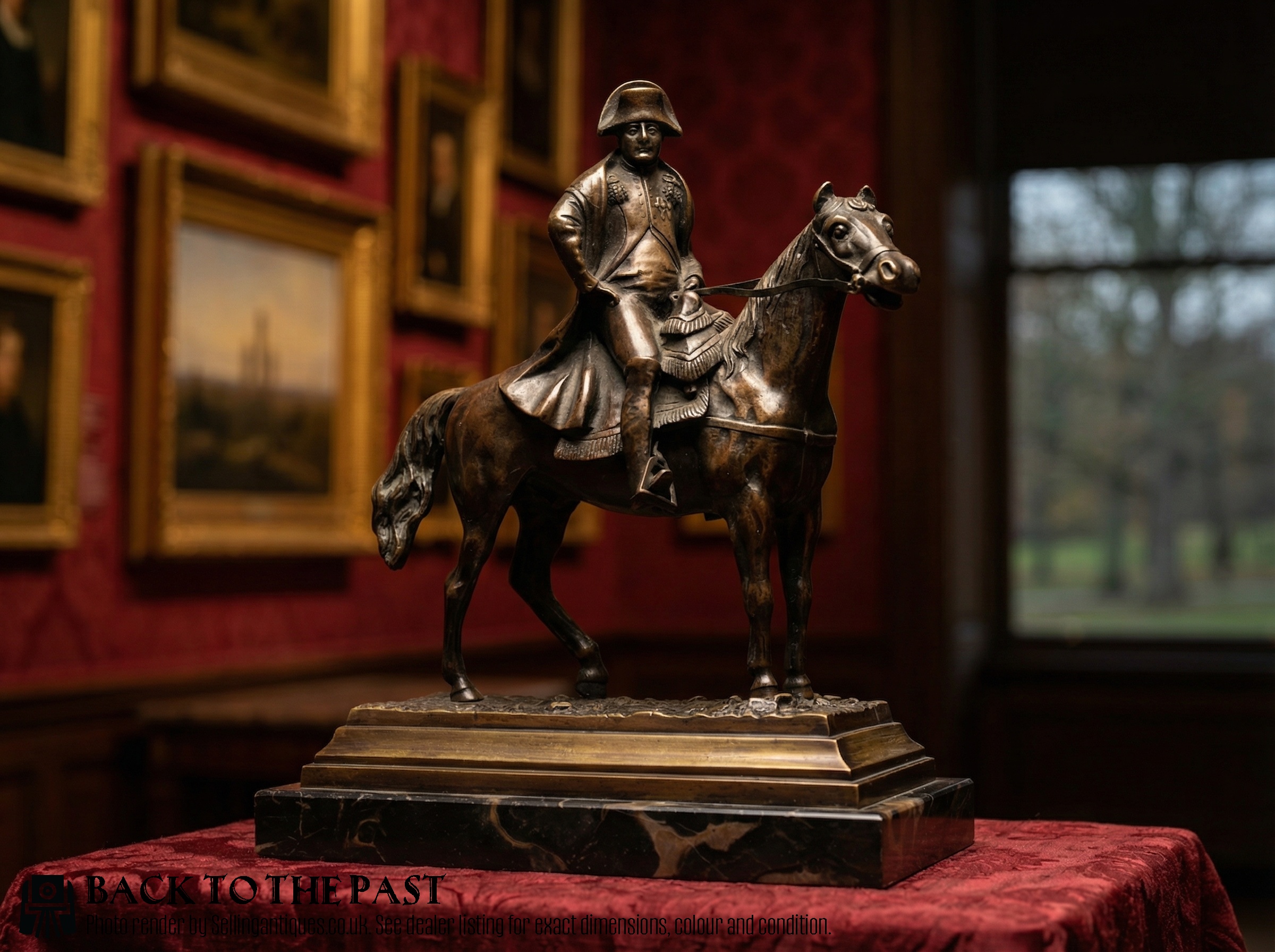
Napoleon Bonaparte Statue
When you search for a napoleon bonaparte statue, you encounter sculptural representations capturing the Emperor in bronze, marble, parian porcelain and plaster. These works span the nineteenth century, including Victorian interpretations and French Empire revival pieces that reflect his enduring historical legacy.
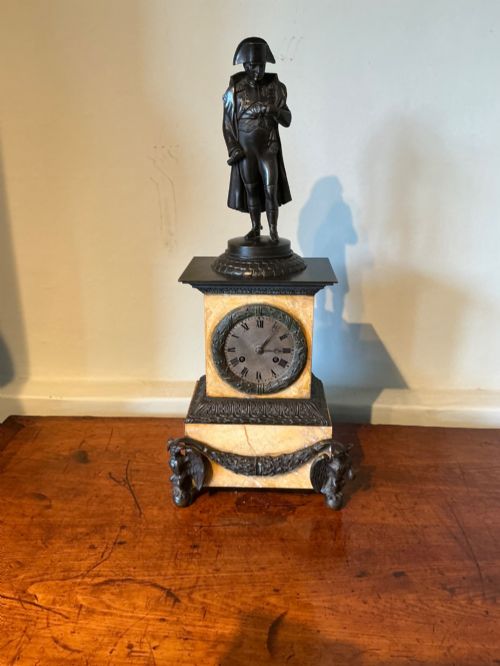
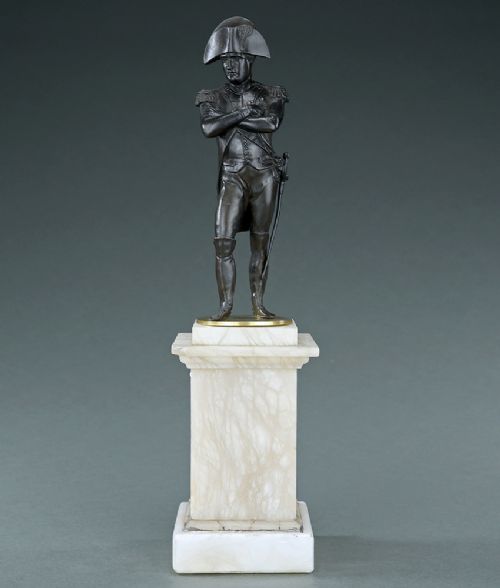
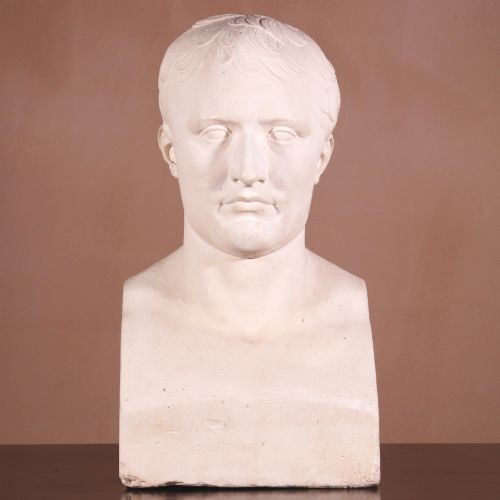
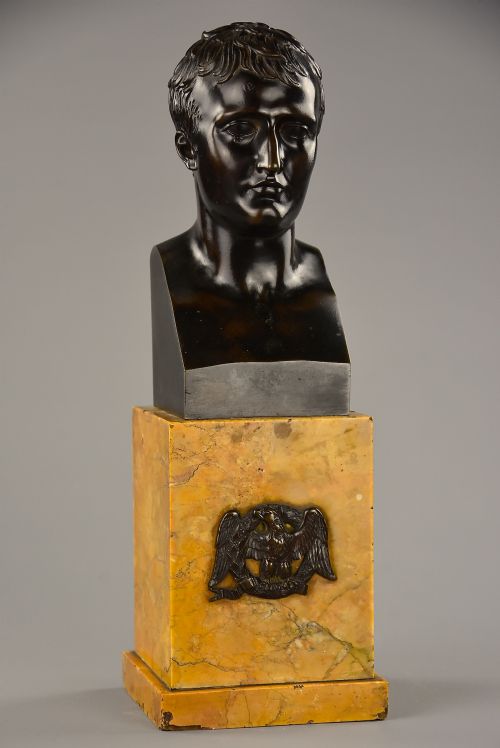
You are most likely to meet bronze and marble busts, equestrian statues, and mantel clocks featuring the familiar bicorne hat and military bearing. These objects range from library-sized statuettes to large monumental busts set on marble pedestals.
How they were made
White and grey marble provided the material for carved busts and pedestals, while parian porcelain offered a matte biscuit finish similar to carved stone. Plaster was also utilised for larger sculptural works.
Listings for a napoleon bonaparte statue span the 19th century, featuring bronze, marble, parian porcelain, and plaster.
What varies in quality
Quality rests upon the crispness of the casting in metalwork and the depth of carving in marble and porcelain. Finer examples display meticulous attention to anatomical proportion and military insignia.
The choice of base materials, such as heavy variegated marble or gilt bronze mounts, distinguishes standard decorative library pieces from works produced by notable makers and workshops.
The Napoleon Bonaparte Statue Glossary
- Bicorne
- A two-cornered hat worn by Napoleon and military officers of the period. Its distinctive silhouette instantly identifies portraits and statues of the Emperor.
- Parian porcelain
- A fine-grained unglazed biscuit porcelain resembling white marble, developed in the nineteenth century. It was widely used for portrait busts.
- French Empire style
- The decorative arts style spanning the early nineteenth century, characterised by classical Roman motifs and military themes. It heavily influenced subsequent revival pieces.
- Patination
- The surface finish and coloration developed on bronze through age or chemical treatment. A rich patination enhances the definition of the underlying metal.
Napoleon Bonaparte Statue: Frequently Asked Questions
What materials are these statues made from?
These pieces appear predominantly in bronze, white and grey marble, parian porcelain, and plaster.
Some examples combine materials, mounting metal figures onto heavy marble bases or incorporating them into mantel clocks.
How do I date a bronze statue?
Dating relies on the casting technique, the style of the base, and the recorded period of the foundry or sculptor.
Nineteenth-century pieces often display specific patination and foundry marks characteristic of the era.
Where were these sculptures displayed?
Historically, these figures stood in libraries, studies, and formal reception rooms as symbols of political and military power.
Today, collectors place them on desks, mantelpieces, and dedicated pedestals as focal points in period interiors.
What is an equestrian statue?
An equestrian statue depicts the subject mounted on a horse, a classical form used to denote military leadership and command.
In this collection, these pieces show Napoleon on horseback, cast in bronze and set upon marble.