


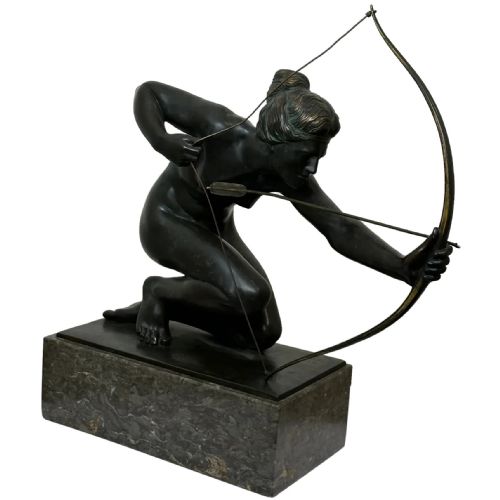


Bronze Goddess Statue
These bronze goddess statue pieces bring classical mythology and Eastern spirituality into interiors, offering cast metal figures of deities for collectors.
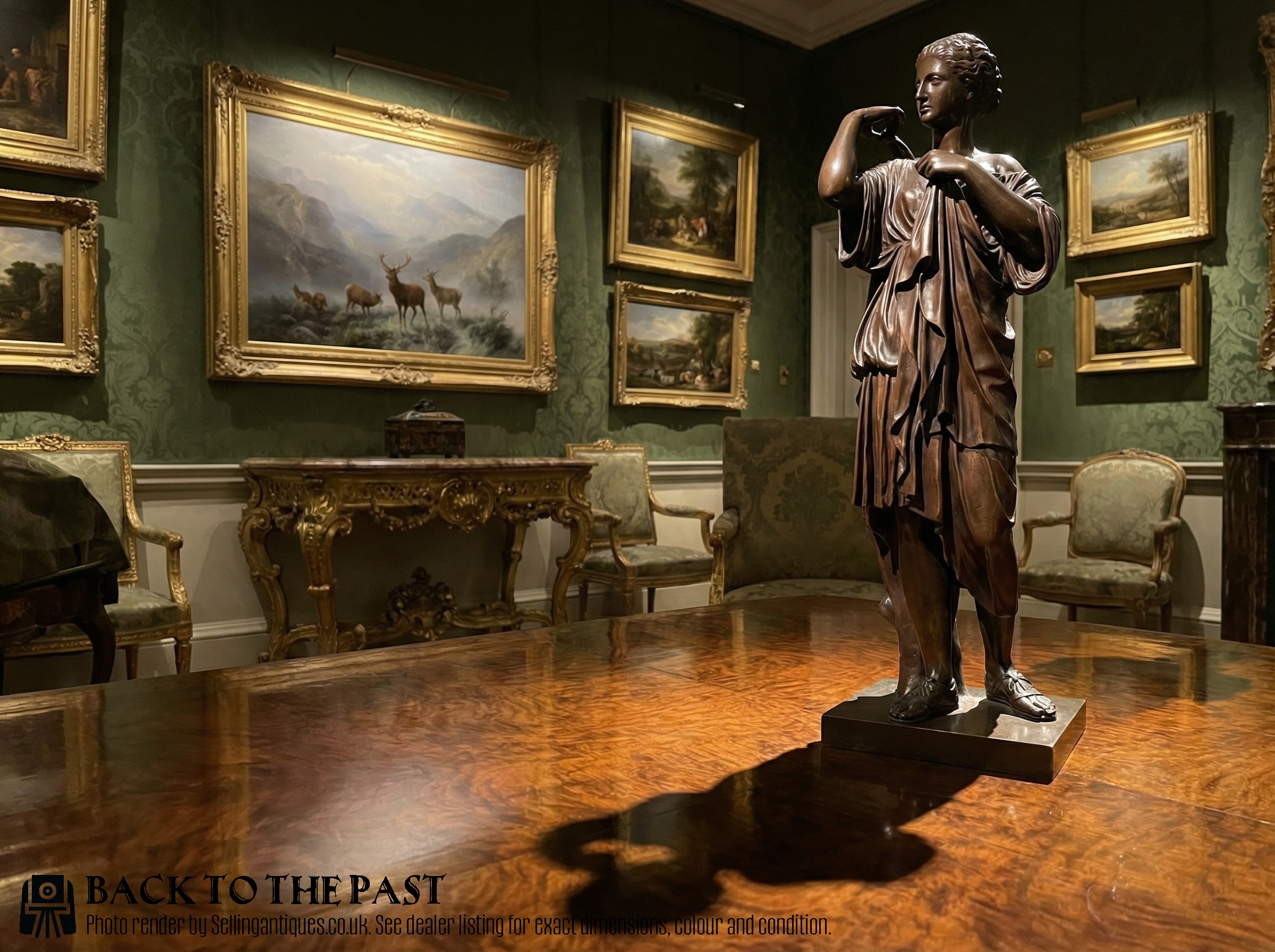
How they were made
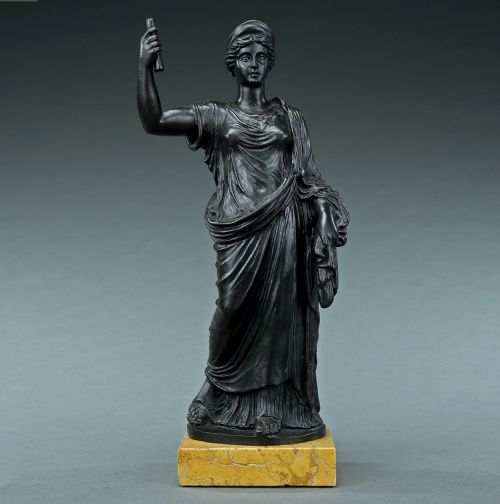
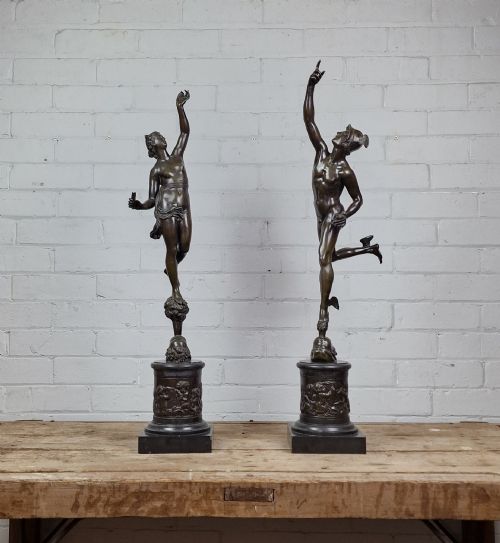
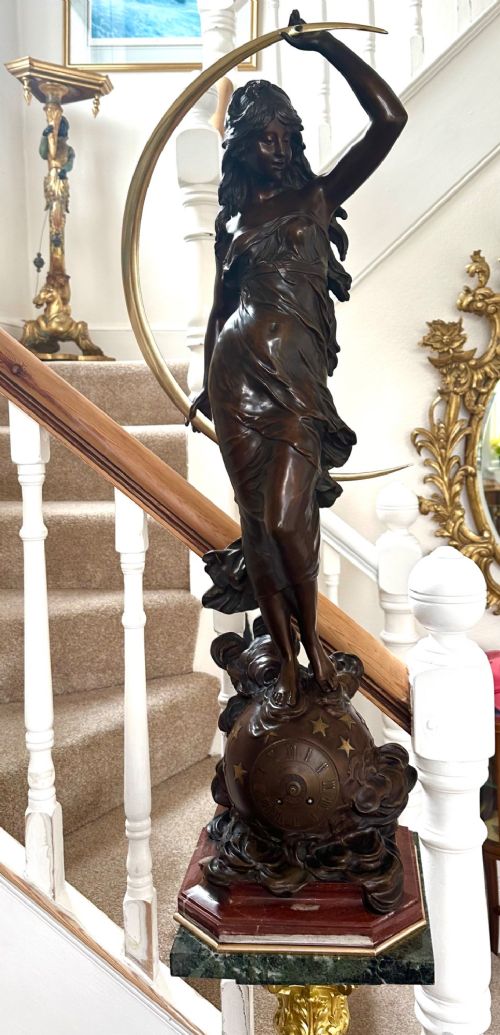
Foundries produced these figures using traditional metal-casting techniques, frequently finishing the surface with dark patination or applying surface gilding. Many nineteenth-century European works rely on patinated bronze combined with marble plinths, while older Asian examples utilise gold gilding over cast metal.
Makers often signed their bronze goddess statue pieces directly on the metal base or plinth, alongside foundry stamps. Artisans carved complementary mounting elements from materials like black slate and ebonised wood to support the weight of the metal sculptures.
What varies in quality
The integration between the bronze figure and its plinth indicates the level of craftsmanship. Works that feature substantial marble or slate mounts paired with carefully weighted metal figures demonstrate higher production standards than lighter, unmounted casts.
Materials paired with the metal include marble, black slate, ebonised wood, and applied gold gilding.
August Moreau·Mercié·R Henn·Bulio·Louis Ernest Barrias
The Bronze Goddess Statue Glossary
- Grand Tour
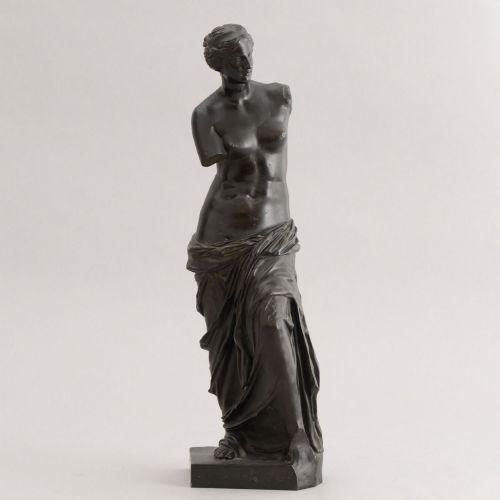
- A nineteenth-century travel tradition where wealthy collectors acquired bronze souvenirs of classical sculptures in Europe. These miniature or reduced-scale copies replicated famous antiquities found in museums.
- Patinated bronze
- A metal treatment that alters the surface colour of the bronze through chemical means, producing dark brown, green, or black tones. This finish protects the metal and accentuates sculptural contours.
- Neoclassical
- An artistic style drawing inspiration from the art and culture of classical antiquity. It appears frequently in nineteenth-century interpretations of Greek and Roman deities.
- Gilded bronze
- Metal coated with a thin layer of gold leaf or applied gold paint. This technique highlights sacred figures and adds reflective luminosity to the surface.
- Candelabra
- A branched candle holder designed to support multiple lights. In this context, sculptural figures incorporate candle-holding arms into their design.
Bronze Goddess Statue: Frequently Asked Questions
How do I identify a Grand Tour bronze?
Grand Tour bronzes typically date from the nineteenth century and reproduce famous classical statues encountered by travellers in European collections. They often feature rich patination and are mounted on marble or slate bases.
Examine the casting quality and the style of the base to distinguish these souvenir pieces from later reproductions. Signatures of period founders or sculptors occasionally appear on the casting.
What deities are usually depicted?
The selection includes Greek and Roman goddesses such as Diana, Venus, Juno, Demeter, and Hebe, alongside Buddhist and Hindu figures like Tara and Guanyin. These identities are often revealed by attributes such as bows, sickles, or lotus symbols.
European figures frequently reflect neoclassical revival movements, while Asian pieces represent centuries of traditional religious statuary.
How should I clean a patinated bronze?
Dust the surface gently with a soft, dry cloth to prevent particulate accumulation. Avoid chemical cleaners or water, which can damage the historical patination on the metal.
Maintain stable indoor humidity levels to protect both the bronze sculpture and any attached marble, slate, or wooden plinths.
Are these statues marked by the artist?
Some sculptures bear cast signatures, foundry marks, or stamps attributing the work to specific nineteenth-century artists. These markings usually appear near the feet of the figure or on the edge of the metal base.
Unsigned pieces remain common, particularly among anonymous Grand Tour souvenirs and traditional temple bronzes.