


Bronze Deity Statue
A bronze deity statue brings centuries of spiritual devotion into the home through sculpted metal forms.
Bronze Deity Statue
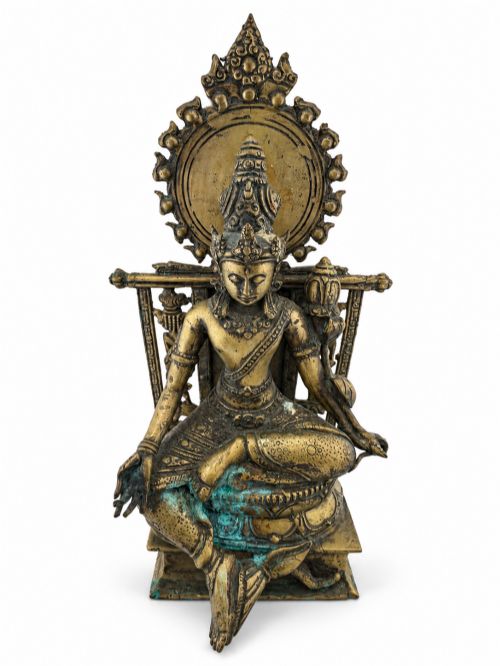
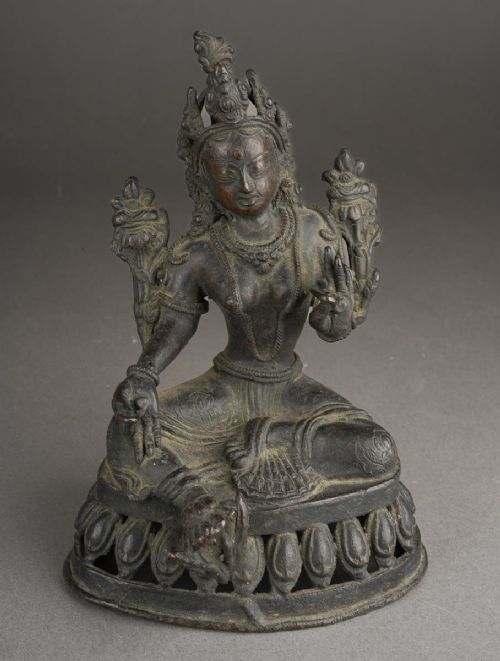
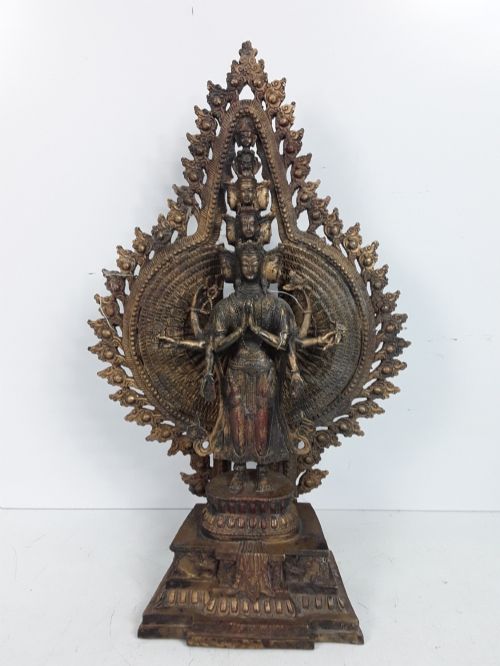
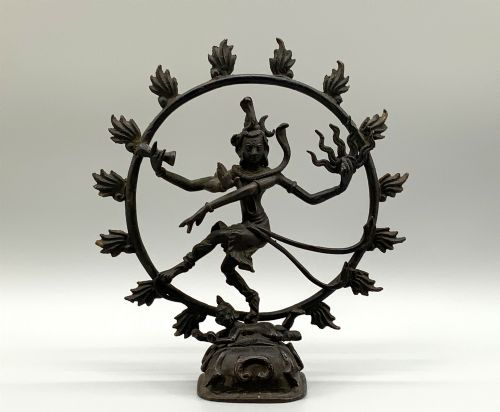
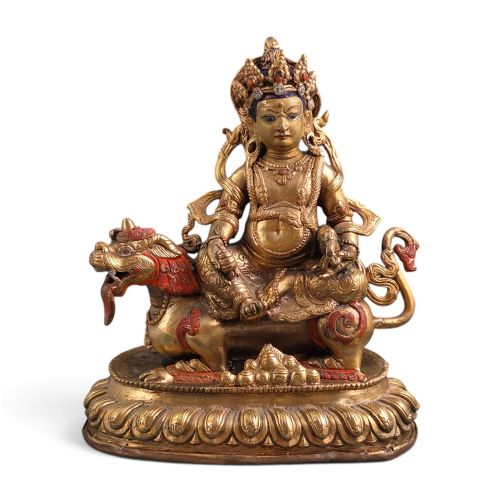
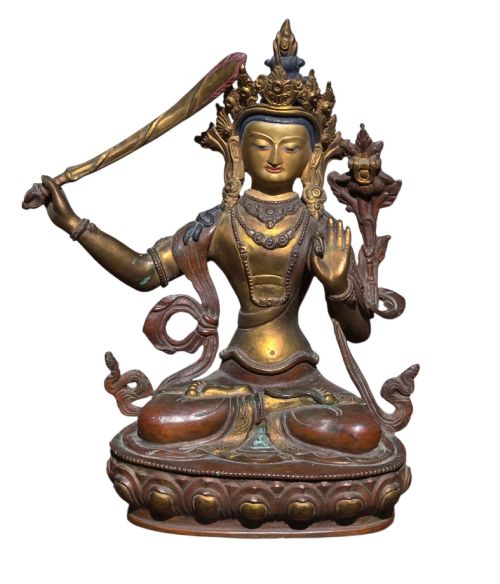
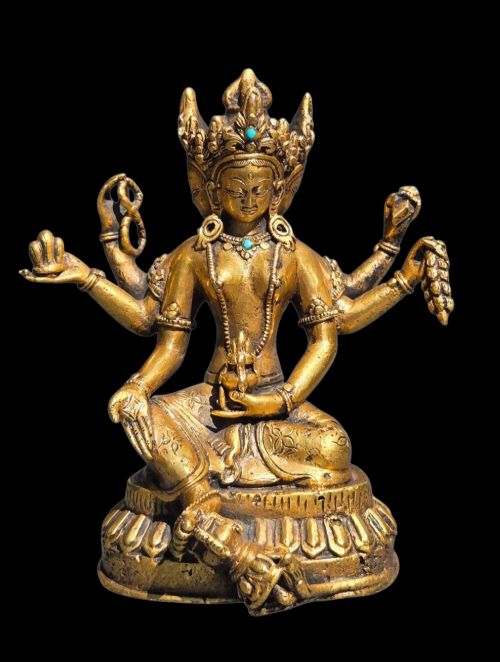
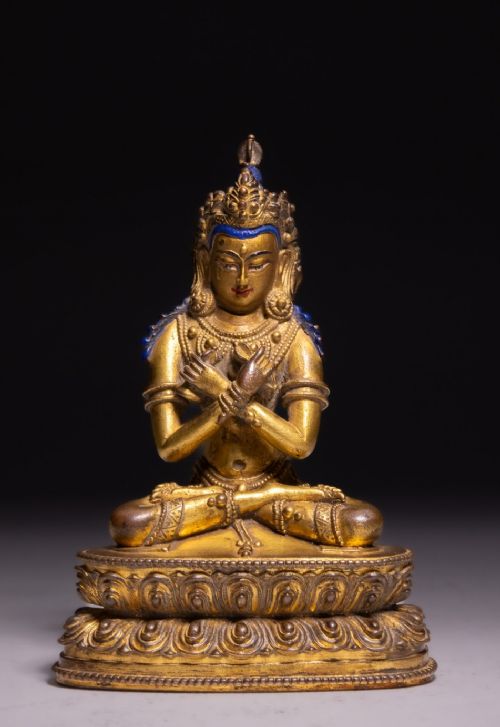
A bronze deity statue captures sacred figures from Hindu, Buddhist, and regional traditions across Asia and beyond. Buyers encounter representations of figures such as Buddha, Tara, Shiva, and Avalokiteshvara cast in metal.
The pieces on this page span several centuries, reaching from pre-sixteenth-century Javanese examples to nineteenth-century works from Tibet, India, China, and Japan. Forms range from compact shrine figures to large standalone sculptures.
Regional styles dictate the posture, garments, and attributes of each deity, connecting the sculpture to its specific origin and era.
Materials and casting methods
Many sculptures utilise copper alloy or traditional bronze, sometimes enhanced with surface treatments such as gilding, silver highlights, or applied pigment. Gilt bronze examples display applied gold leaf or fire gilding over the metal base.
Selected works incorporate mineral inlays such as turquoise, adding colour and texture to the metallic surface. Caster techniques varied across workshops in Tibet, Java, India, and China, yielding solid or hollow figures with distinct patination.
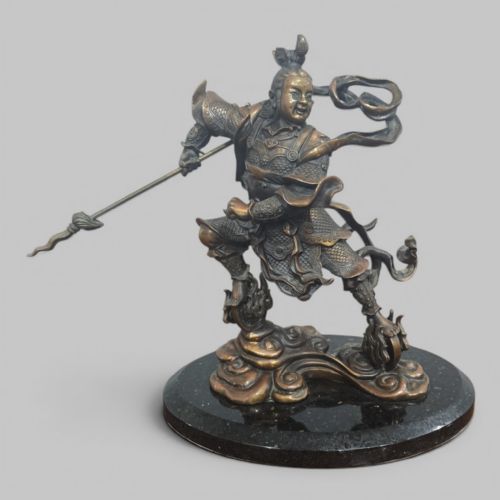
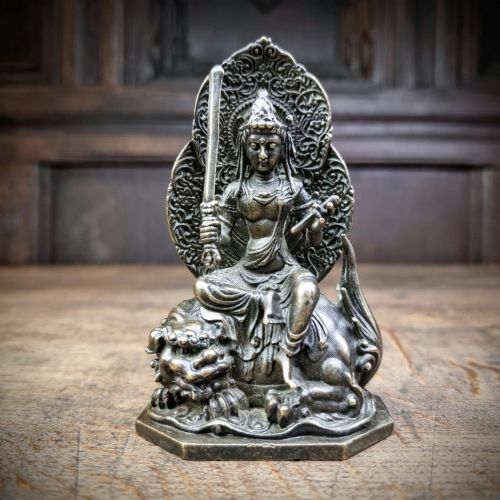
Several deities sit atop lions, while others balance delicately on lotus thrones or dance within rings of cosmic flame.
Distinctions in craftsmanship
Quality rests in the crispness of the casting and the sensitivity of the hand-finishing, particularly around facial expressions, hands, and intricate jewellery details. Finer pieces retain sharp definition in the drapery and ornamentation.
The presence of original gilding, mineral inlays, or remaining traces of sacred pigments elevates an object's visual depth. Heavier casting and balanced proportions distinguish accomplished regional sculpture from simpler utility pieces.
Unno Shomin
The Bronze Deity Statue Glossary
- Bodhisattva
- An enlightened being who delays entering nirvana to help others achieve salvation. These figures appear frequently in Buddhist sculpture adorned with crowns and royal jewellery.
- Gilt bronze
- A metal sculpture coated with a thin layer of gold or gold amalgam. This technique adds a luminous surface finish to sacred figures.
- Lost-wax casting
- A metalworking process where a molten metal is poured into a mould that has been created by means of a wax model. It allows for intricate detail in traditional deity figures.
- Patination
- The natural or induced ageing of a metal surface over time. It produces varied tones and textures on the bronze exterior.
- Copper alloy
- A broad term for metal mixtures containing copper, such as brass or bronze. Many historical statues utilise these durable metallic blends.
Bronze Deity Statue: Frequently Asked Questions
How do I identify the deity?
Attributes such as hand gestures, specific mounts, and held items reveal the identity of the figure. Handbooks on Buddhist and Hindu iconography provide clear visual guides for matching symbols to names.
Regional dress and specific headdresses also point directly to the traditions and stories associated with the sculpture.
Where were these statues displayed?
Many figures stood within household shrines, monastery altars, or temple sanctuaries as focal points for daily prayer and meditation. Portable sizes suited private devotions and travel.
Larger statues occupied central positions in communal worship spaces, surrounded by offerings and ritual objects.
How do I clean bronze statues?
Dust the surface gently with a soft, dry brush to prevent dirt accumulation in the recessed details. Avoid using commercial metal cleaners, water, or chemical solvents, as these strip away historical patination.
Preserving the original surface maintains both the historical integrity and the visual depth of the metal.
How do I date a bronze figure?
Dating relies on stylistic comparisons with dated regional examples, examining casting techniques, and observing wear patterns on the metal. Particular garment styles and facial types belong to specific centuries.
Consulting comparative material from museum collections and established scholarship helps narrow the period of origin.