




Bronze Dancing Statue
A bronze dancing statue captures motion in metal, bringing classical grace and Art Deco energy into a room.
Bronze Dancing Statue
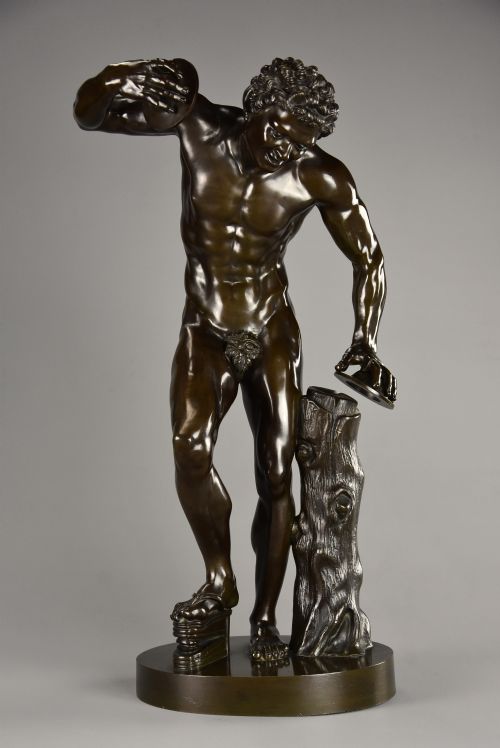
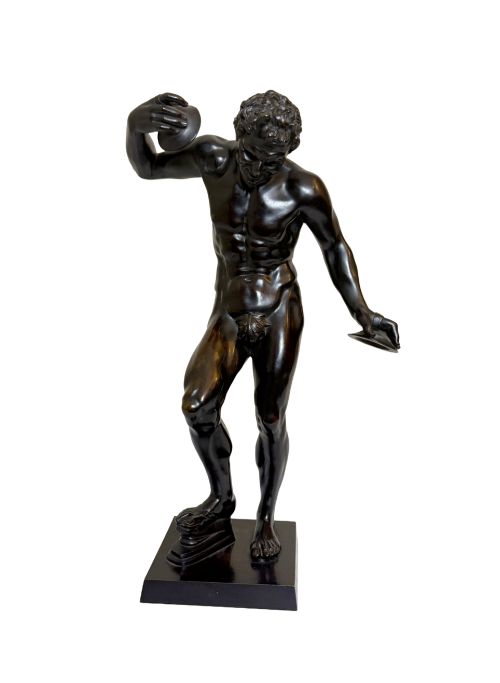
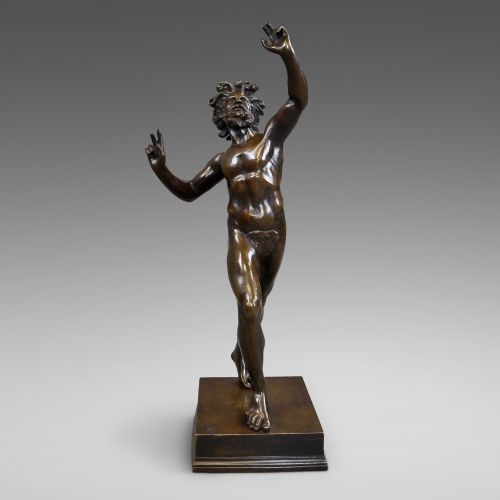
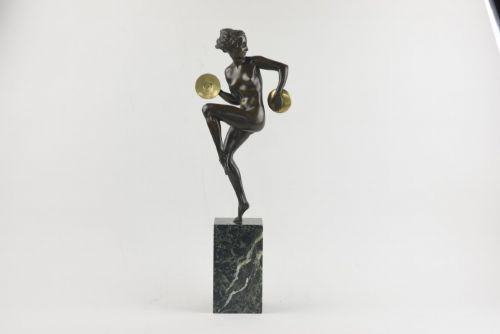
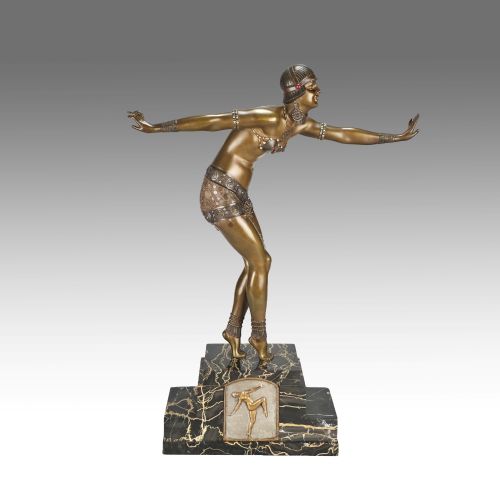
A bronze dancing statue captures figures in motion, ranging from mythological fauns to Art Deco performers. When searching for this phrase, a buyer encounters everything from Grand Tour souvenirs of classical antiquities to modernist figures cast in the twentieth century.
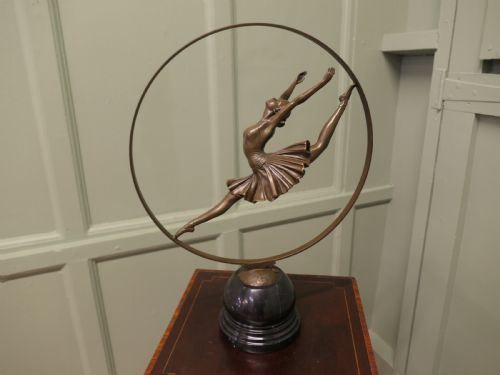
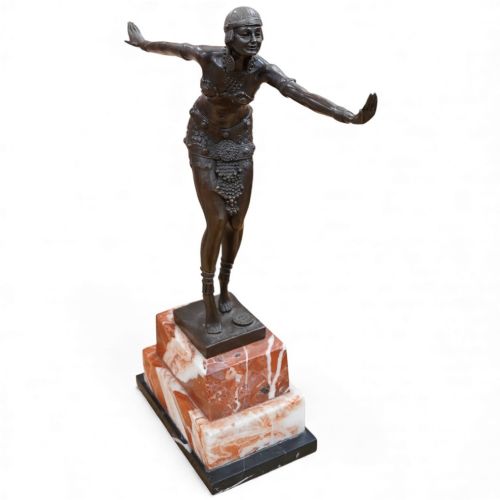
The pieces on this page span the nineteenth century into the 1930s, encompassing distinct stylistic movements. Forms include individual dancers, mythological groups, and theatrical performers set upon bases of marble or onyx.
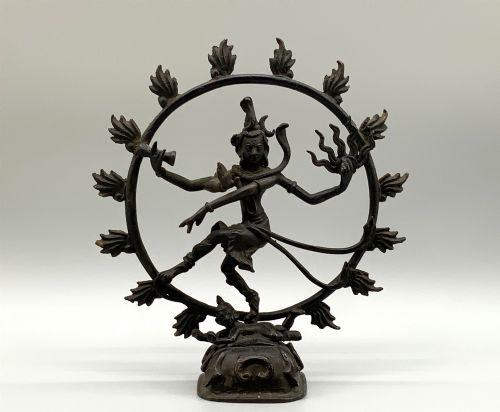
Origins vary widely across the selection, reflecting European classical revivals, French ateliers, and traditional Indian metalwork. Buyers find works cast after antique discoveries alongside signed editions by known sculptors of the Art Deco era.
How they were made
Foundries utilised traditional metal casting methods to shape these figures, frequently employing the lost-wax technique for intricate detail. Metal alloys such as standard bronze and spelter form the primary bodies, often finished with applied patination.
Surface treatments bring definition to drapery and musculature through chemical patination, silvering, or gilding. Many figures are mounted onto heavy stone plinths made of marble or onyx to provide physical stability.
Bronze Dancing Statue Retail Price Guide 2026
Typical asking prices for bronze dancing statue among the pieces listed under this phrase on Sellingantiques today, from the lower quarter to the upper quarter. They describe what is for sale here now, not the wider market.
Sculptural forms span mythological figures like the dancing faun, classical maidens, Indian deities, and 1920s cabaret dancers.
What varies in quality
The refinement of the chasing work separates standard foundry output from exceptional artistic achievement. Superior pieces exhibit crisp detail in facial expressions, hair, and the folds of garments after casting.
The integration of the figure with its base and the depth of the patination indicate the standard of production. Finer works display deliberate tonal variation across the metal surface and secure mounting to natural stone plinths.
Demetre Chiparus·Aurore Onu·C J R Colinet·Auguste Moreau·S Kinsburger·Josef Lorenzl·Clodion·Augusto Rivalta·Eugène Désiré Piron·Carrier·Bruno Zach·Charlotte Monginot·Mario Korbel·Pierre le Faguays
The Bronze Dancing Statue Glossary
- Patination
- The surface coloration of metal achieved through chemical application or natural ageing. It protects the bronze and accentuates sculptural contours.
- Grand Tour
- A nineteenth-century tradition where travellers collected bronze souvenirs cast after classical antiquities in Italy. These reductions replicate famous museum sculptures.
- Spelter
- A zinc alloy commonly utilised as an economical alternative to bronze for figures during the Art Deco period. It often receives a bronze-coloured surface finish.
- Lost-wax casting
- A traditional method of creating metal sculptures from a wax model. This technique allows for complex poses and fine surface detail.
Bronze Dancing Statue: Frequently Asked Questions
How do I identify a Grand Tour bronze?
Grand Tour bronzes typically replicate known classical sculptures discovered in excavations at Pompeii and Rome during the nineteenth century. They often feature dark patination and serve as cabinet-sized reductions of ancient works.
These souvenir pieces reflect the educational travels undertaken by collectors of the period. They are frequently cast in solid bronze and occasionally mounted on simple marble bases.
What is the difference between bronze and spelter?
Bronze is a durable alloy of copper and tin that accepts detailed chasing and rich chemical patination. Spelter is a softer zinc-based metal utilised frequently for decorative figures during the Art Deco era.
Figures cast in spelter are lighter than bronze and often display a painted or electroplated surface finish. Examining the underside of the base usually reveals the underlying metal colour.
Where should I display a sculpture with a marble base?
These figures require a stable, level surface away from direct heat sources and excessive moisture. Heavy stone bases provide natural equilibrium, but placement should avoid high-traffic areas where accidental knocks might occur.
Allowing adequate clearance lets the dynamic poses of the dancers be viewed from multiple angles. Proper lighting enhances the surface patination and highlights the details of the metal.