


Bronze Centerpiece Bowl
A bronze centerpiece bowl anchors a dining table or sideboard with sculptural presence, combining metalwork and glass, porcelain, or marble for dramatic presentation.
Bronze Centerpiece Bowl
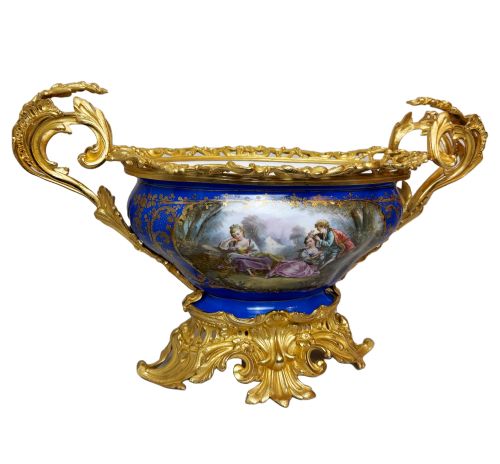
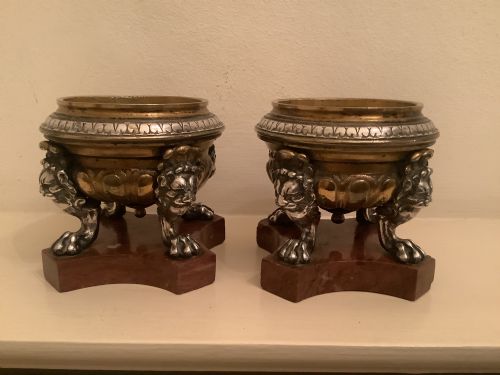
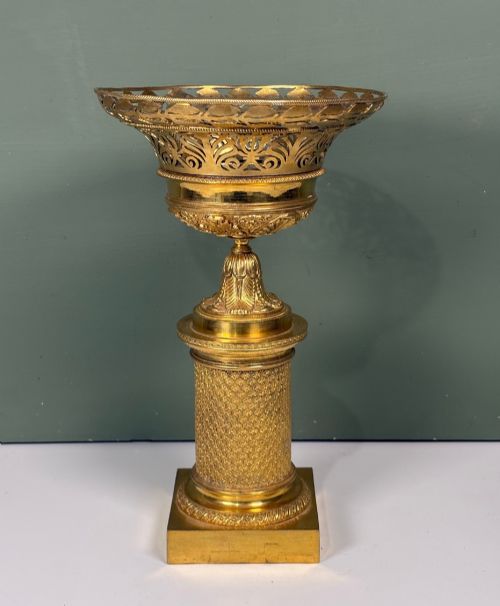
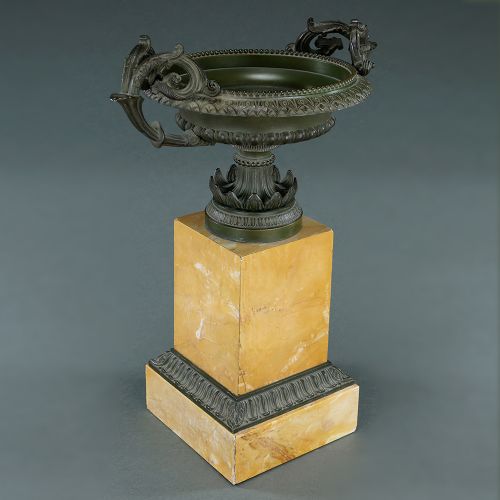
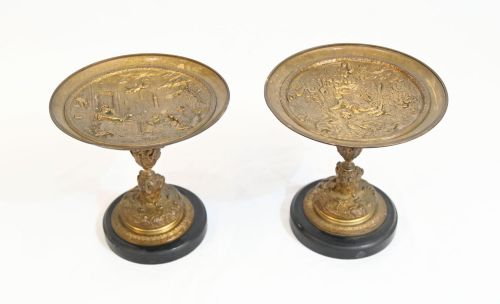
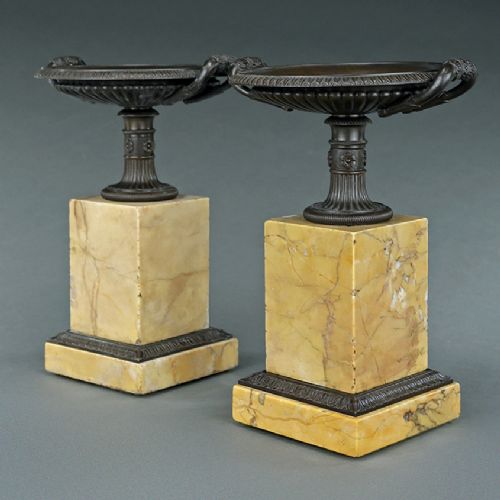
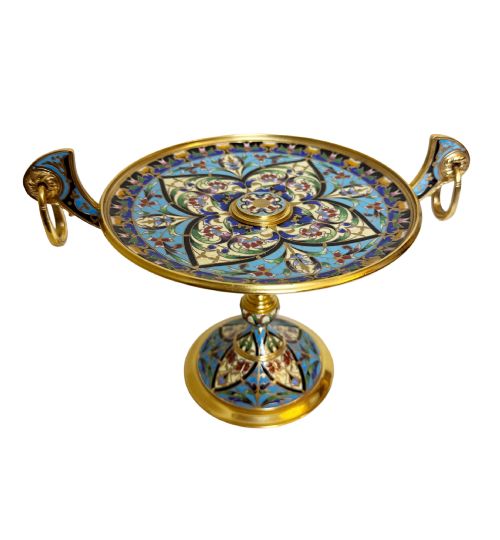
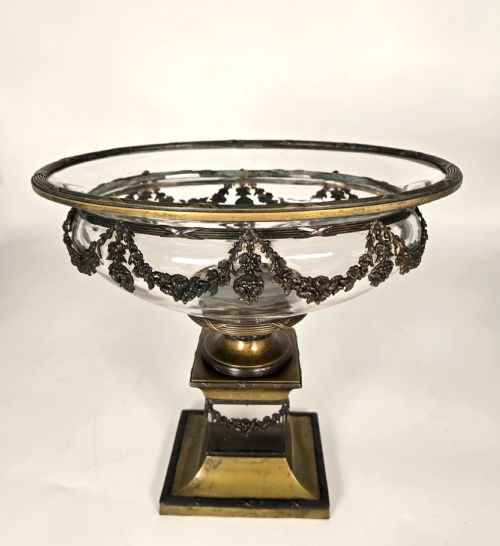
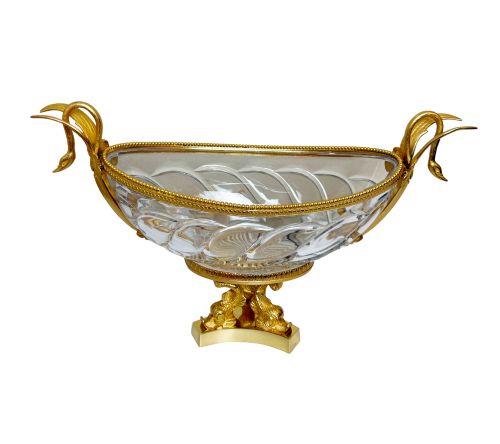
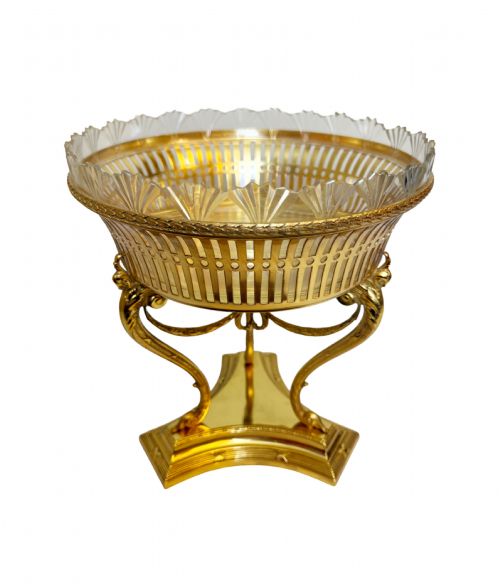
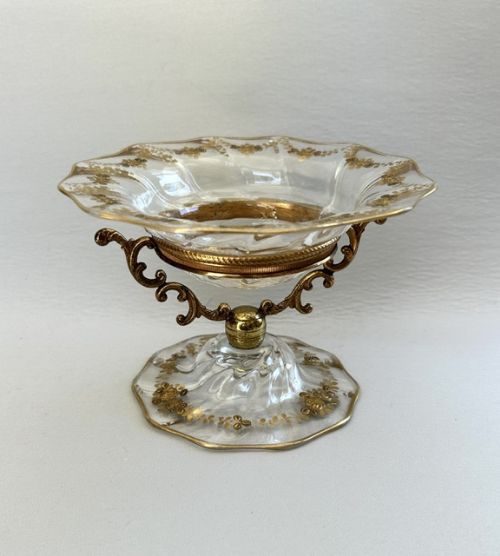
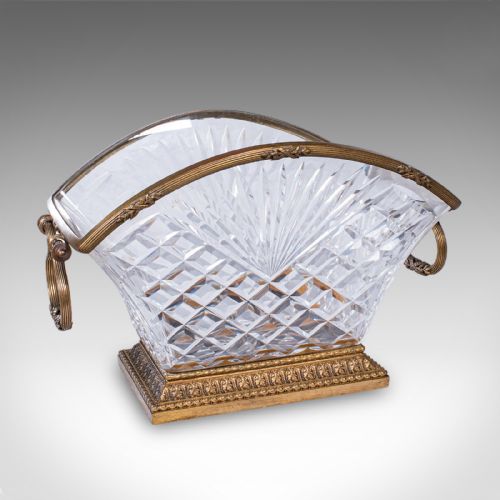
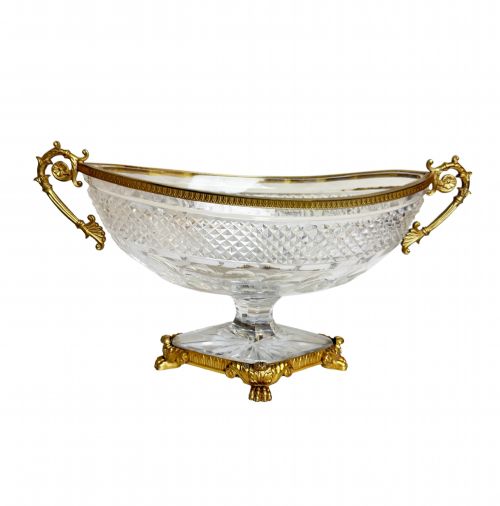
When searching for a bronze centerpiece bowl, collectors encounter a diverse range of nineteenth-century vessels designed for display and service. These pieces frequently appear as shallow bowls, comports, and tazzas supported by elaborate metal mounts.
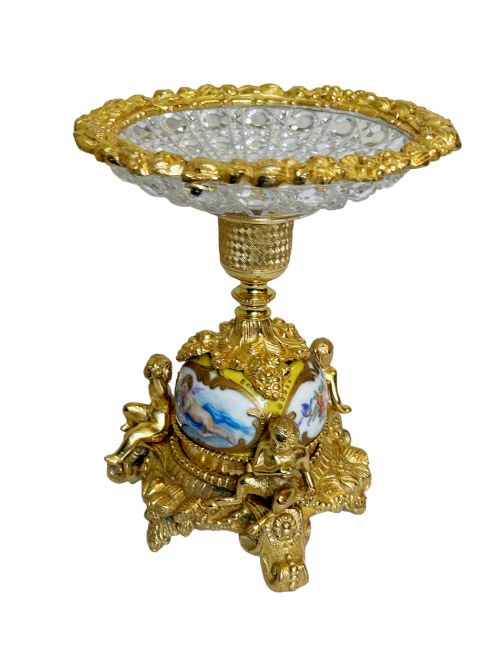
French nineteenth-century examples dominate the selection, heavily influenced by Empire, Rococo Revival, and Second Empire styles. Makers combined cast metal with contrasting inserts of cut crystal, Sevres style porcelain, and coloured glass.
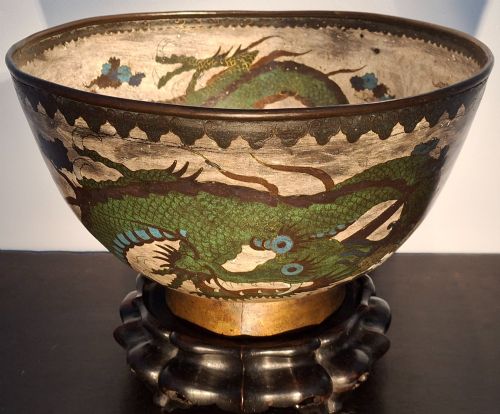
Alternative origins introduce distinct materials, including Chinese and Japanese cloisonne enamel bowls paired with European ormolu mounts. Grand Tour souvenirs from Italy also contribute classical bronze and marble forms to the category.
How they were made
Foundries produced the metal components using traditional bronze casting techniques, subsequently applying gilding, ormolu, silvering, or patination to the surface. Ormolu mounts required precise chiselling and mercury or galvanic gilding to achieve a bright golden finish.
Glass elements rely on heavy cut crystal or moulded coloured glass insert bowls, whilst porcelain components utilise Sevres style ceramics decorated with hand-painted details. Stonework bases incorporate turned marble, onyx, Siena marble, and rouge griotte.
Assembly involved mechanical fasteners, threaded rods, and pins to secure heavy bronze handles, cherubs, and mounts to the central glass or ceramic vessels.
Bronze Centerpiece Bowl Retail Price Guide 2026
Typical asking prices for bronze centerpiece bowl among the pieces listed under this phrase on Sellingantiques today, from the lower quarter to the upper quarter. They describe what is for sale here now, not the wider market.
Cast bronze cherubs perpetually hoist heavy crystal bowls, seemingly burdened by the sheer weight of nineteenth-century hospitality.
What varies in quality
The crispness of the bronze casting and subsequent churing define the sculptural fidelity of figures, foliate scrolls, and classical motifs. Superior examples display sharp undercuts and refined hand-finishing, whereas lower quality castings appear soft and generalized.
The integration of mixed media dictates overall harmony, where premium works feature perfectly fitted glass inserts, undamaged porcelain, and high-grade hardstones like malachite, agate, or Blue John rather than plain substitutes.
Lerolle Fres·Ferdinand Preiss
The Bronze Centerpiece Bowl Glossary
- Tazza
- A shallow bowl or cup mounted on a stem and foot, originating from classical forms and frequently utilised for display in the nineteenth century.
- Ormolu
- Finely ground high-carat gold applied to a bronze base using mercury amalgamation or electroplating, creating a rich golden decorative surface.
- Champleve
- An enamelling technique where troughs are gouged into the bronze surface, filled with vitreous enamel powders, and fired.
- Comport
- A pedestal dish or bowl used for serving fruit or sweets at formal dining tables during the Victorian period.
- Grand Tour
- Souvenirs purchased by wealthy travellers in Italy during the nineteenth century, typically consisting of miniature bronzes and architectural marbles.
Bronze Centerpiece Bowl: Frequently Asked Questions
What is a bronze centerpiece bowl used for?
These vessels served primarily as decorative focal points on dining tables, sideboards, or console tables during the nineteenth century. Wealthy households utilised them to hold fruit, flowers, or sweetmeats during formal dining.
Today, collectors place them as standalone decorative objects in dining rooms and living spaces. Their substantial weight and artistic mounts make them natural centrepieces for large surface areas.
How do I identify French Empire style pieces?
French Empire style metalwork draws heavily on classical antiquity, displaying rigorous symmetry, military motifs, laurel wreaths, and winged figures. The bronze components often feature a combination of bright ormolu and dark patination.
These designs date predominantly from the nineteenth century, reflecting the tastes popularised during the Napoleonic eras. The incorporation of Siena marble bases further signals this classical aesthetic.
What materials are combined with bronze in these bowls?
Maker workshops frequently paired cast bronze and ormolu with fragile inserts of cut crystal, coloured glass, and porcelain. Sevres style ceramic bowls and comports are especially common within nineteenth-century French production.
Hardstones and decorative minerals also appear in high-end examples. Elements such as malachite, onyx, agate, and Blue John add distinct colour and texture to the metal mounts.
What is the difference between a tazza and a comport?
A tazza is historically a shallow circular vessel raised on a single stem and foot, closely echoing ancient classical shapes. They frequently feature cast bronze handles and elaborate ormolu mounts.
A comport serves a similar function as a raised serving dish but often includes porcelain, glass, or earthenware bowls associated with Victorian dining rituals. Both forms overlap significantly in nineteenth-century decorative arts.