
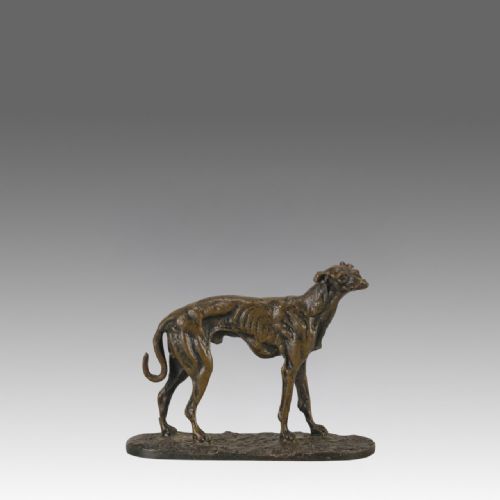


Bronze Canine Statue
A bronze canine statue captures the spirit of dogs through metalwork, offering collectors enduring animalier sculpture.
Bronze Canine Statue
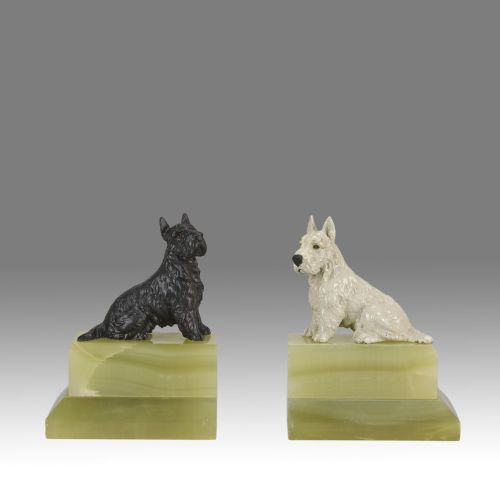
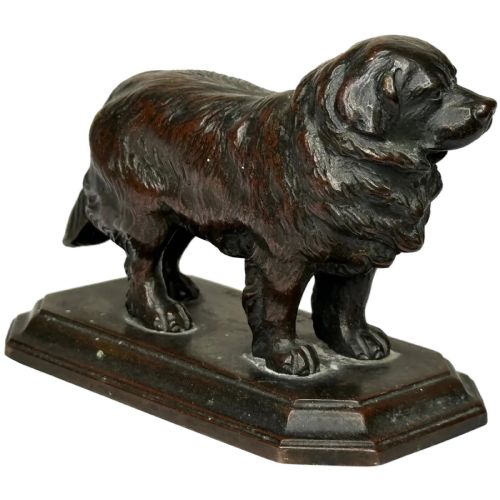
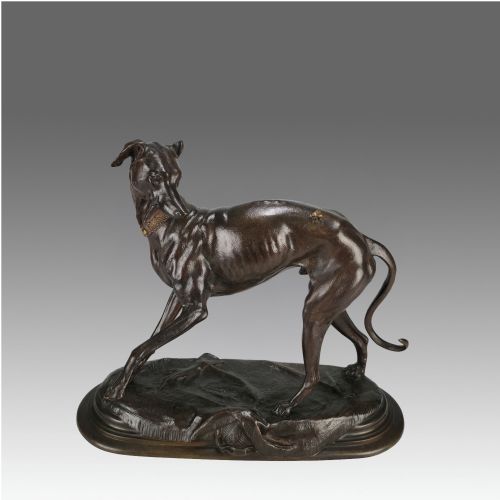
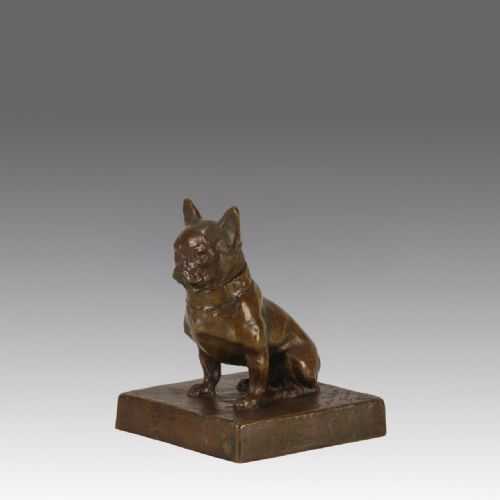
A bronze canine statue represents animalier art spanning the nineteenth and early twentieth centuries, capturing dogs in realistic or stylised poses. Buyers exploring this category encounter varied breeds, from terriers and greyhounds to bulldogs and spaniels, rendered in forms ranging from standalone sculptures to bookends.
The pieces emerge predominantly from French Animalier schools, Victorian workshops, and Edwardian studios, alongside Japanese Meiji period examples and Vienna cold-painted productions. Most common on this page are French animalier bronzes and early twentieth-century studies depicting hounds and working dogs.
Makers focused closely on canine anatomy and character, creating works that function as decorative figurines or functional bookends. Collectors select these sculptures for their historical casting origins and distinct breed representations.
Materials and production techniques
Foundries utilised traditional bronze casting methods, often finishing the metal with rich patinas or applying cold-painted polychrome details by hand. Many figures were mounted upon integrated or separate bases fashioned from marble, onyx, or timber.
Spelter also appears as a primary metal medium alongside bronze, particularly in later Art Deco interpretations. Founders like Barbedienne oversaw precise casts that highlighted muscular detail and textured fur.
Listings feature periods spanning the nineteenth century through the nineteen twenties, incorporating marble, onyx, and timber bases.
Distinctions in craftsmanship and design
The standard of a bronze canine statue rests upon the crispness of the casting and the fidelity of the canine anatomy. Superior examples display subtle chisel work that defines the fur, expression, and musculature without losing the vitality of the pose.
The quality of the patina or the precision of the cold-painted surface distinguishes workshop outputs, as does the choice of base material, with heavy marble and onyx mounts elevating the presence of the sculpture.
Alfred Barye·Dora Heber·P J Mêne·Prosper Lecourtier·Antoine Louis Barye·Edith Parsons·Arthur Waagen·P.de Soete·Joseph Francois Victor Chemin·Franze Bergman·Louis Riche·L.Bureau
The Bronze Canine Statue Glossary
- Animalier
- A nineteenth-century artistic movement dedicated to the realistic portrayal of animals. Sculptors in this tradition focused heavily on anatomical accuracy and dynamic movement.
- Cold-painted bronze
- A technique where bronze sculptures are painted with polychrome oil or enamel paints after casting, rather than undergoing high-temperature firing.
- Patina
- The surface coloration or sheen developed on bronze over time through oxidation or chemical treatment applied by the foundry to enhance depth.
- Spelter
- A zinc alloy frequently utilised as a less costly alternative to bronze, commonly found in decorative Art Deco figures.
- Meiji period
- The era in Japanese history spanning from eighteen sixty-eight to nineteen twelve, known for introducing detailed metalwork to Western markets.
Bronze Canine Statue: Frequently Asked Questions
How do I identify a French animalier dog bronze?
French animalier bronzes typically exhibit naturalistic poses and distinct nineteenth-century casting signatures. Look for detailed musculature and foundry stamps associated with Parisian makers.
Many bear the inscribed name of the sculptor on the base, reflecting the rigorous standards of the period's animalier school.
What is cold-painted bronze?
Cold-painted bronze refers to pieces decorated with paint after the metal casting process is complete. This technique avoids the high temperatures of traditional firing.
Vienna workshops popularised this method for colourful depictions of smaller dogs like pugs and terriers.
How were these dog sculptures used historically?
These sculptures served primarily as decorative table ornaments, mantelpiece figures, and functional bookends in period homes. Dog owners and kennel associations commissioned or collected pieces representing specific breeds.
Their substantial weight made them practical for holding books while displaying artistic craftsmanship.
How do I distinguish Art Deco dog statues?
Art Deco dog statues often feature stylised geometry, sleek greyhound forms, and materials such as spelter alongside bronze. The bases frequently utilise contrasting marble or onyx slabs.
Forms from this period emphasise streamlined motion rather than Victorian realism.