




Bronze Boy Figure
When searching for a bronze boy figure, collectors encounter sculptural works spanning European foundries, Asian okimono and classical revival subjects.
Bronze Boy Figure
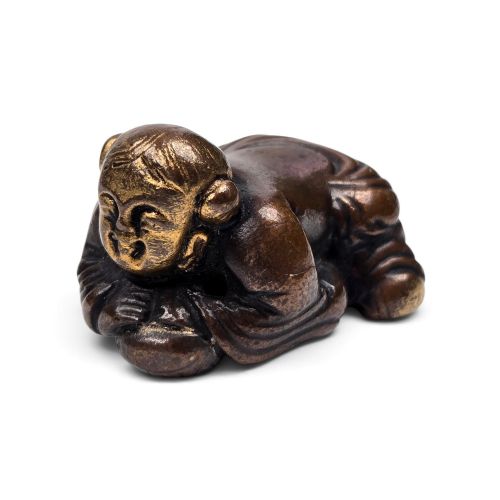
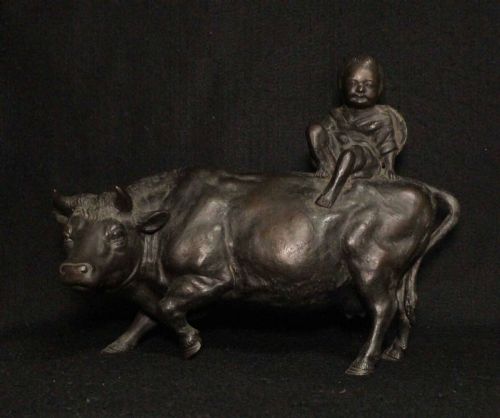
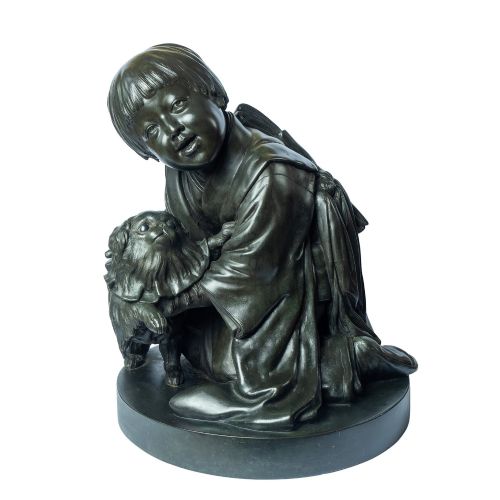
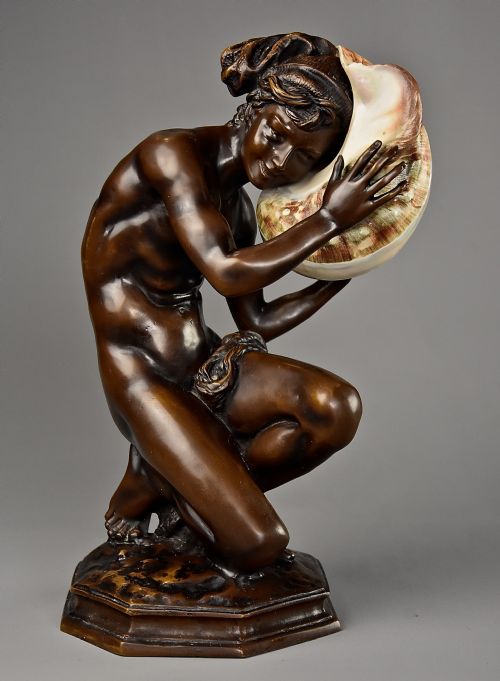
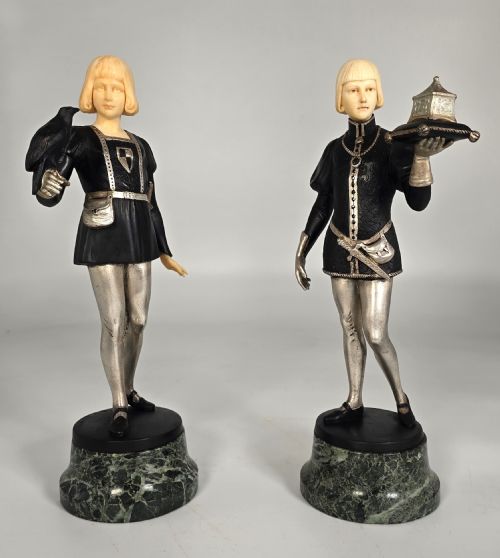
A bronze boy figure encompasses desktop paperweights, cabinet sculptures, and substantial statues produced across the nineteenth and early twentieth centuries. These works depict everyday subjects, literary characters, and classical motifs such as fisherboys, street urchins, and mythological youths.
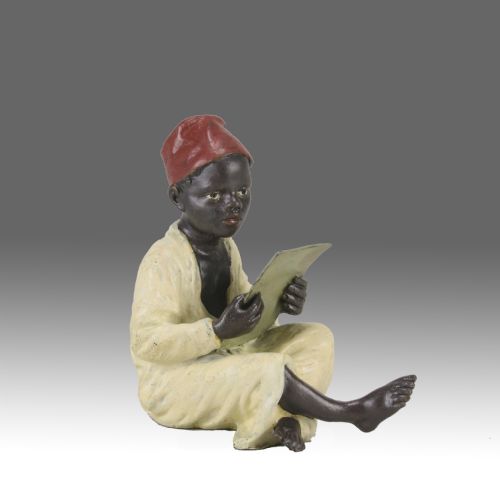
European examples frequently display the influence of French realism, Italian Grand Tour traditions, and Austrian cold-painted manufacturing. Asian contributions include Japanese okimono cast with intricate detail, alongside Chinese scholarly scholar's desk items from earlier periods.
Materials and casting methods
Foundries utilised traditional lost-wax or solid-casting techniques to shape copper alloys into detailed human forms. Patination chemical treatments yielded surfaces ranging from deep brown tones to bright polychrome cold-painting.
Many sculptures incorporate mixed media bases and supports, combining carved marble, onyx, ivory, or terracotta alongside the primary metal components.
Listings incorporate nineteenth-century European realism alongside Meiji Period Japanese metalwork and Art Deco compositions.
Distinctions in execution
The integrity of the original patination and the presence of distinct foundry marks or artist signatures indicate the standard of production.
Franz Bergman·Masaaki·Jean Baptiste Carpeaux·Julien Lorieux·Gotthilf Jaeger·Carl Kauba·Barbedienne·Giuseppe Renda·Joaquim Angles·Ferdinand Preiss·Vincenzo Gemito·Antoine Bofill·Auguste Moreau·Charles Anfrie·Emile Victor Blavier·Lavergne·Eugene Laurent·Marcel Debut·Otto Geyer·Thiebaut Freres·Emile Boyer
The Bronze Boy Figure Glossary
- Cold-painted bronze
- A manufacturing method where polychrome paint is applied to a finished metal sculpture without subsequent high-temperature firing. This technique saw wide adoption by Austrian workshops during the early twentieth century.
- Okimono
- A Japanese display item intended for placement in a traditional decorative alcove or on a cabinet. These carvings and metal castings portray figures, animals, and everyday scenes.
- Grand Tour
- A cultural journey undertaken by European elites that generated demand for miniature classical bronzes. These reproductions replicate famous ancient sculptures found in Mediterranean collections.
- Spelter
- A zinc alloy utilised as a less expensive alternative to copper-based metals in figurative manufacturing. Items cast in this material often received bronze-toned paint or patination coatings.
- Lost-wax casting
- A multi-stage procedure where a model creates a mould for molten metal injection. This method allows founders to capture complex undercuts and fine anatomical details.
Bronze Boy Figure: Frequently Asked Questions
How do I identify a cold-painted bronze?
Examine the surface under magnification to check for applied pigment layers over the metal base. Look for areas of natural wear where the underlying bronze or brass tone shows through the colour.
Austria produced many of the notable examples featuring vibrant polychrome finishes, particularly depicting Middle Eastern and animal subjects. Avoid confusing these pieces with modern reproductions that lack the characteristic ageing of early pigments.
What is a Grand Tour sculpture?
These pieces are miniature or reduced-scale bronze reproductions of famous ancient Roman and Greek statues purchased by travellers abroad. Subjects like the Spinario were particularly popular for study and display in European homes.
They reflect the neoclassical taste of the nineteenth century and usually exhibit fine patination accumulated over generations. Look for old mounting screws and period felt on the bases to confirm their age.
Are spelter figures considered bronze?
Spelter is a zinc-based alloy rather than copper and tin, making it lighter and softer than true bronze. Manufacturers frequently applied a dark metallic coating to mimic the appearance of cast bronze.
While sharing similar subject matter, spelter objects generally show less durability and sharper wear along high points. Check the underside or discreet areas for the lighter grey metal colour beneath the surface finish.
Where were these figures displayed originally?
Figures of boys adorned scholar's desks, library tables, and drawing-room mantelpieces as decorative conversation pieces. Smaller versions functioned practically as paperweights, desk tidies, or inkwell components.
Larger statues stood on pedestals in entrance halls or featured in garden settings during the late Victorian period. Their placement depended on the scale and material composition of the specific casting.