
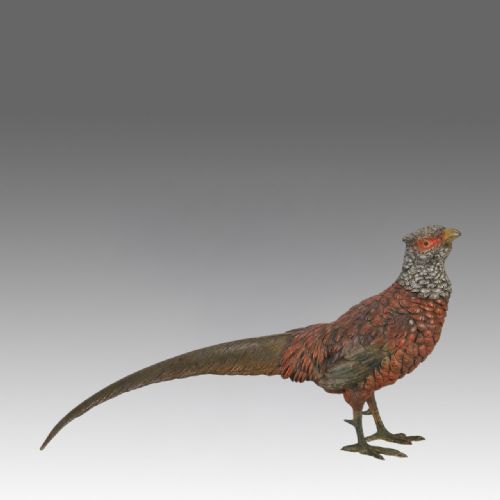


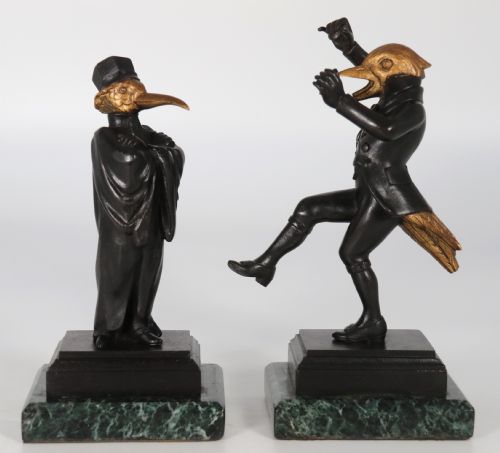
Bronze Bird Figure
These bronze bird figure pieces range from expressive nineteenth-century animalier studies to sleek art deco sculptures.
Bronze Bird Figure
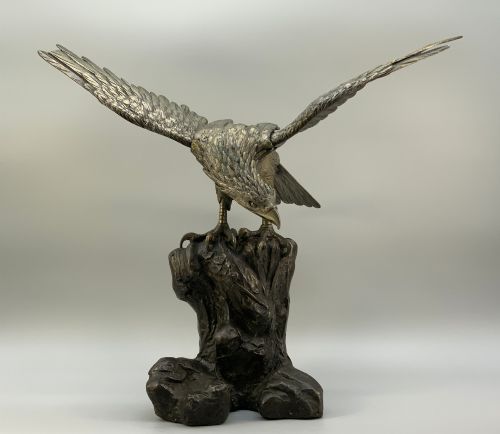
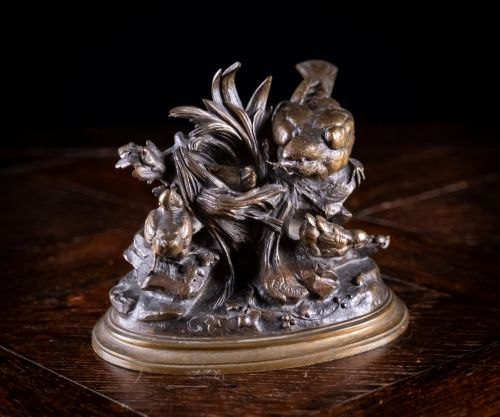
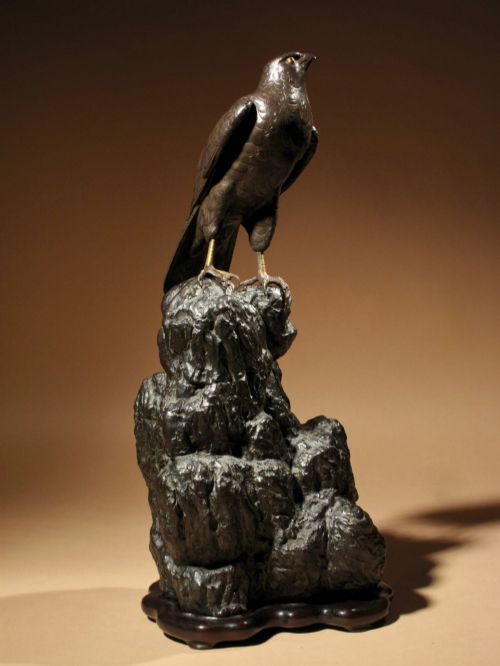
A bronze bird figure brings avian subjects into domestic and garden spaces through various forms, including freestanding sculptures, inkwells, and bookends. Buyers searching for a bronze bird figure encounter everything from naturalistic hawks and pheasants to stylized cranes and caricature birds.
The pieces span multiple decades, drawing on nineteenth-century animalier traditions, Japanese Meiji period metalwork, and twentieth-century Vienna foundry work. Domestic examples frequently appear mounted on marble plinths or root wood bases, while larger models serve as garden statues.
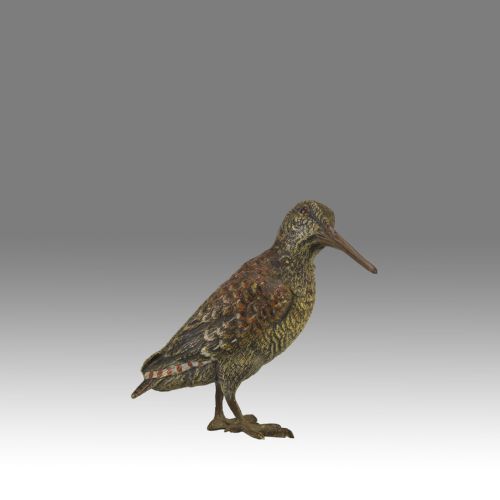
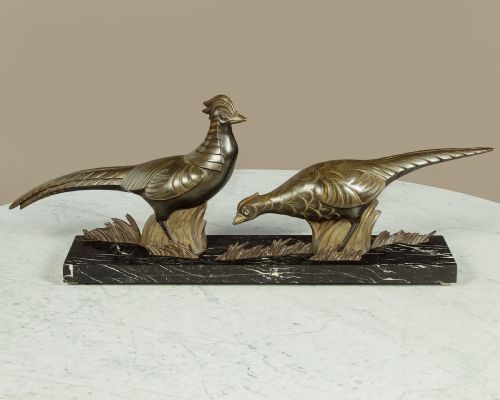
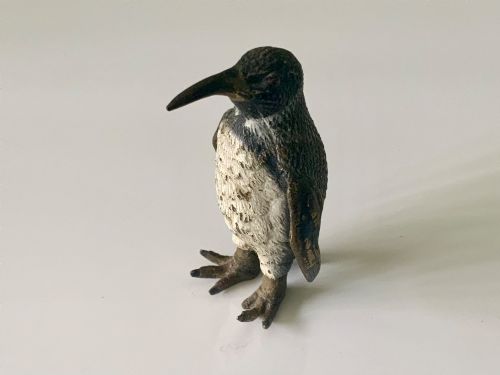
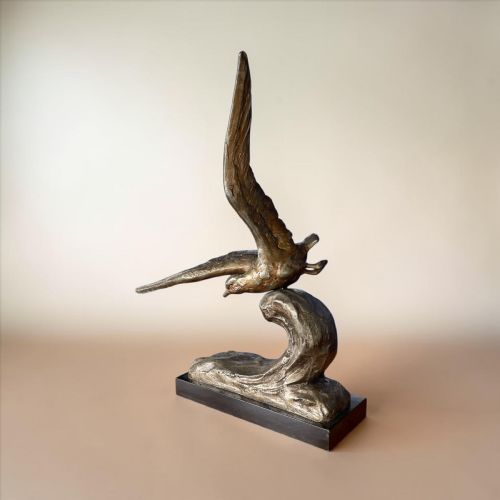
Art deco interpretations from the nineteen-thirties offer streamlined geometric representations of albatrosses and golden pheasants. Meanwhile, Austrian cold-painted works provide brightly coloured depictions of smaller species like kingfishers, grouse, and blackbirds.
Materials and construction
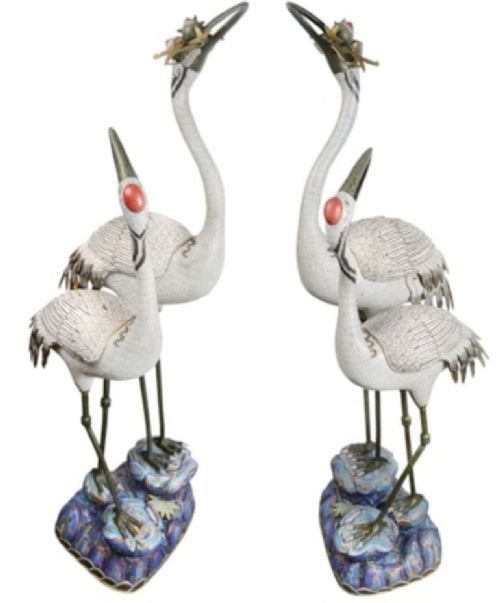
Foundries utilised traditional casting methods to shape bronze, often applying patinated or cold-painted finishes to achieve realistic plumage and colour. Polychrome paint and cloisonne enamel appear on specific Austrian and Chinese imperial works, adding vibrant surface detail to the metal.
Many nineteenth and early twentieth-century examples incorporate mixed media supports, such as black marble plinths, quartz rock bases, or carved root wood stands. Gilt bronze, ormolu, and copper accents further distinguish particular animalier studies and functional inkwells.
Listings feature works from the nineteenth century through the nineteen-thirties, utilising bronze, marble, paint, and cloisonne enamel.
Assessing craftsmanship
The distinction between tiers rests upon the crispness of the chasing, the preservation of the cold-painted or patinated surface, and the sensitivity of the anatomical modeling. Master founders captured texture and posture with precision, rendering feather patterns and muscular tension dynamically.
Signatures from recognised workshops or artists elevate a piece, as do well-proportioned original mounts like marble or quartz bases. Greater artistry in the casting process ensures the subject possesses distinct character and balanced weight.
Franz Bergman·Antoine Louis Barye·P J Mêne·Christophe Fratin·Barbedienne
The Bronze Bird Figure Glossary
- Animalier
- A nineteenth-century artistic movement focused on the realistic depiction of animals. Sculptors in this tradition studied anatomy closely to convey lifelike movement.
- Cold-painted bronze
- A technique where paint is applied to a cold bronze object rather than fired in a kiln. Vienna foundries specialised in this method for small figures.
- Patination
- The chemical treatment applied to metal surfaces to create specific colour tones and aged finishes. It protects the bronze while enhancing visual depth.
- Cloisonne
- An ancient technique for decorating metalwork objects with colour using vitreous enamel held within wire partitions. Chinese imperial pieces frequently display this method.
- Okimono
- A Japanese decorative figurine designed for display on a shelf or in a traditional alcove. Meiji period examples often feature exceptional metalwork precision.
Bronze Bird Figure: Frequently Asked Questions
What is cold-painted bronze?
Cold-painting involves applying layers of oil-based paint to a finished bronze casting without subsequent kiln firing. This technique allowed Austrian foundries to achieve vibrant plumage colours on small bird sculptures.
Because the paint sits on the metal surface rather than fusing with it, surviving examples often show charming signs of age and wear.
Are these pieces mounted on original bases?
Many sculptures from the late nineteenth and early twentieth centuries incorporate fitted black marble plinths, quartz rock, or root wood bases. These mounts provided stability and enhanced the display height of the figures.
Original mountings correspond to the period of the casting and match the specific physical weight and dimensions of the bronze.
How can I tell a Meiji period bronze apart?
Japanese Meiji period metalwork often exhibits meticulous attention to feather texture and naturalistic posture. These pieces frequently feature artist signatures and can be paired with carved root wood stands.
The craftsmanship reflects traditional Japanese foundry skills developed during the late nineteenth century.