




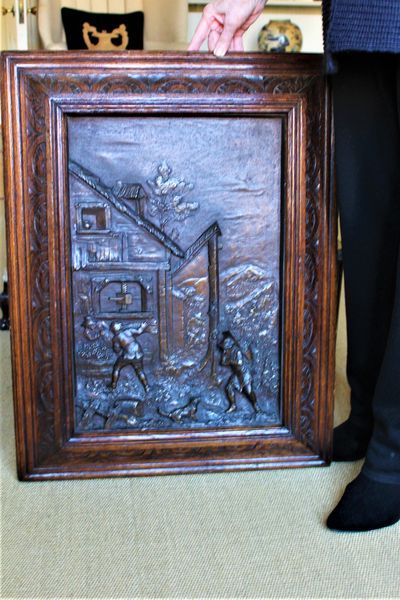
Bronze Bas Relief Plaque
These bronze bas relief plaque examples offer sculptural depth for interior walls, shifting between intimate portraiture and classical mythological scenes.
Bronze Bas Relief Plaque
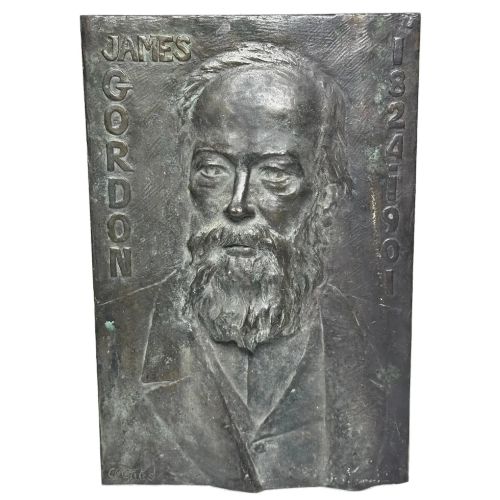
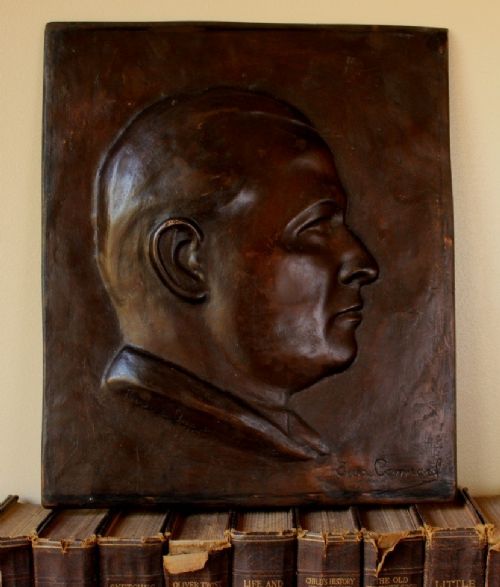
A bronze bas relief plaque is a sculptural wall panel where figures or ornamentation project slightly from a flat background. These works range from small portrait studies to architectural views and figural compositions.
The selections on this page span several distinct periods, including Victorian, Edwardian, and the early twentieth century. You will encounter classical subjects alongside specific historical portraits and commemorative pieces.
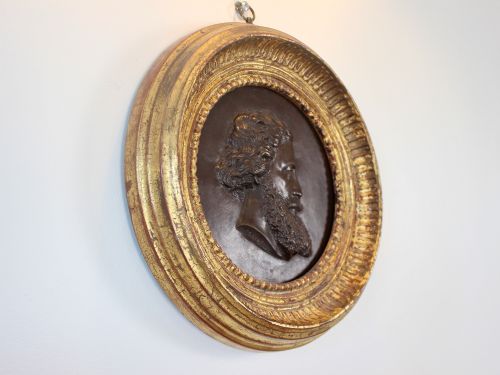
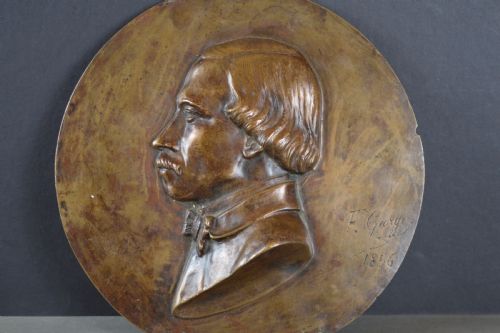
Forms include circular and rectangular wall plaques, relief panels, and early sculptural maquettes. Many pieces retain their original mounting frames or backing materials such as wood and velvet.
Materials and construction methods
The primary medium is cast bronze, sometimes complemented by bronzed copper or bronzed plaster. Metal components often display deliberate patination to accentuate the sculpted contours.
Mounting and framing elements utilise traditional timbers such as oak and giltwood. Some examples incorporate contrasting backings like velvet to enhance the visual presence of the metalwork.
Listings feature works spanning the eighteenth, nineteenth, and early twentieth centuries, utilising bronze, copper, plaster, and carved wood.
Distinctions in quality and execution
Quality rests in the crispness of the casting and the sensitivity of the chaser's finishing work on the metal surface. Superior examples maintain sharp facial expressions, clean drapery folds, and distinct lettering.
Signatures by recognised artists or foundries elevate a piece above anonymous production work. The integration of period frames and backing materials also contributes to the integrity of the object.
Alice Gates·Eugene Canneel·MAINFROY·Gian Federigo Bonzagna·J Lavergne
The Bronze Bas Relief Plaque Glossary
- Bas relief
- A sculptural technique where the design projects only slightly from the flat background plane. This approach creates a shallow three-dimensional effect suited for wall display.
- Patina
- The surface coloration and sheen developed naturally over time or applied chemically by the maker. It highlights the metallic texture and depth of the relief.
- Maquette
- A small preliminary model or sketch made by a sculptor prior to executing the final work. These trial pieces reveal the initial creative process.
- Putti
- Representations of small winged infants frequently found in classical and Renaissance-inspired art. They appear alongside muses and allegorical figures in relief compositions.
- Giltwood
- Timber that has been coated with a thin layer of gold leaf or gilt finish. Frames made from this material often accompany nineteenth-century wall plaques.
Bronze Bas Relief Plaque: Frequently Asked Questions
How should I clean a bronze relief?
Dust the surface gently with a soft, dry brush or a clean microfibre cloth to remove accumulated particles without disturbing the underlying patination.
Avoid liquid cleaners, polishes, or abrasive cloths, as these substances can strip the historic patina and damage the metal surface permanently.
Were these plaques always framed?
Many nineteenth and early twentieth-century wall plaques were cast as independent panels and subsequently mounted onto wooden panels or fitted into decorative frames.
Some pieces retain their original velvet backings or oak frames, while others were designed to be set directly into architectural plasterwork.
How do I identify the period of a plaque?
Dating relies on stylistic markers such as Neoclassical or Art Deco motifs, costume details in portrait subjects, and inscription styles associated with specific founders.
Examining the reverse side, mounting hardware, and any artist signatures or foundry marks provides additional chronological evidence.