




Antique Italian Relief
When you search for antique italian relief, you encounter sculpted panels, plaques, and carved forms originating from Italy across several centuries.
Antique Italian Relief
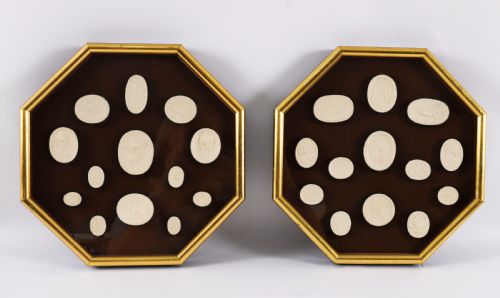
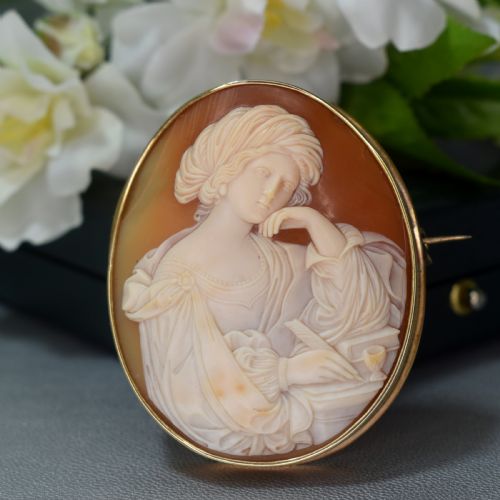
An antique italian relief encompasses carved wooden panels, marble wall plaques, and cast bronze artworks dating from the seventeenth century through to the early twentieth century. Buyers encounter devotional ceramic plaques, marble profile portraits, and intricate shell cameos mounted in gold.
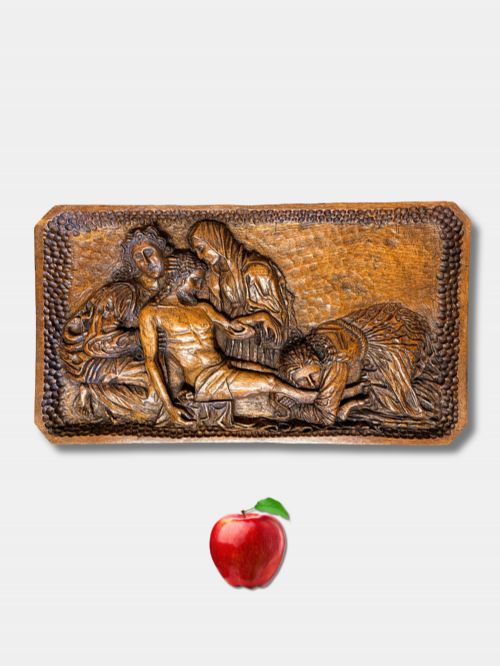
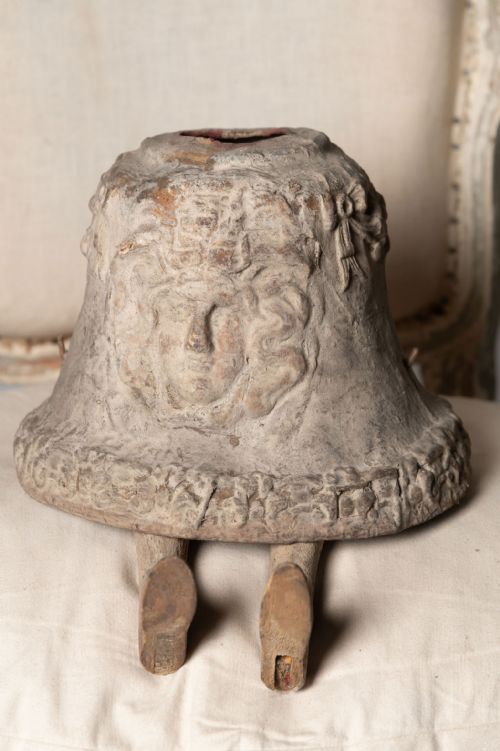
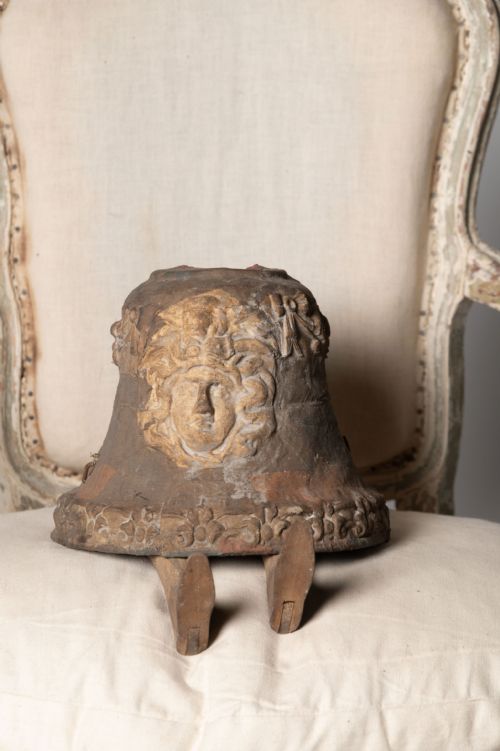
The selection ranges from seventeenth-century chestnut and walnut liturgical carvings to nineteenth-century Grand Tour souvenirs and theatrical props. Wall plaques and architectural fragments dominate the form, alongside decorative urns and table caskets bearing dimensional figures.
Pieces frequently reflect Neoclassical, Baroque, and Renaissance Revival aesthetics, capturing mythological subjects, religious narratives, and classical profile portraits.
How they were made
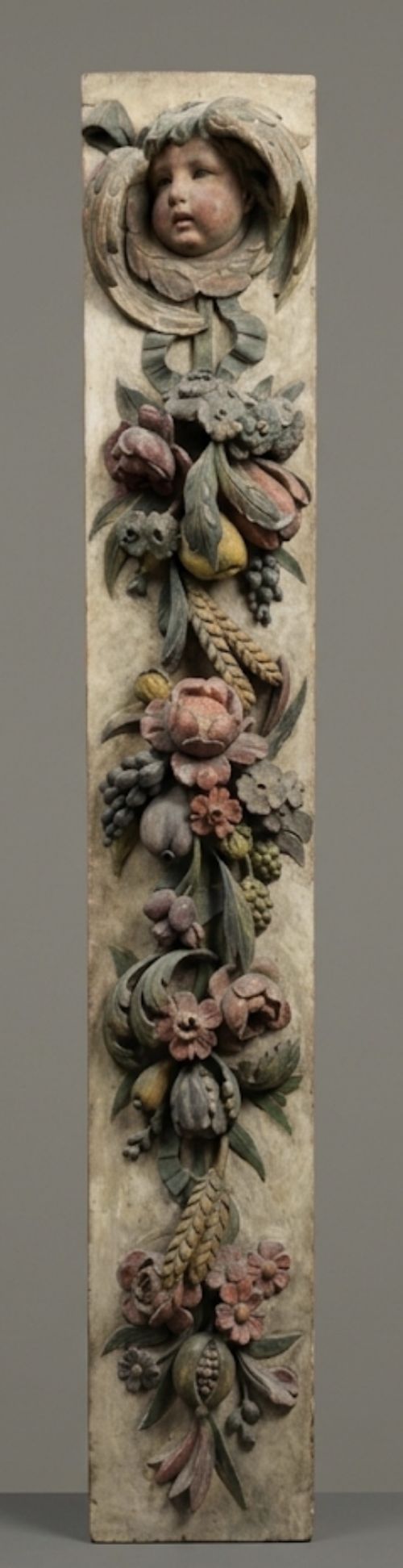
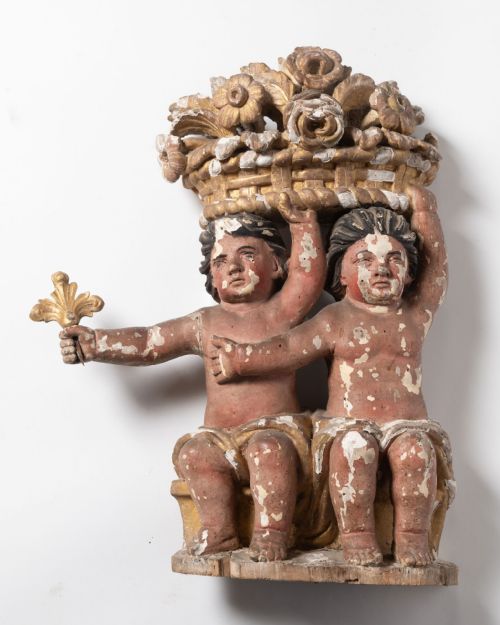
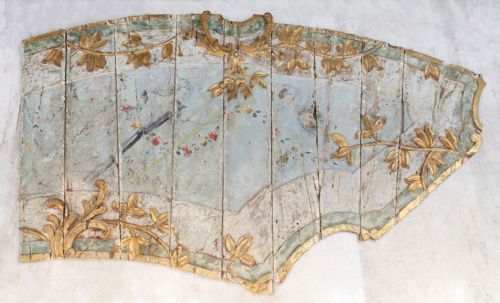
Artisans carved walnut, chestnut, and marble directly, producing deep dimensional relief on architectural panels, crests, and wall plaques. Wood surfaces often received polychrome pigment or gold leaf highlights to enhance the sculpted depth.
Casting methods utilised bronze for medals, plaques, and ewers, capturing sharp details through metalwork. Shell cameos and lava stone were hand-carved to isolate layered profile portraits mounted in precious metals.
Listings feature walnut, marble, bronze, and shell as the primary materials for sculptural reliefs.
What varies in quality
The sharpness of the chisel work on walnut and marble panels dictates the visual strength of a piece, distinguishing confident hand-carving from softer or more mechanical production. High-grade works demonstrate precise control over depth and proportion in human figures and foliage.
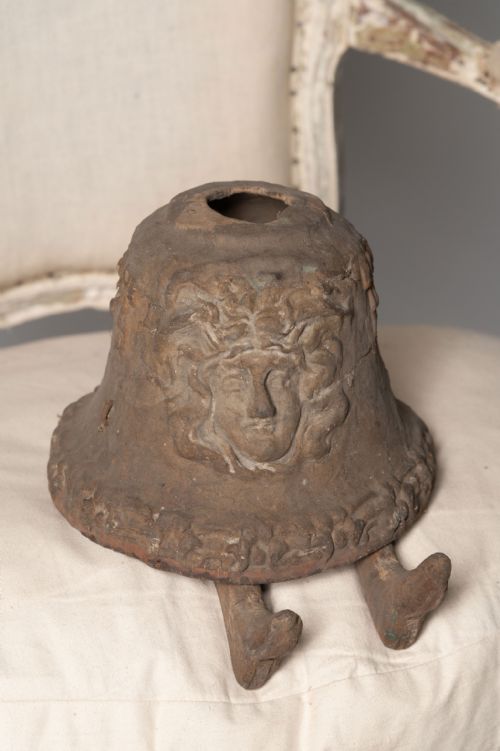
Material selection divides the range, separating solid cast bronze and fine-grained Sienna marble from plaster or theatre props. Signed cameo carvings by named masters represent the pinnacle of miniature relief work.
R. Pernice·Gian Federigo Bonzagna
The Antique Italian Relief Glossary
- Relief
- A sculptural technique where figures or designs project from a flat background. This method defines wall plaques, carved panels, and mounted cameos.
- Grand Tour
- A cultural journey undertaken by wealthy Europeans in the eighteenth and nineteenth centuries. Souvenirs from these travels included marble profile portraits and bronze reliefs.
- Intaglio
- An engraved design incised into the material rather than raised above it. These are often studied alongside cameo counterparts.
- Polychrome
- The practice of decorating architectural elements or wooden carvings in multiple colours. This finish appears frequently on early panels.
- Tabernacle
- An ornate architectural structure or cabinet often housing devotional imagery. Examples survive in carved wood from the seventeenth century.
Antique Italian Relief: Frequently Asked Questions
What materials are typical for an antique italian relief?
Carved walnut, chestnut, marble, bronze, and shell form the primary substances used across these historical pieces. Artisans also utilised gesso, gold leaf, plaster, and ceramics for specific devotional plaques and decorative objects.
Selection depends heavily on the intended function, with heavy hardwoods chosen for furniture panels and fine marble or shell reserved for portrait plaques and cameos.
How do I date a carved wooden panel?
Dating relies on the distinct stylistic markers of periods such as the seventeenth-century Baroque era or the nineteenth-century Renaissance Revival. Tool marks, wood shrinkage, and the specific depth of the carving provide additional physical clues.
Examining the underlying timber, such as chestnut or walnut, alongside the framing structure helps confirm the historical context of creation.
What is a Grand Tour relief souvenir?
Grand Tour reliefs are small portable artworks, such as marble profile plaques and carved lava cameos, purchased by travellers in Italy during the eighteenth and nineteenth centuries. They frequently depict classical Roman emperors, mythological figures, or famous architectural sights.
These objects allowed collectors to bring classical antiquity and Italian craftsmanship back to their home countries.
How should I display a wall plaque safely?
Heavy marble panels and carved wooden plaques require secure wall fixings suited to their substantial weight. Professional mounting ensures the structural integrity of the piece remains uncompromised over time.
Placement should avoid direct sunlight and extreme humidity fluctuations to protect delicate organic materials like wood, gold leaf, and shell.