



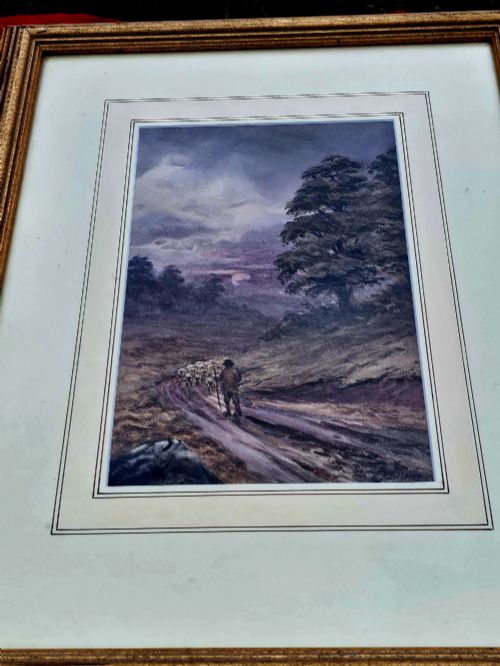
British Watercolour Art
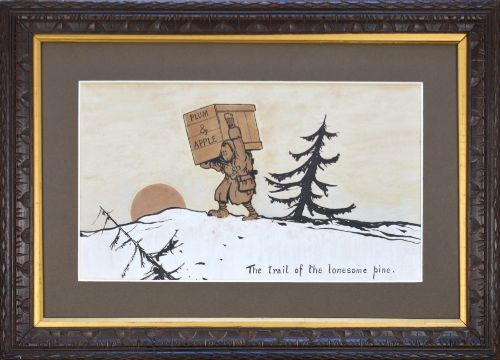
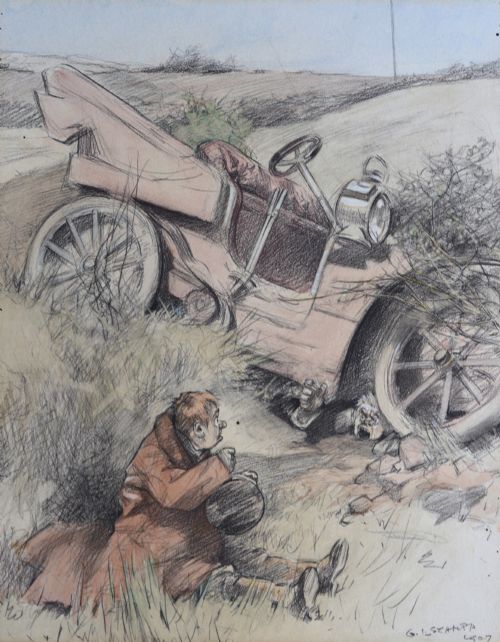
British watercolour art captures landscape and coastal scenes through delicate washes and pigment on paper.
British Watercolour Art
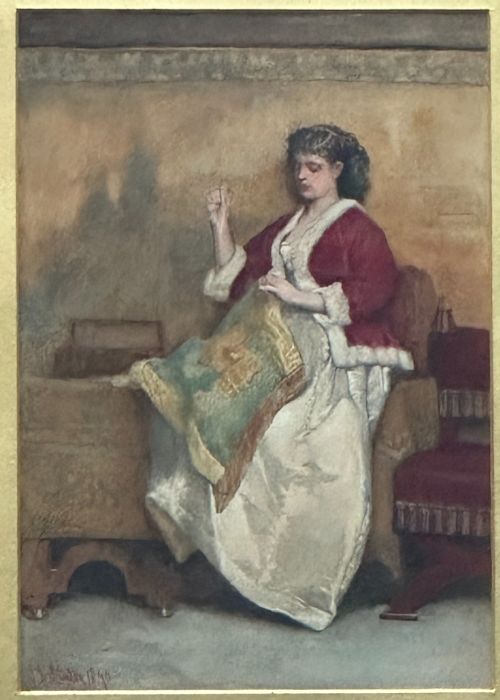
When searching for british watercolour art, collectors encounter framed artwork and fine art paintings created across multiple decades and centuries. The selection spans distinct eras including the Victorian and Edwardian periods, stretching into the mid-twentieth century.
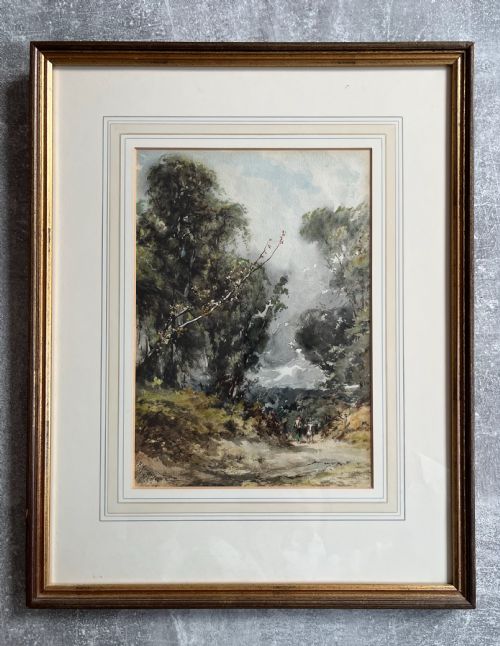
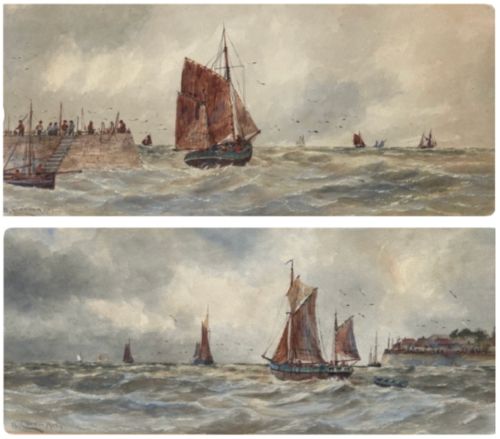
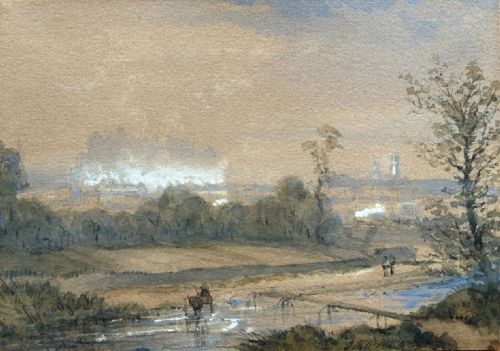
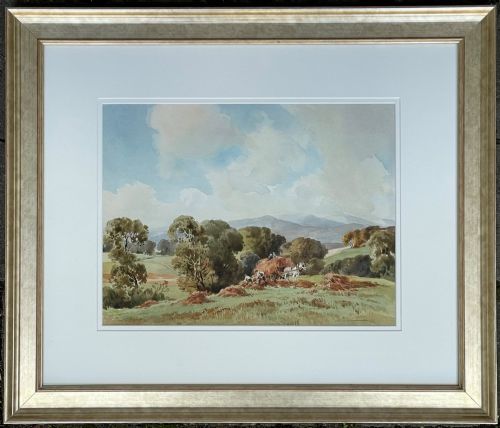
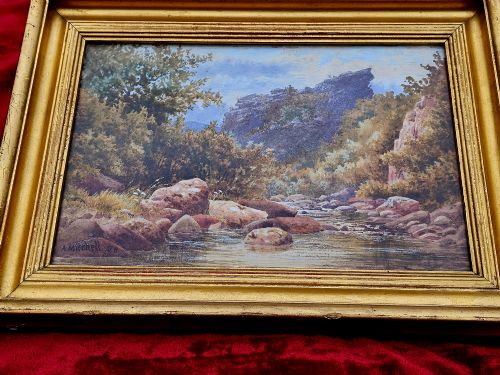
Most pieces on offer present regional landscapes, coastal harbours, and maritime views from various corners of Britain. Works range from detailed topographical studies to looser impressionistic compositions signed by named artists or attributed to the British School.
Materials and techniques
The foundation of these works is paper, upon which artists applied watercolour pigment alongside ink and sometimes gold leaf. Many pieces incorporate auxiliary materials such as glass, wood, and gilt wood within their protective frames.
Techniques vary from precise line and wash drawings to expressive brushwork capturing light and atmosphere. Artists layered translucent pigments to achieve depth in landscapes and seascapes.
British Watercolour Art Retail Price Guide 2026
Typical asking prices for british watercolour art among the pieces listed under this phrase on Sellingantiques today, from the lower quarter to the upper quarter. They describe what is for sale here now, not the wider market.
Listings feature works from the 19th Century, Edwardian, and Victorian periods, executed on paper using watercolour pigment.
Judging quality in watercolour paintings
Quality rests upon the artist's handling of light, brush control, and the preservation of the paper support over time. Stronger compositions demonstrate confidence in mark-making and a balanced distribution of pigment across the sheet.
Condition plays a part, particularly the absence of heavy fading from sunlight and foxing on the paper. Framed presentation with appropriate mount boards also contributes to the longevity and visual appeal of the piece.
George Lorain Stampa·George Fotherly Hargitt·James Orrock·William Cannon·Sir James Dromgole Linton·John R Prentice·Thomas Ellison·Alfred Young Nutt·Percy Lancaster·James Smetham·John McDougal·EJ Letheren·Robert Leslie Howey·James E Aitken·Charles Edward Dixon·John E Aitken·William Banks Fortescue·William Joseph Boyes·Henry Silkstone Hopwood·Muriel Metcalfe·Thomas William Morley·Fred Lawson·Frank William Scarbrough·Robert Thorne Waite·John Smith Atherton
The British Watercolour Art Glossary
- Watercolour pigment
- Finely ground colour particles mixed with a water-soluble binder, applied to paper to create translucent washes. This medium allows artists to build up tone gradually through successive layers.
- Foxing
- Brown spots and discolouration that appear on older paper due to chemical reactions over time. Collectors look closely at the spread of foxing across the sheet.
- Gilt wood
- Wood coated with a thin layer of gold leaf or metallic paint, frequently found on period frames. It provides a reflective border that complements the tones within the painting.
- Portrait miniature
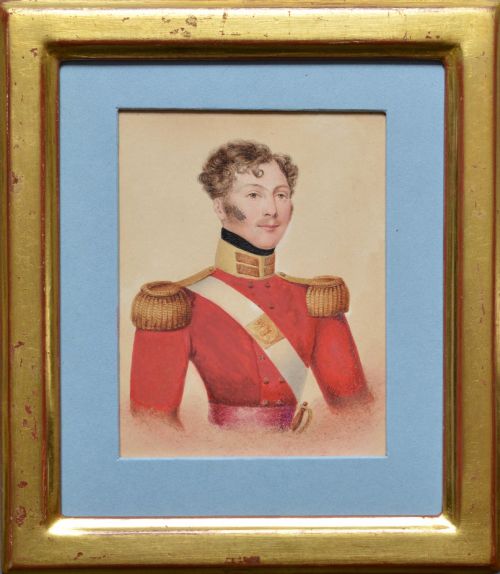
- A small, highly detailed painting on paper or vellum, often executed during the Georgian or Victorian eras. These intimate works required immense precision using fine brushes.
British Watercolour Art: Frequently Asked Questions
How should I hang watercolour art at home?
Watercolours require careful placement away from direct sunlight to prevent the pigments from fading over the years. Position them on interior walls where natural light remains indirect and controlled.
Ensure the room maintains a stable humidity level to protect the paper and the wooden frame from warping. Acid-free mounts inside the frame further safeguard the artwork against environmental degradation.
What subjects are most common in British watercolours?
Coastal scenes, fishing boats, and rural landscapes dominate the historic output of British watercolourists. Artists frequently painted harbour towns like St Ives or recorded views across lakes and rivers.
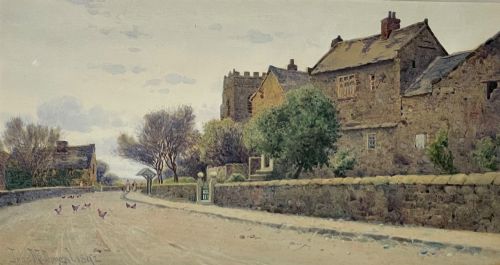
Topographical views of towns, architectural landmarks, and occasional portrait miniatures also appear among surviving works. These subjects reflect the travels and surroundings of artists working from the nineteenth century onward.
How can I tell the period of a watercolour?
Dating often relies on artist signatures, biographical dates, and stylistic clues within the landscape or costume. Victorian and Edwardian works frequently feature specific framing styles and detailed brushwork characteristic of their decade.
Inscriptions on the reverse of the paper or frame provide further chronological markers. Archive records and historical exhibition labels help confirm the era in which the piece was produced.
Are these paintings always signed by the artist?
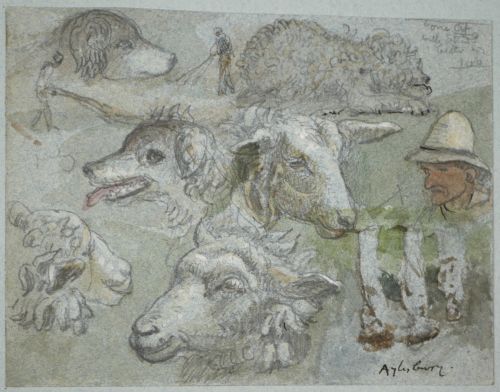
Many works bear visible signatures or initials from the hand of the creator, sometimes accompanied by a date. Signatures often sit discreetly in one of the lower corners of the painted surface.
Unsigned pieces do occur, particularly those attributed to the British School or created as studies. Stylistic comparison and contemporary framing often provide context for unsigned examples.