


British Watch
A British watch brings together mid-century wristwatches and military timepieces alongside railway pocket watches spanning the Victorian era to the 1960s.
British Watch
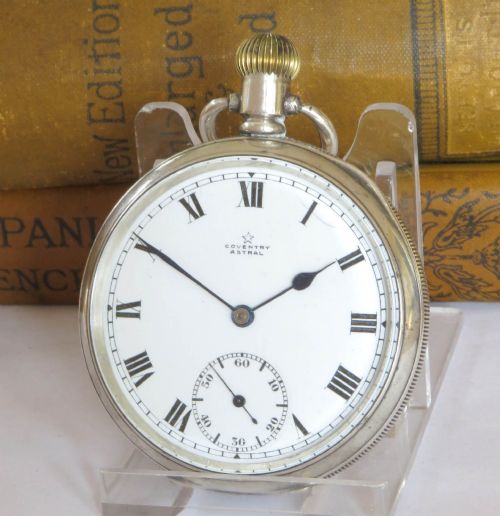
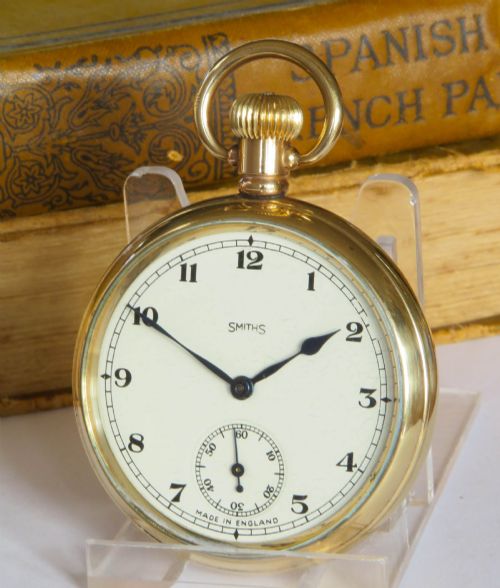
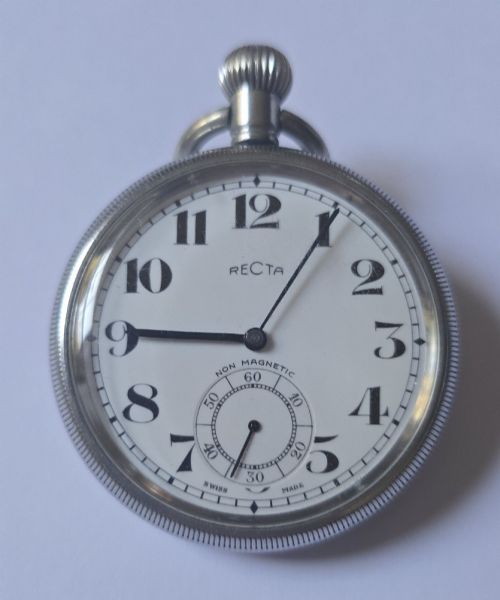
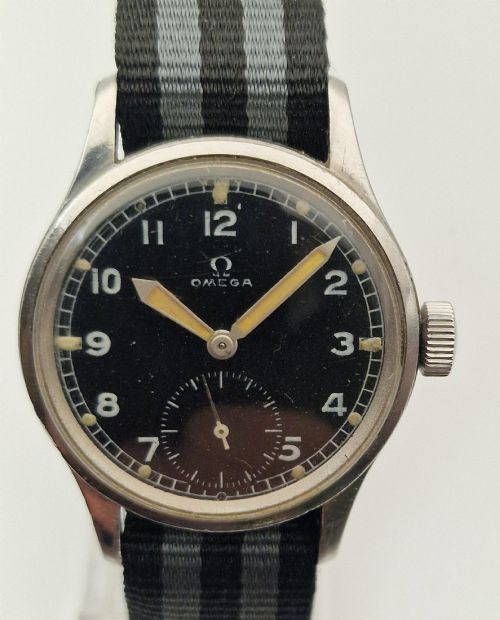
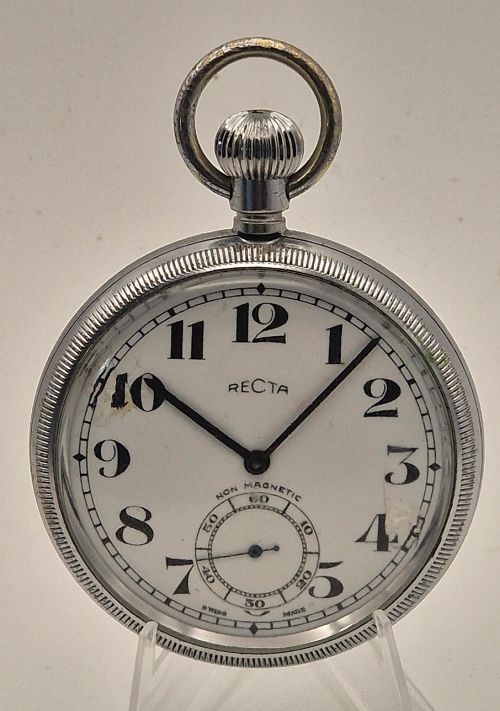
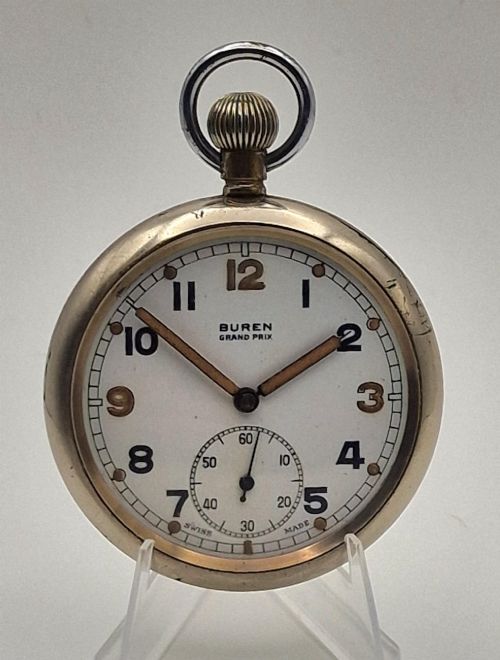
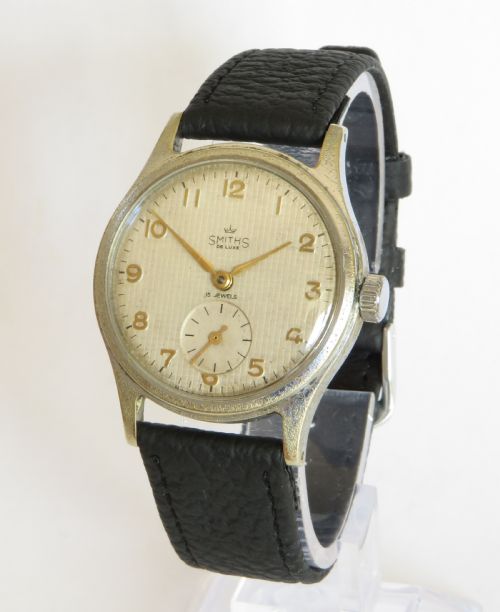
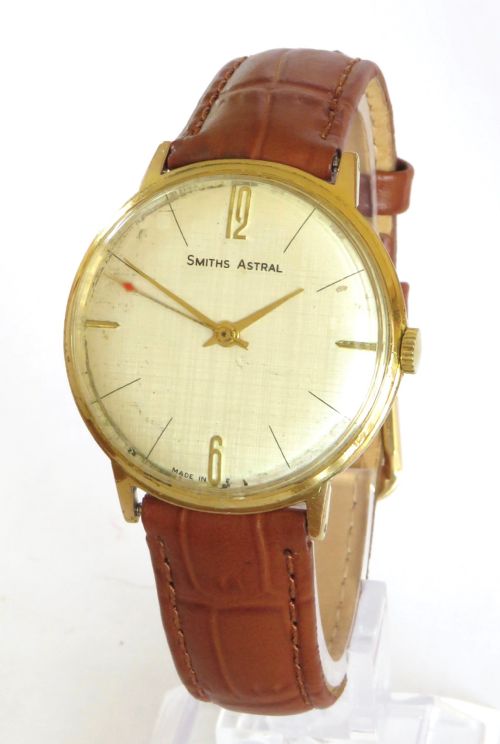
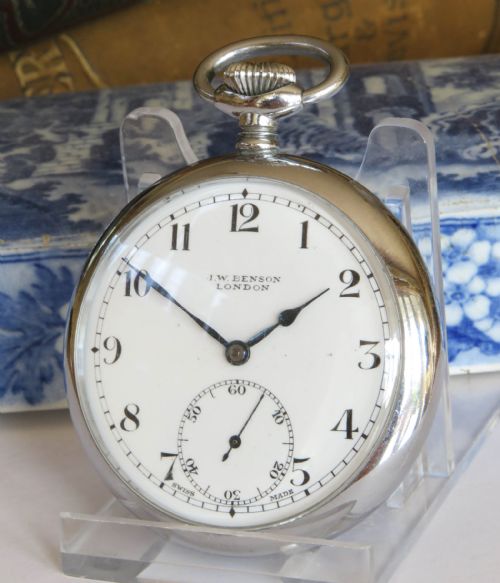
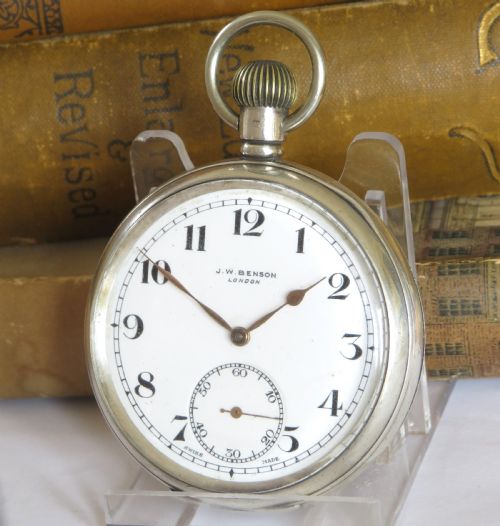
When you examine a British watch on this page, you encounter horological pieces ranging from Edwardian railway pocket watches to 1950s wristwatches by Smiths. The selection includes military issues from the 1940s, such as 'Dirty Dozen' wristwatches and pilot watches bearing Air Ministry markings, alongside domestic pocket watches made for transport networks like British Railways.
The most common versions met here are mid-century gentleman's wristwatches with manual or mechanical movements, alongside pocket watches housed in steel, silver, or brass cases. Alongside these timepieces appear navigational instruments, table clocks, sovereign cases, and framed military art prints associated with the subject.
How they were made
Cases are formed from durable metals including stainless steel, nickel, brass, and sterling silver, occasionally accented with gold plate or solid nine-carat gold. Dials feature enamel finishes or printed metallic surfaces protected by glass crystals, paired with leather straps or metal bracelets.
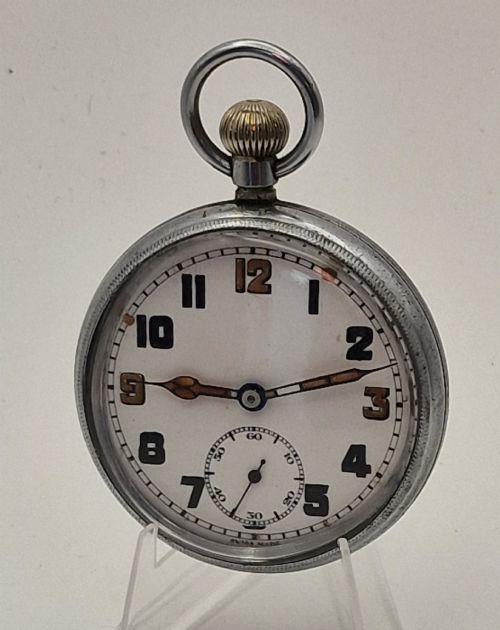
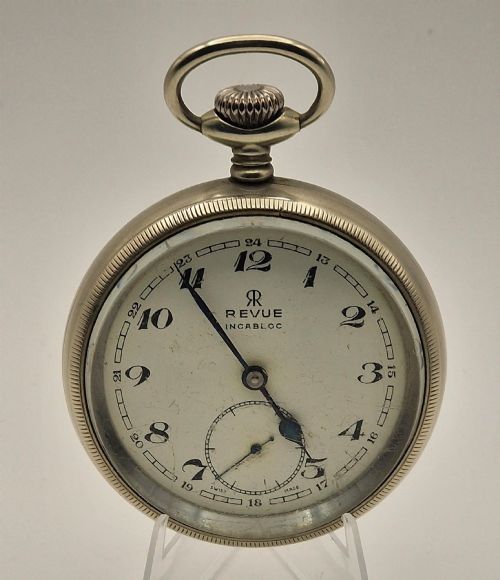
Movements rely on precision mechanical engineering utilising jewels to reduce friction in the gear trains. Railway and military pieces are constructed for legibility and robustness, featuring clear Arabic numerals and distinct railroad tracks on the dial periphery.
British Watch Retail Price Guide 2026
Typical asking prices for british watch among the pieces listed under this phrase on Sellingantiques today, from the lower quarter to the upper quarter. They describe what is for sale here now, not the wider market.
Railway timekeepers allowed guards to keep trains running on time while wondering if their tea was still warm.
What varies in quality
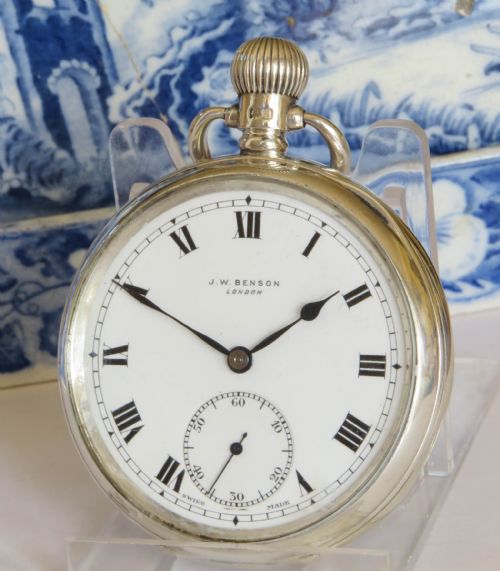
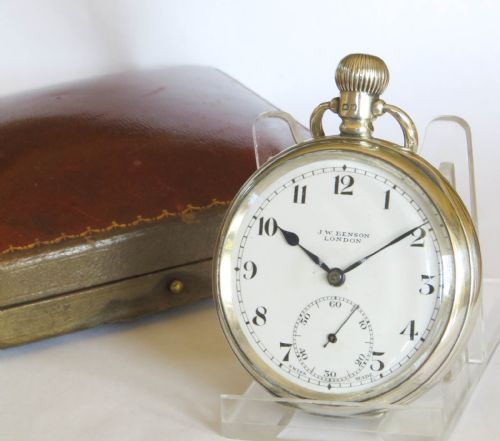
The distinction between standard commercial pieces and superior examples lies in the execution of the movement and the provenance of the issue. Signed dials bearing retail names such as J W Benson or specific military contract codes indicate higher specification work.
Case materials and dial preservation dictate the standing of an item, with solid gold or military-issued stainless steel casings holding greater historical interest than plated variants. Original boxes and documented railway or service issue numbers further elevate the integrity of a piece.
Aaron Lufkin Dennison·John Walker·Ross of London·Smiths·J W Benson
The British Watch Glossary
- Dirty Dozen
- A group of twelve military watchmakers commissioned by the British Ministry of Defence during the Second World War. These watches bear the WWW mark on the reverse.
- Sovereign Case
- A small pocket container designed to hold gold sovereign coins securely. These cases are frequently fashioned from silver and ornamented with engraving.
- Railway Watch
- A pocket watch issued to or purchased by railway companies for staff timekeeping. They often display company names or initials on the dial and case back.
- Jewels
- Synthetic rubies or sapphires placed within a watch movement to act as bearings for the pivots. Higher jewel counts generally denote a more refined calibre.
- Military Issue
- Equipment supplied directly to armed forces personnel, identifiable by broad arrow marks and official government codes. These items are built to strict service specifications.
British Watch: Frequently Asked Questions
What is a Dirty Dozen watch?
A Dirty Dozen watch refers to one of the wristwatches supplied to the British Army by twelve different manufacturers during the Second World War. These pieces are identified by specific military markings on the case back.
They were built to rigorous government standards to ensure reliability in combat conditions, featuring black dials, luminous hands, and a sub-seconds dial at the six o'clock position.
How do I identify a railway pocket watch?
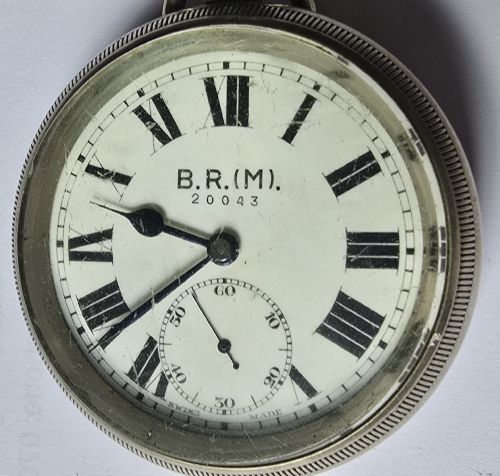
Railway pocket watches typically feature the name or initials of the railway company engraved on the case back or printed directly on the dial. Examples often cite companies such as British Railways or North British Railway.
They were utilised by staff to ensure strict adherence to timetables and were maintained for high accuracy and clear legibility under varied working conditions.
Are Smiths watches made in England?
Many Smiths watches from this period were manufactured domestically, featuring movements and components produced in English factories. Models such as the Smiths De Luxe proudly bear text indicating English manufacture.
They represent a significant era of domestic horological production, spanning simple civilian dress watches through to robust gold models with multiple jewelled movements.
How should I care for a vintage British watch?
A vintage mechanical watch requires gentle handling and regular servicing by a qualified horologist to keep the internal gears functioning correctly. Avoid exposing older pieces to moisture unless they were originally built with certified waterproof military specifications.
When storing pocket watches or wristwatches, keep them in a dry environment away from direct sunlight and magnetic fields. Winding them consistently at the same time each day helps maintain tension in the mainspring.