


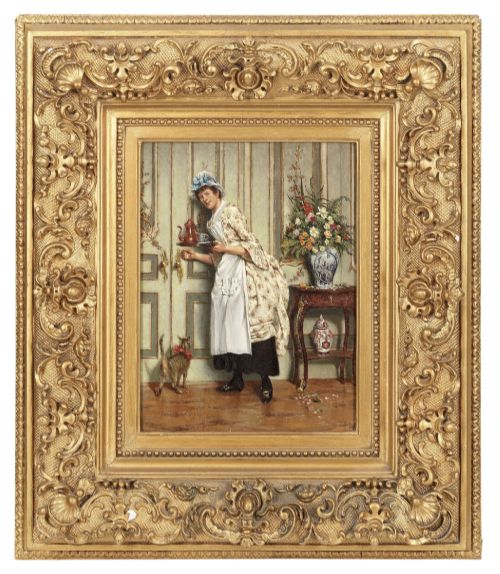
British Victorian Oil Painting
When you search for a british victorian oil painting, you find works spanning landscapes, portraiture and sporting art created across the nineteenth century.
British Victorian Oil Painting
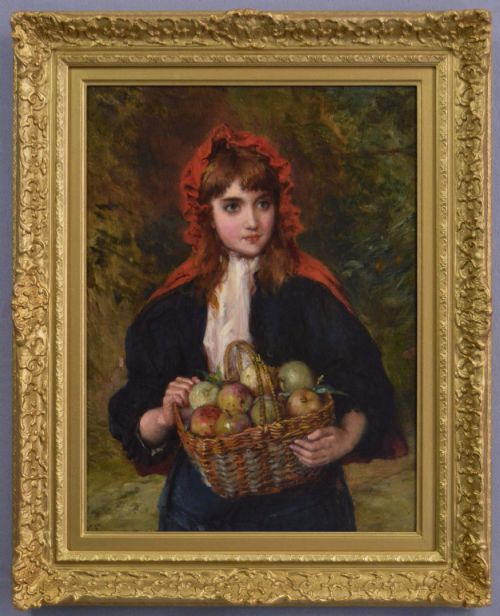
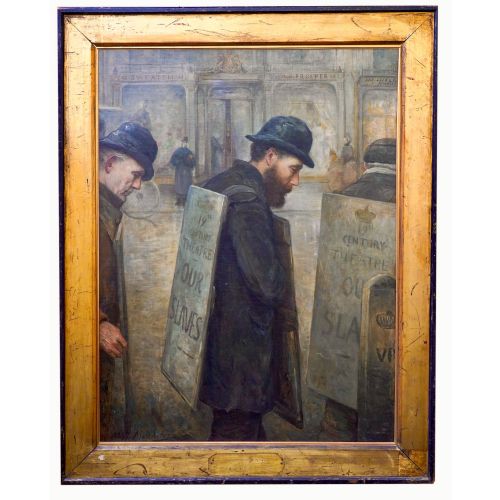
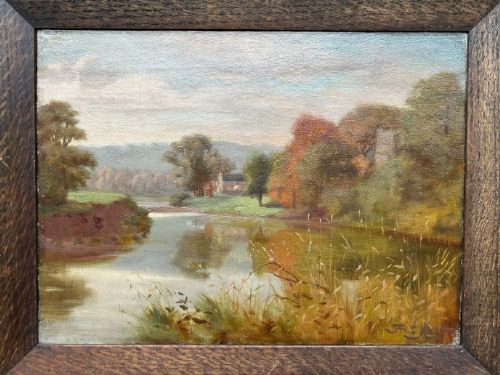
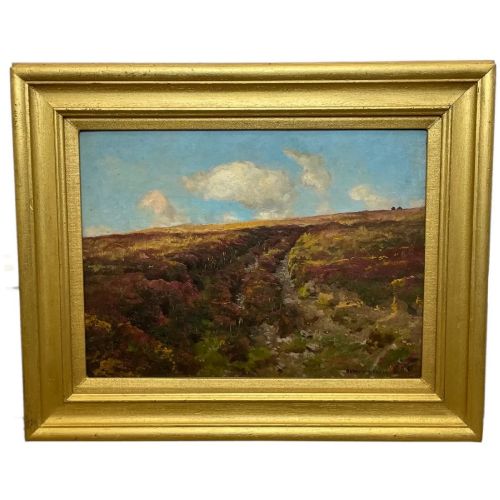
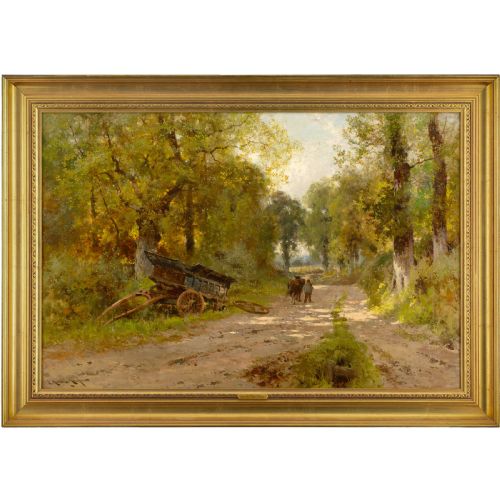
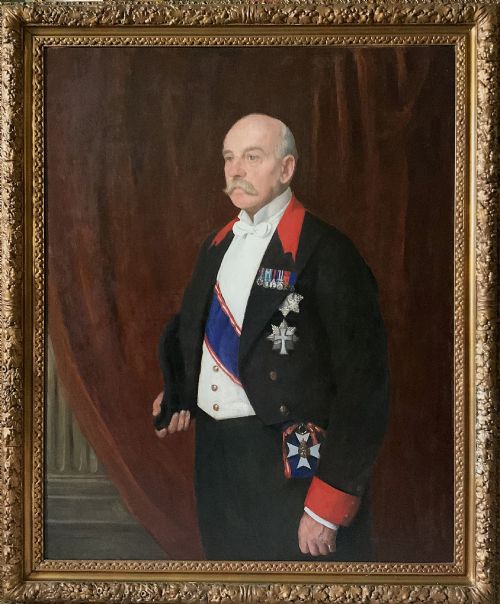
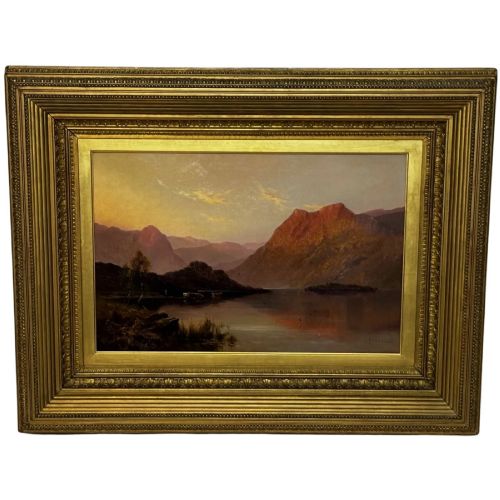
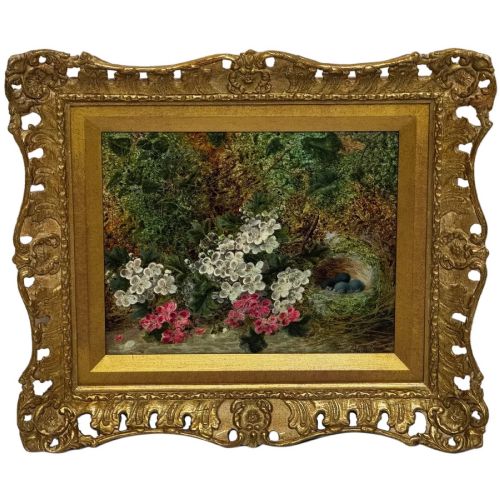
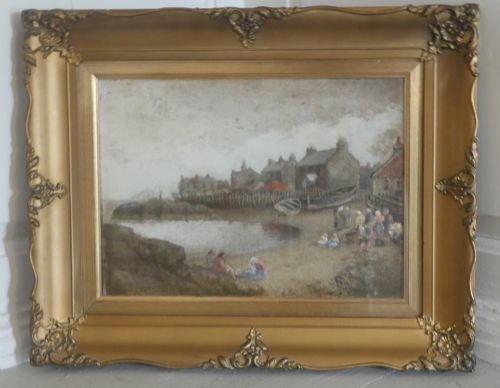
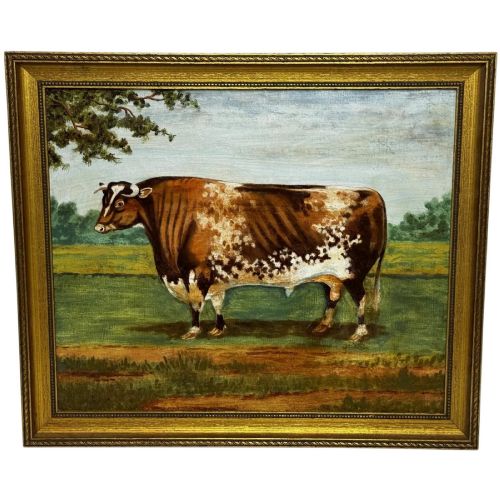
A british victorian oil painting encompasses fine art produced during the nineteenth century, ranging from intimate pastoral scenes to monumental social history and military portraits. The period produced varied genres including marine views, townscapes, genre scenes of domestic life and detailed animal studies such as prized livestock and hunting dogs.
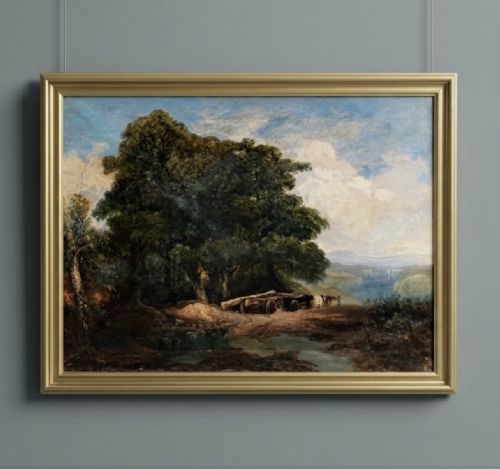
The works reflect distinct aesthetic movements of the era, moving from early nineteenth-century Romanticism towards later Victorian realism, pastoralism and sporting art. Examples frequently document specific British locales, from the Lake District and the Thames to coastal harbours and rural country houses.
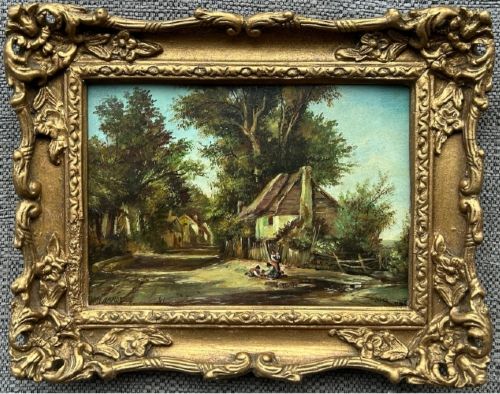
Buyers encountering these pieces will find both signed works by known artists and unsigned examples attributed to the broader British School. Canvases vary widely in scale, from small cabinet paintings to large framed exhibition pieces intended for prominent domestic display.
How they were made
Pigments ground in oil paint were applied primarily to stretched canvas, though panel, board and card also served as supports for artists during the period. The physical structure typically relies on timber stretchers or panels paired with heavy gesso and giltwood frames that complete the presentation.
Techniques combined careful underpainting with layered brushwork to achieve depth, tonal variation and fine detail in subjects ranging from human expressions to animal coats and atmospheric skies.
Listings feature works from the 1850s to the 1910s executed in oil on canvas, panel and board.
What varies in quality
Quality in these works rests upon the artist's command of anatomy, light and perspective, distinguishing masterly composition from rigid or formulaic execution. The handling of the medium itself reveals much, with superior pieces showing confident, deliberate brushwork rather than flat or overworked surfaces.
The preservation of the original paint layer and canvas tension contributes significantly to a work's integrity. Furthermore, the quality and period appropriateness of the surrounding giltwood frame often reflect the original status and intended destination of the painting.
William Oliver·Richard Sebastian Bond·Felix Stone Moscheles·Valentine T Garland·John Maler Collier·William Howard Hardy·Frederick Marriott·Arthur Wardle·John Horace Hooper·Alfred Fontville de Breanski Jr·Oliver Clare·Edward Mills·Stephen Samuel Lewin·John Rose Miles·Thomas W Lascelles·Mark William Langlois·David Bates·Thomas Smythe·Albert Clark·Alfred Lyndon Grace·Robert John Hammond·W D Almond·Walter Heath Williams·Francis Moltino·Margaret Sarah Carpenter
The British Victorian Oil Painting Glossary
- Oil on Canvas
- Pigment mixed with drying oil applied to a woven fabric support stretched over a wooden frame. This medium allowed artists to build rich textures and subtle tonal gradations.
- Giltwood
- Wood carved and coated with gold leaf or a gold-coloured metallic finish. These frames provided the standard opulent border for nineteenth-century exhibition and domestic art.
- Gesso
- A plaster-like mixture used as a base coat on wood panels or frames before gilding or painting. It created a smooth, sealed surface for subsequent decorative work.
- Genre Painting
- Art depicting scenes from everyday life, typically involving ordinary people in domestic or social settings. These works often carry narrative or moral undertones.
- Sporting Art
- Paintings dedicated to subjects such as hunting, racing horses, dogs and rural pursuits. This genre held a prominent place in Victorian patronage.
British Victorian Oil Painting: Frequently Asked Questions
What subjects are common?
Paintings from this era frequently depict British landscapes, coastal marine views, rural country house interiors and townscapes along the Thames. Portraiture of military officers, gentry and everyday figures also forms a substantial part of the output.
Animal subjects appear regularly, including prized livestock, hunting dogs, racing pigeons and horses engaged in sporting pursuits.
How do I hang them?
These works require secure wall fixings suited to the substantial weight of traditional wood and gesso frames. Wall placement should avoid direct sunlight and damp environments to protect the canvas and oil pigments.
Adequate spacing allows the heavy gilt frames to sit comfortably without crowding adjacent furniture or decorative items.
How do I spot a Victorian landscape?
Victorian landscapes typically display naturalistic lighting, detailed botanical elements and a structured composition that reflects the pastoral ideals of the period. Scenes often feature recognizable British regions, including the Lake District or rural Berkshire.
The brushwork shifts across the century from precise academic recording towards looser, more atmospheric interpretations of weather and light.