


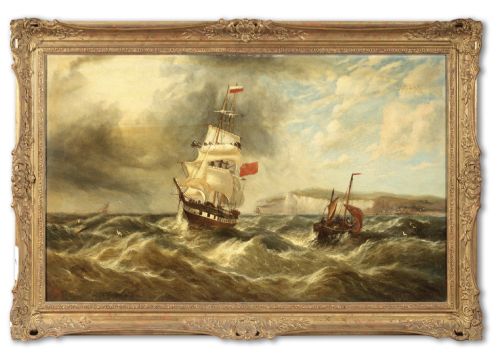
British Victorian Oil Canvas
When you search for a british victorian oil canvas, you enter a world of nineteenth-century brushwork capturing portraits, landscapes, and maritime scenes.
British Victorian Oil Canvas
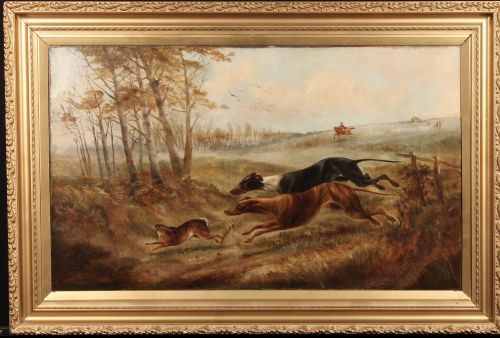
A british victorian oil canvas comprises nineteenth-century fine art paintings executed in oil paint upon stretched fabric supports, largely originating from British studios and schools. These works span domestic genres, pastoral views, sporting art, and formal portraiture created across the Victorian era.
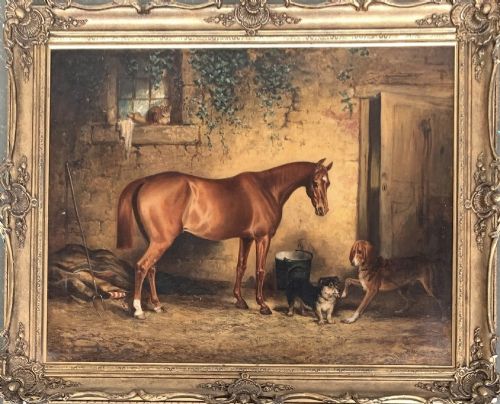
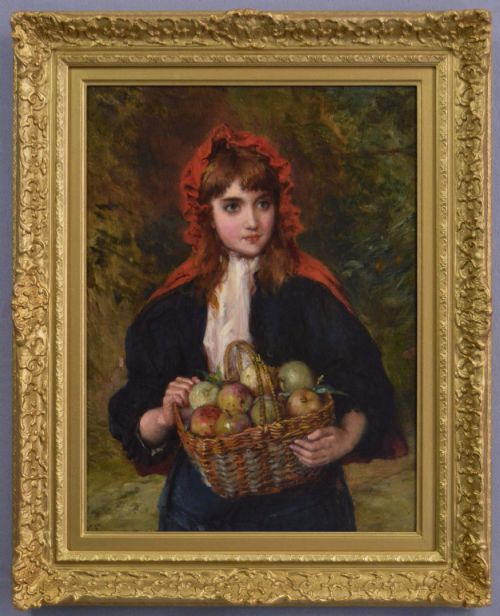
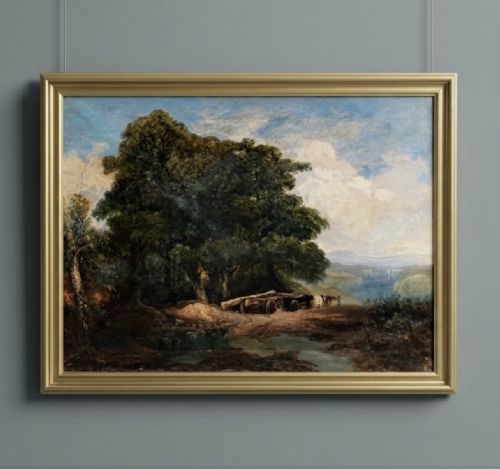
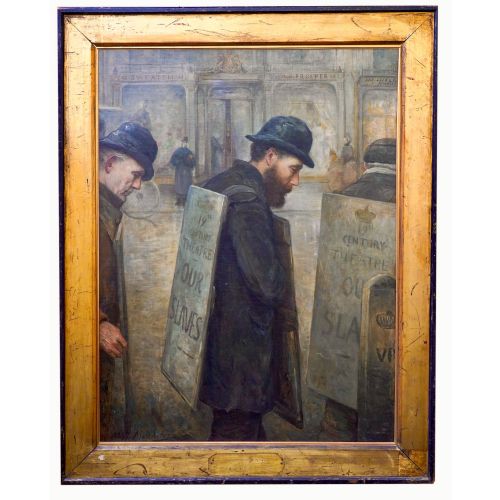
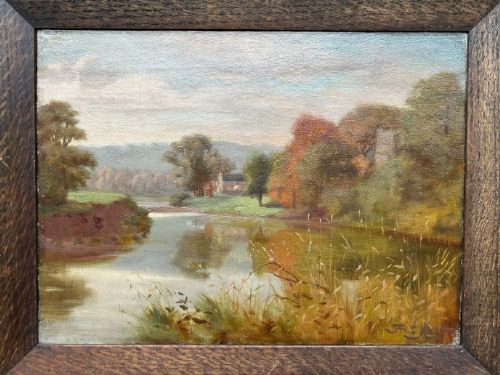
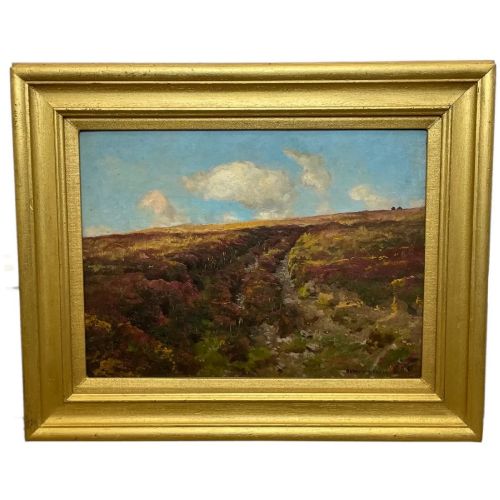
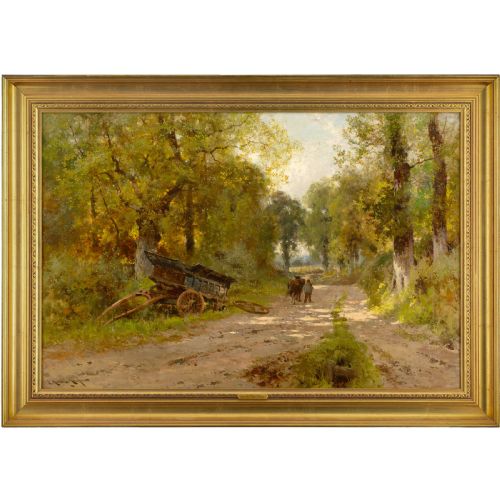
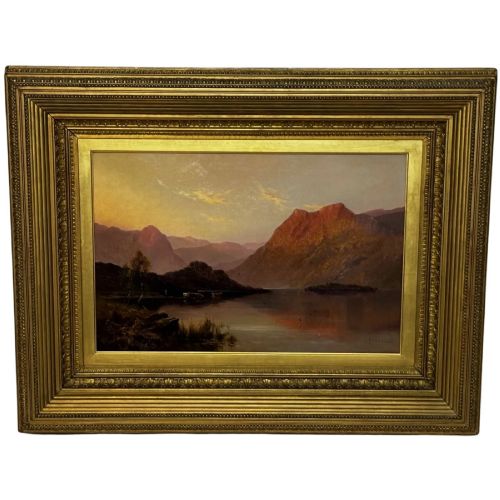
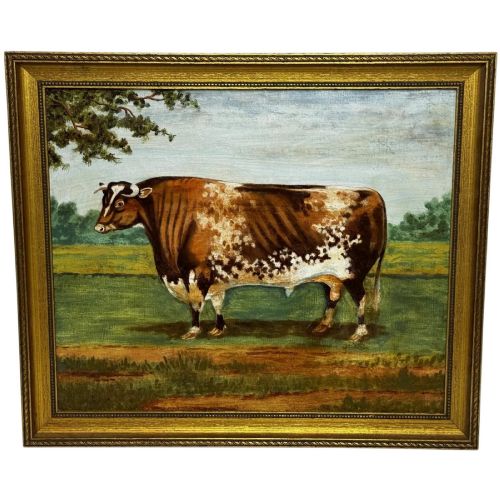
The versions most commonly met on this page include rural landscapes, river scenes, and character studies dated from the middle decades of the nineteenth century through to the early twentieth century. Many bear the signatures of regional British painters or emerge from the broader British school of the period.
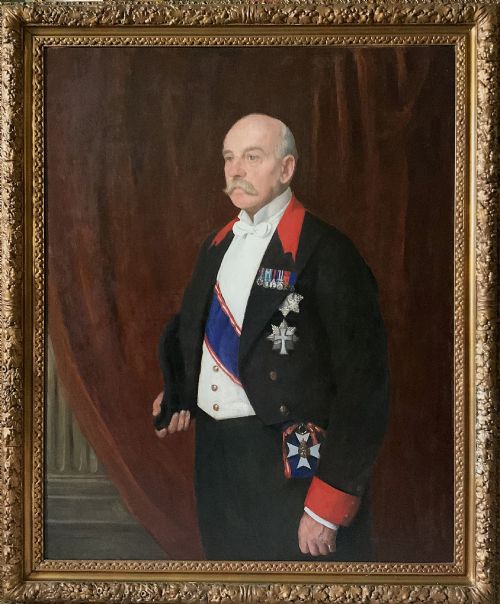
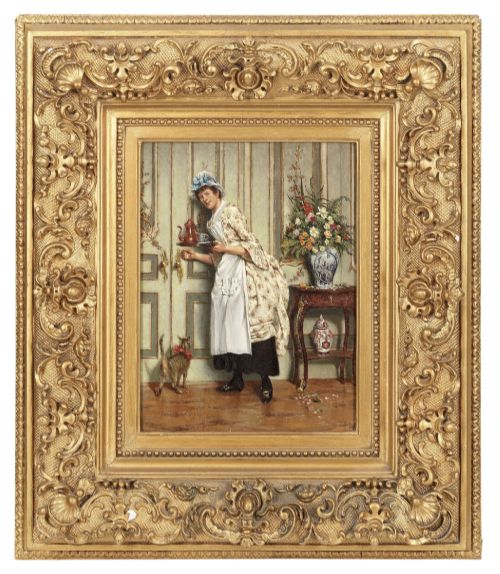
Collectors encounter everything from intimate cottage interiors to monumental military portraits and coastal marine views. The variety reflects the diverse output of artists working during a prolific period of British painting.
Materials and construction
These works rely on traditional oil paint applied to woven canvas supports, which were typically stretched over wooden strainer frames. Artists built up compositions using layered pigments that allowed for rich tonal depth and varied impasto textures.
Listings feature works from the nineteenth century into the early twentieth century, spanning styles from pastoral landscapes to military portraiture.
Assessing quality in nineteenth-century paintings
Quality in a british victorian oil canvas rests upon the skill of the draughtsmanship, the handling of light, and the stability of the physical materials. Superior examples demonstrate confident brushwork, expressive command of the subject, and harmonious colour relationships.
The preservation of the original paint surface and the integrity of the canvas support heavily influence the standing of a piece. Works that retain their character without heavy overpainting command greater appreciation among collectors.
William Oliver·Richard Sebastian Bond·Felix Stone Moscheles·John Maler Collier·Arthur Wardle·John Horace Hooper·Alfred Fontville de Breanski Jr·Thomas W Lascelles·Mark William Langlois·David Bates·Thomas Smythe·Francis Moltino·Margaret Sarah Carpenter·Bernard Benedict Hemy·Thomas Creswick·Stephen Pearce·Richard Redgrave·John Wilson Carmichael·Charles H Passey
The British Victorian Oil Canvas Glossary
- Impasto
- The process of laying paint on canvas in thick applications that stand out from the surface. This technique adds tactile dimension to highlights and textures within a composition.
- Provenance
- The documented history of ownership associated with a work of art. A clear record helps establish authenticity and historical context.
- Gesso
- A traditional paint mixture consisting of a neutral binder mixed with chalk, gypsum, or pigment. It served as a prepared surface on wooden frames before gilding.
- Genre painting
- The pictorial representation of scenes from everyday life. These works depict ordinary people engaged in common activities or domestic interior settings.
British Victorian Oil Canvas: Frequently Asked Questions
How do I identify a Victorian oil painting?
Look for stylistic cues such as romantic realism, detailed pastoral elements, and subject matter typical of the nineteenth century. Signatures and stretcher construction often provide further clues to the date.
Examination of the canvas weave and the ageing of the oil paint layers help confirm the period of execution.
Where were these canvases displayed originally?
Nineteenth-century paintings hung primarily in country house drawing rooms, urban parlours, and institutional galleries. They formed the visual centrepiece of domestic decoration.
Owners selected subjects to reflect personal tastes, whether sporting achievements, family portraits, or scenic landscapes.
How should I care for an oil on canvas?
Keep the painting away from direct sunlight and sudden fluctuations in temperature or humidity. Stable environmental conditions prevent the canvas from sagging and the paint from cracking.
Dust the surface gently with a soft, dry brush and avoid using chemical cleaning agents on the paint layer.
What distinguishes marine paintings from landscapes?
Marine works focus specifically on coastal views, merchant ships, and rough seas, capturing the dynamic movement of water. Landscapes concentrate on terrestrial terrain, foliage, and rural structures.
Both genres shared popularity among Victorian buyers who appreciated naturalistic depictions of British environments.