




British Still Life Art
British still life art brings domestic spaces to life through oil paint, watercolours and tempera, capturing flowers and fruit with enduring charm.
British Still Life Art
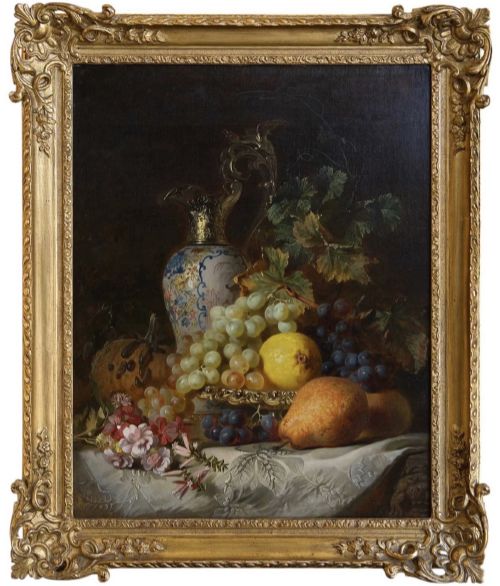
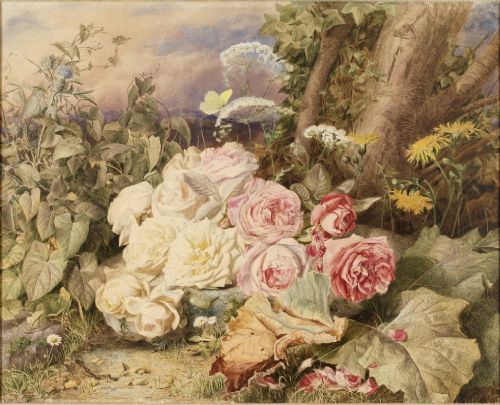
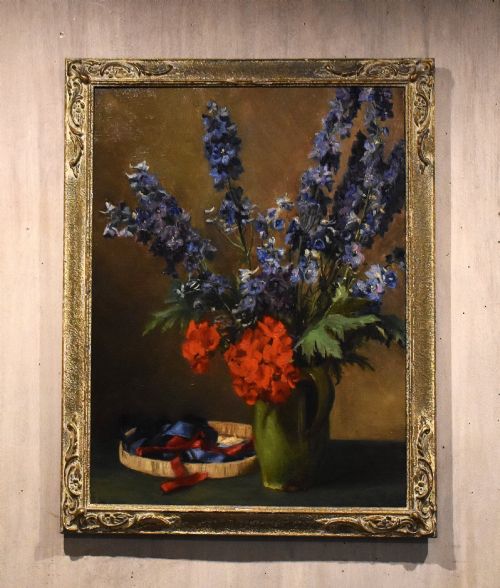
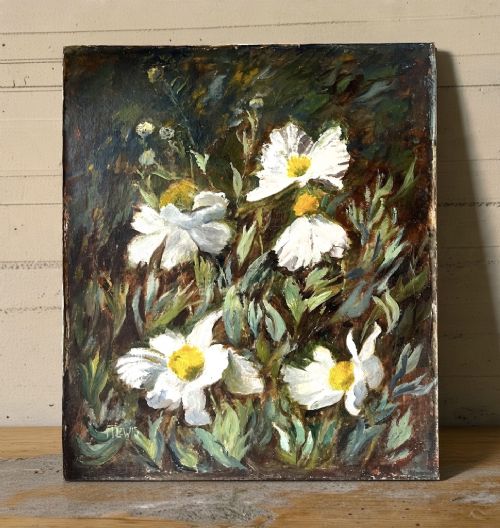
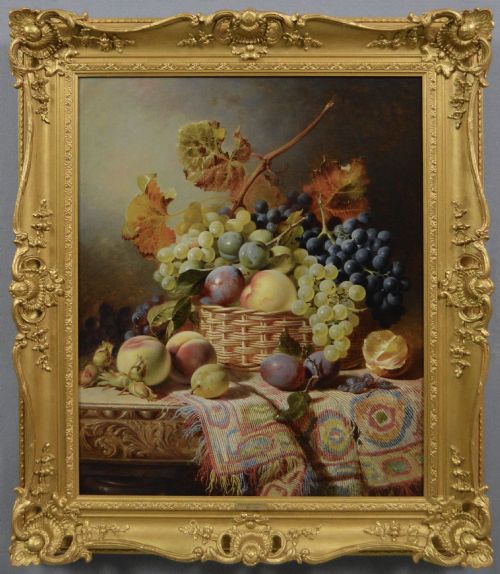
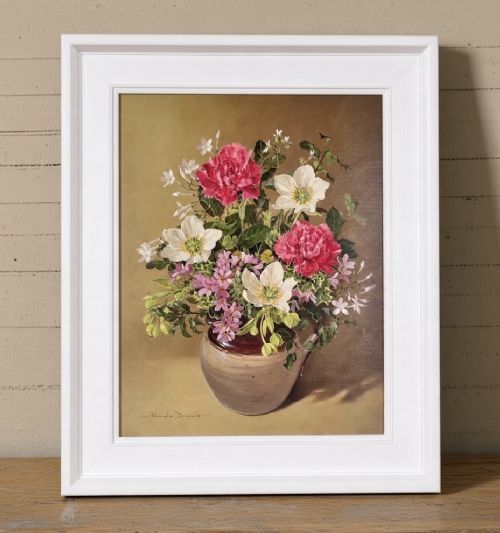
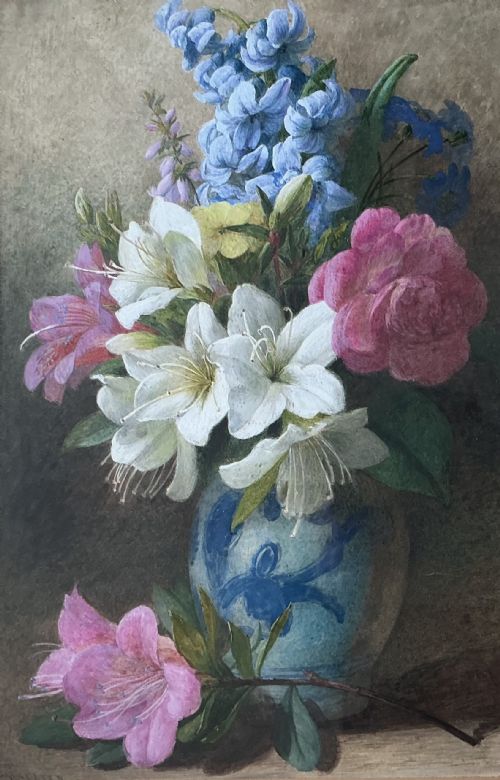
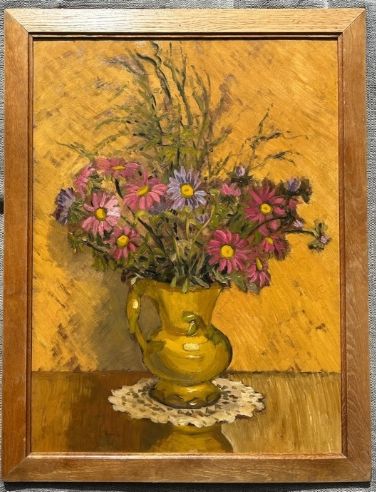
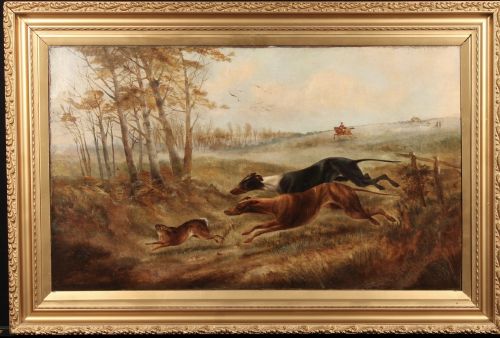
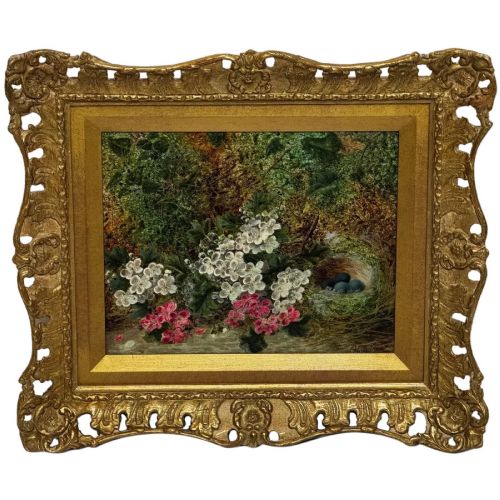
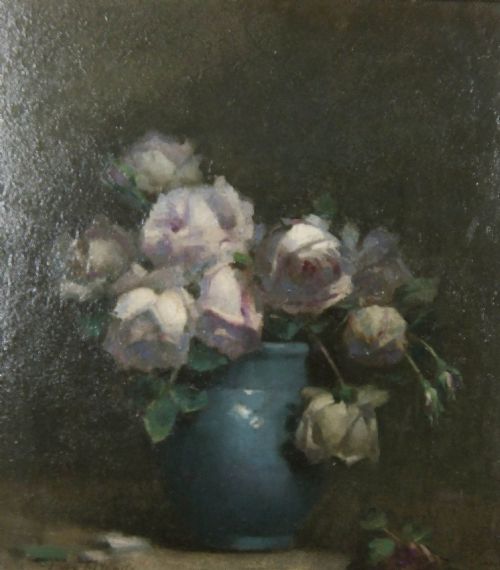
When you search for british still life art, you encounter a varied selection of oil paintings, watercolours, and tempera works created across the nineteenth and twentieth centuries. These pieces predominantly depict domestic subjects such as cut flowers in jugs, bowls of fruit, and botanical studies arranged on tables.
The works span distinct movements, from Victorian and Edwardian realism to British Impressionism, Modern British, and Mid-Century Modern compositions. You meet works executed by regional artists from groups like the Staithes group alongside pieces originating from formal institutions like the South Kensington Art School.
Compositions range in scale from intimate watercolours on paper to large framed canvases. The physical carriers vary between traditional stretched canvas, wooden panel, board, and heavyweight paper supports.
How they were made
Artists built these works using traditional painterly methods, applying oil paint in thick impasto or thin glazes onto canvas, board, and wooden panels. Watercolours and gouache on paper required rapid, confident brushwork to capture the transient delicacy of petals and foliage.
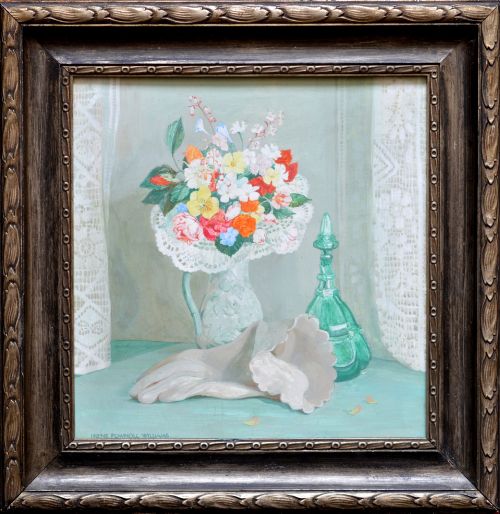
Some mid-century compositions utilise tempera on panel, providing a flat, matte surface that emphasises geometric arrangements and domestic kitchen forms. Canvases were typically stretched over wooden frames, while works on paper relied on quality watercolour paper secured behind glass.
British Still Life Art Retail Price Guide 2026
Typical asking prices for british still life art among the pieces listed under this phrase on Sellingantiques today, from the lower quarter to the upper quarter. They describe what is for sale here now, not the wider market.
Several artists clearly had a strong preference for flowers in jugs, proving that a humble pottery vessel is an artist's best friend.
What varies in quality
The strength of a composition rests on the artist's handling of light, shadow, and tonal contrast within confined domestic arrangements. Superior pieces demonstrate a confident control of brushwork and colour harmony that breathes vitality into stationary objects.
Execution also differs between hasty regional sketches and fully realised exhibition pieces by established academy members. The vitality of the brushwork and the structural integrity of the supporting canvas or panel dictate the enduring presence of each work.
Oliver Clare·John Sherrin·Owen Bowen·Denis Mitchell·James Tower·Stuart Armfield·Edward Ladell
The British Still Life Art Glossary
- Tempera
- A permanent, fast-drying painting medium consisting of coloured pigment mixed with a water-soluble binder entity, often egg yolk. This technique yields a durable, matte surface favoured for detailed panel works.
- Impasto
- The process of applying paint thickly on a canvas or board so that the strokes stand out from the surface. This technique adds tactile depth and visible texture to petals and leaves.
- Gouache
- An opaque water-based paint method that uses similar pigments to watercolour but includes a binding agent and white filler. It creates flat planes of dense colour useful for botanical studies.
- St Ives School
- An association of artists based in Cornwall during the twentieth century who developed significant modernist approaches. Their output reflects the rugged coastal light and landscape influences.
- British Impressionism
- A late nineteenth and early twentieth-century painting movement focused on capturing light and ordinary subject matter with loose brushwork. Artists working in this manner prioritized outdoor observation and spontaneous colour.
British Still Life Art: Frequently Asked Questions
What periods do these paintings cover?
The available works span from the nineteenth century through the Edwardian era and deep into the twentieth century. You find Victorian realism alongside mid-century modern and St Ives school interpretations.
This broad chronological range allows collectors to trace the evolution of domestic painting styles across more than a century of British art production.
How should I hang and light these works?
These paintings require stable indoor wall spaces away from direct sunlight to protect delicate watercolours and oil pigments from fading. Gentle, directional picture lighting enhances the tonal contrasts of the brushwork without causing heat damage.
Framing should complement the period of the piece, using simple wooden or gilded mouldings that respect the original aesthetic of the canvas or paper.
What subjects are most common?
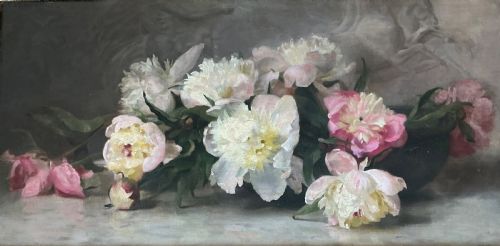
Floral arrangements dominate the imagery, featuring roses, anemones, peonies, and summer flowers displayed in vases, jugs, or baskets. Fruit studies involving apples, grapes, and bowls are also frequently encountered.
These traditional domestic arrangements reflect the enduring popularity of still life genres among British painters across different regional schools and academic backgrounds.
How do I identify a watercolour from an oil painting?
Watercolours are executed on paper supports and typically displayed behind glass with a protective mount, showing transparent washes of pigment. Oil paintings use canvas, wood panels, or boards as a base, presenting a heavier paint layer with visible texture.
Examining the surface under natural light reveals whether the medium sits flat within the fibres of the paper or rests as a built-up layer upon the canvas.