
Floral Still Life Canvas
A floral still life canvas brings botanical colour and texture into a room, offering enduring painted arrangements of roses, anemones and field flowers.
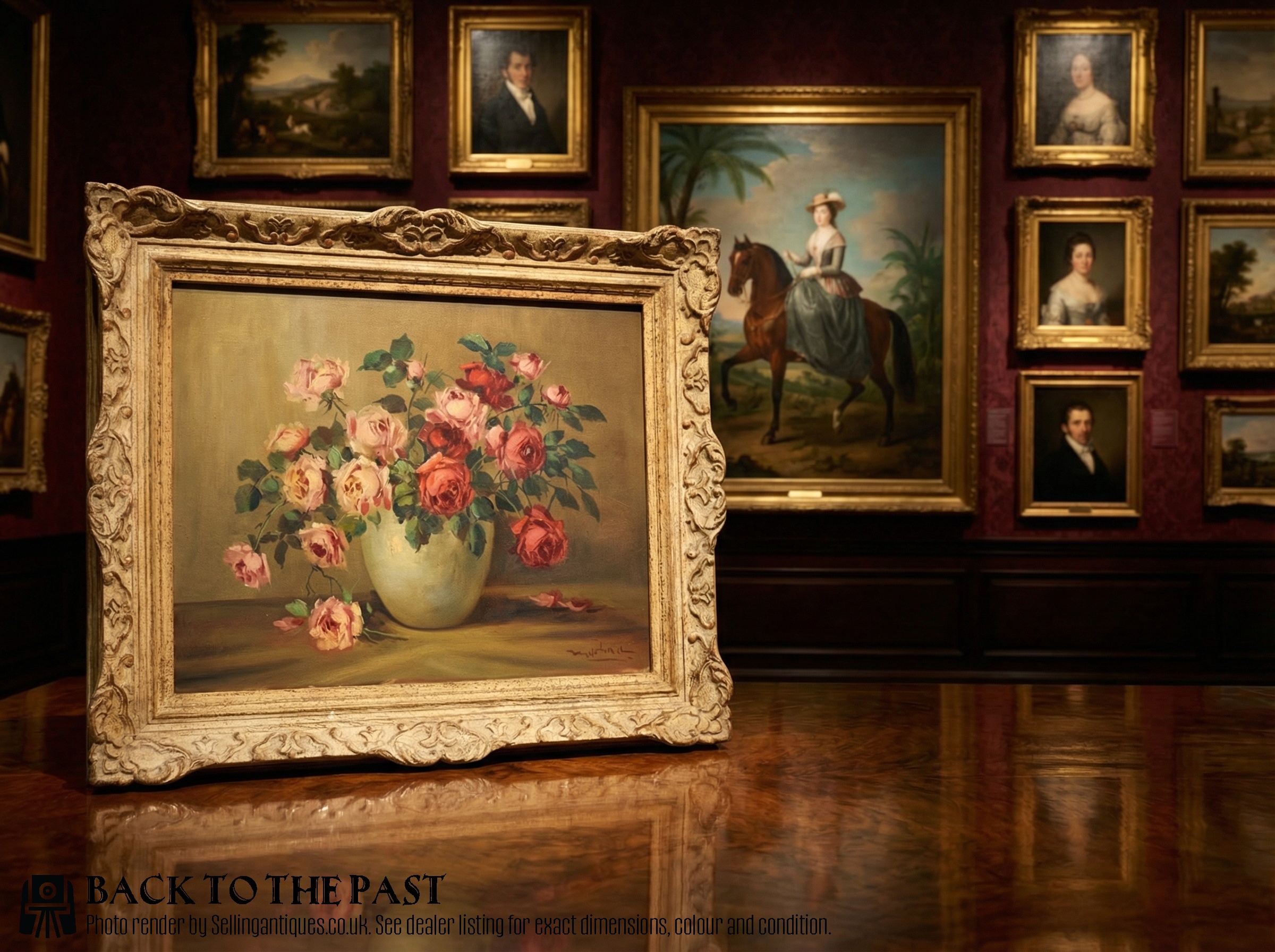
The floral still life canvas
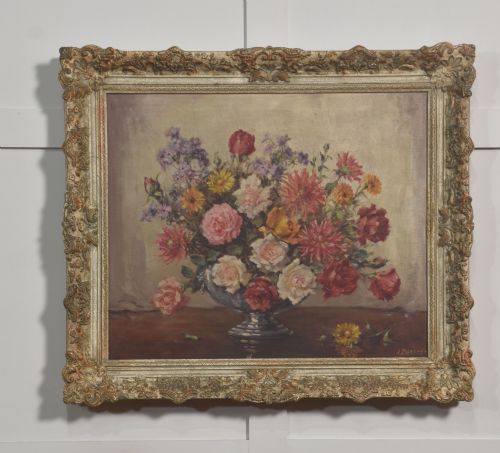
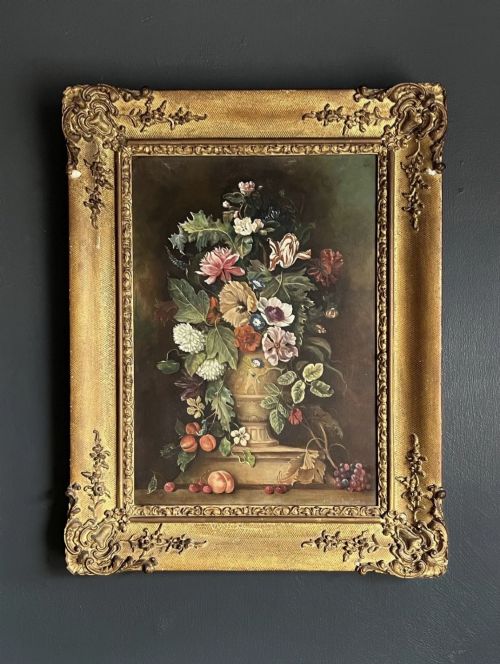
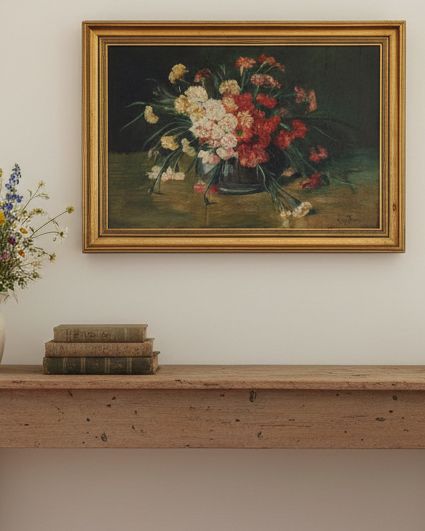
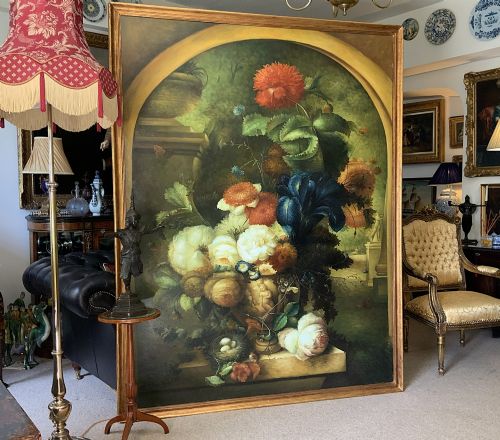
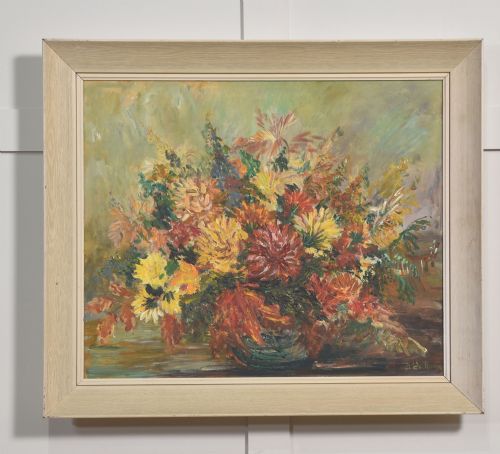
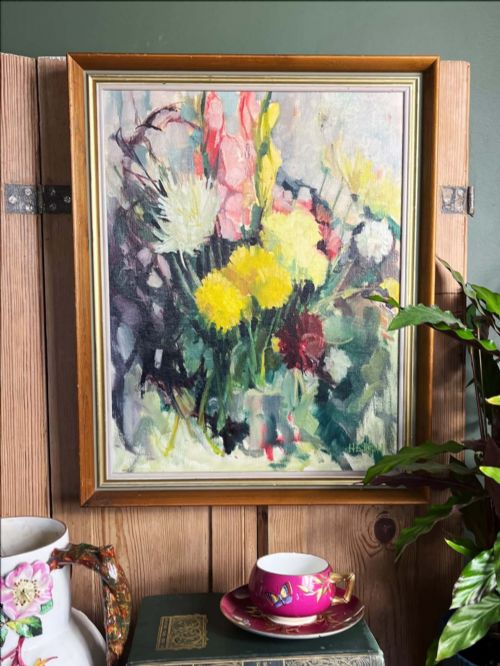
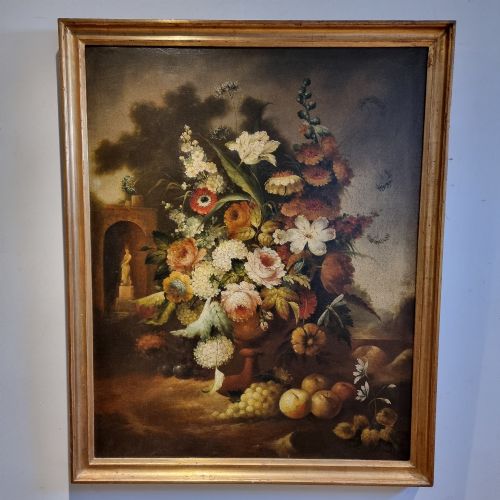
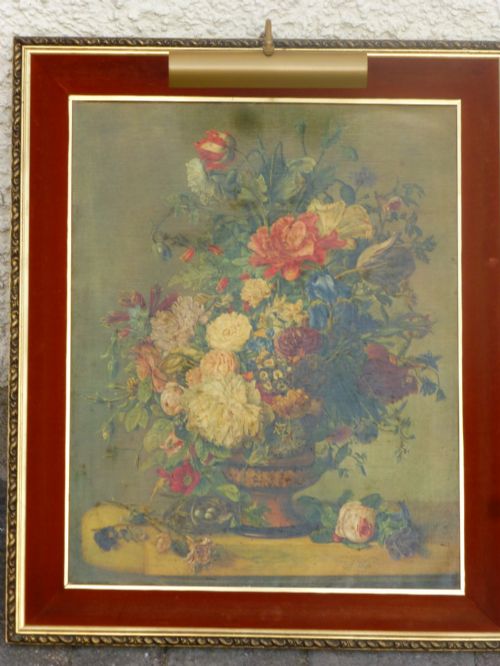
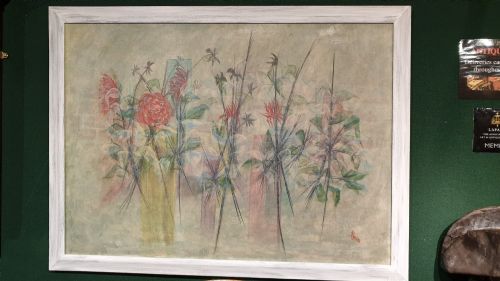
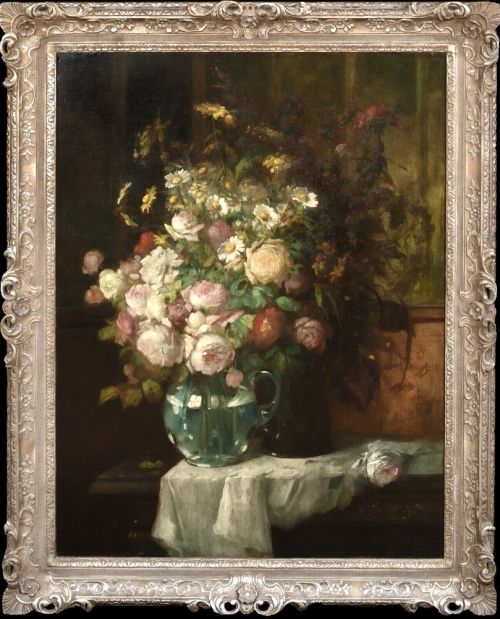
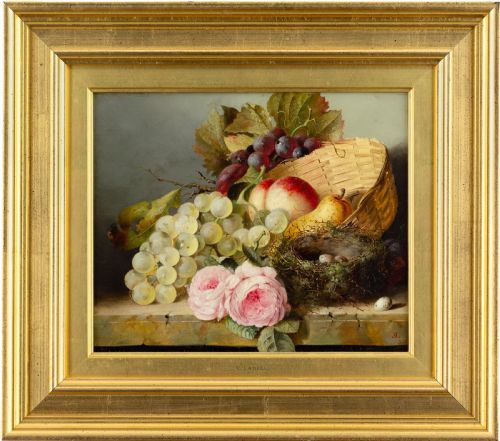
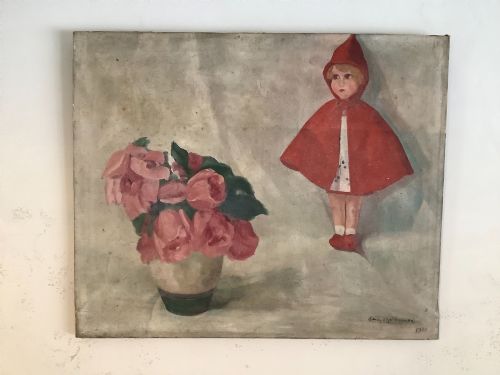
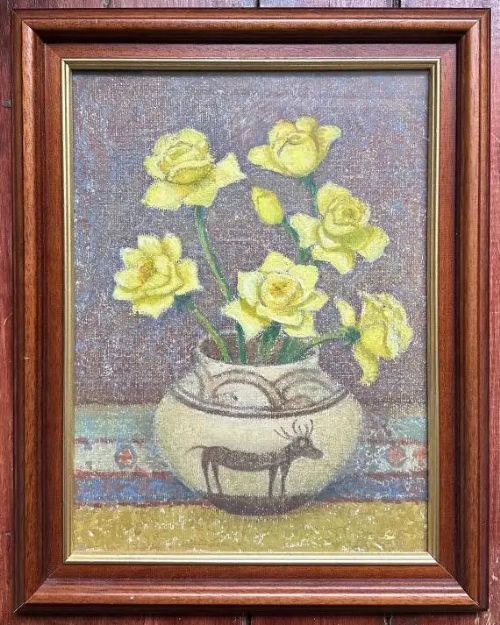
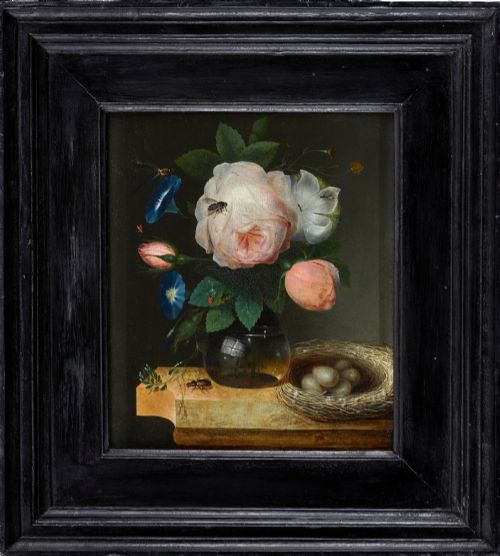
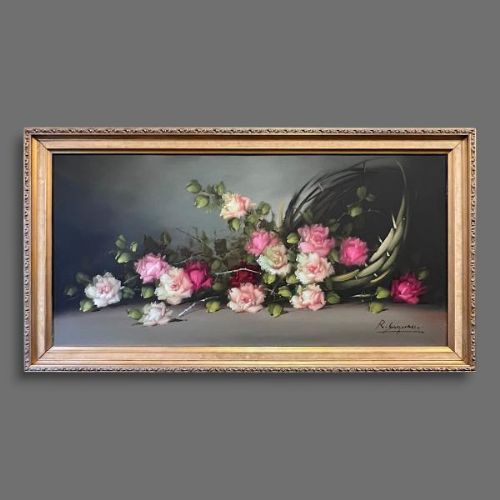
A floral still life canvas depicts arranged blooms, most commonly housed in vases, pots, baskets or urns. The works span from the late nineteenth century through to the mid-twentieth century, capturing shifting attitudes towards botanical subjects.
Victorian and nineteenth-century examples lean towards traditional realism and darker, moody backgrounds, while later pieces embrace the looser brushwork of Impressionism and the bold palettes of Art Deco and Fauvism.
French, British and Austrian artists dominate the records, working in oils on stretched canvas. Collectors encounter diverse interpretations, from tightly rendered studies of roses to expressive, modernist bouquets.
Materials and technique
Artists painted primarily in oil on canvas, sometimes utilising impasto techniques to build thick, textured petals that stand proud of the surface. Canvases are frequently housed in their original gesso and gilded wood frames.
The physical support consists of woven canvas stretched over wooden frames, occasionally retaining original artist stamps or dealer stencils on the reverse.
Retail Price Guide 2026
Typical UK retail prices for floral still life canvas, calculated from the Sellingantiques database of over a million retail prices indexed since 2003. This retail price guide relies exclusively on Sellingantiques data; no external sources or auction records are used, so the figures do not describe the wider market.
Several canvases capture humble garden subjects like petunias and pansies rather than grand hothouse roses.
Distinctions in quality
Quality rests in the confidence of the brushwork and the artist's command of light, shadow and colour relationships. Finer pieces capture the transient qualities of falling petals and shifting light through a room without resorting to rigid botanical illustration.
The integrity of the original canvas surface, the preservation of the impasto and the harmony between the painting and its period gilded wood frame elevate the standing of a piece.
Konstantin Stoitzner·Herbert Davis Richter·Louise Perman·Jean Hippolyte Marchand·James Noble·Nessi Valtat·Owen Bowen·Marthe Barbaud-Koch
The Floral Still Life Canvas Glossary
- Impasto
- Paint applied thickly to a canvas, standing out in relief from the plane and capturing physical texture in flower petals. This technique creates a tangible sense of depth in floral compositions.
- Stretcher
- The wooden frame over which the canvas is pulled taut before painting. Original stretchers often bear period exhibition labels or maker marks.
- Gesso
- A plaster-like mixture applied to wooden frames before gilding, providing a smooth base for gold leaf. Period frames display intricate moulded gesso details characteristic of their decade.
- Provenance
- The documented history of ownership or exhibition of an artwork. Solid provenance links a painting to specific galleries or artist studio sales.
Frequently Asked Questions
How do I date a floral canvas?
Dating relies on stylistic clues, framing materials, canvas stamps and documented artist working periods. Impressionist and Victorian works often feature darker grounds and tighter realism, while Art Deco pieces display looser brushwork and brighter palettes.
Examine the stretcher construction and any labels on the reverse for clues to the origin. Comparing the handling of paint with known works by regional schools helps narrow the decade of creation.
Where should I hang these paintings?
These works suit dining rooms, drawing rooms and studies where natural light complements the painted botanicals. Pair them with period furnishings or use them to soften contemporary interiors.
Keep canvases away from direct sunlight and damp environments to protect the oil paint and the gilded wood frames. Stable indoor temperatures prevent the canvas fabric from slackening over its wooden stretcher.
What frames are correct for these periods?
Late nineteenth-century and Edwardian canvases frequently inhabit heavy, moulded gesso frames with gilt finishes. Art Deco pieces may appear in simpler moulded wood surrounds or retain original French studio frames.
Original frames contribute significantly to the character of the artwork, showing age-appropriate wear that matches the canvas. Inspect the corners and gilding for signs of period repair rather than modern replacement.
How do regional schools differ?
French works from this era often embrace lighter, sun-drenched palettes influenced by Impressionist and Fauvist movements. British and Austrian examples tend toward structured arrangements with distinct tonal depth and traditional botanical focus.
Regional preferences also emerge in the choice of container, from humble pottery jugs in French country scenes to formal Victorian urns. These local tendencies help identify where an artist trained and worked.