


British School Watercolour Painting
British school watercolour painting pieces record centuries of landscape, portrait and architectural study on paper.
What these watercolours are
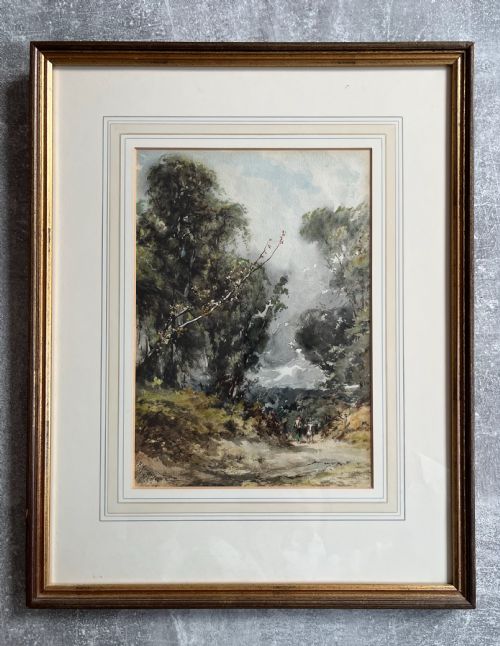
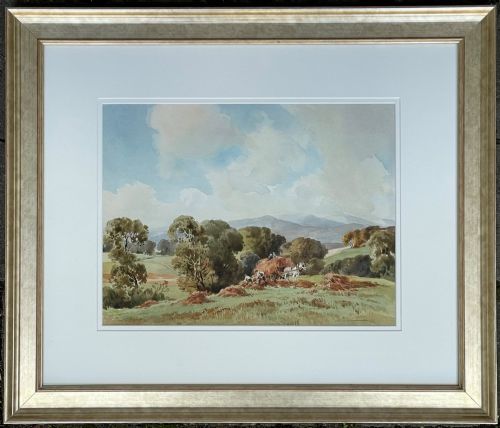
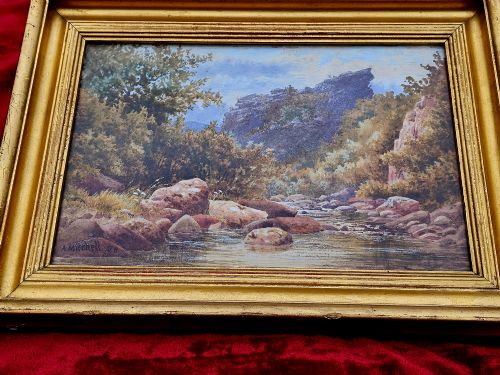
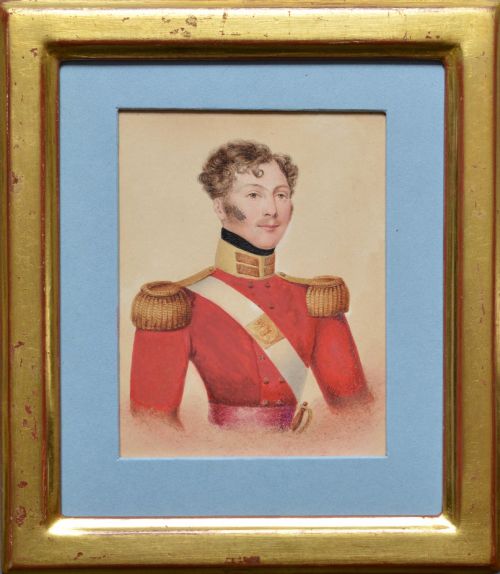
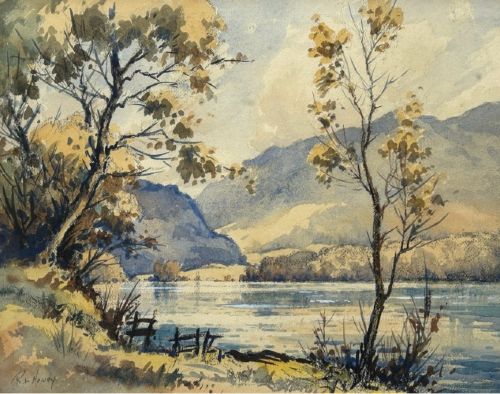
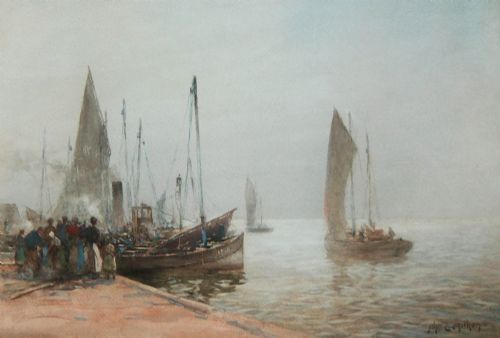
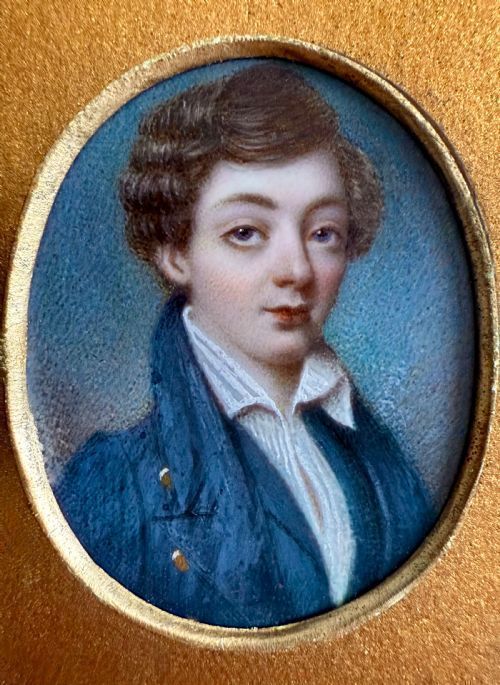
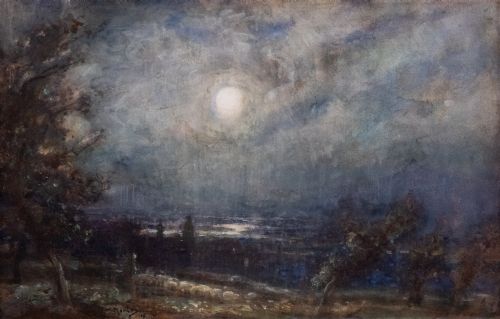
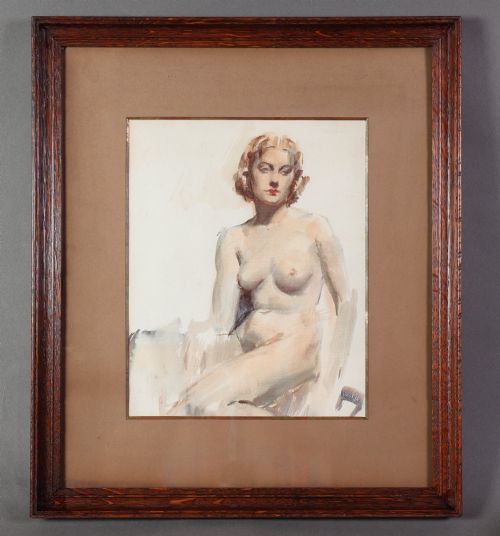
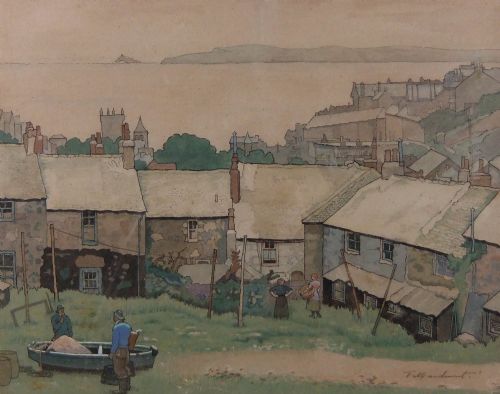
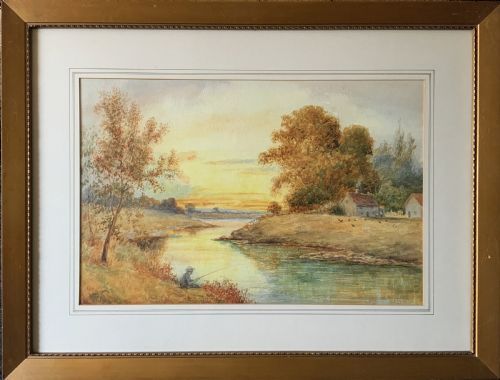
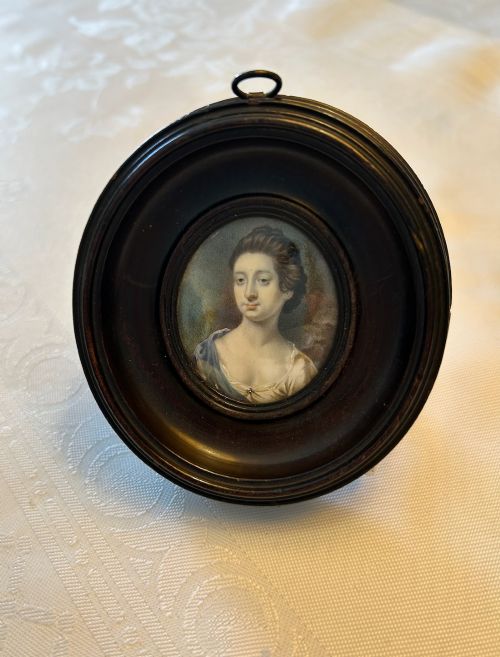
A british school watercolour painting captures landscapes, country houses, industrial scenes and portraits created across various historic periods. The selection on this page ranges from early nineteenth century romanticism views to early twentieth century works.
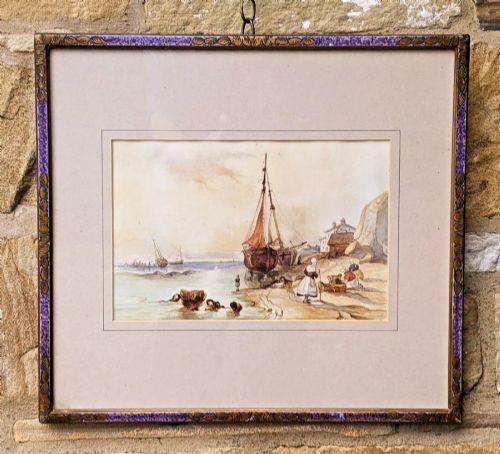
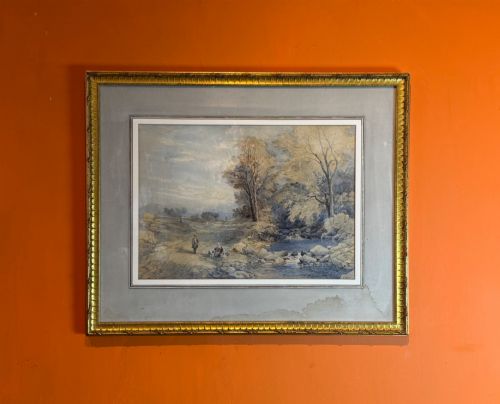
Buyers encounter rural countryside scenes, castle ruins, industrial landscapes and coastal subjects. These compositions show the changing artistic output of British artists working in traditional mediums.
How they were made
These works utilise watercolour pigment and paint applied to paper surfaces, often incorporating ink and pencil underdrawings. Artists built up transparent washes to create depth and light within each composition.
Support materials consist of traditional paper sheets handled by painters working both in the studio and outdoors. The combination of pencil, ink and pigment forms the foundation of every piece.
One set of clown costume designs carries a Chelsea artist address verso.
What varies in quality
Quality separates through the precision of the draughtsmanship and the control of the pigment washes. Works featuring detailed pencil underdrawings alongside confident brushwork stand apart from simpler sketches.
The sophistication of the landscape perspective and the preservation of the paper surface determine the standing of individual examples. Stronger compositions maintain clear tonal contrast across the painted sheet.
George F Pennington·Thomas Brabazon Aylmer·J Morris
The British School Watercolour Painting Glossary
- Regency
- A period spanning the early nineteenth century defined by specific stylistic developments in British art and architecture. Pieces from this era often reflect romantic ideals.
- Romanticism
- An artistic movement focusing on emotion, nature and picturesque ruins such as castles and abbeys. This style dominates many landscape subjects.
- Watercolour pigment
- The finely ground colour substance mixed with water and binders to create the paint used on paper. It provides the translucent quality characteristic of these works.
- Edwardian
- A style period associated with the early twentieth century, noted in works produced around that era. Artists working then often maintained traditional landscape themes.
Frequently Asked Questions
What is a british school watercolour painting?
A british school watercolour painting is an artwork created on paper by artists working within British artistic traditions.
These pieces typically depict landscapes, architecture and portraits from periods including the Regency era and the twentieth century.
How should I display them?
These works on paper require framing behind protective glass to prevent damage from light and environmental moisture.
Keep them away from direct sunlight to preserve the watercolour pigments and the paper support.
How do I date a piece?
Dating relies on stylistic clues, framing materials, inscriptions and the characteristics of the paper stock.
Periods represented in these works range from the early nineteenth century through to nineteen forty.
What subjects are common?
Landscape views featuring country houses, streams, castle ruins and industrial scenes appear frequently across the collection.
Portraits of naval officers and costume design studies also form part of the recorded selection.