


Mid Century Watercolour Landscape
A mid century watercolour landscape captures the shifting light and quiet mood of rural scenes, offering buyers an authentic window into mid twentieth-century British and European topography.
Mid Century Watercolour Landscape
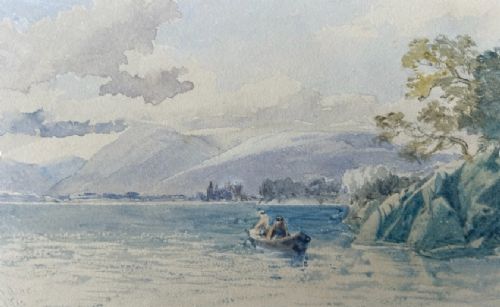
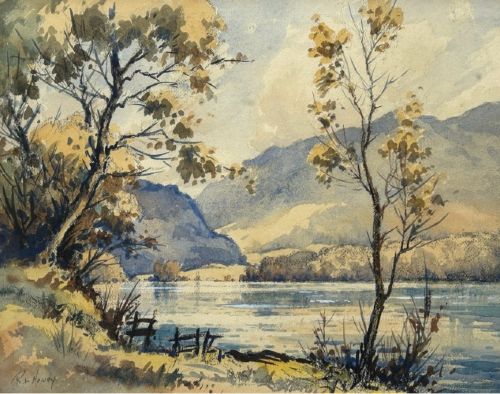
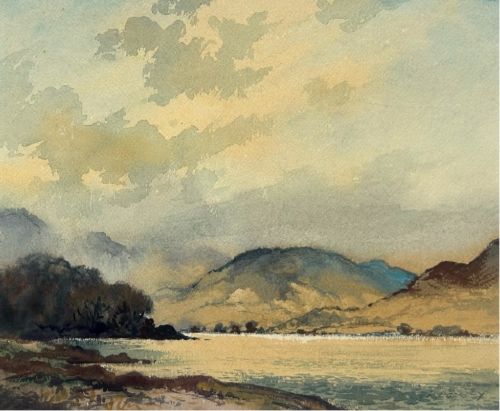
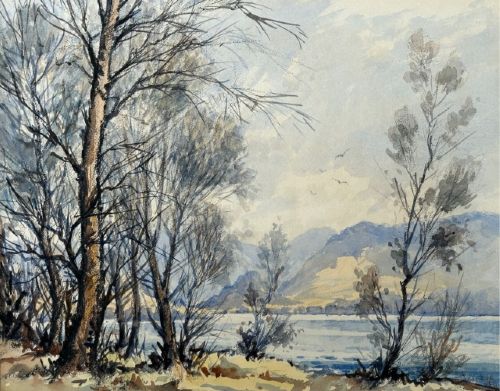
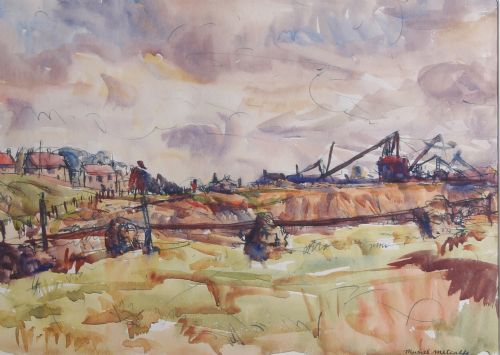
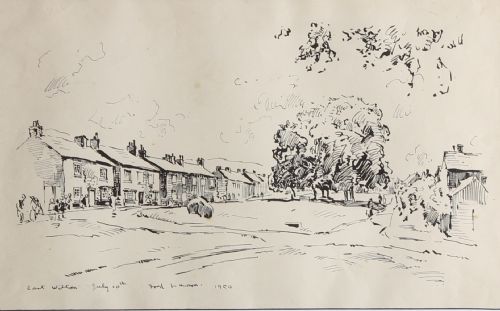
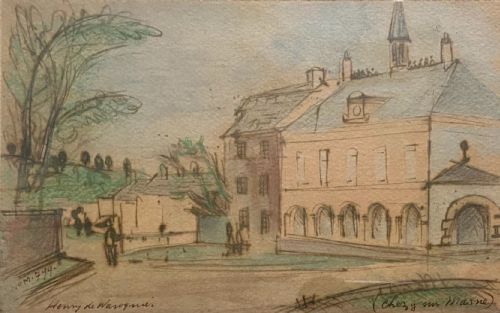
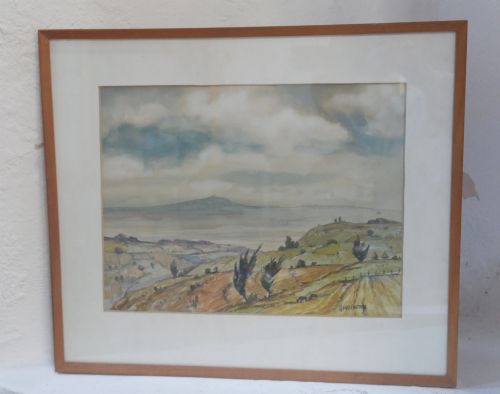
A mid century watercolour landscape presents original works on paper depicting rural scenes, village views, and coastal settings created primarily during the middle decades of the twentieth century. These paintings range from intimate ink and wash sketches to atmospheric studies of the English Lake District, Yorkshire Dales, and continental vistas.
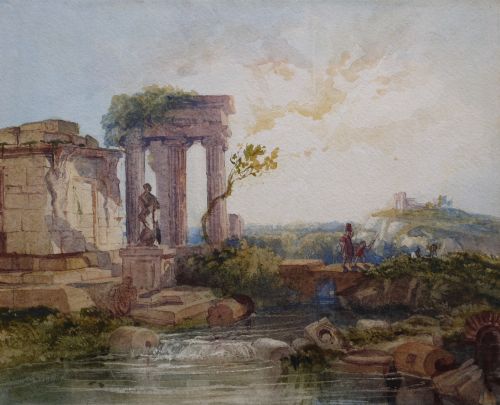
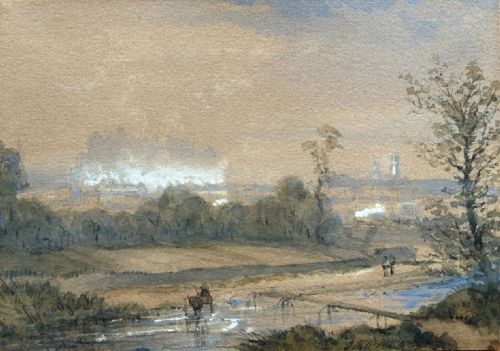
Buyers encountering this selection will frequently find mid-century British pieces alongside mid-nineteenth-century antecedents that share a similar dedication to topographical observation. The predominant formats are framed works on paper and sketchbook pages executed by regional artists and Royal Academicians alike.
How They Were Made
Artists relied primarily on watercolour pigment applied to paper, often accompanied by underlying pencil lines, ink detailing, or gouache highlights to define architectural forms and natural textures. These materials allowed painters to capture rapid atmospheric changes outdoors before finishing the composition in the studio.
Works were typically mounted behind glass and housed within wooden or gilt wood frames that protected the delicate pigments from moisture and light exposure. The interaction between fluid washes and absorbent paper fibres created the characteristic luminosity defining these landscapes.
The inventory records framed artwork and wall art depicting Scottish, English, and continental landscapes.
What Varies in Quality
Quality rests upon the artist's command of light, tonal contrast, and brushwork economy rather than the mere age of the paper or complexity of the subject matter. Superior works demonstrate a confident handling of fluid pigment that conveys atmosphere and spatial depth without laboured overworking.
The preservation of the paper and the vibrancy of the original watercolour pigments heavily influence the overall standard of a piece. Strong provenance, signature verification, and harmonious framing further distinguish premier examples from more modest amateur sketches.
Thomas Miles Richardson Jnr·Richard Principal Leitch·Robert Leslie Howey·Fred Lawson·Henry de Waroquier·Edward Seago·Stanley Orchart·John Hobson Nicholson·Sir William George Gillies·S. J. Lamorna Birch
The Mid Century Watercolour Landscape Glossary
- Watercolour pigment
- Finely ground colour particles mixed with a water-soluble binder for painting on paper. This medium allows for transparent washes that build up luminous layers of tone.
- Gouache
- An opaque watercolour paint containing an added inert white pigment to create denser, heavier colour areas. Artists frequently used it alongside standard watercolour for highlights.
- Works on paper
- A broad category encompassing drawings, paintings, and prints executed on paper supports. These items require careful framing behind glass to prevent environmental degradation.
- Wash
- A fluid layer of diluted watercolour pigment spread evenly across the paper to create skies or water. Mastering this technique required immense precision to avoid hard edges.
Mid Century Watercolour Landscape: Frequently Asked Questions
How should I frame vintage watercolours?
Watercolours require framing behind glass with acid-free mount board to prevent direct contact with the surface. This protective barrier shields fragile pigments from ultraviolet light and ambient moisture in domestic environments.
Positioning pieces away from direct sunlight ensures the subtle washes retain their original tonal depth and colour integrity over decades of display.
Where were these landscape scenes painted?
Painters travelled extensively across rural Britain, recording familiar vistas in the Yorkshire Dales, the Lake District, Scottish lochs, and coastal Dorset. Others ventured further afield to capture continental townscapes and foreign coastlines.
Artists frequently set up outdoors to capture transient weather conditions before returning to their studios to complete the final composition.
How do I identify mid-century pieces?
Mid-century works are distinguished by modernist compositional choices, expressive brushwork, and a departure from strict Victorian academic realism. Signatures, exhibition labels on the reverse, and artist dates often confirm the execution period.
The paper types and framing materials contemporaneous to the 1940s and 1950s provide additional clues regarding the era of creation.
Are these paintings original artworks?
Every piece listed here is a unique, hand-painted original work on paper rather than a modern reproduction or standard mass-market print. The distinct brush strokes and pooled pigment edges confirm the direct touch of the artist.
Sketches and finished exhibition watercolours alike represent singular creative acts preserved across generations.